


Copywriting turns attention into action. It’s the words that turn your ideal customer from passive to a raving fan. It’s what gets people knocking on your door, handing their credit card, and asking you to take their money.
It’s the words that grab and keep attention long enough for you to deliver a fantastic product or service.
No business can succeed without copywriting. Regardless of whether you work in conversion rate optimization, SEO, or advertising growth, this guide shows you how copywriting drives business.
Ready to see what makes people click, buy, and stay? Let’s go.
The simplest way to explain copywriting is to describe it as sales in print.
Because there are two ways anyone can sell anything: With the spoken word (or sign language) and the written word.
Selling with the spoken word refers to sales made in person or over the phone. Copywriting sells with the written word.
But, selling does not only mean getting paid. Because the only way someone will pay you for a product or service is if they:
That’s why copywriting isn’t just a transaction of monetary value. It moves attention to action.
In copywriting, the job is to match message, market, and offer. It speaks to intent, it removes doubt, and it changes beliefs.
Because it does all these things at the same time, it needs to be dead simple for your customer to understand.
It can’t be complex language. It should read like a smooth slide. Your customers should not have to spend a lot of mental energy to understand what you’re saying.
The result of great copywriting skills should get your audience’s blood flowing like watching Dexter or 24. Each line pulls you to the next one, and you can’t stop reading.
Not all forms of copywriting are the same. Some exist to attract and get people’s foot in the door. Others change beliefs over time to increase know, like, and trust (KLT).
Ads grab attention quickly and earn clicks. You use them to reach cold or warm audiences and move them to a clear next step.
Many marketers use ads as the traffic source for PPC campaigns, or pay-per-click.
Strong ads use a tight hook, a clear promise, and simple language that matches the page.
There are three main types of ads: text, image, and video. You can also combine multiple types.
Here are a few examples from the Meta Ad Library:
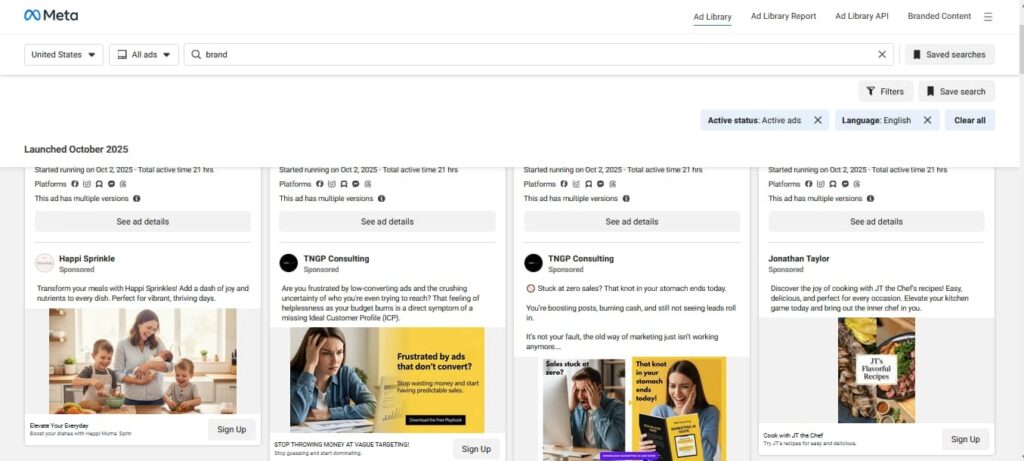
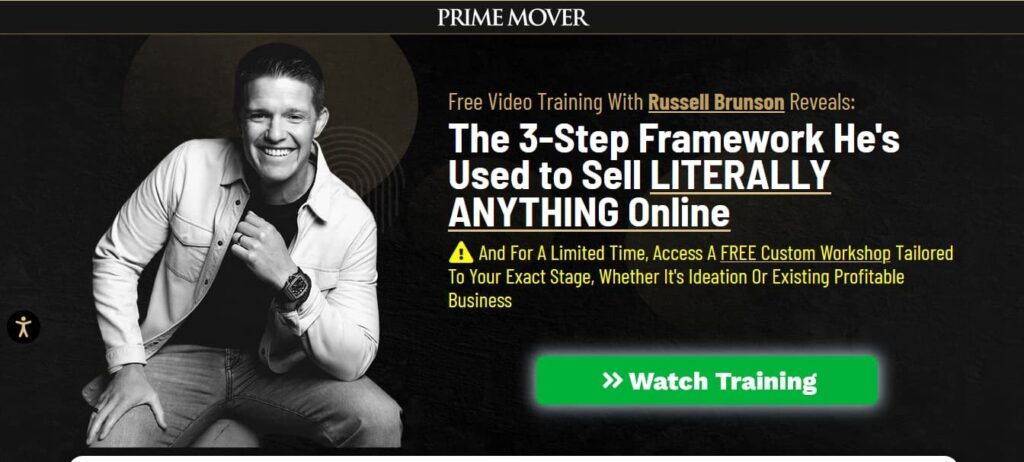
Landing pages turn initial interest into a lead’s first action. You use them after ads, emails, or search to get signups, trials, or email opt-ins, usually in exchange for a lead magnet.
There are a variety of landing pages, including product, lead generation, and seasonal. The type of landing page you’ll want to create depends on the niche, market awareness, and type of campaign.
Good pages lead with a hero promise, show how life gets better, add proof, and remove risk with a guarantee. They appear as focused screens with a strong headline, concise payoff copy, trust logos, a few bullet points, and a single primary (call-to-action) CTA.
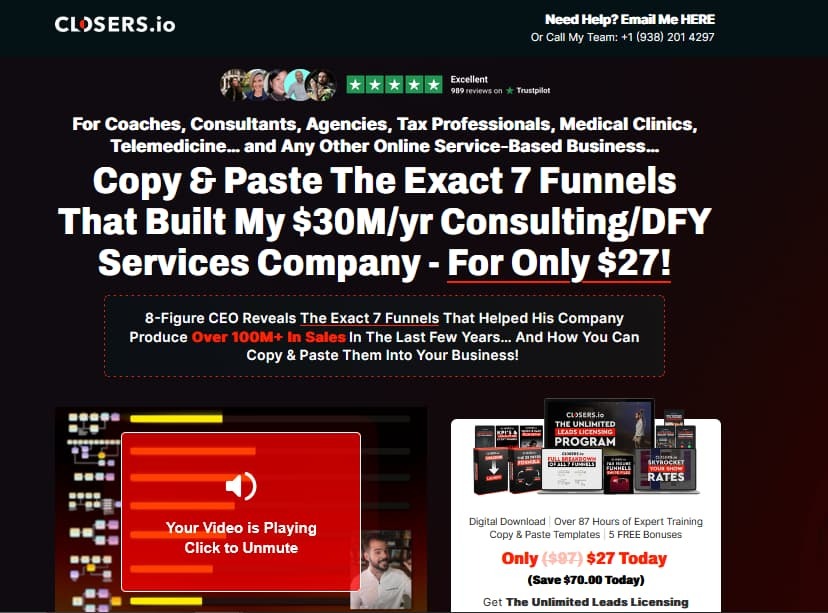
Sales pages and video sales letters (VSLs) do long‑form persuasion. You use them when buyers need more story, proof, and detail to say yes.
Their structure changes based on your niche, what you’re selling, and the market awareness stage.
Sales pages often contain multiple components, including:
VSLs mirror this script in video, then push to a matching page.
Sales pages and VSLs can be as short as a few pages or as long as an hour or 10,000+ words.
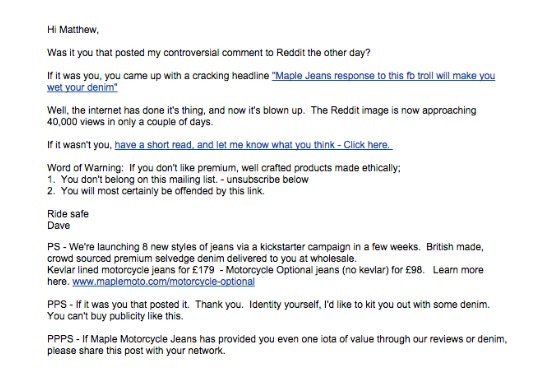
Email copy has two purposes: to build relationships with KLT and compound revenue. It’s one of the few marketing channels that can take a new passive lead that has just signed up and turn them into a lifelong customer and a raving fan of your brand.
Email copy in the right hands can build your business. Done incorrectly (or not at all), it wastes your customer acquisition cost, leads to ad spend inefficiency, and reduces your lifetime value. Done right, it can have the complete opposite effect.
In fact, according to Litmus’s State of Email 2025 report, email marketing has a 36X ROI. That means for every $1 you invest, you can earn $36. If you’re selling high-ticket items, you can earn more.
Use email copy and email funnels for everything, including:
Email automation tools combine email copy with strategy. They make A/B testing simple so you can determine how to optimize campaigns and streamline your audience segmentation. Use automations to schedule tested campaigns, automatically segment audience pools, and redirect subscribers to other campaigns or sequences.
The length and brand voice vastly depend on you and your organization.
In e-commerce, email copy is very short, sometimes less than 50 words. They often have strong design and a lot of images.
For personal brands, emails are typically around 300 words (sometimes longer). They’re plain text with the occasional image.
Most importantly, emails are unique. They have your personality, they’re helpful, and each email has only one goal.
Advertorials are conversion‑led blog posts that teach while they sell.
You use them at the middle to bottom funnel to answer key questions and guide the reader to the next step.
Advertorials resemble helpful articles with subtle conversion moments, micro CTAs, product use cases, and proof seamlessly woven into the narrative, ensuring it never feels pushy.
Say, for example, you’re selling SEO services. You can create a fully-functional ClickUp SEO checklist. Then, write an article about what a content marketing SEO checklist should look like.
Explain why your readers need one and what the benefits are. Use micro-CTAs for the free checklist lead magnet that you created.
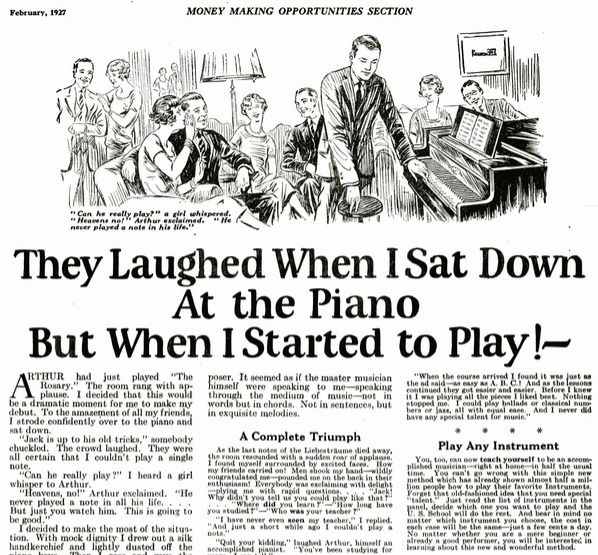
While online advertorials look like blog posts with purposeful conversion, they originated in newspapers and magazines.
Here’s a classic example by John Caples:
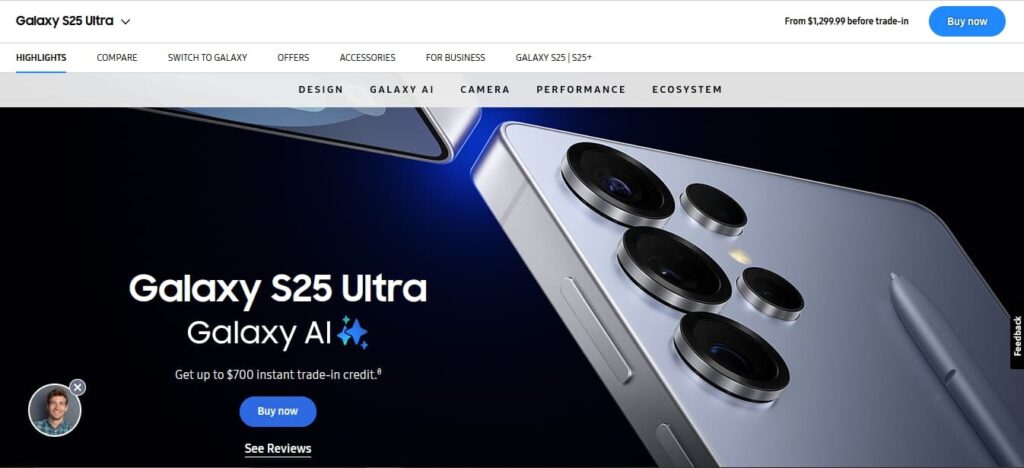
Product pages turn curiosity into a cart. You use them to highlight outcomes, show the offer, and remove fear.
Strong pages lead with benefits, show features only to support those wins, and place CTAs where eyes pause on the screen. They look like clean sections with short headlines, visuals in use, social proof, pricing, and precise delivery or returns information.
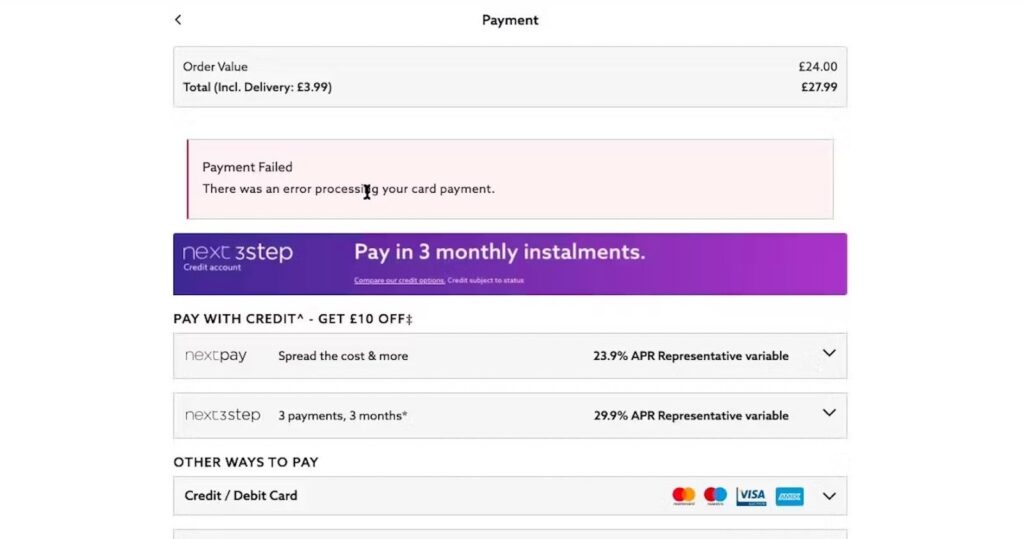
UX writing guides action in apps and sites. You use it to reduce friction, explain errors, and assist users in completing tasks.
Strong microcopy is short, specific, and empathic. It never blames the user. It tells them what happened and how to fix it. UX writing includes clear labels, hint text in forms, helpful error messages, and buttons that state the result of the click.
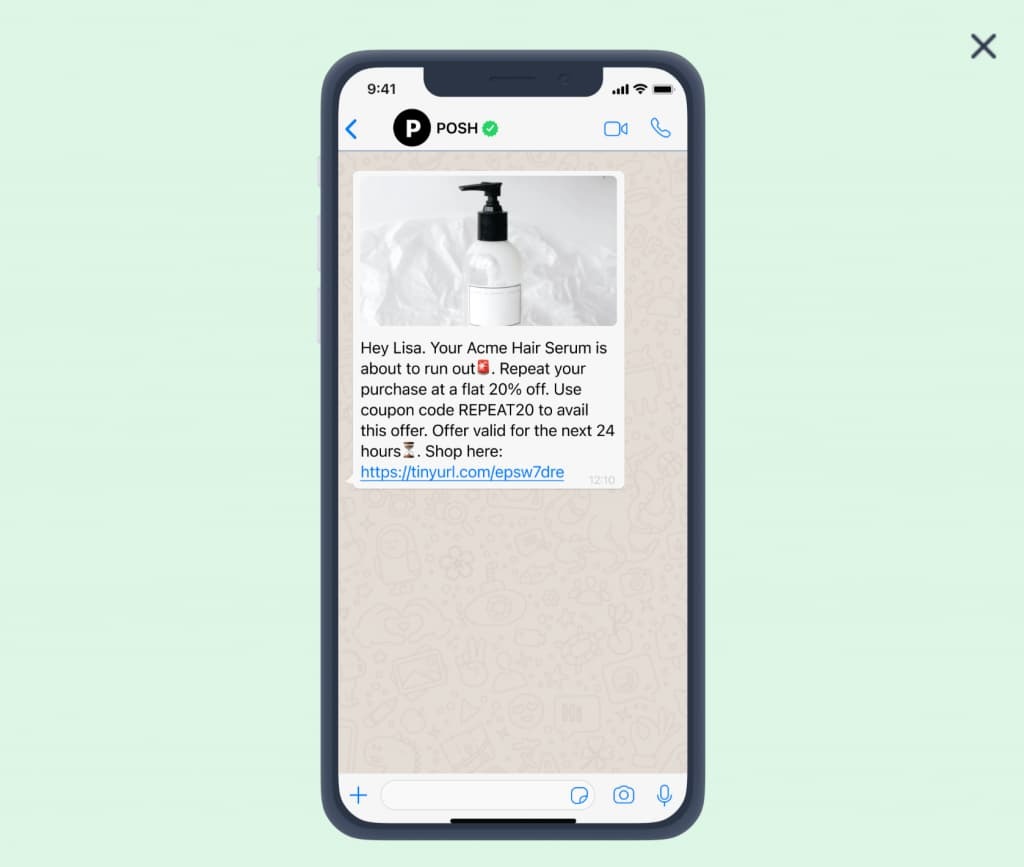
Short-form messages deliver quick value and prompt action. You use them for reminders, order updates, and simple offers that fit in a few lines.
They look like short, friendly texts with a single link, a clear promise, and an easy opt‑out. Keep tone polite and timing respectful.
There’s a huge upside to using short-form message copy. Chatbots can give immediate answers to your prospects. Pair them with AI for categorization, and you can use them to identify potential offers or lead magnets that a contact may want.
Because these channels are 1:1 and less busy than, say, email, conversions can be pretty high. WhatsApp reports that the open rate on the business app is 98%. That’s significantly higher than typical open or interaction rates from other main channels.
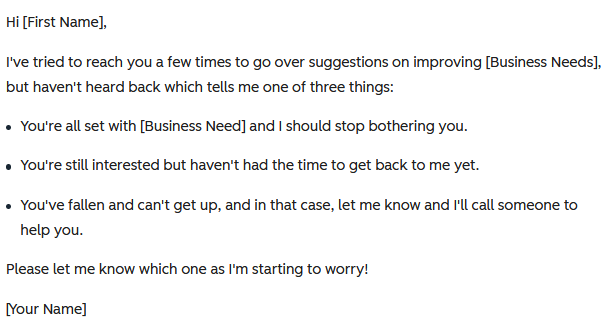
Cold emails start sales conversations with people who do not know you yet. Use it for beta testing offers, B2B lead generation, and building partnerships to leverage journalistic link baiting.
A good cold email doesn’t read like a blast message that you sent to a thousand people. It should feel like a one‑to‑one note. It shows you did your homework, names a real pain, and offers one clear next step. Keep it short, friendly, and valuable. Add humor and personality to make your emails stand out.
Sales funnels build the path from attention to revenue.
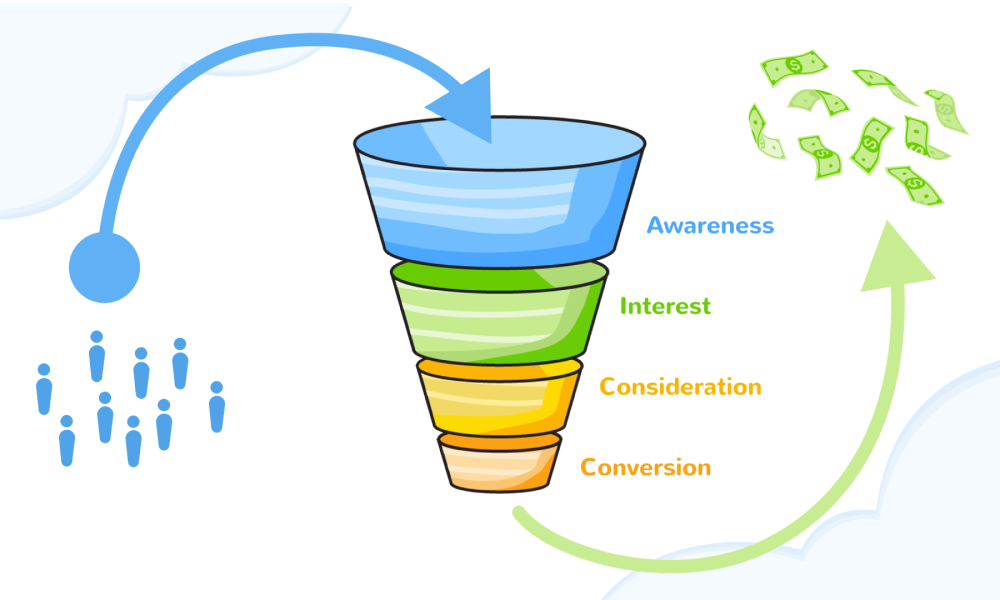
There are different types of sales funnels, including book funnels, product launch funnels, and webinar funnels.
A simple funnel looks like this: ad → landing page → Opt-in form → Sales page or a VSL → Checkout → Email sequences throughout.
Sales funnels work because of economies of scale. If the numbers are correct, you can make a lot more return on your investment than stocks or bonds, especially with cold traffic.
The reason behind this is a critical metric: the average order value (AOV). Because if you can double your AOV, you just doubled your revenue without increasing ad costs. That’s how businesses can scale consistently, despite economic shifts and algorithm changes.
In many teams, marketing owns copywriting. Larger organizations use a creative director to set the voice, then a freelance copywriter or in‑house writer to draft.
Your process will very much depend on your content operations lifecycle and team size.
In most cases, copy does not stand alone.
Designers help shape UX writing and add visuals for the final product. For example, a copywriter would write social media stories. The person behind the brand records themselves reading the script. A video editor then collaborates with the copywriter to add visuals that capture and keep attention.
If you are hiring or leveling up a writer, study examples from real copy jobs, such as this hotel copywriter resume template. Keep in mind that copy varies a lot based on style, voice, form, and audience. A good copywriter can learn your voice and combine it with copy principles for maximum conversion without you having to lift a finger.
Let’s look at how copywriting drives your potential customers to take action.
At the top, copywriting earns a glance and turns it into interest. It uses pinpointed, sharp hooks that call out to the audience and the pain.
Most pieces at this stage have one promised win, one angle, and a CTA to a click-through or landing page.
Your message must be consistent across media platforms. So if you’re running YouTube ads, the landing page must match what you’re saying on the ad. This keeps your lead focused on why they clicked.
At this stage, the job is to convince. Two of the best ways of doing this are with belief and identity shifting.
Shifting beliefs involves a lead realizing something is different from what they thought, or strengthening a new, better belief. For example, demonstrating weight loss without the gym shifts the belief that hours are needed.
Shifting identities can be more profitable. Helping someone overcome an identity block to go from 6-figures to 7-figures, by turning them into a 7-figure entrepreneur, is powerful and valuable.
There are various techniques copywriters use at this stage, including:
The more a lead engages with your copy, the more they’re saying yes to the message.
Moving them from these micro conversions to a monetary conversion is an integral part of copywriting.
Here, it’s about minimizing the risk and maximizing the reward. We can do this with guarantees that sound real, authentic proof, and testimonials from people in diverse situations and walks of life.
The goal is to get them to the checkout page, and from there to the upsells and the thank-you page with ethical urgency and relevant offers.
Retention copy, such as with post-purchase email marketing, keeps your brand in customers’ minds. It helps them overcome doubts and motivates them to use your product. This leads to repeat purchases, referrals, and great testimonials, boosting your business’s success.
Copywriting drives growth by turning attention into action. It works in various forms, including ads, landing pages, sales funnels, and email marketing. It blends psychology with clear, specific language and proof. Copywriting aligns message, market, and offer, then measures results to improve them.
Do you create a lot of landing and sales pages in WordPress and want to publish faster with default templates? Use Wordable to export from Google Docs right into WordPress in one click.