


When you want to grow your email list as an established business, you need to go ALL IN.
I mean it.
You need to scale your lead magnets to the moon. A/B test everything. And have strategic opt-ins everywhere.
Let’s take a closer look at how to grow an email list in 2026. 👇
Highlights
Email marketing helps you get up close and personal with your target audience. There’s no other channel that’s 1:1 like email. (Unless you’re speaking to your leads and customers on the phone.)
When you grow your email list, you get the opportunity to build meaningful relationships with your ideal clients and customer segments. This gives you the chance to foster more trust, encourage more sales, and keep your customers for years to come.
Hello, healthy customer lifetime value.
That said, here’s how you can grow your email list in 2026. I recommend printing out this guide and using it like a checklist. Makes it super actionable that way. ✅
Why are you growing your email list?
Are you looking for long-term brand building? Do you want to nurture leads and convert them? Are you taking customer loyalty seriously this year?
These are all solid reasons to grow your list, and they help you focus your marketing campaigns. The right emails can also help nudge your subscribers to share your emails.
Keep these goals front and center and tailor your approach accordingly.
For example …
For long-term brand building, you might send out a weekly industry insights newsletter, like monday.com’s famous monday insights newsletter (has nearly four million subscribers, btw).
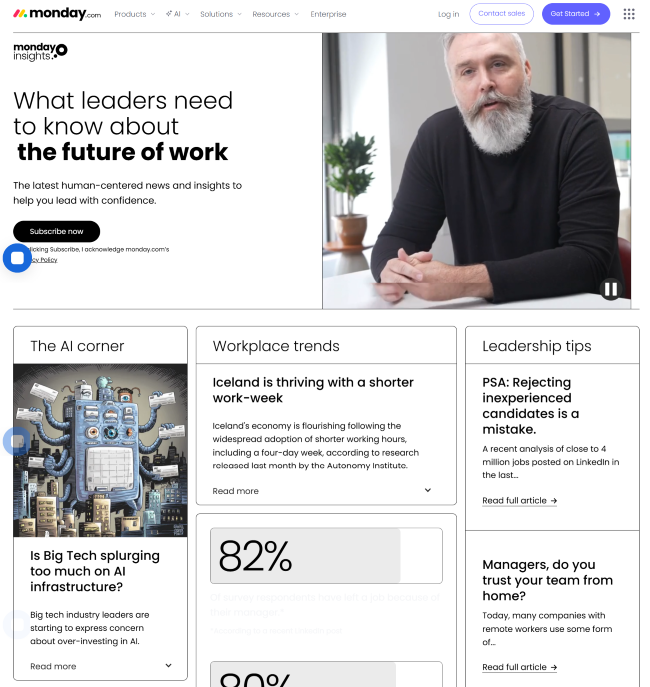
As word gets out about your newsletter, you’ll continue to create a name for yourself in your sector. (And subsequently grow your list.)
To nurture leads and increase conversion rates, you might: Send ultra-personalized email campaigns tailored to each individual customer group. And include offers, advice, and insights you KNOW they’ll love.
HubSpot’s 2026 State of Marketing Report shows that 53% of marketers still rely on basic email personalization, such as using a subscriber’s name, while only 13% go further with hyper-personalization driven by behavioral data or lookalike audiences.
When your email subscribers feel seen, they have more reasons to share your emails with others who’ll find them helpful.
To foster customer loyalty, you might send exclusive content or early-access perks to existing customers. Think VIP webinars, new product sneak peeks, or members-only guides. You might even reward engagement with loyalty points, referral bonuses, or personalized thank-you emails that make them feel seen and valued.
Loyal customers can help grow your email list by referring other engaged, like-minded customers.
Before moving on to the next section, pick at least one main goal and at least one way to tweak your email marketing to meet it. Add a “share this email with someone who’d benefit” call to action to encourage even more referrals.
You can also start a referral program. (Give subscribers a free gift or resource they’ll love after they send someone to you using your referral program code or link.)
One of the best ways to grow your email list size is with lead magnets. These are the perfect “win-win” because your audience gets value, and you get new subscribers who are genuinely interested in what you offer.
I want you to go on a batching spree. I’m serious. Make a ton of these and publish them everywhere.
To be clear, a lead magnet is when people give you their email addresses in exchange for something. That could be a free gift, discount, or resource.
You use calls to action to encourage people to grab your lead magnet. They simply enter their name and email in your opt-in form, and then get the lead magnet automatically.
K, now that we’ve got that out of the way …
Here are some lead magnet ideas you can get inspiration from. 👇
(I recommend A/B testing these to see which ones drive the most clicks and signups. More on this in a bit.)
Give your audience a deep dive into something they really care about. Make it downloadable so they can read it whenever they like. You could teach a skill, break down an industry trend, or solve a problem they’ve been struggling with.
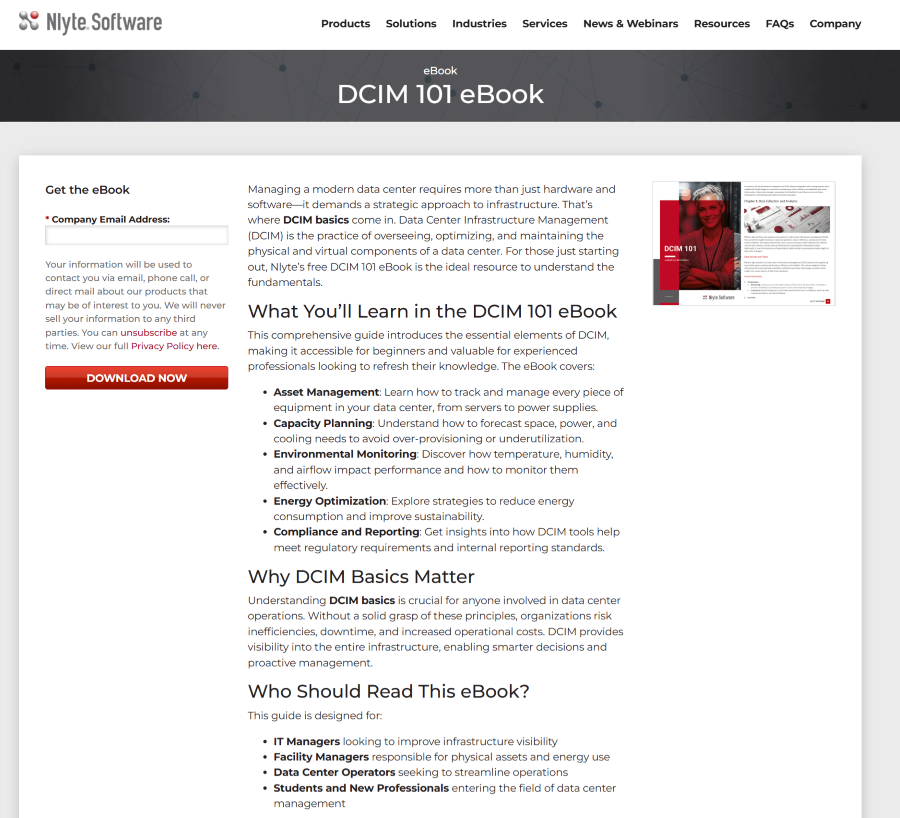
Who doesn’t like a deal? Offer a coupon or special discount for signing up. They get a little win right away, and you get a new subscriber who’s more likely to stick around.
Create a comprehensive, step-by-step resource that guides people through a process. The more actionable, the better. By the time they finish, they should feel like they’ve actually leveled up. This works great for B2B audiences and ecommerce audiences.
Conduct keyword research to align your topic with search intent, so you can attract even more eyes and clicks.
Break a big topic into tiny, digestible lessons. Send subscribers a long email, an in-depth PDF with modules, or a video. Quick wins keep people hooked, build trust, and make them more likely to keep coming back for more.
I just added 180 qualified subscribers to my email list by doing this!
Create a fun and interactive quiz.
Let subscribers answer a few questions and get personalized results. People love seeing how they stack up, and it’s a clever way to grab their email while giving them something useful. (Plus, you can learn a whole lot more about your individual customer segments and their core needs.)
Publish a one-page, no-fluff list of steps or tips. Make something they can print, pin, or screenshot. Think quick wins without feeling overwhelmed — everyone loves that.
Share data or insights that your team collected yourselves. Check out uSERP’s The State of Backlinks for SEO report for inspo. 💜
BetterUp also has a good one:
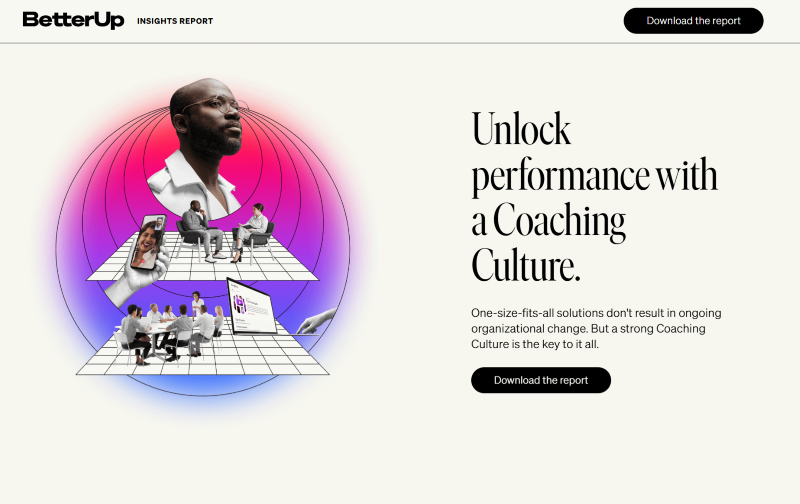
Hand over ready-to-use resources like scripts, frameworks, or layouts.
Bundle your best tools, templates, or guides in one place. Subscribers can dip in whenever they need it. Makes them feel like part of a VIP club, and they’ll keep coming back for more.
Showcase real customer results. Walk through a success story with your product or service, share the steps, and highlight the outcome. People trust proof more than promises, and it gives them takeaways they can actually use.
Give people content they can drop into their work, like social graphics, charts, and templates.
After you’ve created a ton of lead magnets, make sure you have everything you need to promote them. This includes the lead magnet itself, a way to opt in to receive it, and a workflow that automatically sends the lead magnet and captures the email address. (And, ideally, adds and organizes the email address in your CRM.)
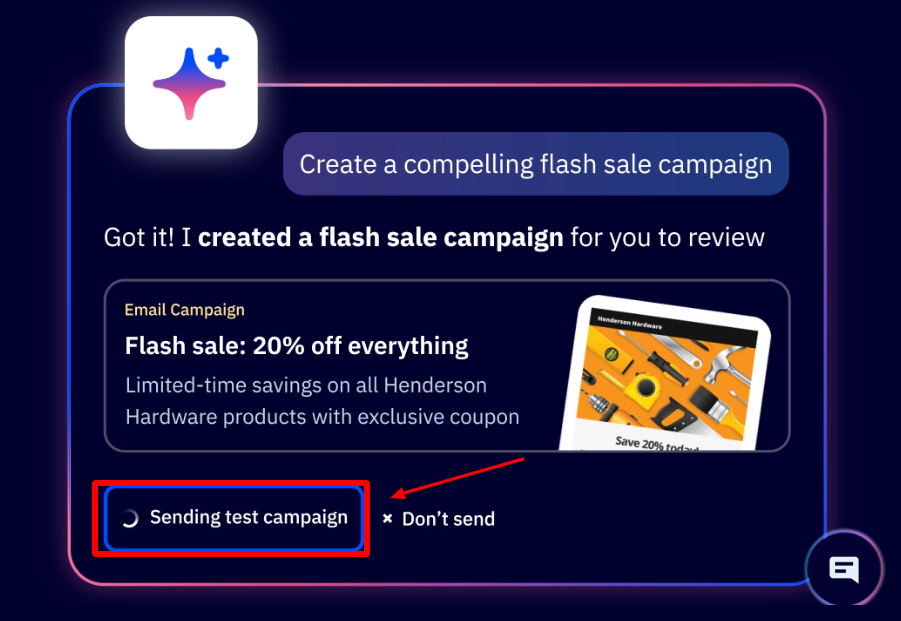
You can also create dedicated landing pages for each one. More on this below.
Here’s where you can promote your lead magnets:
Check the features that come with your email marketing tool or website. They might have a landing page builder and other features for lead magnet campaigns.
Use A/B testing to uncover which emails are most beloved and which lead magnet campaigns attract sales-qualified leads (SQLs).
(You know, the kind of engaged readers who actually open your emails. 🙃)
The better your emails are, the more referrals you’ll get. The better your lead magnet campaigns are, the more opt-ins you’ll get.
Test one variable at a time, like: Subject lines, email copy, CTAs, button colors, and the type of lead magnet you offer.
Start with a small A/B testing campaign. Send version A to half of the testing audience and version B to the other half. (ActiveCampaign and other email marketing platforms can help you automate this.)
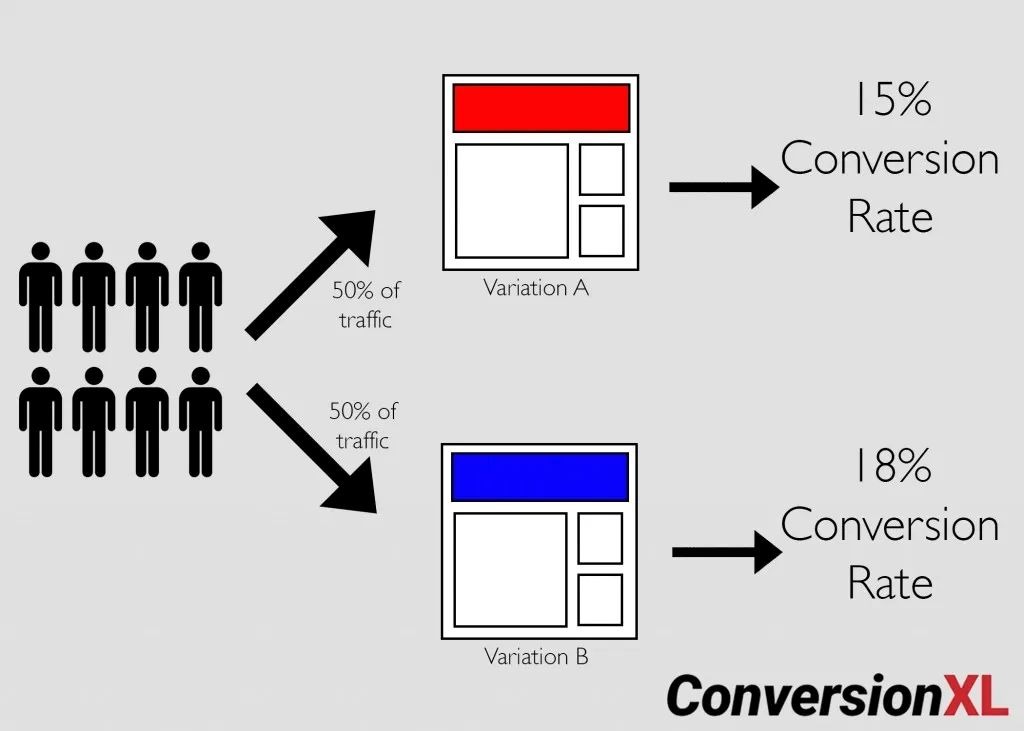
Track open rates, click-throughs, and conversions to see which version performs better. Then take what works, refine it, and test again.
Over time, A/B testing helps you build a library of high-performing campaigns and lead magnets that consistently grow your list with engaged, qualified subscribers.
Opt-in buttons are the gateways to your email list. They literally turn casual visitors into subscribers.
Placement and clarity are everything here.
Analyze traffic to your site, use heat maps, and see where people naturally pause or click. Then place your opt-ins in spots that catch attention without being pushy.
Some high-impact placements include:
*Pro-Tip: Make your button copy actionable. A/B test options like “Get the free guide,” “Claim your VIP access,” or “Join our insider list.” Combine strong copy with contrasting colors to make buttons pop visually. Here’s some great inspo:
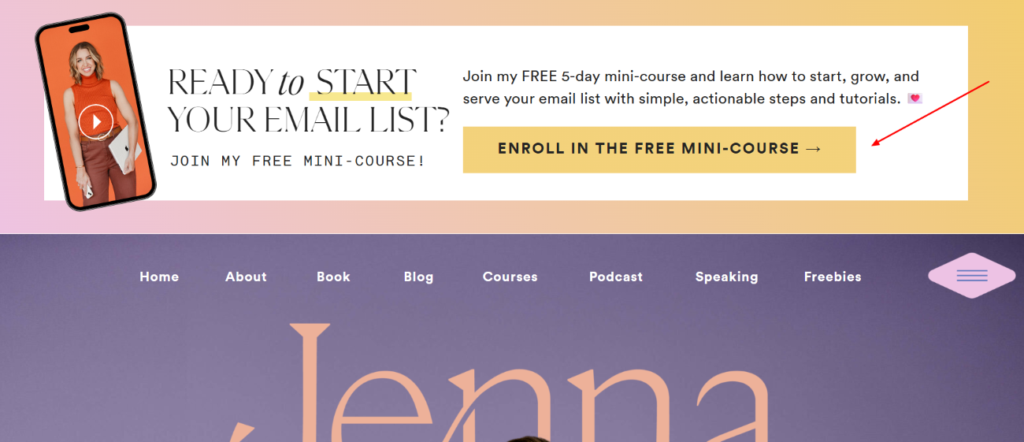
Lead Magnet Button Placement
When your opt-in buttons are clear and strategically placed, you should see a steady flow of new subscribers — as long as you’re getting website traffic, that is!
The best email newsletters inspire action, sharing, and engagement.
To get your subscribers to forward, click, and interact, you need content that’s worth spreading.
Here’s what I recommend:
Copywriting frameworks give structure and make your emails irresistible.
Try these:
Storytelling: Start with a short anecdote or case study. Readers remember stories and are more likely to forward an email that made them feel something. When I write email content for clients, I almost always start with a story!
AIDA (Attention, Interest, Desire, Action): Grab attention with a bold subject line, spark interest with a relatable problem, build desire with your solution, and end with a clear CTA.
PAS (Problem, Agitate, Solve): Highlight a pain point, make it feel urgent, then show how your advice or product solves it. Great for newsletters that teach actionable skills.
FAB (Features, Advantages, Benefits): Emphasize how your subscriber will benefit, not just what you’re offering. Perfect for sharing new tools, guides, or resources.
Urgency and scarcity: Use fear-of-missing-out (FOMO) messaging to encourage more subscribers and conversions. In the example below, Maria Wendt uses “Spots are limited to serious entrepreneurs ready to take action now” to nudge readers to click.
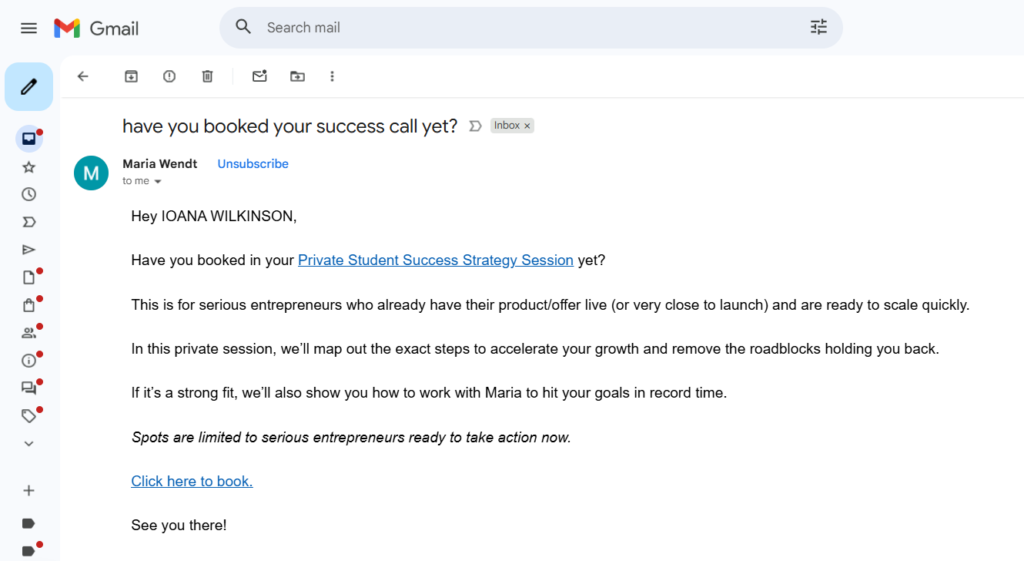
(Image by Ioana)
I’ve also included an urgency/scarcity CTA example below. 👇
Encourage shares with subtle CTA nudges built into your copy, like these:
If you’re sending a super wordy email newsletter that WORKS for your brand, you can skip this part. But for many brands, bite-sized content can encourage shares because they provide immediate value. (When you structure them well.)
My advice?
I know I’ve shared a lot about referrals in this guide. And for good reason.
Your subscribers can bring more like-minded people to your list. ✨
Think about it. If your newsletter focuses on HR topics, your subscribers might forward it to other HR professionals. If it’s about skincare, it can naturally get shared with fellow skincare enthusiasts. The people who care about your content already make the best ambassadors.
*Pro-Tip: Track what gets forwarded or clicked the most. Over time, you’ll see patterns in topics, frameworks, and CTAs that naturally encourage sharing. Double down on these!
Webinars are one of the most effective ways to collect email addresses while delivering real value.
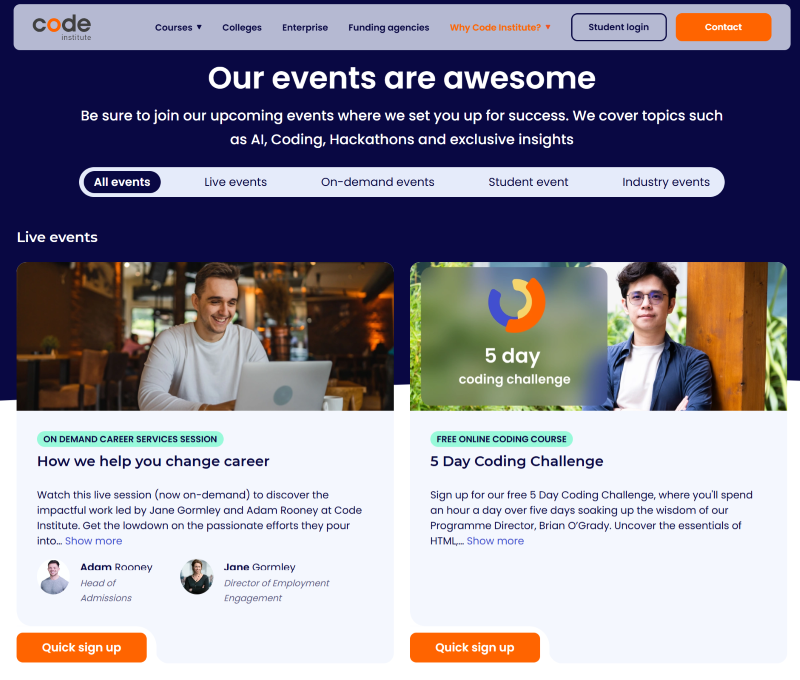
Plan webinars around topics your audience cares about and promote them through your email list, social media, and website. You can also test social media ads to drive more webinar signups. This is a super popular campaign to run.
Require registration with an email address, and make it clear what attendees will gain. (E.g., exclusive insights, actionable tips, or a downloadable resource.) During the webinar, encourage sharing by offering bonus materials for attendees who invite friends or colleagues.
After the webinar, follow up with attendees (and those who registered but couldn’t attend). Offer a free replay, additional resources, and a special offer.
(Scroll back up to “Where to market your lead magnets” for a list of options that work great for webinar marketing, too.)
And there you have it.
A solid guide that breaks down exactly how to grow an email list in 2026.
I recommend using ALL of these tips, but if you have to choose one, go with the lead magnet batching. And ideally, run ads to these as well. You’ll scale your campaigns, get more eyes on your lead magnets, and nudge more users to subscribe.
BTW, if you’re also looking for a faster way to publish blog posts, you gotta try Wordable! You can publish pieces from Google Docs to WordPress, Medium, or HubSpot in seconds.
Do I need a webinar to grow my list?
No, you don’t need a webinar to grow your list. Webinars are great for engagement, but lead magnets, like quizzes, mini-courses, and downloadable resources, can work just as well, or even better, depending on your audience.
What’s the best type of lead magnet?
The best lead magnet depends on your audience. Ebooks, checklists, templates, mini-courses, and quizzes can all work.
Test a few to see which ones drive the most signups.
How often should I email my list?
You should email at a frequency your audience enjoys. Weekly or bi-weekly newsletters are common. The goal is to stay top of mind without overwhelming subscribers. You can test this, too.
How can I get subscribers to share my emails?
Make your content worth sharing! Use stories, actionable tips, or insights. Add urgency or curiosity, and include a simple, forward-friendly CTA like “Know someone who’d love this? Share it!”