


Hiring has changed a lot over the past decade.
What used to be a transactional process has become a relationship-driven experience.
Candidates now test companies the same way customers test brands. They research culture, read reviews, examine leadership, and compare hiring experiences. They’re doing all that before deciding whether to engage.
This is the era of modern recruiting.
It’s not about filling open roles fast. It is about:
The hiring process has become very important. It’s one of the most visible expressions of a company’s professionalism and values.
Recruiting today is a strategic function. It influences growth, innovation, retention, and long-term business success.
Let’s walk through the full journey, from the first interaction to onboarding.
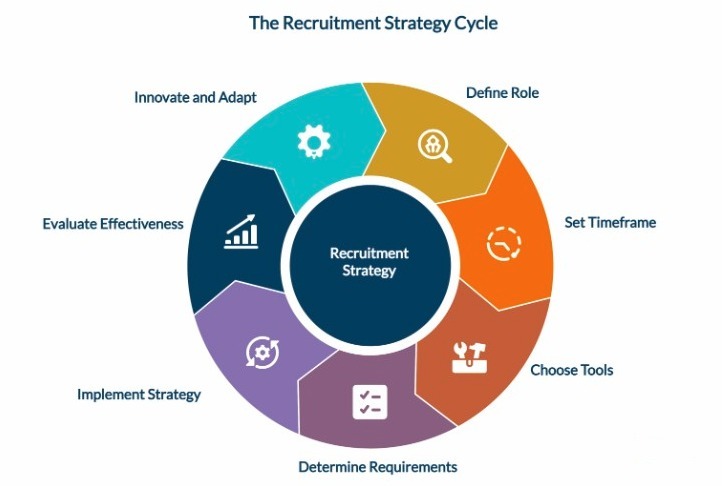
A new way of recruiting blends speed, transparency, structure, and empathy. It recognizes that candidates are not applicants. They are professionals evaluating opportunities.
The power dynamic has shifted. In many industries, top talent has options. That means companies must compete not only on compensation, but also on experience.
Candidates expect:
A slow or frustrating process filters out strong candidates before interviews even begin.
The recruitment process requires thoughtful design. Every step must feel intentional. The right recruiting software will help structure workflows and maintain consistency.
To build brand trust, focus first on your employer brand content and then align recruiting with broader marketing efforts. Recruiting is marketing in disguise as it shapes how people perceive your company.
That means the recruiting experience contributes to brand perception. A poor candidate experience can hurt customer trust. A strong one can strengthen loyalty.
Modern recruiting treats every candidate as a potential advocate. Even those who are not hired should leave with a positive impression.
Consistency is what builds brand trust. Clear messaging. Honest conversations. Professional follow-ups. These small behaviors accumulate into a reputation.
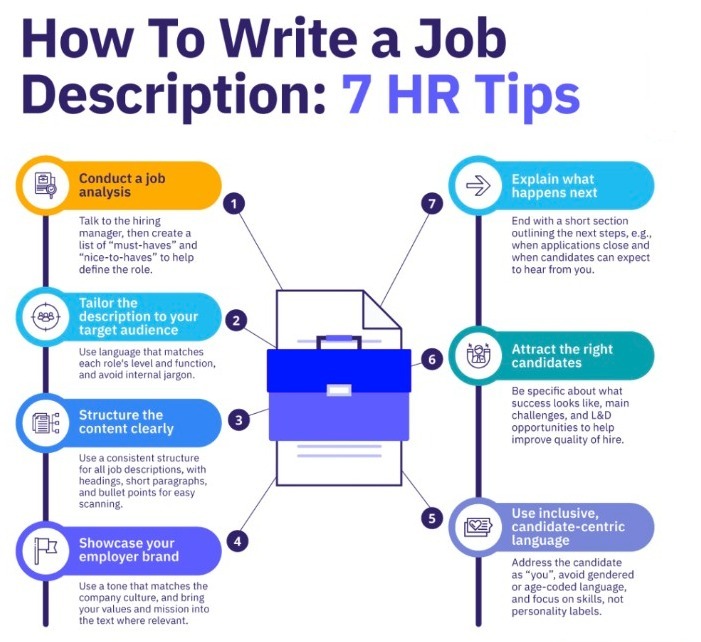
Many job descriptions suffer from the most common writing problems. Since it’s often the first formal interaction, the description should be:
New-age recruiting avoids inflated requirements. Long lists of unrealistic expectations discourage qualified applicants. Clear prioritization improves diversity and inclusivity.
Strong job descriptions:
The recruiting process begins with clarity.
You can perform initial outreach in many ways. Either via phone calls, messages, or email. It doesn’t matter which method you use. What matters is that the first call or message sets the emotional tone.
Generic outreach signals low effort. Personalized messages signal respect. Mentioning specific skills or experiences shows genuine interest.
When reaching out:
Candidates often decide whether to continue based on the first interaction. That initial impression influences engagement and long-term perception.
The recruiting process starts with thoughtful communication.
In high-stakes environments like a teen mental health facility, things are different. The recruitment process is a “stress test” for a candidate’s clinical empathy.
Modern etiquette in this niche requires several things. A high-touch approach from the first call must ensure the same compassionate boundaries the facility provides to its residents.
Maintaining a transparent and professional communication loop helps. The facility ensures cultural alignment and mission-readiness. All before they ever reach the onboarding stage.
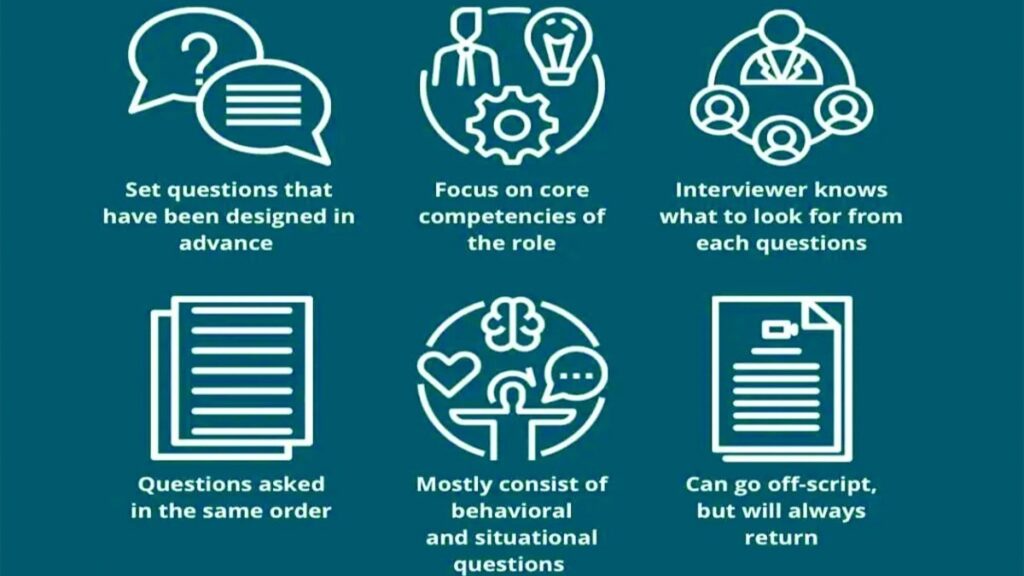
Interviews should feel organized yet conversational.
Send interview agendas in advance. Clarify who will attend and what you will discuss.
Structured interviews reduce bias and improve fairness.
Common mistakes to avoid:
Professional etiquette during interviews builds credibility, just as workplace etiquette builds discipline. Honest discussions about challenges strengthen trust.
Speed signals competence, while silence signals disorganization.
Recruiting requires defined internal timelines. You must structure feedback loops. Decisions should not linger without explanation.
Even rejection requires etiquette. Short, respectful messages preserve dignity. Feedback, when appropriate, adds value.
Communication discipline protects brand reputation.
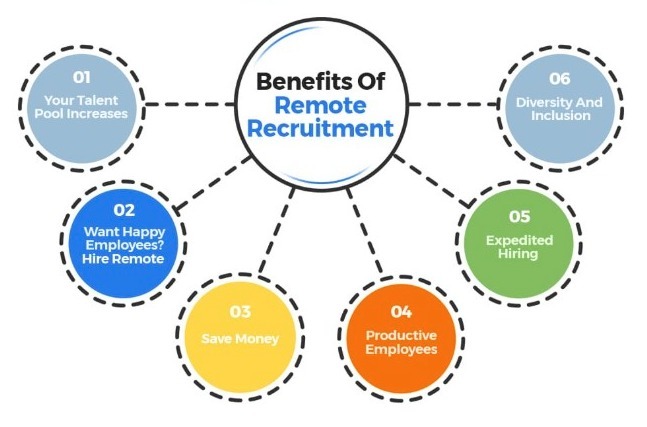
Modern recruiting no longer happens within city limits.
Remote work changed everything.
In 2025, We Work Remotely reported that 90% of remote workers wanted to continue working remotely. It brings higher flexibility and more freedom for employees.
This shift means businesses must adapt their recruiting etiquette to global hiring realities.
First, communication must be clearer than ever.
When candidates are in different time zones, response delays are natural. Yet, you must manage the expectations.
Always clarify:
Second, interviews must respect time differences.
Scheduling a 7 a.m. interview for a candidate in another country may signal poor planning. Simple gestures like offering many time slots show respect.
Third, compensation conversations must be transparent.
If pay varies by location, explain the logic. If you offer global compensation bands, define them clearly.
Recruiting employees means you’ll need to help remote candidates visualize the culture.
Since they cannot walk into your office, show them:
The more clarity you provide, the more comfortable candidates feel.
New recruiting methods are global. Your etiquette must be global too.
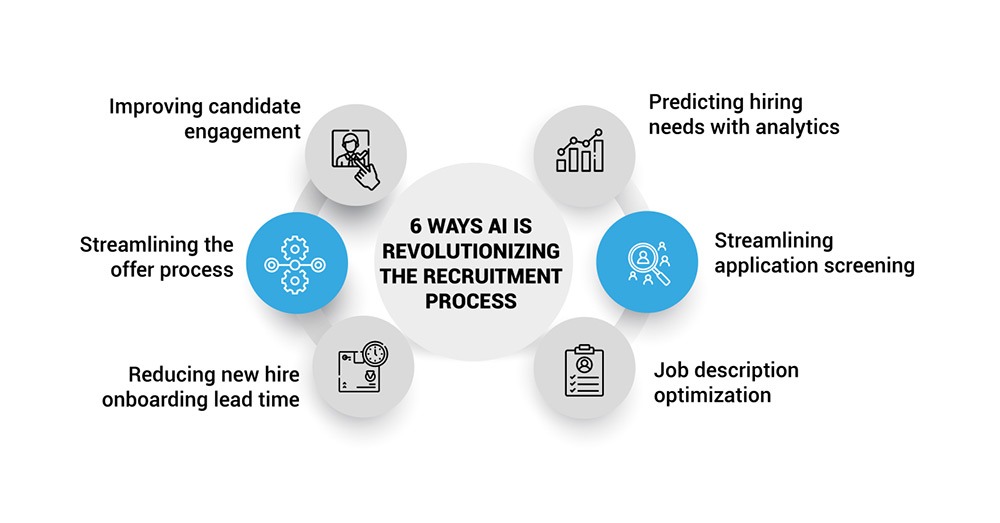
Like client management, using technology in modern recruitment processes enables scale. But its implementation has to be thoughtful.
Applicant Tracking Systems (ATS) improve an organization’s workflow. Scheduling tools reduce back-and-forth emails. Video interviews expand access.
As hiring becomes more complex, teams need a clearer way to manage candidate flow without sacrificing consistency along the way. That is where ATS platforms can support a more organized and efficient process.
Even before candidates enter an ATS, first impressions matter. A well-designed CV creator can help applicants present their experience in a clear, professional, and consistent format, making it easier for recruiters to review qualifications efficiently while improving the overall candidate experience.
And yet, automation should not replace human engagement. Over-automation feels cold and transactional.
AI screening tools, as part of AI recruitment software, can improve efficiency, but they need oversight. Monitoring bias is a must as transparency matters.
New-age recruiting uses technology to enhance (not replace) professionalism.
The recruiting etiquette in the healthcare sector requires a delicate balance. The balance between efficiency and strict data privacy.
You want to maintain professional standards during the intake and onboarding process. That’s why practices use HIPAA-compliant virtual admin assistants to handle sensitive candidate documentation. This approach ensures that high-level management of personal health information and private records is maintained.
By integrating specialized remote support, medical recruiters can focus on candidate engagement. And yet, they’ll ensure all administrative touchpoints meet rigorous legal and ethical standards.
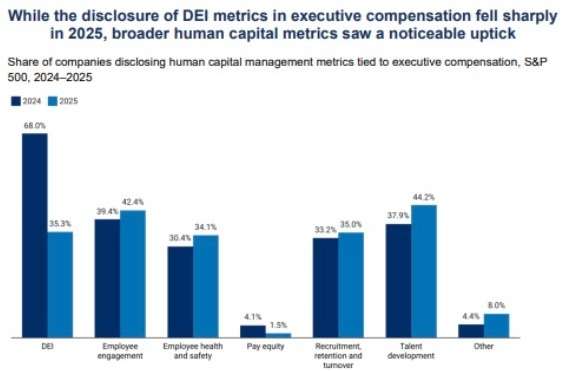
New-age recruiting is not about filling roles fast. It is about building balanced, diverse teams that reflect today’s world.
Harvard’s research shows a decline in the use of DEI terms. Yet, DEI practices remain in place and have led to a 35% increase in recruitment retention in 2025.
That is not a branding trend. That is a business advantage.
But diversity does not happen by accident. It happens through intentional recruiting practices.
Contemporary recruiting etiquette includes:
For example, replace “digital native” or “young and energetic” phrases with skills-based requirements. It will make a job description more inclusive.
Structured interviews also reduce bias.
Decision-making becomes fair when every candidate answers the same core questions. Each candidate will then undergo evaluation against clear criteria.
Blind resume screening can also help. To remove unconscious bias during the first screening, remove:
In present-day recruiting, inclusion is not a checkbox. It is a system.
Candidates notice when companies walk the talk. They research leadership diversity. They look at company culture. They read reviews.
If your process feels biased or unfair, words spread fast.
If it feels thoughtful and balanced, your employer brand will strengthen.
The offer stage should feel celebratory and clear.
Explain compensation clearly, including bonus structures and benefits. Provide written documentation fast. You can also hyperlink in Google Docs, leading to relevant resources for candidates.
Avoid artificial pressure. Give candidates time to review the offer.
Clear offers reduce negotiation friction and improve acceptance rates.
Contemporary recruiting concludes interviews with confidence and transparency.

In present-day recruiting, trust starts long before the first interview.
Candidates share sensitive information. Resumes include work history, phone numbers, addresses, and sometimes even personal data. If your process is careless, you lose trust immediately.
Today’s candidates care a lot about privacy.
Cisco’s 2026 Consumer Privacy Survey found interesting data. 46% of respondents believe that transparency builds trust. Moreover, proper use of data builds confidence. While that stat refers to customers, the same psychology applies to candidates as well.
What does contemporary recruiting mean in practice? It means treating candidate data with the same care as customer data.
That includes:
If you operate in the EU, GDPR compliance is not optional. Even outside Europe, data privacy expectations are rising fast.
Transparency matters as much as security.
If you record interviews, let candidates know. If you use AI screening tools, disclose them. If you run background checks, explain when and how you do so.
Hidden processes create anxiety. Clear explanations create comfort.
Present-day recruiting etiquette requires businesses to say:
“Here is what we collect. Here is why we collect it. Here is how we protect it.”
That level of clarity shows professionalism, and professionalism attracts better candidates.
The time between acceptance and the start date is critical.
Silence creates uncertainty. Regular communication reinforces commitment.
Send welcome materials. Introduce team members. Provide onboarding schedules and share company resources. Or add an outline to Google Docs that explains all the processes with visual appeal.
Preboarding maintains engagement and reduces drop-offs.
Onboarding is the final expression of recruiting etiquette.
Set clear 30-60-90 day goals. Assign mentors. Schedule feedback sessions.
Strong onboarding accelerates productivity. It reduces early turnover. It reinforces cultural alignment.
Present-day recruiting extends beyond hiring into integration.
Like in every other segment, data informs improvement. Measuring performance is a must to have a clear vision of any downfalls so you can make corrections. Online data collection tools may help you streamline the process.
Be sure to track:
Data reveals bottlenecks and patterns.
Contemporary recruiting balances empathy with analytics.
Recruiting should not start when a role opens.
Maintain talent communities, use AI sourcing workflows to engage passive candidates, and share content that reflects culture and growth.
Strong pipelines reduce reactive hiring. They shorten time-to-fill.
Present-day recruiting is proactive.
Not every hiring process goes smoothly.
Sometimes a role gets frozen. Sometimes budgets change. Sometimes, a candidate you were about to hire does not get approved.
In those moments, etiquette matters even more.
Contemporary recruiting requires honest and timely communication. How you handle these moments directly shapes your business reputation — both as an employer and as a company in the eyes of the broader market.
Contemporary recruiting requires honest and timely communication.
If a role is on pause, inform candidates immediately. Do not let them wait weeks without updates.
Be brief and professional with your explanations. Candidates understand business realities. What they do not appreciate is silence.
That means poor communication becomes public reputation damage.
Even rejection emails should be thoughtful.
Avoid generic templates that feel robotic. Develop a personalization strategy to tailor communication at key stages of the hiring process. Offer short feedback when appropriate.
Present-day recruiting is reputation management in action.
Every interaction shapes how the market sees your business.
Even candidates who do not get hired can become:
Treat every candidate with respect, especially during difficult situations.
Because how you close a process often matters more than how you start it.
Remote hiring, AI tools, skills-based hiring, and flexibility will continue shaping recruiting.
Yet, one principle remains constant: respect.
Technology evolves. Etiquette remains foundational.
Present-day recruiting will continue blending efficiency with human connection.
Modern recruiting is no longer administrative. It is strategic.
It shapes culture. It protects the brand. It influences growth.
From the first outreach to onboarding day one, every interaction communicates values.
Companies that master contemporary recruiting attract stronger talent. They build stronger teams. They create sustainable competitive advantage.
Recruiting is not only about hiring people. It is about building the organization’s future. Etiquette is the framework that makes it work.
Check out the Wordable blog for more information.