


Burnout’s on the rise. Many employees are at max capacity. And student loan debt and health care costs continue to climb.
It’s no wonder employees are finally taking a stand and being more choosy about who to work for.
If you’re curious how you can attract top talent with better employee benefits, keep reading. In this guide, I’m sharing what modern employees want and what a modern employee benefits package offers. 👇
Highlights
An employee benefits package refers to the benefits an employer offers employees.
It includes options that support an employee’s health, finances, and work-life balance. (For example, health insurance, retirement plans, and paid time off.)
Employers use benefits packages to attract, support, and retain employees. Employees rely on them for health coverage, financial support, and time away from work when needed.
But a standard employee benefits package isn’t always enough to satisfy modern employees …
Employees today are looking for organizations that support their well-being. Holistically and financially.
Let’s take a look at why this matters so much to employees.
And why employers should pay attention.
Employees want employers who protect their work-life balance and holistic health. Beyond benefits, simple initiatives like employee appreciation ideas can also play a big role in improving morale and reducing burnout.
Employees feel it’s important to work for an organization that:
And if that doesn’t motivate employers enough, McKinsey research states that:
“Investing in holistic employee health can create almost $12 trillion in global economic value.”
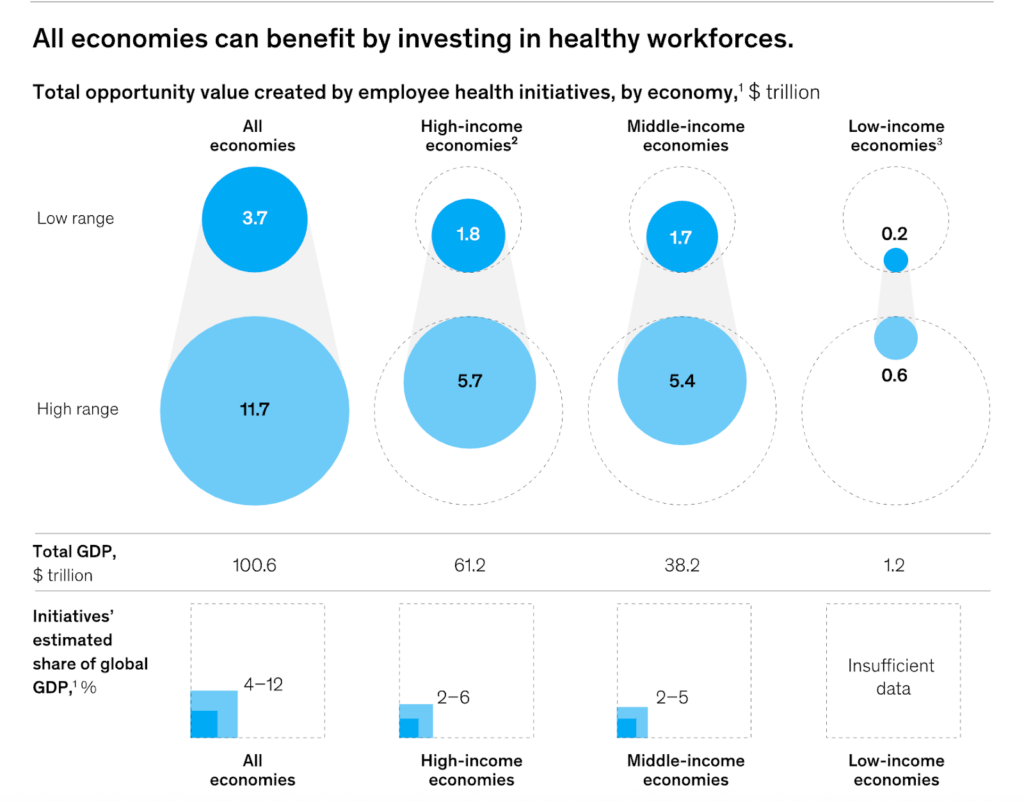
According to McKinsey, organizations that prioritize health:
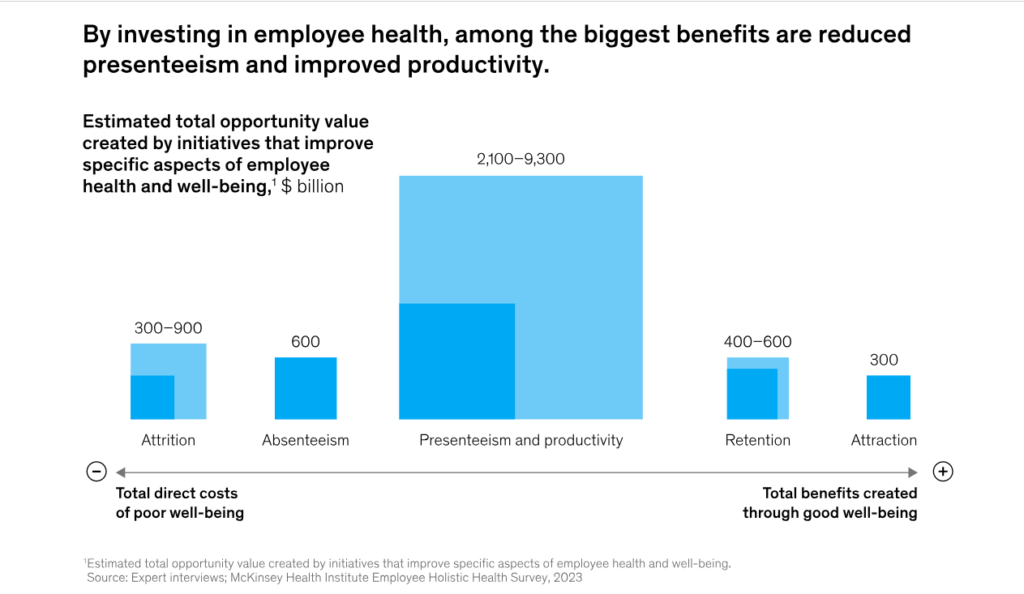
It’s a win-win. Employees feel better and have a healthier work-life balance. And organizations get a more engaged and productive workforce.
We’ll look at specific ways employers can support employee well-being in a bit. 🙂
Modern-day employees want organizations that can help with student loan debt and financial wellness.
In fact, employees report significant financial stress due to student loan costs. (According to a survey by EBRI/Greenwald.)
The survey also reported that many employees feel unsupported by their employer in managing debt. And 12% think their employers should provide guidance on how to pay their student debt.
And it’s not surprising why.
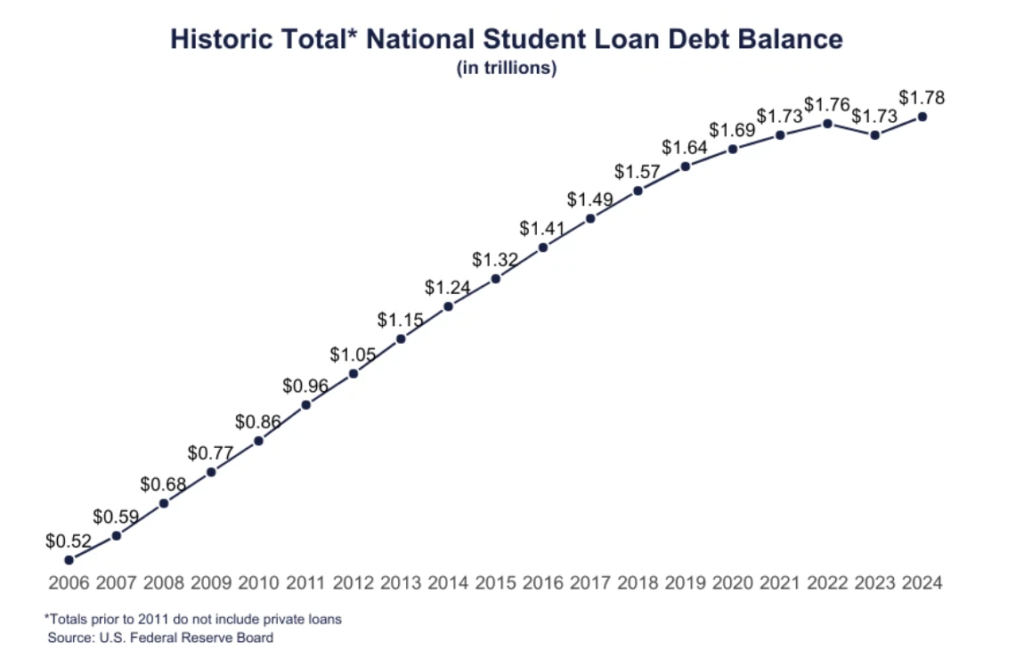
Student loan debt has continued to climb since 2000, except for a slight decline in 2023.
The current totalstudent loan debt in the US is $1.833 trillion dollars. 😯 (Up from $1.78 trillion in just 2024, according to research by EducationData.org.)
Student loan debt is also affecting retirement preparedness.
Especially for Gen Z and millennial employees.
56% of borrowers say that student loans limit them from saving or investing. And nearly half delay major life milestones, like planning for retirement, according to a Newsweek report.
When workplaces offer retirement plans or support with student loans, employees feel more confident about their financial future. This encourages them to stay longer with their employers.
(Think about teachers who never quit because they have a juicy pension plan waiting for them.)
We’ll look at more ways employers can support financial wellness below.
A modern employee benefits package goes beyond basic coverage.
Years ago, many companies offered the same standard mix: Health insurance, retirement benefits, and paid time off. That’s still important. But employees now expect benefits that support their physical health, financial stability, and everyday life, right down to pet insurance and wellness plans.
Human resources teams are also adjusting benefits to keep up with rising healthcare costs, student debt, and changing workforce expectations.
Let’s look at what many modern employee benefits programs include today. 👇
Health coverage is still the main player in most benefits packages. But employers now offer more flexible health plans so employees can choose what fits their needs.
Most companies offer several types of insurance plans, such as:
These options give employees different provider flexibility levels and costs.
Coverage options may include:
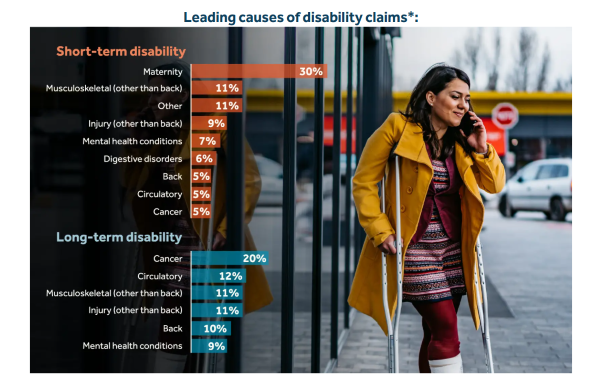
Many organizations also include health savings account (HSA) options. Or flexible spending accounts (FSA), so employees can set aside pre-tax money for medical expenses under guidelines from the Internal Revenue Service.
Modern packages also offer preventive care and daily health support.
Some companies offer:

Employer healthcare cost reduction is also vitally important.What good is offering well-rounded healthcare benefits if employees can’t afford them?
Instead of cutting coverage to control costs, modern employers should increasingly focus on preventive care and wellness programs. These can help both lower claims over time and help employees stay healthier.
Another win-win.
Many organizations now include financial wellness benefits in their employee benefits package.
These programs often help employees learn how to:
Many companies also provide retirement savings plans or pension options. Public-sector employers, for example, may offer plans such as the Teacher Retirement System of Texas, the Optional Retirement Program, or federal programs like the Thrift Savings Plan.
Private employers usually provide retirement plans that let employees invest regularly and grow long-term savings.
Modern benefits programs also address student loan debt, which affects many younger workers entering the job market. Lucky employees may get access to private student loans at low interest rates.
Others may get support options like:
When it comes to education-related funding, modern employers usually offer assistance in two main areas. (According to the EBRI Financial Wellbeing Employer Survey.)
For student loan debt assistance:
Time away from work also plays a major role in preventing burnout and helping employees maintain work-life balance.
Most companies include paid time off. (Which may combine vacation days, personal days, and sick leave.) Many also offer more paid holidays throughout the year.
Some even offer unlimited paid time off! 😍
Family benefits are another growing part of employee benefits packages.
Employers may offer extended parental leave for new parents. And flexible work arrangements. Some also offer support for growing families. (E.g., Fertility treatments, egg or sperm freezing, and adoption assistance.)
I pulled a ton of research for this piece to help you focus on the top benefits. But if you’d like to hear it from the horse’s mouth, why not interview your current staff or job candidates?
Your employees will tell you exactly what they need — if you ask.
Run a short internal survey, bring the topic up in one-on-one meetings, or include a few questions during exit interviews. You’ll quickly see patterns in what people value most and what they feel is missing.
You can keep the survey simple. A quick pulse check like this works well:
1. Which benefits matter most to you right now? (Check all that apply.)
2. Which benefit would improve your daily life the most?
______________________________________________.
3. Do you feel you understand how to use your current benefits package?
4. Which financial support would help you the most? (Choose up to two.)
5. Is there a benefit you wish the company offered but currently doesn’t?
6. On a scale of 1–5, how satisfied are you with our current employee benefits package?
Keep the survey anonymous so employees feel comfortable answering honestly. After you know what employees want, your human resources team can build a benefits package that supports real needs instead of guessing.
A modern employee benefits package can no longer stop at health insurance and paid time off. Employees want support that helps them stay healthy, manage debt, and plan for their future.
Organizations that invest in these areas build stronger teams. They also improve retention and attract better candidates. When people aren’t preoccupied with money stress or running on empty, they do better work.
What that looks like depends on the team. For many, it means producing content: articles, guides, resources that help customers make decisions. The writing part is rarely the bottleneck. The bottleneck is everything after: copying from Google Docs into a CMS, fixing broken formatting, re-uploading images, and repeating the process across platforms.
Wordable cuts that step out. Teams can export directly from Google Docs to WordPress, HubSpot, or Medium, preserving formatting, images, and links.
If you are publishing on a regular schedule, that adds up to real hours saved each week. Try Wordable and put that time back into the content itself.
Benefits play a big role in whether employees stay or start job hunting.
When people feel supported with healthcare, time off, and financial tools, they’re less likely to look elsewhere. If an employer helps employees handle real-life pressures (like medical costs or debt), it builds loyalty — and makes the job harder to walk away from.
They’re becoming much more common, especially in industries that hire many early-career employees. Many workers enter the job market with significant student debt, so employers are starting to offer: Repayment assistance, matching contributions, or financial guidance to help them manage it.
Stress about paying the bills follows employees to work. Financial wellness programs give employees practical help with budgeting, debt management, investing, and retirement planning.
When employees understand their finances and feel more in control, they spend less time worrying. And more time focusing on their work.
Most companies review their benefits at least once a year. (Usually during open enrollment planning.) It’s also smart to reassess benefits when regulations change, healthcare costs shift, or the workforce changes.
What worked five years ago may not match what employees actually need today.
They can. Benefits show employees what an organization genuinely cares about.
When a company invests in health, family support, and financial stability, employees see that leadership takes well-being seriously. That kind of support helps build trust and a stronger workplace culture.
Absolutely. Many candidates look beyond salary and compare the full compensation package before accepting an offer.
Health coverage, retirement benefits, flexible schedules, and loan support can easily become the deciding factor when someone is choosing between two jobs.
When employees struggle with stress management, health issues, burnout, or financial concerns, their focus drops. Strong benefits remove some of those daily pressures. (Access to healthcare, time off, and financial tools helps employees stay healthier, less distracted, and more productive at work.)