


There are so many ways you can use social media for ecommerce growth in 2026! 🤩
But the catch is: You need to show up consistently and know how to speak so your audience will listen and buy.
You also need to test multiple channels and methods. TikTok ads may work great for a competitor’s audience, while social media lead magnets and drip campaigns work better for yours.
Let’s take a closer look at how you can experiment with social media marketing strategies, so you can grow your ecommerce business in 2026. 👇
Before you test platforms, formats, or ads, get this right. Your messaging and visuals need to feel like your ideal customer already trusts you.
Here’s my favorite way to do that:
In your copywriting, use their words. Literally.
Pull exact phrases and questions from:
Highlight any patterns you spot, especially: The same questions, complaints, and “I wish this existed” comments. These reveal your target audience’s real pain points and desires. Weave these into your content workflow.
In other words, use these words everywhere.
For example:
If your audience says, “I can never find a foundation that matches my skin tone,” don’t rewrite it as: “We have the foundation for you.”
Use their language. 👇
On your home page and in your marketing materials, say: “We have a foundation that matches your skin tone.”
If you have a skin match quiz, test: “Find a foundation that matches my skin tone” as your call-to-action button text.
Here are some specific copywriting frameworks you can fit your customer’s words into:
Try these frameworks to build your core messaging with your target audience’s words.
For B2C ecommerce, test:
For B2B ecommerce, lean into pain points and test:
Product visuals are also really important. In ecommerce, people can’t touch or physically try your product before buying, so your visuals do that job for you.
And you’ll need a lot of these.
I always recommend batching when it comes to product marketing.
For example, batch-create crisp product photos, short demo videos, lifestyle shots, business shots (if you’re in B2B), and product close-ups. Save these in different sizes and formats for cross-channel strategies. Canva, for instance, has a magic resizer tool you can use to get the right size for each target social media platform. 👇
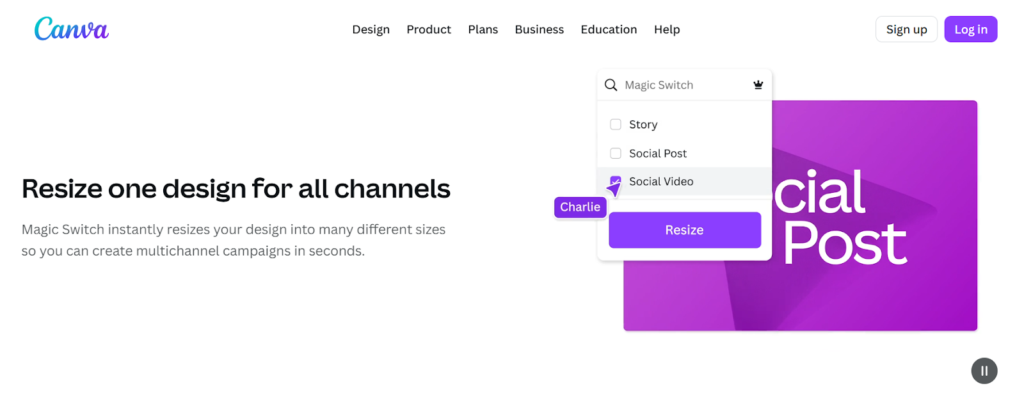
Get detailed with your visuals. Show scale. Show texture. And show the product in real-life situations your customer relates to.
Think about popular food and beverage companies, like Starbucks and Coca-Cola. They sell their product experience with sensory details and context. ☕
For example:
Buyers want to clearly see what they’re getting. These details help people picture themselves using the product to make sure it’s what they really want.
When you start a business, you need as many opportunities to sell as you can get. Social storefronts are perfect for that if you’re in ecommerce. They turn your social media presence into a direct sales channel.
TikTok Shops, Facebook Shops, and Instagram Shops are built for social commerce.
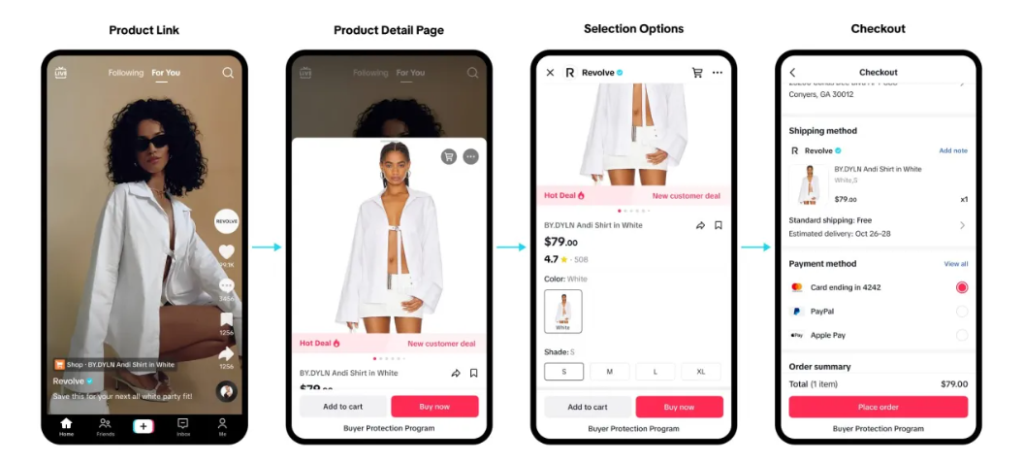
They use integrated carts, native checkout, and shoppable content to shorten the buying journey. People go from scrolling to browsing to buying without leaving the app. (Nobody’s forced to go to your official online store or website to buy.)
These shops are increasingly attracting more buyers.
In fact, an EMARKETER forecast recently reported that social commerce sales in the US are projected to exceed $100 billion in 2026 — and continue to grow rapidly.
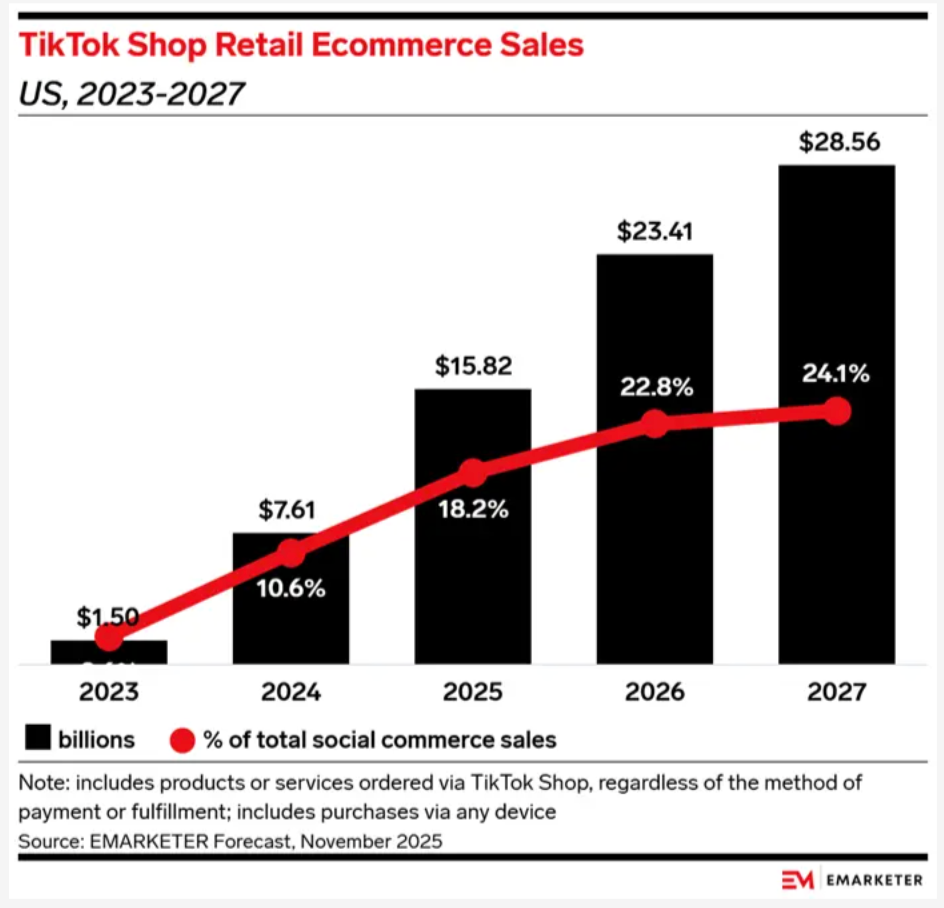
Shoppers on social media now expect the freedom to tap product tags, view your product catalog, and check out instantly on mobile. That’s why (in addition to having a store on each platform) your social strategy needs conversion optimization baked in.
Every post, video, and Story should make it easy to buy.
The easier you make that path, the faster social turns into real revenue.
Let’s take a closer look at this in the next section.
Once your social storefronts are set up, you need a strategic social media marketing plan.
You need to design paths that turn followers into social buyers.
For one, make buying as seamless as possible. Schedule shoppable posts. Perfect your in-app checkout flows. And make sure your shop and products look great on mobile devices.
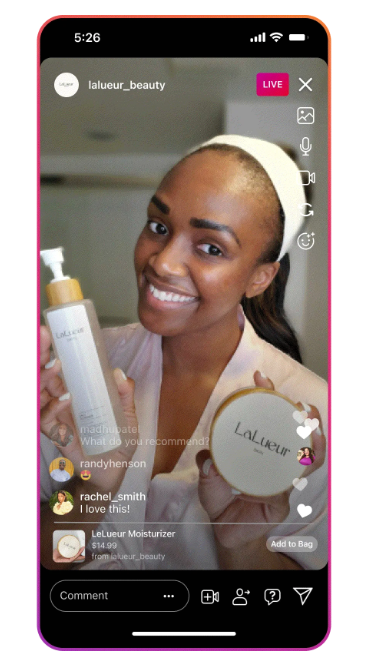
Something else that’s taking off is livestream shopping. And it’s genius.
Live shopping is becoming a major attraction for Gen Z shoppers and millennials, according to the Bazaarvoice Shopper Preference Report 2025. So if you’re targeting these two groups, definitely experiment with it.
This is where you demonstrate products in real-time video, so viewers can ask questions and buy instantly through integrated links. It blends entertainment with shopping. Think of it like a modern QVC.
(The report also states that nearly 80% of Gen Z and millennials now use social media as part of their shopping journey. 😮)
When you promote these events, let social media users know you’ll feature product demos, host a Q&A, and offer exclusive deals and freebies. This helps you capitalize on urgency and encourage real-time purchases.
Instagram Stories and other social feeds are perfect for teasing these events and highlighting shoppable posts that link directly to your products. 👗
My advice: Build content flows that blend discovery, interaction, and live-shopping conversions.
For example:
Test your social selling campaigns across TikTok, Instagram, Pinterest, YouTube, and emerging social platforms to build familiarity.
Keep your messaging consistent, but tailor it to each platform’s audience behavior. And remember to use beautiful imagery that’s native to each platform.
Let’s look at some more ways you can guide social media users from discovery to consideration to purchase.
Test these strategies to take users from discovery to purchase. 👇
Goal for this funnel stage: Brand awareness
At the top of the funnel, your focus is on brand visibility and product discovery.
Test:
➜ An impactful content strategy: Think behind-the-scenes moments and authentic stories
➜ Influencer collaborations to build social proof and user-generated content (UGC)
➜ Quizzes to engage users and collect data while introducing relevant products
➜ Hashtag challenges to spark engagement and get more eyes on your shop
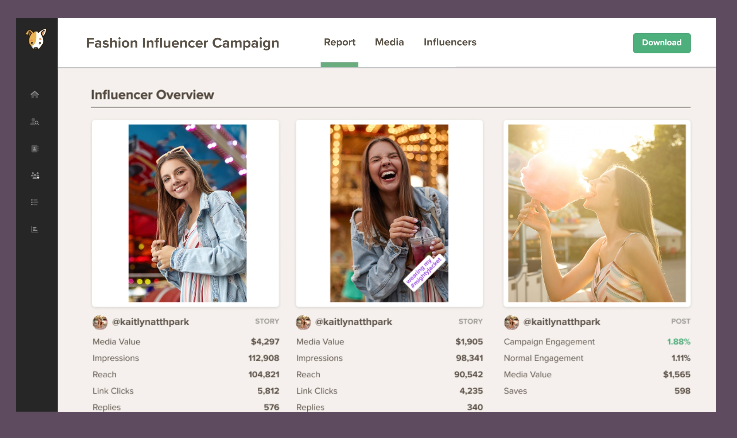
The idea here is to get noticed, build curiosity, and make your brand memorable.
If you’re in B2B ecommerce, you’ll need to build extra trust during the TOFU stage.
Since B2B buying is rarely impulsive, you’ll need to give users good reasons to visit a B2B e-commerce marketplace to shop for your products. Use lots of educational content that’s tailored to their top questions and prove your solutions with case studies.
Professional e-commerce design development can further support the TOFU stage by creating a trustworthy, easy-to-navigate marketplace where buyers can quickly understand your products and business.
The MOFU section below also includes great strategies to test whether you’re in B2B ecommerce.
Goal: Collect leads and nurture them
Now, you want to capture attention and turn it into ongoing relationships, and influencer collaborations can help reinforce trust while guiding prospects toward conversion.
Focus on collecting emails, names, and phone numbers so you can continue the conversation outside of social platforms. (And continue growing your lead list.)
Try these social media lead magnets to get them:
➜ Downloadable guides or how-to resources
➜ Exclusive webinars or mini-courses
➜ Discount codes or special offers
➜ Lookbooks or product catalogs
➜ Early access to new products
➜ Free templates or checklists
Then use email drip campaigns.
Segment your audience and send them personalized emails that gently nudge them to shop. (If they downloaded your Winter Styles Lookbook, it makes sense to email them a discount code for your latest winter line. Or to send them examples of how to style those pieces.)
Weave product ratings and customer reviews into your emails to continue reinforcing trust in your brand.
Influencer marketing also helps with middle-of-the-funnel prospects. Ask nano- and micro-influencers to host unboxing videos and share real clips of themselves using your products to increase purchase confidence. ♥️
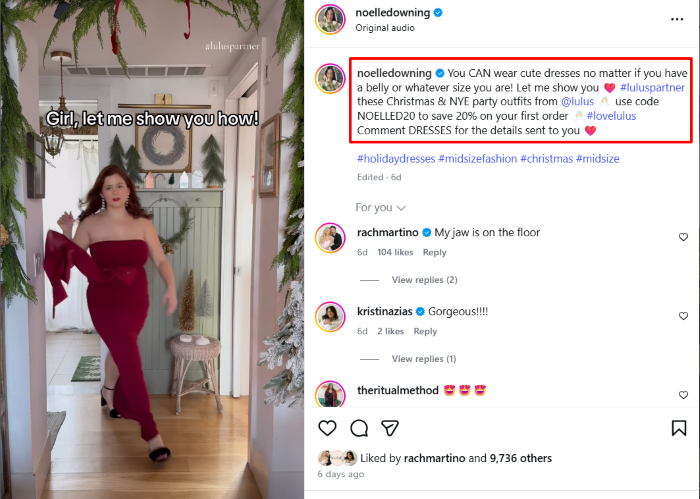
Goal: Sales and customer loyalty
In BOFU marketing, everything’s about conversion and retention.
Focus on ecommerce sales and customer loyalty campaigns using:
➜ In-app checkout and instant payment methods to reduce friction
➜ AI-assisted product discovery to surface the right items faster
➜ Customer loyalty points and rewards programs
➜ SMS campaigns to drive immediate action
➜ Quick customer support via chat
➜ Dynamic ads and targeted ads
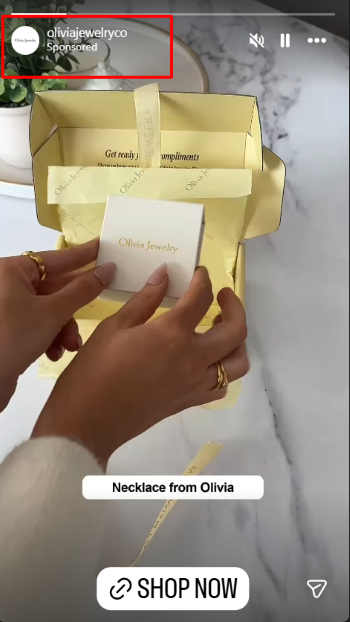
Many of the social selling strategies I mentioned earlier also work well for BOFU marketing. (E.g., Use live streams, and shoppable posts with product tags and direct calls to action to make it effortless for social buyers to move from feed to checkout.)
You also need to offer plenty of trust signals for BOFU leads — especially if you have a B2B ecommerce brand.
Capture honest reviews, publish case studies, and lean heavily on the specific end results using numbers and percentages. (For instance, “Company X increased conversion rates by 32% after switching to Z.”)
Your strategy isn’t complete without testing your marketing efforts as you implement them and measuring their performance.
For example:
➜ Use social listening tools to pull brand mentions and track customer sentiment.
➜ Use A/B tests to see which campaign versions gel best with social shoppers.
➜ And use analytics tools to track social commerce-specific KPIs like:
Duplicate what’s working and drop any budget-sucking campaigns.
*Pro-Tip: Feed this data into your customer database (your CRM) to support personalized marketing and inform future product development.
Social media in 2026 is a full-fledged ecommerce engine.
Test your strategies, track the right metrics, and adapt your approach based on real data. Social storefronts, shoppable posts, livestream shopping, AR try-ons, and integrated checkout all work together to make buying easy and engaging.
Don’t get hung up on likes or follows. Focus on nurturing followers into loyal customers and boosting your ecommerce sales in 2026! 🎇
PS: If you publish blog posts to WordPress to market your ecommerce business, you NEED Wordable. Stage and publish your blog posts in seconds.
Intrigued? Try Wordable Now.
What is social media ecommerce?
Selling products directly on social platforms using tools like shoppable posts, in-app checkout, and live shopping.
How does social media help ecommerce businesses?
It helps people find products, builds trust through reviews and creators, and drives direct sales.
Which social media platforms work best for ecommerce?
TikTok, Instagram, Pinterest, Facebook, and YouTube, thanks to built-in shopping tools and active users.
What content works best for social commerce?
Short videos, live shopping, customer content, product demos, and interactive features.
How do you measure social media impact on ecommerce sales?
Track conversions, clicks, order value, and repeat customers from social traffic.
What is live shopping?
Real-time product demos on video that encourage fast decisions and impulse buys.
Why is user-generated content important?
It feels real, builds trust, and often converts better than ads.
Can small businesses succeed with social media ecommerce?
Yes. Social platforms make it easier to reach the right audience without a big budget.
How do you prepare a social media ecommerce strategy for 2026?
Use native shopping tools, personalize content, stay mobile-focused, and engage in real time.
What challenges come with social media ecommerce?
Platform rule changes, privacy rules, fast trends, and connecting all sales channels smoothly.