


What makes people stop scrolling and actually buy? It’s not just great photos or catchy headlines. It’s the story your brand tells through strong ecommerce content.
It could be a quick how-to video, a customer review, or a thoughtful post on your ecommerce blog. Every word and image shapes how shoppers see your store. Great content builds trust and turns casual visitors into repeat buyers.
Let’s explore how top brands do it and how you can create content that sells.
Highlights
Ecommerce content is the language your brand speaks online. It’s everything that shapes how customers experience your store. From your homepage visuals to your ecommerce blog, video marketing, and even product reviews.
Strong content tells your story, answers buyer questions, and builds trust long before the checkout process. It includes:
Each of these touchpoints influences whether someone clicks the “add to cart” button.
Many brands use analytics tools to learn from user behavior. They track which pages visitors read, how long they stay, and what makes them convert. Then, they refine their content to match their customer preferences. In turn, this improves both engagement and the conversion rate.
These insights also help businesses determine what is a good ROAS (Return on Ad Spend) by showing which content and marketing efforts generate the highest revenue relative to advertising costs.
However, tools powered by artificial intelligence now take it further. AI helps marketers predict what online shoppers want next. It produces personalized product recommendations on websites and social media ads. Brands base these on the user’s browsing history.
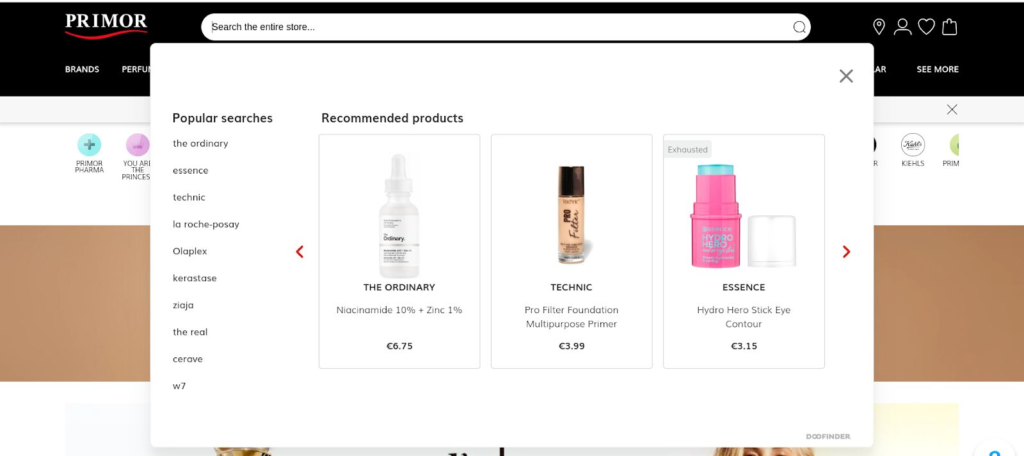
This tactic keeps brands relevant in a crowded market. It also helps them stand out with meaningful, helpful experiences that drive real results.
Once you understand what ecommerce is, the next step is using it strategically to grow traffic and sales. Great content helps attract visitors. But it also guides them through the buying journey and builds trust with every click.
Every piece of content has a specific job. Product pages are built to convert, while your ecommerce blog attracts people at the research stage. Tutorials, behind-the-scenes stories, and customer features keep them engaged even after purchase. Together, they create a cycle that brings users back again and again.
To make this happen, you need these three things:
A great example is Ocean Bottle. Their posts connect sustainability topics to their products, showing how each purchase helps clean the oceans. This approach resonates with online buyers who care about impact. It naturally improves engagement and conversion rate.
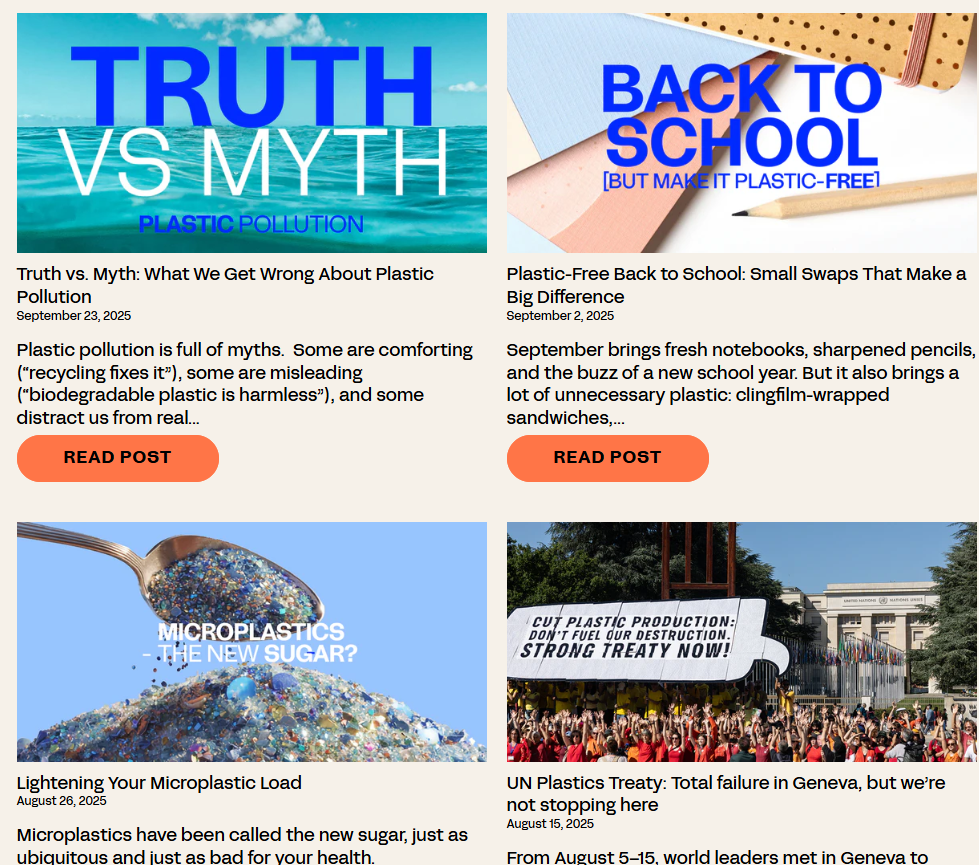
When you produce target topics that customers truly care about, you build a loyal audience that not only purchases your products but also returns for more.
Each type of ecommerce content plays a unique role in turning visitors into loyal customers. The seven examples below show how different content formats build trust, attract traffic, and drive sales.
Storytelling helps brands connect emotionally with their audiences. In ecommerce, stories that revolve around food, home, or lifestyle encourage readers to imagine products as part of their lives.
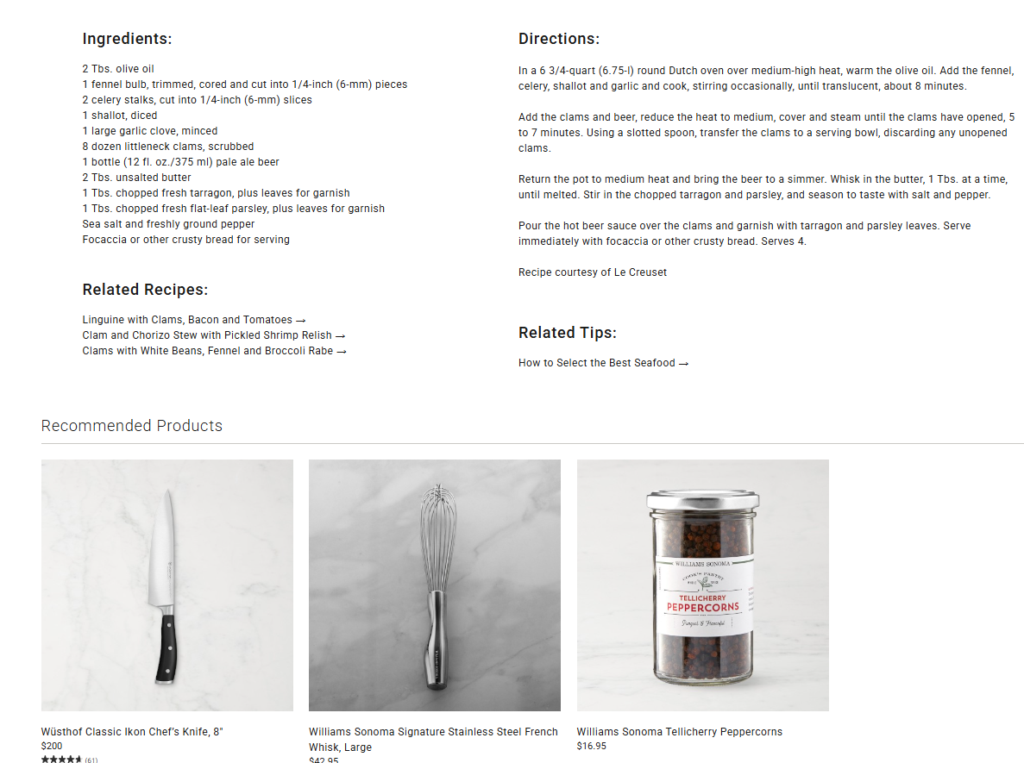
Recipe content works well because it offers something valuable while naturally featuring related products.
Williams Sonoma uses this approach effectively. Their recipe blogs inspire people to cook and showcase their cookware and ingredients. Readers get value first, which makes them more open to exploring products.
Personalized experiences make online shopping feel human. With AI and analytics tools, you can adapt content and recommendations based on user behavior.
Medallia’s 2023 report found that 61% of consumers are willing to spend more with brands offering customized experiences. Not only that, but 82% say personalization influences their brand choices in at least half of their shopping decisions. This indicates that shoppers value experiences that align with their tastes and behaviors.
Firmoo is one company that uses this type of ecommerce content. It uses an AI-powered virtual try-on tool that lets shoppers see how frames look on their faces in real time. This feature mimics the in-store experience. It also encourages customers to shop online.

Seeing a product in action helps shoppers imagine owning it. When you use storytelling in video marketing, you provide customers with a sense of how an item feels or functions before they buy. This kind of ecommerce content builds confidence and reduces hesitation.
BMW Group is a great example. Their short demo videos showcase features like the Panoramic iDrive display. These visuals invite viewers to explore the details of technology up close — sparking curiosity long before they enter a showroom.

Research-driven ecommerce content builds credibility and sets your brand apart as an authority. When insights are grounded in real data, readers view your message as valuable and worth sharing. It’s not only about numbers, but about translating complex information into stories that influence business decisions.
This type of content can include:
It tells your audience that you understand trends (like UX trends) and know how to interpret them.
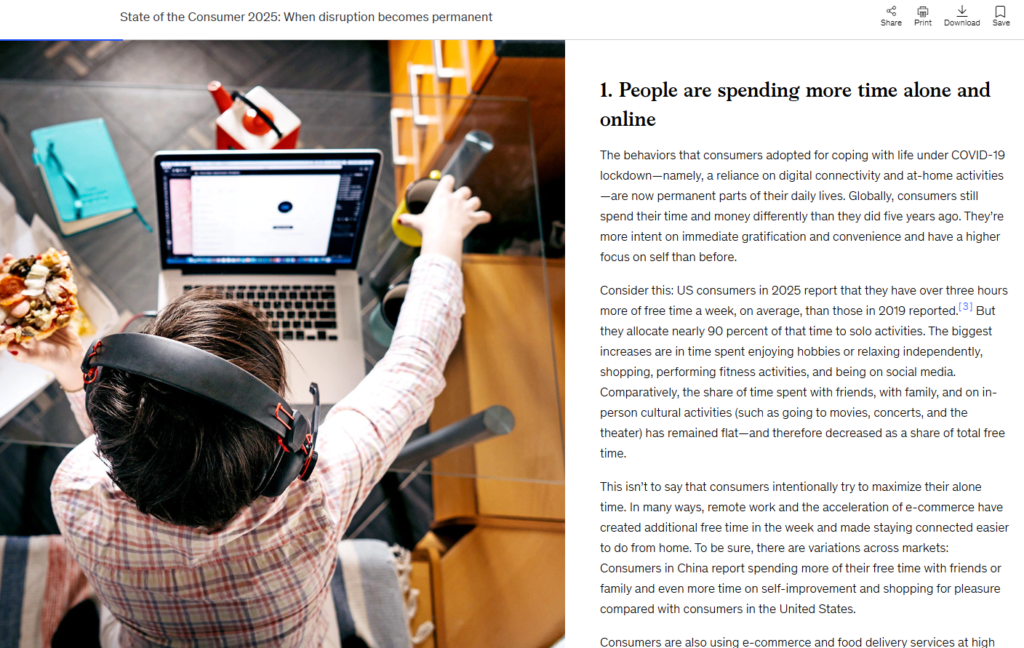
For their ecommerce and retail reports, McKinsey & Company uses deep analysis to find patterns in consumer behavior and digital growth. These findings influence strategy decisions across multiple industries. Their credibility comes from their commitment to providing high-quality data and transparent insights.
Educational ecommerce content helps you attract long-term, high-intent customers. It teaches rather than sells, offering value before asking for a purchase. When your brand helps people learn something useful, they begin to see you as a trusted authority.
This approach works especially well for niche audiences. These are groups with specific interests or needs. What you have to do is create tutorials, guides, or expert explainers. These allow you to connect with a focused segment of shoppers who are already searching for your solution.
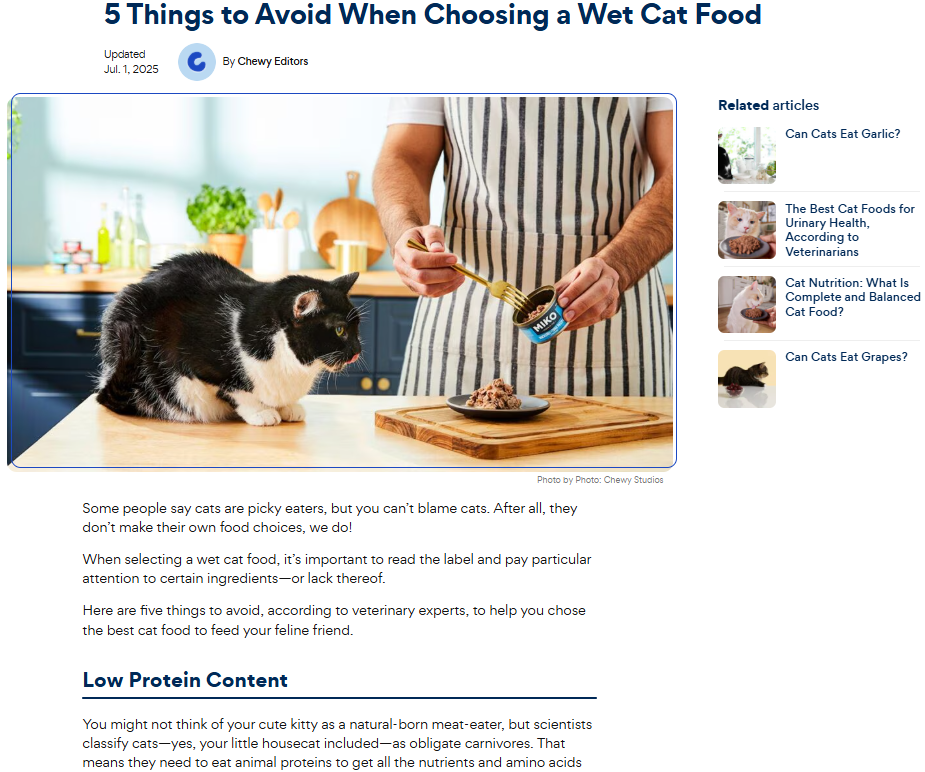
A good example is Chewy, an online pet retailer. Their blog includes educational articles about pet health, nutrition, and behavior.
They may post about choosing the right wet cat food, for instance. This would explain feeding habits, portion sizes, and vet-approved tips. This helps pet owners make informed choices. It also leads them to explore Chewy’s product selection.
User-generated content (UGC) is a powerful content marketing tactic for social media that brands use in their ecommerce campaigns. UGC includes:
All created by real customers, not the brand itself. This authenticity gives potential buyers the reassurance they need before making a purchase.
In fact, 65% of U.S. consumers and nearly 95% of Indian shoppers rely on UGC when deciding what to buy, as reported by Bazaarvoice. This proves that people trust real experiences far more than traditional marketing.
A great example comes from Glossier. It’s a beauty brand that has built an entire community around customer participation. Their website and social channels highlight photos and videos shared by everyday users (including content creators). Instead of photoshoots, Glossier focuses on real people showcasing their favorite products.
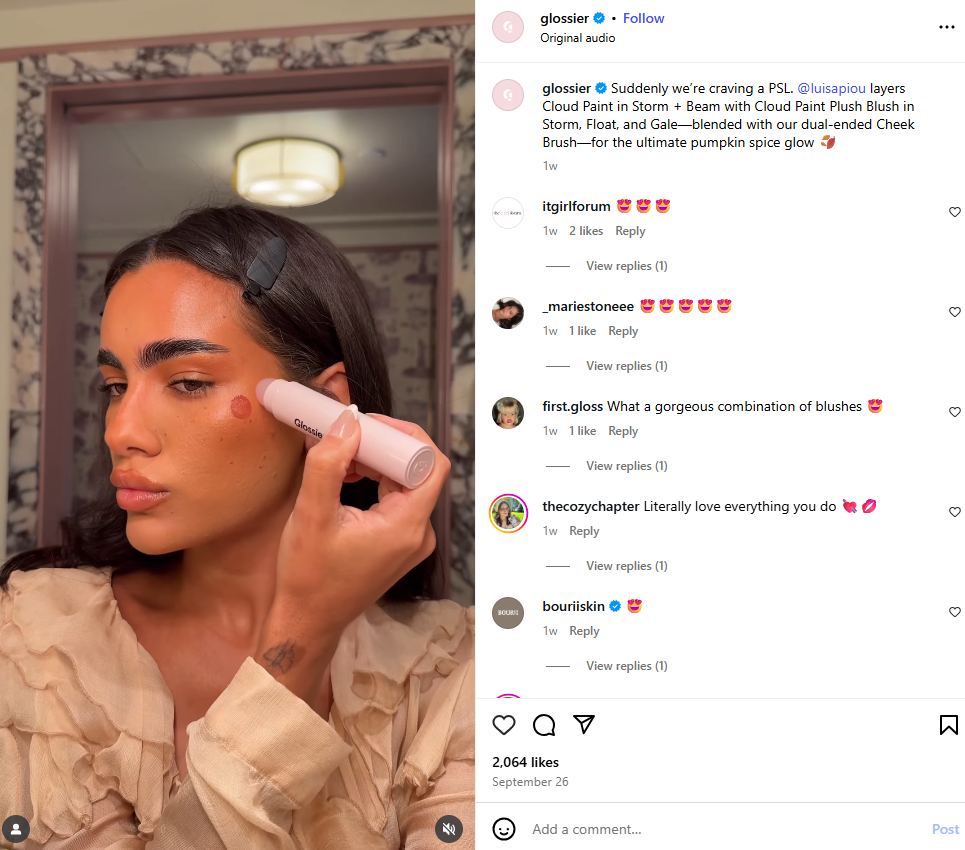
By spotlighting real customers, you create a sense of belonging. People love seeing others like themselves using and enjoying your products. It makes the shopping experience social, not transactional.
Optimized content ensures your brand stays visible as technology evolves. Voice search and AI-driven recommendations are shaping how people shop. And the way you structure your site today determines whether your products appear in smart assistants and AI-powered results tomorrow.
Modern search tools read and interpret text more as humans do. That means overusing keywords or writing robotic copy no longer works. Instead, brands must create content that sounds conversational while remaining structured for algorithms. For example, to boost text visibility in search, you can use clear headings and schema markup.
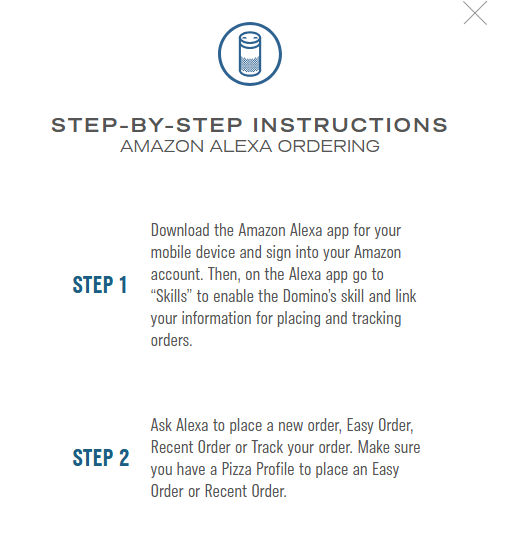
Domino’s Pizza is taking the lead here. The company invested early in voice-activated ordering. Customers can order through their mobile app using voice commands. Behind the scenes, this system relies on optimized content and structured data. It also has a deep understanding of how people actually speak.
Now that you’ve seen some examples of ecommerce content, let’s talk about how to apply those ideas to your own store. These steps will help you plan, create, and scale content that connects with your audience. And boosts sales.
Start with the numbers. Use ecommerce SEO tools (like Ahrefs) to track traffic, engagement, and conversion rate.
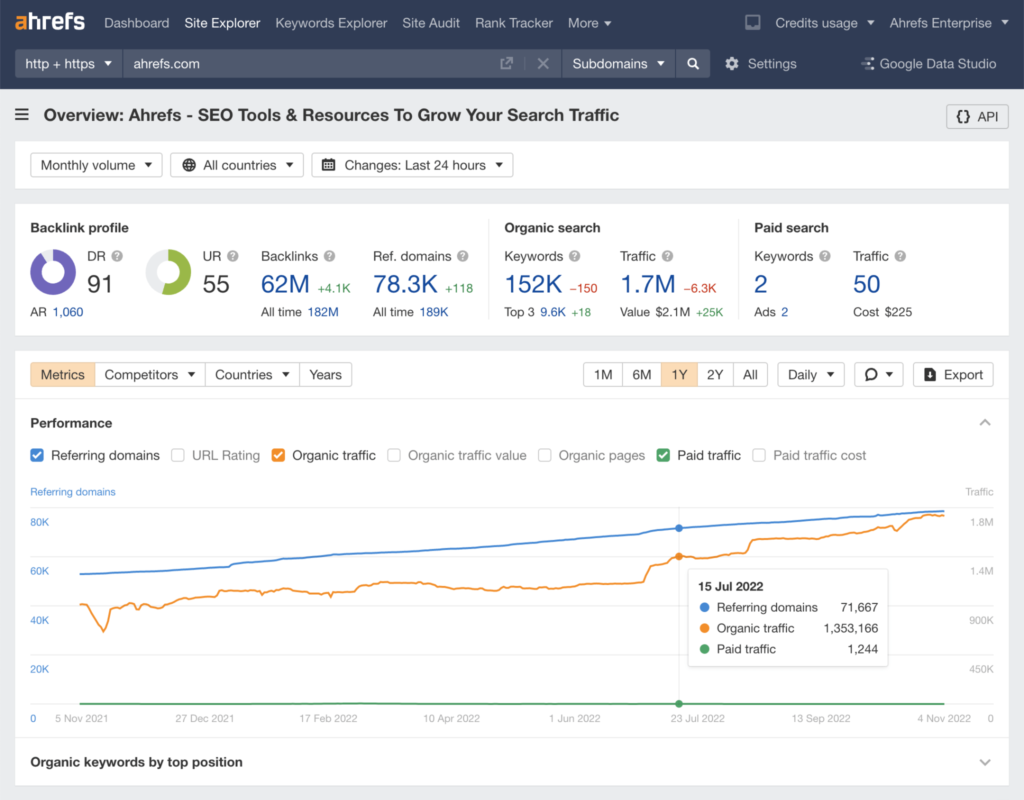
Look at user behavior. Which pages do people visit most? How long do they stay? And where do they drop off? These patterns reveal what interests your customers. And where your content may need improvement.
Turn these insights into action. Update or expand the content that performs best, and fix pages with low engagement. Over time, this helps you shape a smarter, data-driven content strategy.
Your ecommerce blog is your storytelling hub. Use it to share tutorials, guides, and customer stories. Post on a regular basis so visitors see that your brand is active and reliable. Write content around long-tail keywords to attract qualified traffic.
But don’t just write for algorithms. Focus on people first. In fact, to monetize it effectively, you need to build trust by posting valuable content. Focus on people first. Use simple, clear language, and address real questions your audience has. Offer helpful insights that naturally lead them toward your products.

Artificial intelligence can make your life easier. It can personalize product suggestions, segment your audience, and even automate content recommendations.
For example, use AI-driven recommendation engines to surface related products based on browsing history, and apply dynamic content blocks on landing pages that change based on user segments such as new vs returning visitors.

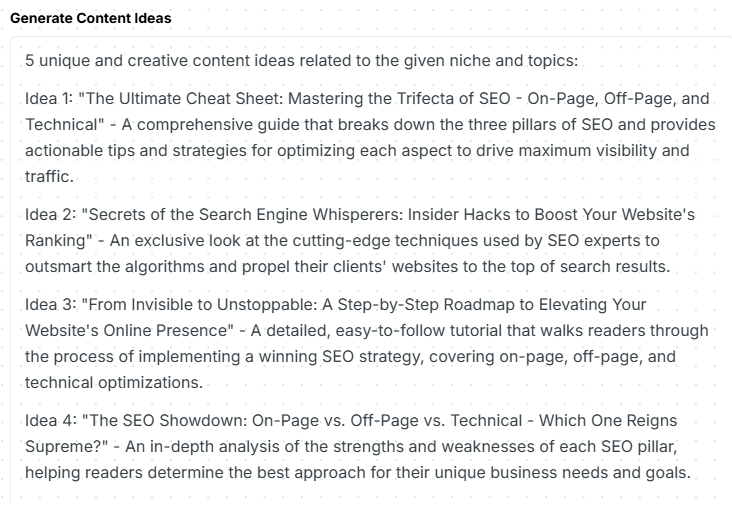
But remember: Automation supports storytelling. It doesn’t replace it.
Keep your tone human and relatable. Use AI to gather insights or generate ideas. But always review and refine them before publishing. That’s how you create personalized content that still feels authentic.
People trust what they can see. Use photos, videos, and product demos. These help consumers visualize your products in real life. Show how something works, looks, or fits. This improves user experience and reduces uncertainty.
Even short clips or simple how-to videos can increase engagement. Quality visuals make your content memorable and shareable.

Every shopper is different. Use data to understand what your customers like and tailor your content as needed. You can suggest related items, personalize landing pages, or adjust email campaigns. All this is based on what people interact with most.
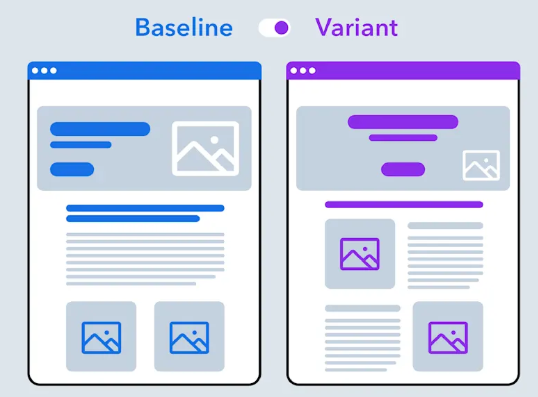
The more relevant your content feels, the more likely it is to convert. Personalization shows customers you understand their needs—and that builds long-term loyalty.
Powerful ecommerce content connects your brand with real people. From storytelling to personalization, every piece should guide shoppers closer to your products.
Keep your ecommerce blog updated, data-informed, and built around value. When you publish with purpose, you create a lasting brand experience.
Brands that treat ecommerce content as a system, not isolated assets, see compounding returns. Each blog post, product page, and customer story contributes to a feedback loop that improves both acquisition and retention over time.
Want to save time publishing your next blog post or landing page? Try Wordable. It lets you upload from Google Docs to WordPress in seconds. No formatting headaches, just great content ready to go live.