


You need an ecommerce content marketing strategy for product discovery if you want to validate product ideas before investing time, budget, and development resources. Without a clear discovery process, teams often rely on assumptions, build features too early, and miss what customers actually need.
This guide shows you how to find real customer needs before you write a single line of code. You will learn how to use content marketing for ecommerce, SEO, and product development to solve actual problems.
Reading this saves you from months of wasted effort. We dive into best practices like A/B testing and user research. You get a clear path to follow. It is about building smarter, not harder. You can expect to learn how to keep your business ahead of everyone else. By the end, you will know exactly how to turn a fuzzy idea into a product that flies off the shelf.
Highlights
Product discovery is about making sure you aren’t just making things up as you go. You want to know for sure that your ideas are worth the sweat before you start the heavy lifting.
In other words, it’s about finding out if a feature or a product is worth your time and money. You dig into market trends and find those deep customer pain points. It’s the only real way to find a path that actually works for your users.
Let us say you want to get into the Fortnite market and learn that Fortnite Spider-Man is a lucrative entry point. You might assume action figures would be the natural win, but discovery might reveal something different. Players may ignore physical trophies and, instead, invest in digital wares for their game.
This kind of insight helps you avoid wasting money on items that won’t sell. You want to stay agile and responsive to what the market is actually telling you right now. This kind of data helps an ecommerce business stay smart so that you won’t have boxes of old toys sitting in a warehouse gathering dust.
If you skip this step, you’re basically just gambling with your brand. You want to hit product-market fit without going broke. Your product strategy has to match what people are actually searching for on search engines, including high-intent and product-specific keywords. If you don’t do this, you might end up solving a problem that nobody even has, which would be a huge waste for your audience.
Creating valuable content is an important part of today’s business growth. It helps people find what they need without feeling like they’re being sold to. You want to be helpful first. Then you can think about the sale later on.
Content can help educate your audience. Create blogs, tutorials, or video content that answer common questions. This builds trust before the shopper even visits a product page, making your product discovery process feel much more natural.
For instance, for users looking for a live-edge wood table, you could write a detailed guide on choosing the right slab for your home office. Or you could explain how to care for wooden furniture to help it last. This type of content helps buyers choose the right product without a high-pressure sales pitch.

It guides the customer through their own journey. Plus, it really helps with your organic search engine optimization because you’re answering real queries (without paying for paid ads to appear in search results).
When you provide deep insights, you become an authority in your niche. It’s like being the person everyone goes to for advice. This position lets you gather user feedback through comments and shares. You can see which topics are most popular. (This acts as a form of market research for your next big launch.)
Imagine you’re selling office setups. You might talk about how to keep your back healthy while working. And people might ask about the weight limits of your stand desks. The questions in the comments are pure customer insights. They tell you exactly what your target audience is worrying about, what product descriptions need to clarify, and which customer stories could become content that resonates.
Remember that authority is a shortcut to trust. It makes it easier to launch a minimum viable product later, as your audience already trusts your voice. It also creates social proof that can help potential customers make better purchasing decisions. In fact, a 2024 PwC trust survey supports this connection, showing that 74% of consumers say fast, effective responses to their concerns are essential for building trust.
You need a solid plan to keep the building and the thinking from getting messy. Frameworks help your team stay sane when the work gets busy.
Imagine you want to start a new service. Instead of spending months on it, you use the lean startup methodology. You just make a small piece of it first to see if anyone actually signs up. This gives you research evidence without wasting your budget.
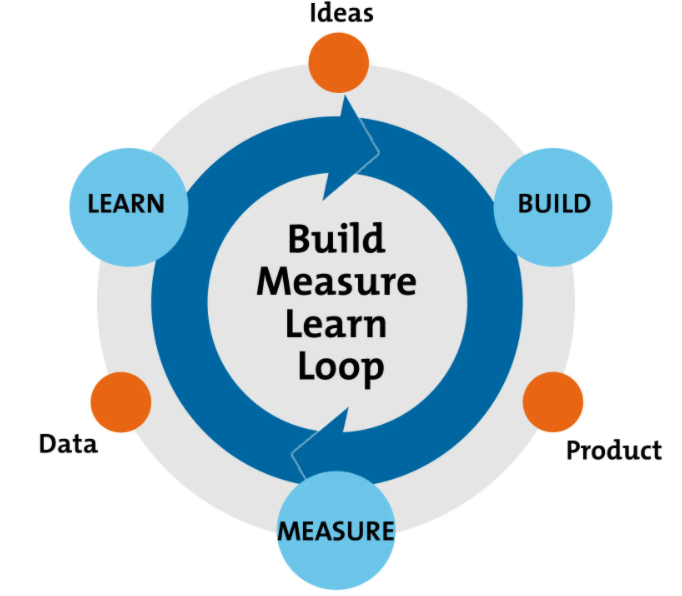
Then you look at things through your users’ eyes. This is where design thinking comes in.
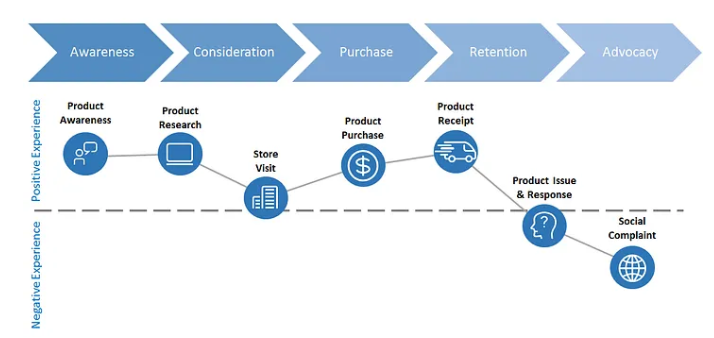
You review their customer journey mapping to see exactly where people get frustrated. Let’s say they find your checkout too slow. Fixing that helps you find market opportunities that your competitors are too busy to see.
Sometimes, building can feel like you’re on a treadmill. You’re running fast, but you aren’t going anywhere new. Dual-track agile fixes that. It splits the work into two paths. One path is for the big ideas and generative research, and the other is for the actual building work.
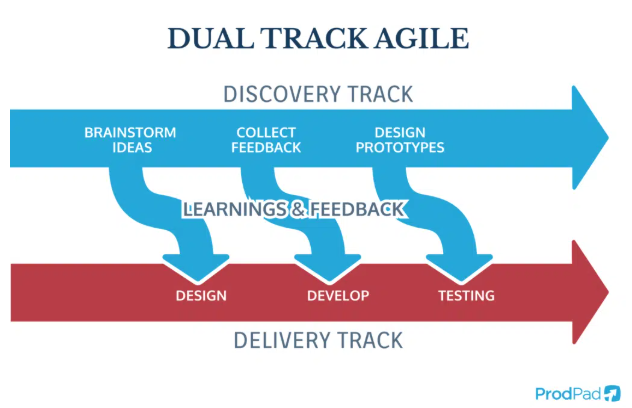
This keeps your product backlog from getting clogged with bad ideas. You build on stronger evidence rather than relying solely on assumptions. Then you use outcome mapping to stay on target. You don’t just ship new things for the sake of it. You try to change how people actually use your product.
Think about it like wanting your users to find what they need faster. You use experimental techniques to test that theory, which stops you from wasting time on things that nobody actually wants.
Here are the techniques you may use to get a full picture of your audience and their needs.
These methods work best when they’re tied to specific questions about your buyers, what they search for, what objections keep coming up, and which product details actually help them go from researching to buying.
Talking to your users is the fastest way to get inside their heads. User interviews help you understand the emotional side of a purchase and often reveal real customer needs. It’s the best way to find the hidden problems that most brands miss.
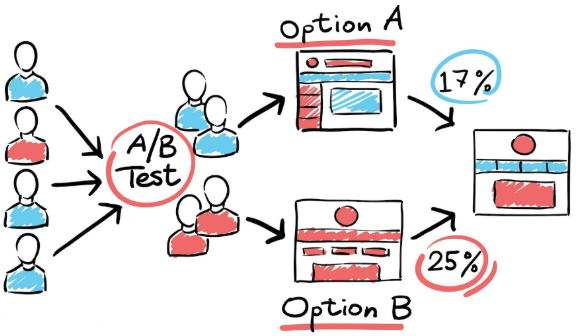
Then you have to test what they said to see if it holds up. A/B testing lets you compare two ideas to see which performs better. This helps you optimize for conversion and improve conversion rates before you commit to a major change.
For example, you might interview pet owners about a new type of organic dog snack. They might say they want healthy ingredients. Then you run a test on your store and show one group a “healthy” label and the other a “delicious” label. The data tells you which message creates genuine value, earns clicks, and drives stronger conversion.
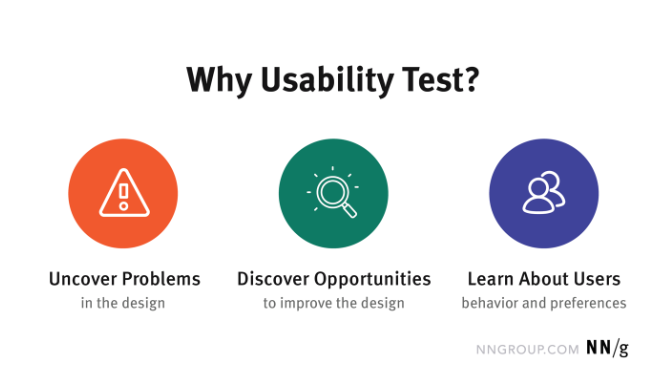
Usability testing involves watching a user interact with your product. You see where they get stuck or look confused. This provides important evidence for your design team, as it ensures your existing solutions are easy to use and intuitive.
You can also use feedback widgets to catch problems right when they happen. You can collect feedback from your store’s app or review help desk tickets. These tools let users tell you what’s wrong while they’re actually doing it. It turns app feedback into real customer insights that you can act on immediately.
It improves the shopping experience for everyone involved and helps turn satisfied shoppers into brand advocates.
Think about a business that sells high-end backpacks. You might watch a user try to find a bag’s dimensions. If they can’t find them easily, you check your support logs. You might see ten other people asking the same thing. This tells you that your product page needs a fix right now. It’s a simple way to improve your site and boost your sales at the same time. Your own support logs aren’t the only place shoppers leave feedback. Web scraping APIs can gather public reviews and questions from marketplaces and forums, giving you a wider view of the usability gaps customers mention about similar products.
Using the right tech can save you a lot of time and money during the learning phase. Let’s see how.
Knowing what your users do is the only way to stay ahead. Data helps you see the truth about your site. You can track exactly where people get lost, which features are a hit, and which are just taking up space.
You can also build things much faster now. Some tools let you make a model without writing any code, and you can test your ideas in a few days.
If a business wants to sell a new coffee maker, it can track how people move through their store. Then they build a quick mockup to test a new feature. This proves the idea works for their store before they hire a big team.
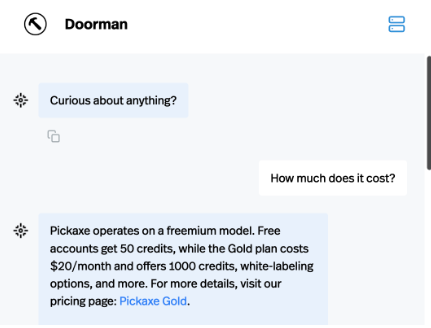
Smart tools can take the heavy lifting out of your daily work. AI bots are a huge help for modern teams. They can talk to thousands of people at once, answer questions around the clock, and quietly collect patterns in what users ask about or complain about. Over time, this creates a rich layer of insight your team can actually use, without manually digging through messages.
Those conversations can also shape content planning. If customers repeatedly ask about sizing, compatibility, delivery times, or product comparisons, those questions can become blog posts, buying guides, FAQs, or product-page updates.
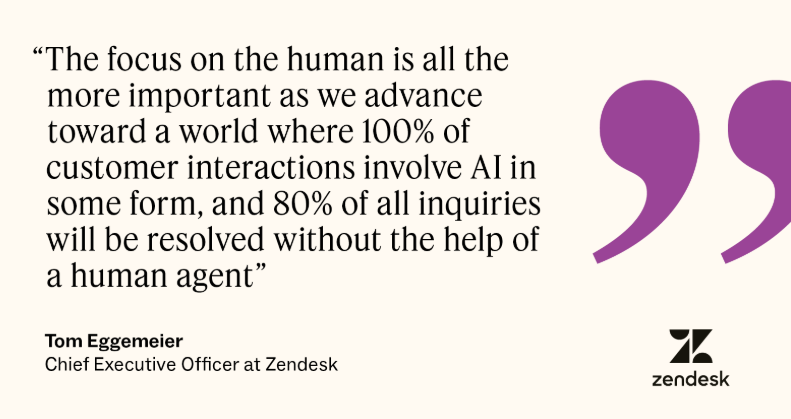
Zendesk reveals that 83% of customer experience leaders now agree that memory-rich AI agents are the secret. They’re the key to building truly personalized journeys for every user.
A lot of that also comes down to better AI search for ecommerce, where the site understands what a shopper means and surfaces the right item instead of making them dig through filters. For example, your website suggests types of coffee beans a customer might want to try after buying a coffee machine. This makes your site feel much more personal and makes shopping easier for the user.
Discovery isn’t a one-off project you can tick off your list. If you stop listening to your audience, you fall behind fast.
Your product strategy has to stay flexible. When new questions, behaviors, or trends emerge, you need to respond. Testing ideas through blogs or videos lets you see what resonates before you commit to building something bigger. It acts as a safety net, helping you learn early and avoid costly mistakes.
That is why discovery should sit inside the content workflow, not outside it.
An effective ecommerce content marketing strategy for product discovery is about reducing risk before you build. Instead of guessing what your audience wants, you use content, research, and real user signals to validate ideas early. That approach helps you focus on problems worth solving and products people are actually willing to buy.
The takeaway is simple. Put customer needs first, and let data guide your decisions. User interviews, A/B testing, usability feedback, and ongoing discovery give you a clearer path forward. When content becomes part of your discovery process, it stops being just a marketing asset and starts shaping smarter product decisions.
If you want to make content production easier once your strategy is ready, explore Wordable for practical ways to move polished Google Docs into WordPress faster, without losing formatting or slowing down your publishing workflow.