


More remote team building activities or better habits?
Many virtual teams try to boost morale by adding games, events, and check-ins. A few sessions seem energizing at first. Then, participation suddenly drops, calendars fill up, and the effort fades into the background.
When team building misses the mark, it becomes just another meeting.
It’s most effective when it supports how teams already operate. It reinforces communication, creates shared reference points, and fits into existing rhythms.
In this guide, we’ll break down remote team-building activities that help teams stay motivated, communicate more clearly, and build connections without adding unnecessary meetings.
Highlights
Remote working didn’t break teams. It just removed the padding.
There are no hallway chats to smooth over confusion. No quick desk drop-bys to reset tone. If something seems off, it tends to stay off longer.
By the time someone notices, a delayed decision has already pushed back another meeting.
This is easy to miss at first. It shows up as rework, quiet threads, and decisions that take longer than they should.
Over time, it wears people down.
The data shows it.
In the U.S., engagement has slipped. According to Gallup, only 31% of employees report feeling engaged at work. And 17% are actively disengaged. This marks the lowest engagement levels of the past decade.
In other words, most people are showing up, doing the work, and feeling loosely disconnected while they do it.
So, what’s the problem? Why are teams more disengaged than they’ve been in a long time?
McKinsey research shows that teams perform better when trust is present, communication is consistent, and everyone understands how their work supports shared goals.
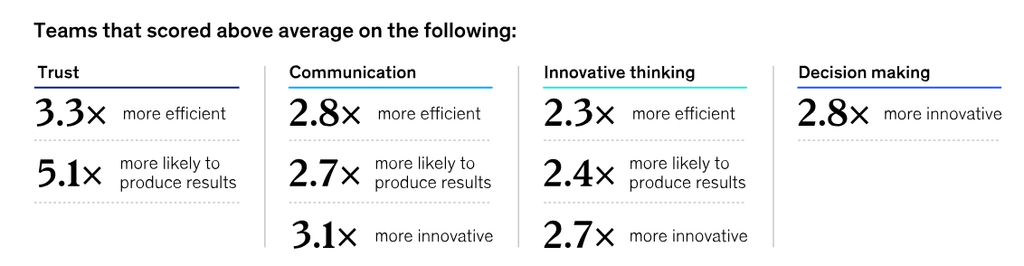
Remote team-building activities help rebuild those basics. Think regular async check-ins that uncover priorities. Short retros that call out where work slowed and why. Fun virtual meetings that make ownership clear and keep handoffs moving.
These are the moments that create shared context without adding calendar clutter. People know where to look for updates. Decisions seem less mysterious. Fewer things get duplicated or dropped.
It’s the difference between a remote or hybrid team that looks organized in a deck and one that actually moves forward day after day.
Think your team is engaged? Don’t know if remote team-building activities will add value? Conduct an employee engagement survey.
You can use questionnaire templates to capture feedback over time and determine if team building could be a helpful addition to your engagement strategy.
Virtual team-building activities have a bad reputation for a reason. Too many exercises are disconnected from how people actually work or socialize.
Below, we explore team-building events that make it easier for people to show up, interact naturally, and leave with a sense of connection that carries into the workday.
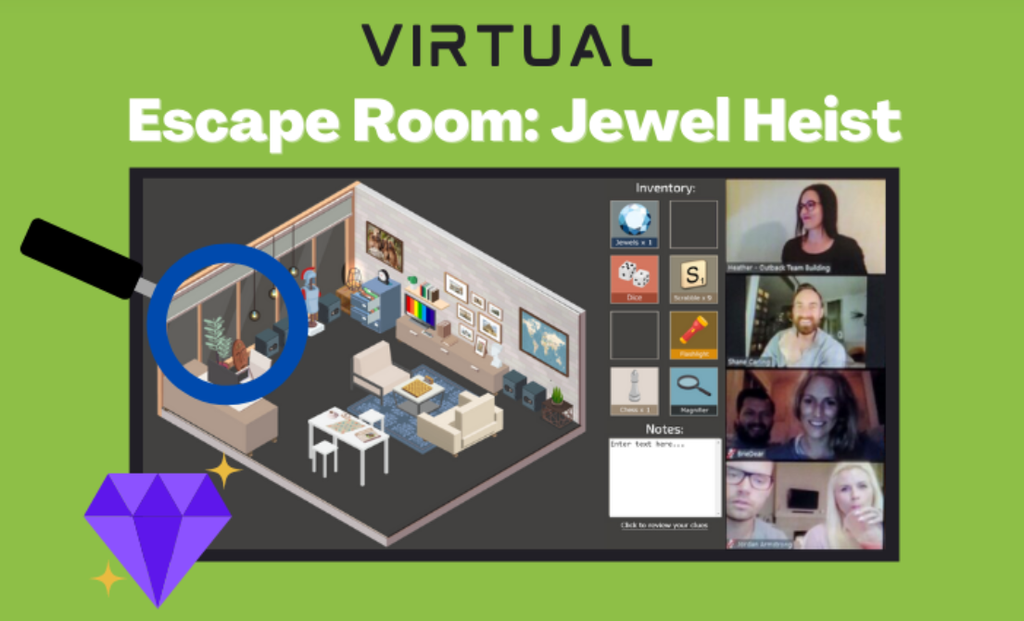
Virtual escape rooms are effective remote team-building activities because they give people something to focus on that’s neither work nor small talk.
You drop a group into the same problem, start the clock, and let them figure it out. People talk because they have to, not because they’re prompted to share.
Someone spots a pattern. Someone else keeps track of clues. Someone keeps the group aware of the timer.
It feels like collaboration without calling it that. It allows them to be fully engaged. And when it’s over, teams usually remember who showed up in ways they didn’t expect.
How it works:
Most virtual escape rooms are led by a live host who acts as the “Game Master.” They provide the storyline and hints and manage the digital interface.
Teams explore 360-degree digital environments, click on objects to find clues, and enter passwords into “locks.”
These usually last 60 to 90 minutes. It’s best to split large departments into smaller “squads” of 5–8 people to ensure everyone can contribute to the problem-solving.
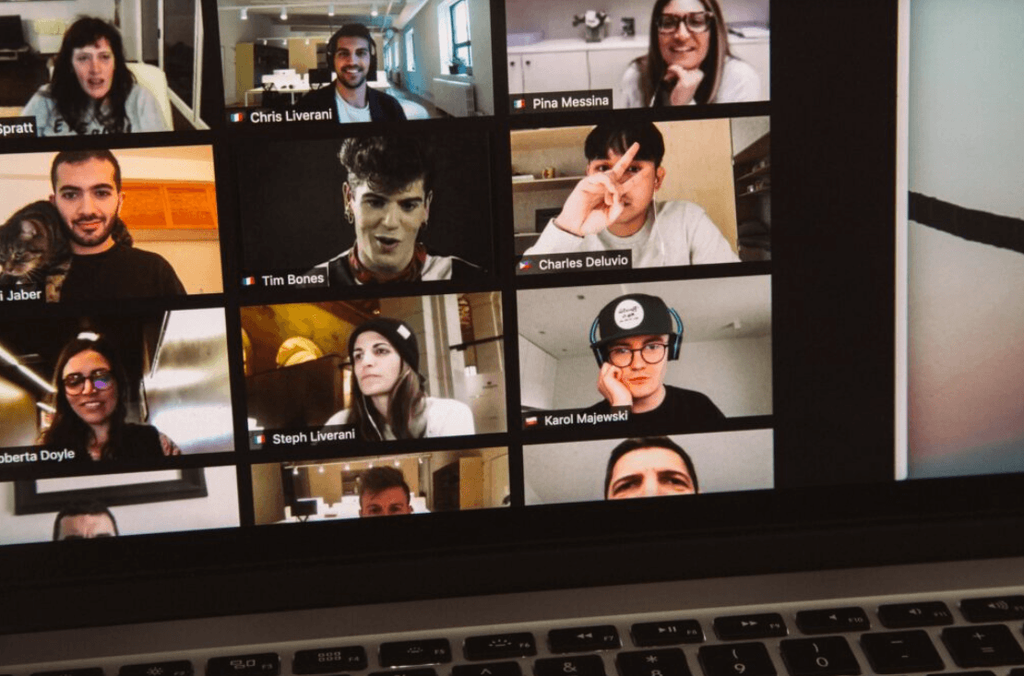
Virtual happy hours have a reputation, sometimes earned. The better versions are short, optional, and slightly imperfect. There’s no agenda, no “let’s go around the room.” Just a loose window to show up, talk if you want, and leave when you’re ready.
This lowers the barrier to casual connection. After that, it’s easier to send a message, ask a question, or jump into a conversation without overthinking it.
How it works:
Use Zoom, Google Meet, or Microsoft Teams. If you’re a larger team, consider video conferencing platforms like Gather.town or Kumospace, which allow people to “walk” around and have side conversations.
Send a calendar invite with a clear “Start” and “End” time. This prevents “Zoom meeting fatigue” and lets people know they aren’t committed to a three-hour marathon.
Remind everyone that “Happy Hour” doesn’t have to mean alcohol. Mocktails, coffee, tea, or even just a snack are all welcome.
Unlike a one-off game, a book club is a recurring event that builds deep, long-term connections. It’s perfect for teams that value intellectual growth, productivity, and meaningful conversation.
It provides a structured way for people to share their perspectives and values without the pressure of “forced fun.”
For remote teams, this works especially well because it gives people a shared topic to discuss over time, rather than relying on random small talk during calls.
How it works:
The team selects a book (professional or fiction), sets a 4–6-week reading window, and meets via video to discuss.
Use a dedicated Slack or Teams channel for live-reading reactions. This keeps the momentum going between meetings.
Think of this as dinner theater meets board game. It’s a highly immersive, role-playing experience that gets even the quietest team members involved.
Why do murder mystery team-building activities work so well? Because they shift the team dynamic. For an hour, your boss isn’t your boss. They’re a suspicious lounge singer from the 1920s.
How it works:
Each team member is assigned a “character” with a backstory, secrets, and a motive. One person is the murderer, and the group must cross-examine each other to solve the crime.
Encourage dressing up. Even a simple prop, like a pipe or a scarf, can help people “break character” and fully lean into the fun.

This is the ultimate get-to-know-you game. It’s perfect for new teams or for uncovering hidden “secret lives” of long-term colleagues.
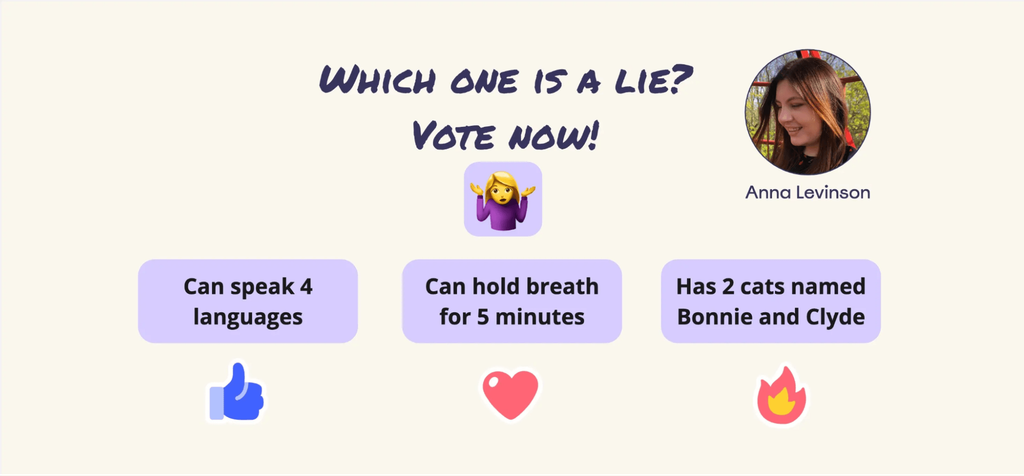
Two Truths and a Lie turns personal bios into a game of deduction. It’s a great way to discover that your quiet content marketing manager was once a professional fire breather or that your IT lead has met the Dalai Lama.
How it works:
Each participant comes up with three statements about themselves. Two must be true, and one must be a lie. The rest of your team debates and votes on which statement is the fabrication.
Have everyone type their “Guess” into the chat box at the same time (a “Chat Waterfall”) to prevent people from just following the crowd.
Encourage people to make their “Truths” sound unbelievable and their “Lies” sound mundane.
If your team feels sluggish or “Zoomed out,” Word Association works as a quick five-minute reset.
It removes the “filter” we usually have in professional settings. It’s fast-paced, generates some laughs when the associations get weird, and forces everyone to pay active attention.
That makes it useful before longer meetings because it helps people loosen up, listen closely, and re-engage before moving into work discussions.
How it works:
The host picks a “starting person” and a “starting word” (e.g., “Coffee”). The next person in the video grid must immediately say the first word that comes to mind based on the previous word (e.g., “Morning” → “Sun” → “Summer”).
In an office, you just point to the next person. Online, you need a clear order. Either follow the alphabetical order of names or have the speaker “pass the ball” by calling out the next person’s name.
Set a “Rapid Fire” rule. If someone pauses for more than 2 seconds, the round starts over with a new word.
This is a fantastic “brain-break” activity. It challenges the team’s focus and provides a quick, competitive spark without requiring anyone to get too vulnerable or performative.
It’s a “level playing field” game, you know, like those Google project management environments that prioritize shared access and visibility over hierarchy.
In Object Memory, it doesn’t matter what your job title is. Your short-term memory is the only thing that counts.
This makes the activity useful for remote teams because it creates a low-pressure moment where everyone can participate equally, regardless of role or seniority.
How it works:
The host shares their screen showing a collage or photograph of 15–20 distinct, random items (e.g., a stapler, a rubber duck, a specific book, a houseplant).
The team has exactly 60 seconds to study the image. The host then stops sharing, and participants have two minutes to type as many items as they can remember into a private message or a piece of paper.
For a more interactive version, show a picture of a colleague’s actual desk (with their permission) and have the team try to recall the items on it. It’s a fun way to celebrate a team member’s personality.
To increase the difficulty, ask specific questions afterward instead of just a list. (e.g., “What color was the coffee mug?” or “What time was shown on the watch?”)
Meeting Roulette or virtual coffee chats are the antidote to siloing. In remote work, in the name of streamlining workflows, we often only talk to the people we have to talk to. This activity ensures the social fabric of the entire company stays intact.
It replicates the “hallway serendipity” of a physical office. These casual 1-on-1s often lead to the most creative cross-departmental ideas and help remote employees feel like they’re part of a community, not just a task list.
How it works:
Using an automated tool or a simple spreadsheet, team members are randomly paired once a week or once a month for a 15–30-minute non-work video call. The only rule? No talking about active projects.
Use a tool like Donut (for Slack) or Lunchable to automate the pairings. These tools can even suggest “conversation starters” to help the duo get past the initial small talk.
Keep it “Opt-In.” Nothing kills the vibe of a social chat like feeling forced to do it during a deadline-heavy week.

This is one of the easiest activities for getting people out of their chairs. It turns the home into a work-from-home playground.
It breaks the static nature of video calls. It also gives teammates small personal details to remember, which can make future conversations feel less transactional.
Seeing a teammate’s favorite 10-year-old hoodie or their weirdest souvenir makes the team feel more like real people and less like icons on a screen.
How it works:
The host calls out an item or a prompt (e.g., “Find something that smells good,” “Something you’ve had since childhood,” or “A kitchen utensil you never use”). Participants have 30–60 seconds to run, grab the item, and show it on camera.
Award points for speed, but also give “Style Points” for the most creative or funniest interpretation of the prompt.
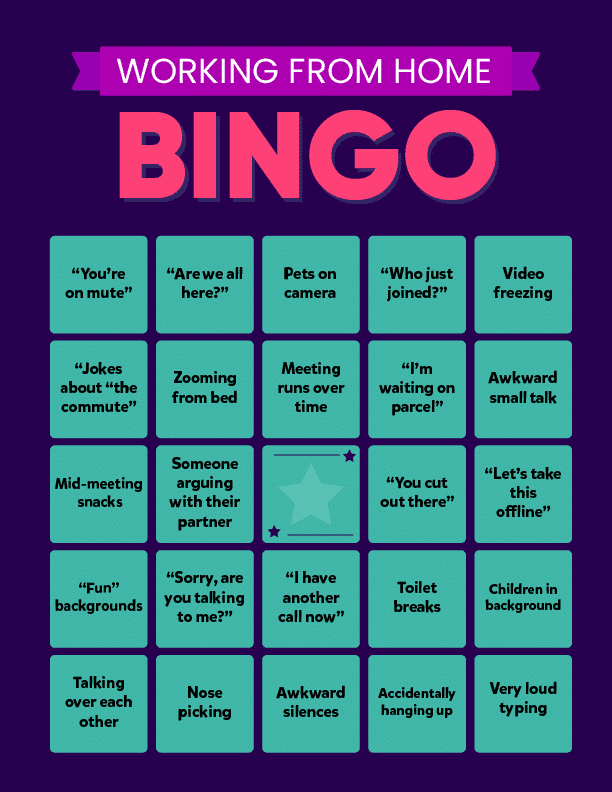
Bingo is a classic game for a reason. It’s easy to play while multitasking or during a presentation, and it keeps everyone’s eyes on the action.
Virtual team building Bingo turns the common frustrations of remote work (like tech glitches or interruptions) into a shared joke. It builds a “we’re in this together” mentality.
How it works:
Each team member gets a digital Bingo card. Instead of numbers, the squares contain common remote work occurrences (e.g., “Child/Pet appears on the screen,” “Sorry, I was on mute,” “Is [Name] here yet?”, or “Wearing pajama bottoms”).
Use a free online generator like MyFreeBingoCards to send unique links to every participant so everyone has a different layout.
Whether you’re solving a high-stakes Murder Mystery, laughing over Two Truths and a Lie, or simply getting to know a colleague through Meeting Roulette, these remote team-building activities serve a vital purpose. They help bridge the gap between physical distance and human connection.
So, pick an activity, set the date, and watch small moments of connection build into a more cohesive remote team culture.
Building a great team culture takes time, and so does keeping team content organized. If your team uses a company blog to share updates, publish internal resources, or document team initiatives, the publishing process should not slow that work down.
If you’re managing a company blog or sharing team updates and find yourself frustrated by the copy-paste shuffle from Google Docs to WordPress, there’s a better way.
Try Wordable today to automate your publishing workflow.