


Workplace stress is one of the leading drivers of burnout in the U.S. In fact, one in four Americans experiences it by age 30, according to a recent snap poll from Talker Research.
When you’re running a marketing team, deliverables never stop. On top of that, your team needs cohesion to continue producing and scaling their work.
That’s why it’s vital to design your systems, workflows, and leadership habits around human capacity.
In this guide, I’m covering what burnout is, why it’s important to avoid burnout, and eight ways you can prevent burnout on your marketing team while still scaling productivity. 👇
Burnout means emotional, mental, and physical exhaustion caused by prolonged work-related stress. It might show up as declining motivation, detachment from work, reduced performance, and persistent fatigue. 😴
The World Health Organization defines job burnout as a syndrome resulting from chronic workplace stress that is not effectively managed. It is characterized by emotional exhaustion, mental exhaustion, and reduced professional efficacy.
In practical terms, burnout symptoms often include:
Sustained stress reduces cognitive flexibility, according to research supported by the National Institute of Mental Health.
(You know … the exact capability your marketers need for positioning, experimentation, and cross-channel thinking.).
This might look like:
Chronic job burnout may also lead to absenteeism, turnover, and long recovery cycles.
Left unmanaged, burnout can disrupt work-life balance, reduce academic performance in school settings, and even affect patient safety in healthcare environments.
Nurse burnout, academic burnout, and compassion fatigue are well-documented examples of how sustained workplace stress impacts both performance and well-being.
From a leadership standpoint, burnout prevention leans on capacity management and smarter energy allocation.
Here are eight strategic examples of this.
Here’s how to design your marketing environment so performance grows without draining your people. 👇
Understand where your team members currently are on the burnout scale.
Run a quick pulse check with a scale like this:
0 — “I feel completely drained and struggling.”
1 — “I’m stretched thin and overdue for recovery.”
2 — “I’m functioning, but it’s heavy.”
3 — “I’m steady with occasional pressure spikes.”
4 — “I feel energized most days.”
5 — “I’m operating at full capacity and in flow. I feel good at work.”
According to your team members’ scores, offer custom support.
For example, if they score …
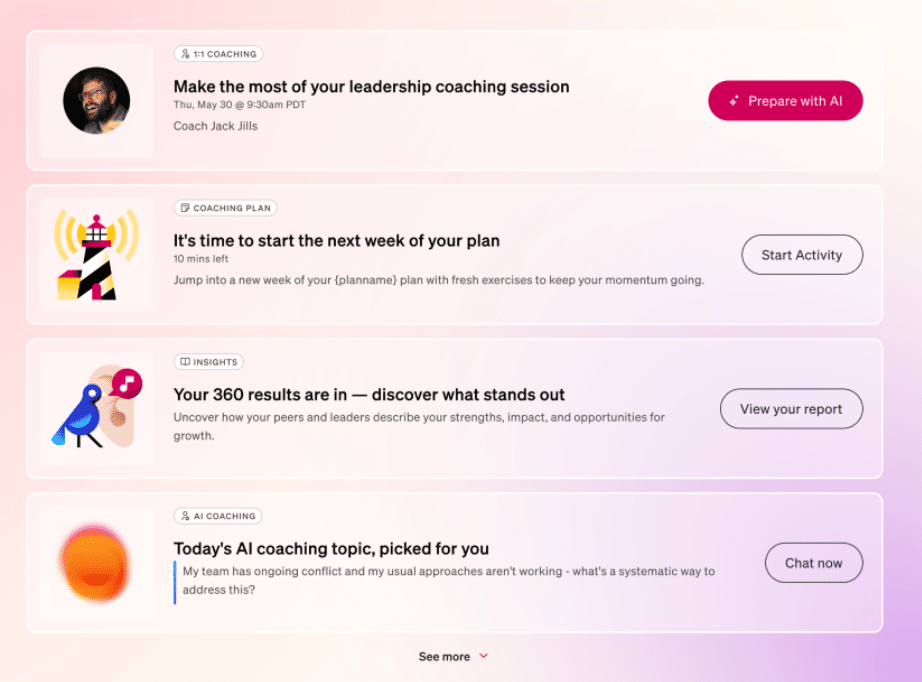
0–1: Have an immediate conversation. Talk about adjusting schedules, taking time off to reset, and exploring specialty support or coaching.
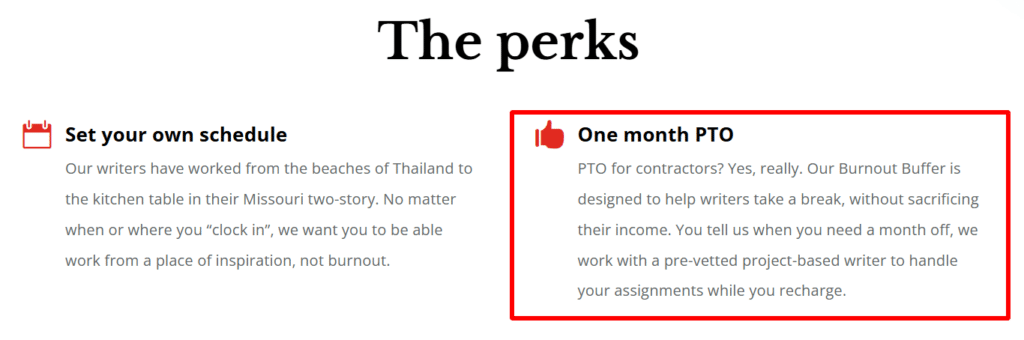
2: Have a recovery-planning conversation. That may mean taking time off or focusing on projects with less demand for a while. Some marketing teams also offer a one-month burnout buffer to their team members that they can take at any time, once a year.
3: Schedule maintenance check-ins and offer stress management resources. (Think journaling prompts, mindfulness meditation, and deep breathing.) You might also think about offering monthly maintenance coaching.
4–5: Ask which habits and processes are helping them feel energized. Document these and see if you can share and adapt them so the rest of the team can realistically copy what’s working.
This process normalizes mental health conversations and shows that you truly care about your team members’ well-being. (That is … if you follow through on the support piece. ♥️)
Teach your team how to spot and shift patterns that drain their energy.
Consider bringing in a career coach or using a coaching platform to help with mental health workplace training.
Here are some examples of what your trainings could cover:
Have employees track when they feel energized versus depleted throughout the day.
(Make a simple daily energy tracking sheet in Google Docs or Canva.)
Ask them to use it to note:
After a few days, review the patterns together so they can see which types of work energize them, and where burnout triggers tend to cluster.
This helps them plan high-focus work during strong energy windows instead of pushing through exhaustion.
Build a short reflection rhythm into the end of each week.
Encourage employees to ask themselves:
Look and learn from the patterns together. For instance, if deliverables are due on Wednesdays when meeting days are heavy, it’s time to rethink that approach. Choose ONE. Wednesday can be a deliverable deadline day OR a meeting-heavy day. Never both. 🙃
Encourage team members to set boundaries to protect their energy, focus, and well-being at work. During training, ask them to pick two non-negotiables that can help prevent burnout.
Some examples include:
Note: Managers need to normalize these guardrails so they become part of team culture … not something employees feel guilty maintaining.
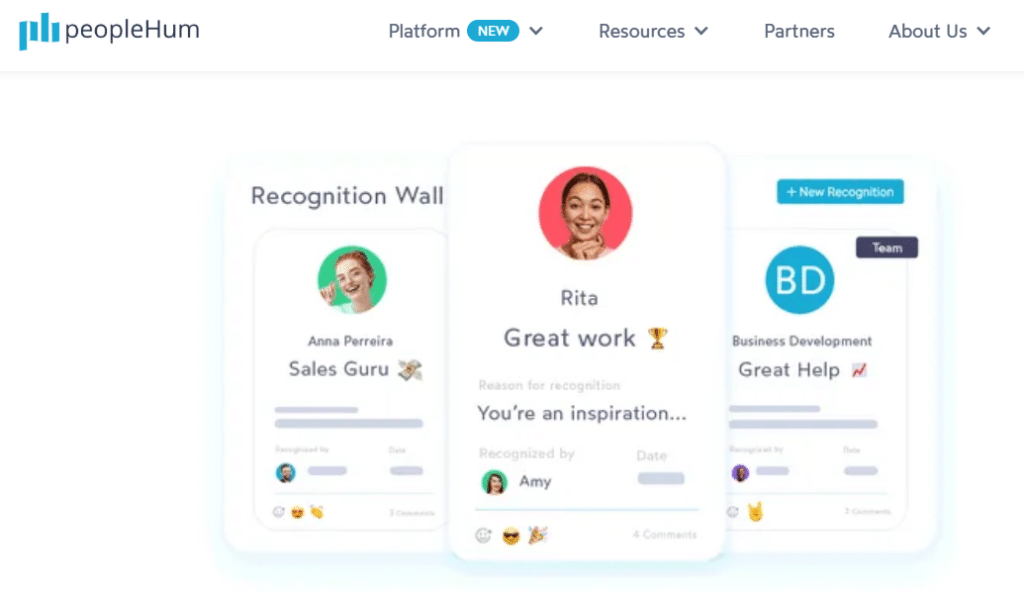
Try different employee engagement strategies to give your team members a daily motivation boost. Track what works best and make these a habit. Remember, team members WANT to feel good working with you.
Some practical examples include:
Break projects into clear milestones and bite-sized assignments that everyone can see and act on.
This keeps execution moving forward without the overwhelm.
Use a tool like Beamible to map each step, assign responsibilities, and track completion so work feels more manageable.
Hitting these smaller targets can help reduce mental strain and lower burnout risk while maintaining momentum toward bigger goals.
For example, instead of planning an editorial calendar in a single five-hour meeting, break it into smaller steps your team can tackle across the week.
For instance:
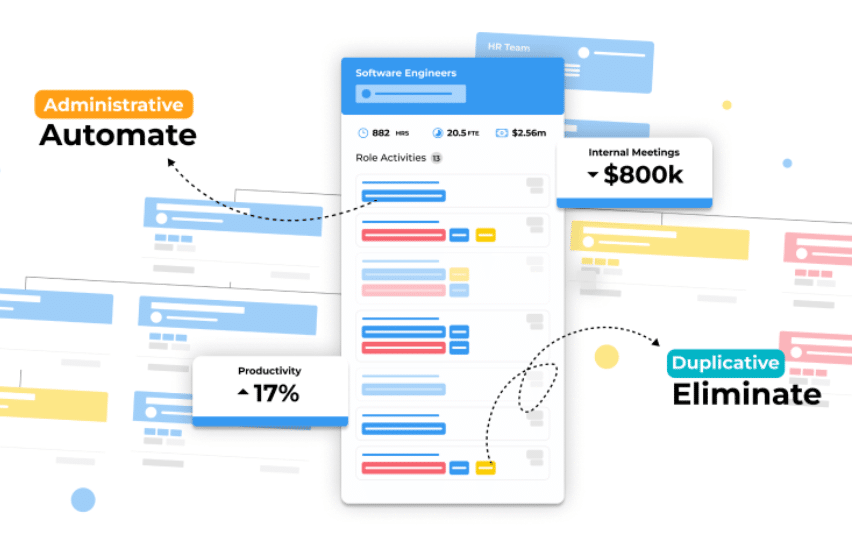
Streamline repetitive publishing and project management tasks with tools wherever possible.
For example, Wordable helps marketing teams publish blog content from Google Docs to WordPress in seconds. This eliminates annoying formatting tweaks and speeds up publishing — which frees up your team’s cognitive energy for strategy.
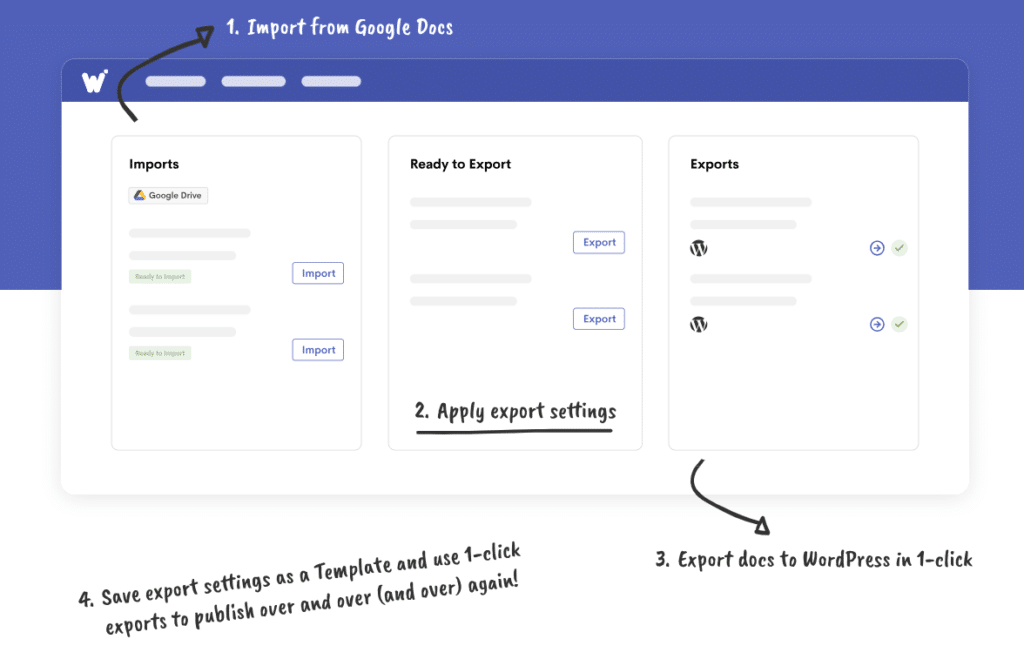
Some other helpful tool examples include:
Emphasize that these breaks should be scheduled intentionally to ensure they actually happen.
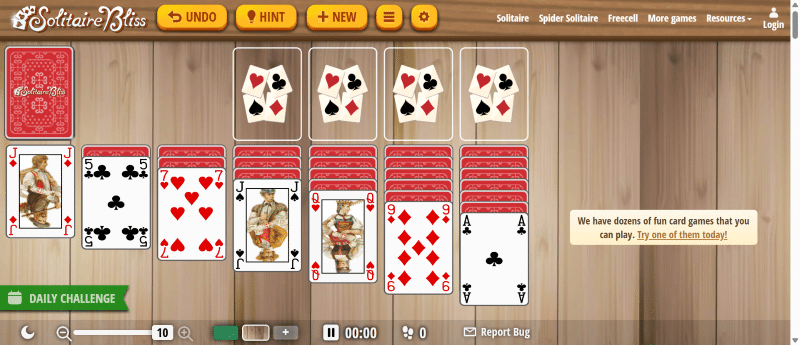
Give your team members examples of what they can do to unwind during their mini breaks. (Like going for a short walk, playing a fun online game like Solitaire Bliss, reading a chapter from a good book, or taking a few minutes just to breathe in silence. 🧘♀️)
That last one is my personal fave.
Share time management methodologies. Ask your team members to test these frameworks and to find ones that best match their working styles.
Here are some examples:
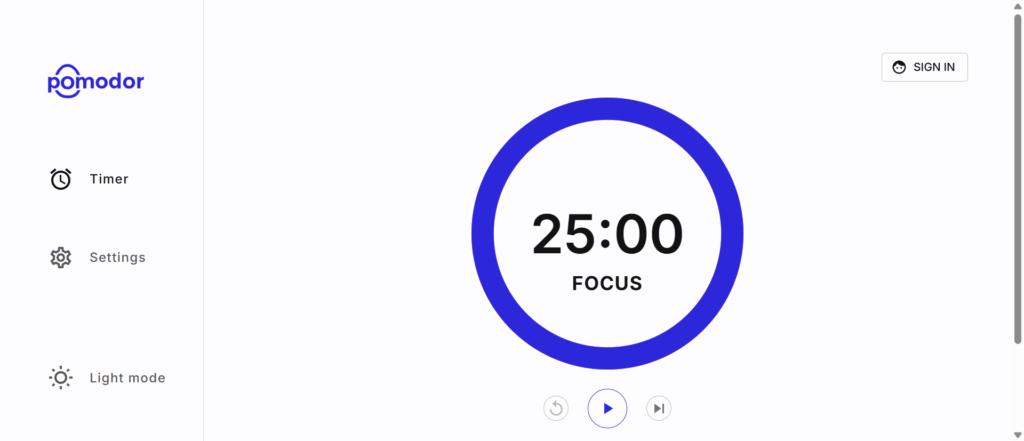
You can also give them access to apps that can help them stay on track when trying a method.
For example, you might encourage them to use a PC timer app for Windows to track their computer time during time boxing.
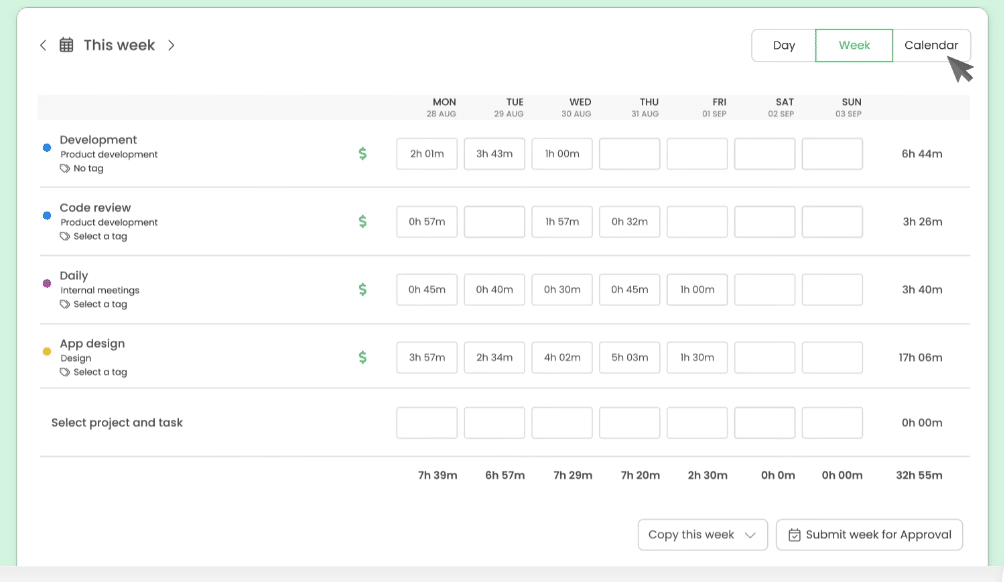
Or you might use a time tracking tool that can record their screen activity. (While some organizations use these to spy on their employees 🙃 you can use them to help team members uncover inefficiencies in their work.)
For instance, Clockly’s time tracker can show your team members how much time they’re spending on each task, which tasks were completed, and where delays occurred. They can also see if they might be lingering too long on specific web pages and applications.
If you’re really ambitious, consider bringing in a productivity coach. They can pinpoint bottlenecks and help your team capitalize on strengths, streamline workflows, and adopt practical time management habits.
When your team plans, prioritizes, and sets boundaries, it’s easier to stay on top of work, take proper breaks, and avoid feeling constantly drained.
Give your team members projects that energize them.
Some team members might shine at big-picture SEO strategy — others may thrive with social media content creation.
Use regular 1:1s to uncover their natural strengths, the kinds of problems they enjoy solving, and the work that keeps them motivated. Shifting assignments to match those strengths can help your marketing team perform better and cut down on unnecessary stress.
(Plus, who doesn’t want to work on tasks they enjoy?!)
With intentional systems, smart energy management, and a few practical habits, you can keep your marketing team performing at its best without draining them.
Remember: When your people feel supported and energized, your results follow.
Psst … do you publish blog content often? I just saved three hours with Wordable. Try it out for yourself now!
What exactly is burnout?
Burnout is emotional, mental, and physical exhaustion from prolonged work stress. You might notice symptoms like constant fatigue, reduced motivation, brain fog, irritability, and even cynicism toward work. It’s not a personal weakness — it’s a response to unmanaged stress.
Why should I care about preventing burnout?
Burnout kills creativity, slows decision-making, and leads to absenteeism or turnover. When your team’s burned out, they stop experimenting, default to safe plays, and can’t perform at their best.
Smart energy management keeps productivity high without draining your people.
How can I tell if my team is at risk?
Run a quick burnout pulse check. Ask them to rate their energy from 0 (“completely drained”) to 5 (“fully in flow”). Follow up with tailored support. (See my examples up above in section one.)
What practical tips can help prevent burnout daily?
Try these practical tips to prevent burnout daily:
Are there any tools that can help?
Absolutely. Tools like Beamible, Wordable, or Clockly make repetitive work faster, track task efficiency, and free up mental bandwidth for higher-value work.
Google Docs and other Google apps are also helpful for organizing documents and work.
Should I invest in training or coaching?
Burnout prevention training and productivity coaching can be very helpful. They teach your team how to spot energy drains, build protective habits, and plan work around their natural rhythms.
How do I keep scaling productivity without burning people out?
Break projects into visible milestones and small assignments. Track progress, celebrate micro-wins, and shift work to match individual strengths. Use tools and routines to reduce mental load. And always keep energy management front and center.