


Search isn’t what it used to be.
Most people don’t just scroll through links anymore. Instead, they ask ChatGPT, Perplexity, or Google AI Overviews for a quick answer. These tools pull facts right onto the screen. It’s fast for the user, but it means websites lose out on clicks.
If you run a business, you need a new plan. Standard SEO isn’t enough. You have to optimize for these new answer engines. This process is called answer engine optimization (AEO).
In this guide, we’ll look at:
Highlights
Answer engine optimization (AEO) is a strategy to make your content the top choice for AI. It focuses on how machines read and use your data.
You want AI systems to understand your facts, trust your brand, and cite your site as the source in their answers. It’s about being the clear winner for a specific prompt.
You see these tools everywhere now.
Google AI Overviews, ChatGPT Search, and Perplexity change how we find facts. Even voice assistants and browser apps use them.
Users get what they need without clicking on a single website. This is a big change. In fact, StatCounter market share data reports that ChatGPT leads the global AI chatbot market.
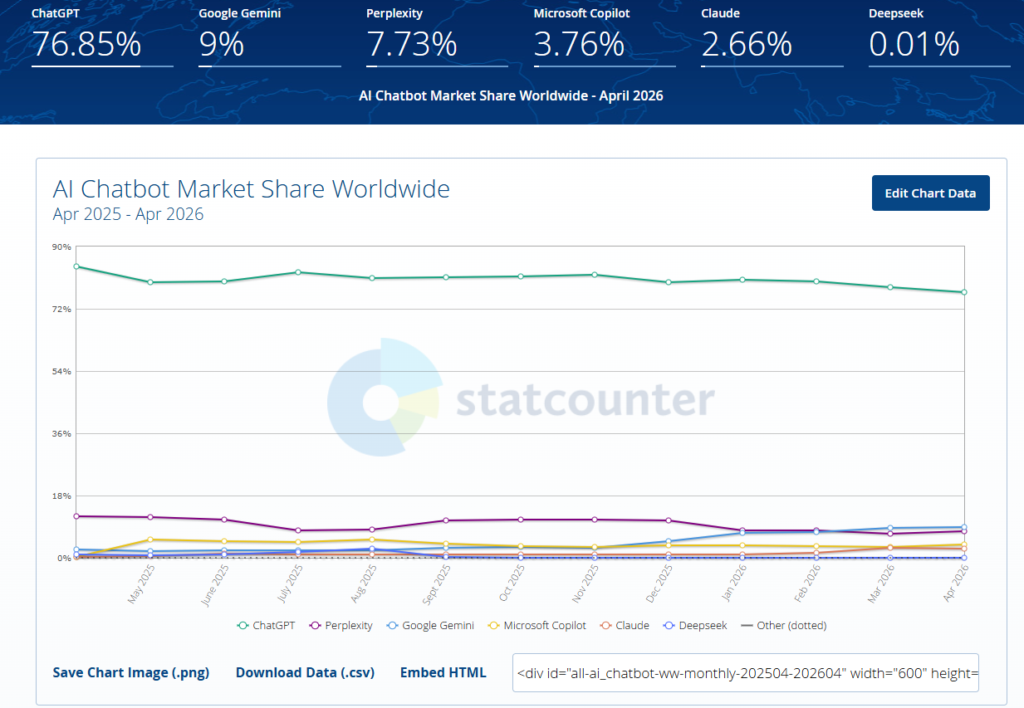
Brands want visibility inside AI-generated answers before competitors take those spots. Traditional click-through rates continue to decline as more users find answers without visiting websites.
There’s also a first-mover advantage. Companies that build strong AEO strategies now may gain more visibility as AI search grows. Google’s Q2 2025 earnings call says AI Overviews already reaches over 2 billion monthly users across 200+ countries and territories.
AI tools don’t pick sites at random. They look for specific signals to decide which content to trust and show to users.
That means AEO is not just a formatting exercise. Brands need to make each page easy to verify, extract, and connect to related topics across the site.
Here’s how they filter through the web.
AI tools want pages that answer questions directly and completely. They skip surface-level fluff. These systems look for deep topical authority built through content clusters. Pages with vague explanations often get ignored because they lack context.
For example, a site with guides about AI search, structured data, and content clusters gives more context than a single article about AEO.
Structure helps AI bots read your work. Use clear headings, bulleted lists, and data tables to stay organized. Short paragraphs and direct answers at the top of the page make it easy for the machine to extract.
Think of a recipe blog. A clear list of steps is much easier for an AI to scrape than a long story.
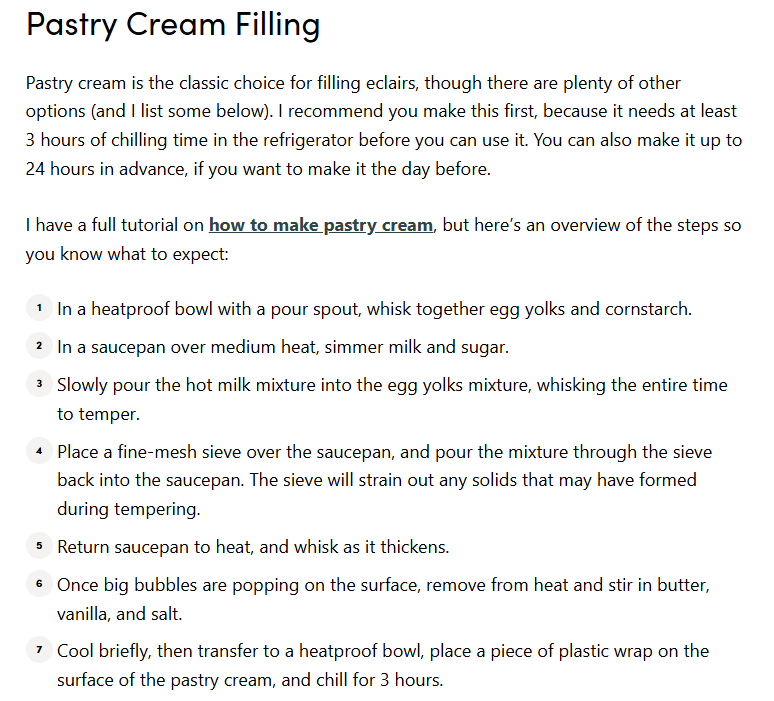
Trust is a huge part of the process. AI engines check for author expertise and brand mentions across the web. Accurate information and citations prove you know your stuff. This builds E-E-A-T naturally.
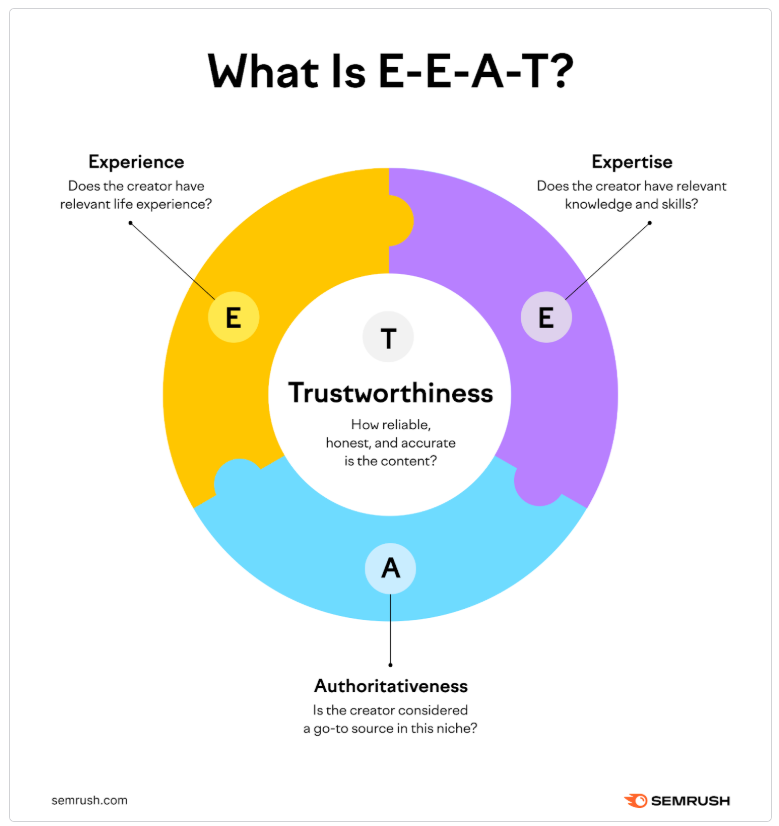
A medical site written by a doctor, for instance, earns more trust than a post with no named source or background.
Your site must be easy to find. Fast speeds and clean HTML help bots crawl your data. XML sitemaps and indexability ensure your newest posts appear fast.
AI systems love accessible, updated pages. A news site that updates its sitemap hourly will appear in AI search results much faster than a slow blog.
SEO isn’t dead, but it has a new partner. While one focuses on clicks, the other aims for answers. Understanding how they overlap helps you win.
Here’s the breakdown of what stays and what’s changing.
Standard SEO keeps your foundation strong. You still need keywords, internal links, and technical SEO to help bots find you.
Backlinks prove your site is a top player, while search intent helps content match what users want. For example, a well-optimized guide with strong internal links gives AI systems more context to pull from.
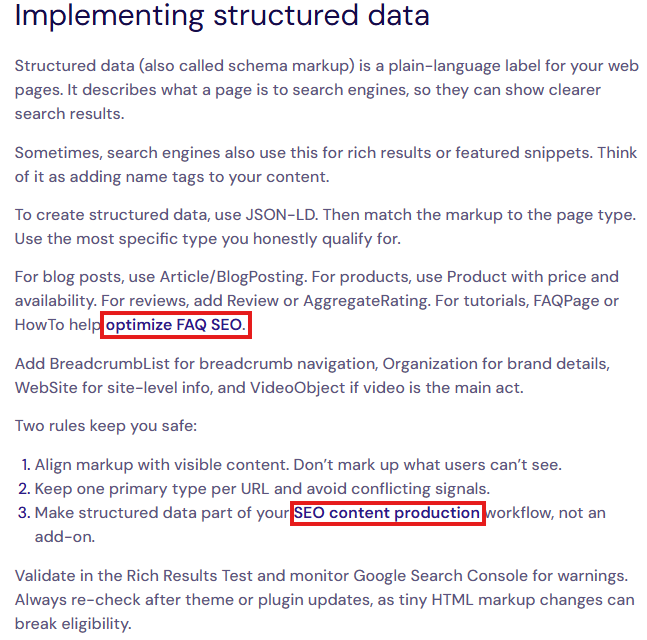
AEO changes how content gets written. You should focus on questions, context, entities, and conversational phrasing so AI systems can understand topics faster.
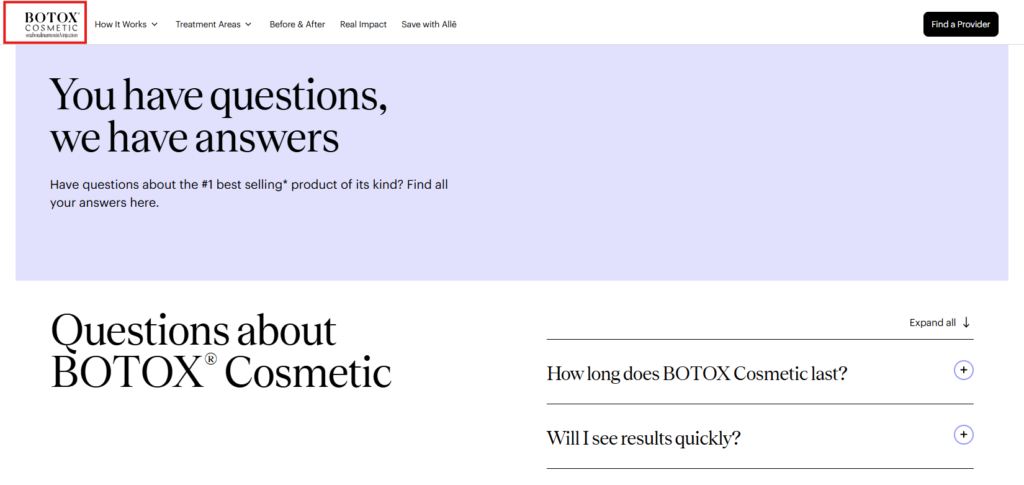
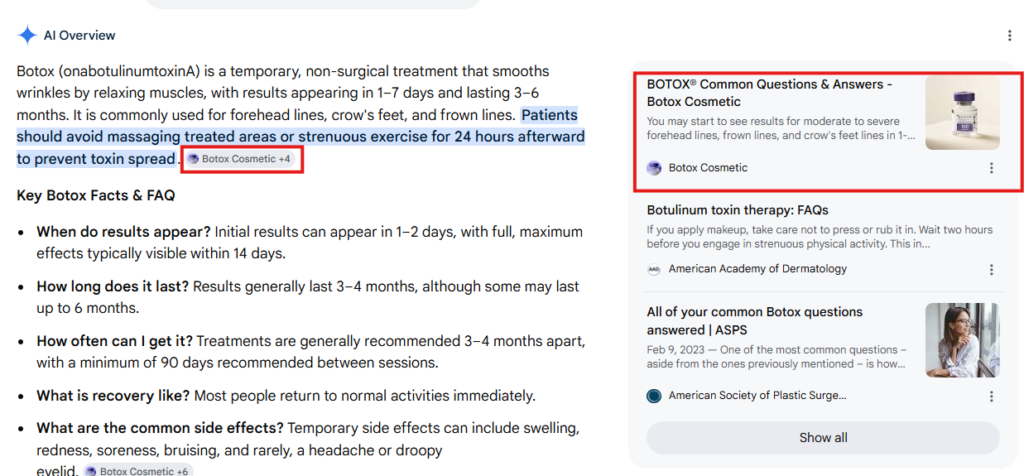
The goal is no longer just ranking first on the SERP. Content also needs to appear inside AI-generated responses. For example, a clear FAQ section or page can help ChatGPT summarize your content even if users never visit it.
Screenshot provided by the author
Think of SEO as the road and AEO as the signpost. Strong SEO makes your site easy for AI bots to find and index. AEO then helps those bots pull the right answers from your pages.
You need both to win.
A fast site with great links provides the authority AI engines look for when citing a source.
That shift changes how teams should think about content performance. A page no longer needs to earn a click to create value. If your brand becomes the cited source inside AI-generated answers, you still gain visibility, authority, and top-of-funnel awareness.
Over time, that can influence branded searches, direct traffic, and buyer trust even when traditional click-through rates decline.
A good AEO content strategy helps AI systems find answers fast. That visibility can drive real traffic, too.
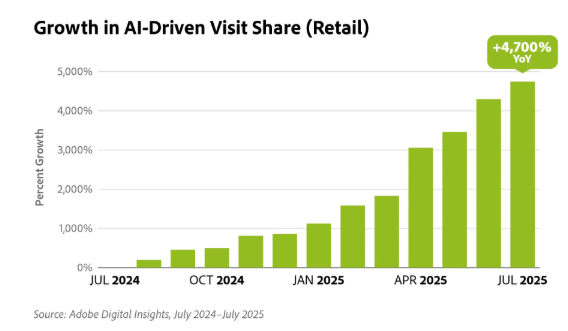
Adobe data found that generative AI traffic to U.S. retail sites increased 4,700% year over year in July 2025.
Here’s how to optimize your content for answer engines.
Put your direct answers right at the top of your page. Use a short, clear sentence before you add more detail. This helps bots grab your text for a summary.
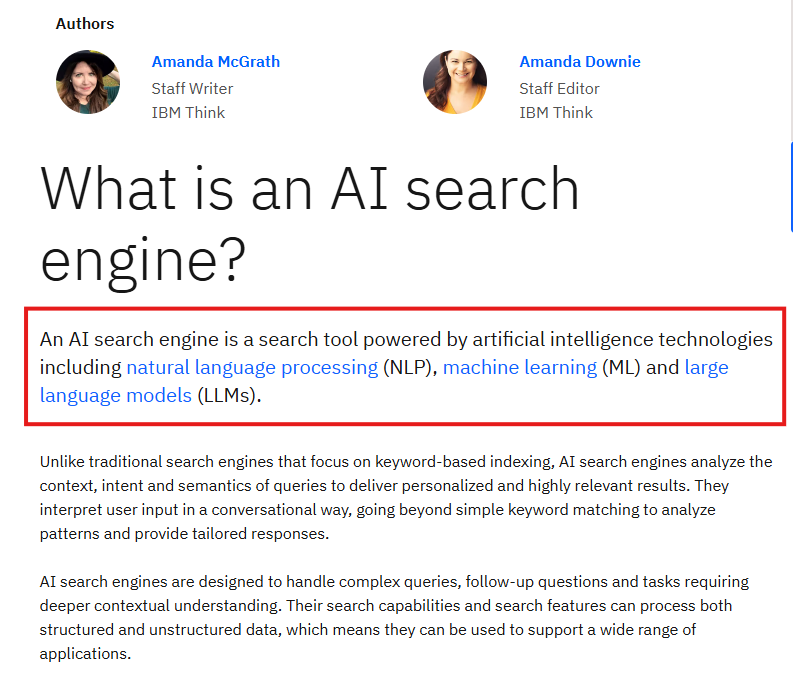
For example, a post titled, “What is an AI search engine?” should define it in the first paragraph.
One article rarely builds enough context on its own. AI systems prefer sites that cover topics from multiple angles through connected content.
For example, a cluster about AEO could include guides about AI Overviews, structured formatting, and zero-click search trends. Internal links between those pages help AI systems understand relationships among topics.
Entities help AI understand what your page is about. Mention specific brands, products, people, and industry terms. Don’t rely on broad wording alone.
Take a camera guide. It should mention models like the Sony A7 IV instead of saying “a good mirrorless camera.” Clear entities provide AI systems with better context for retrieval and summarization.
Use FAQ sections, bullet points, and tables to organize your facts. These parts help AI tools pull snippets for their answers. Definitions and summaries also help.
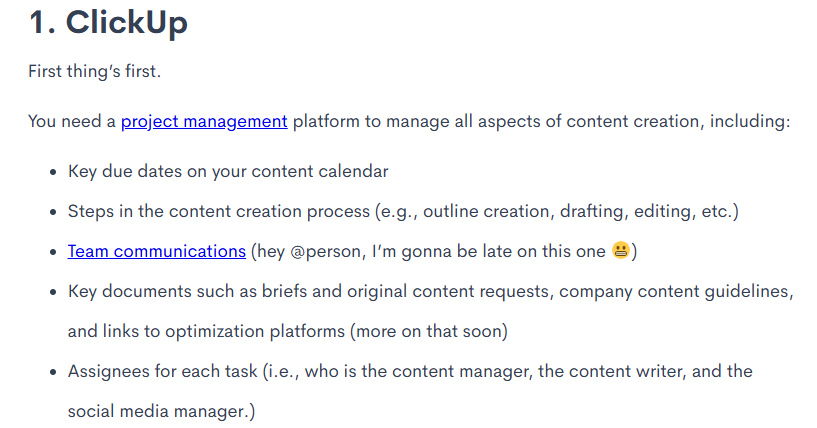
If you list the “Top content writing tools for SEO” in a table, an AI can display that data with ease.
AI systems prefer content with visible expertise and stronger trust signals. That includes:
Authority also affects visibility. The top 50 domains account for nearly 29% of all AI Overview mentions, according to Ahrefs insights.
A cited article with expert commentary often looks more trustworthy than generic AI-written copy.
Slow workflows can hurt visibility in AI search. If your team takes too long to publish, content may feel outdated before it even goes live. Approval bottlenecks also create gaps in publishing consistency.
For instance, a news site that updates articles the same day a trend appears has a better chance of getting picked up by AI systems than a page published weeks later.
Publishing tools reduce manual work and speed up updates across CMS platforms. That becomes useful when teams need to refresh content fast.
For example, Wordable helps teams move content from Google Docs into WordPress while preserving formatting, headings, links, and structure. Faster publishing also makes content refreshes easier as AI search continues to evolve.
It’s easy to get things wrong when you focus too much on the machine. These common errors can hide your content from search engines.
Avoid these pitfalls to keep your traffic high.
Over-optimized content often sounds robotic and repetitive. Keyword stuffing and AI-generated copy can make pages feel unhelpful.
AI engines still look for useful content written for real people.
Imagine you’re writing a beginner’s tutorial on Ahrefs SEO tools. If it’s packed with repeated phrases and no clear explanation, it will struggle to rank more than a concise article with natural language and strong examples.
Poor formatting makes content harder for AI systems to extract and understand. Large text blocks and weak headings also create a worse reading experience for users.
A page with clear subheadings, short paragraphs, and FAQ sections gives AI tools cleaner information than a long wall of text with no structure or visual separation.
Generic content often repeats the same points already found online. AI engines tend to favor pages with original insights, expertise, or firsthand experience.
Consider a cybersecurity guide written by someone who works in the industry. It feels more useful than a rewritten article that only repeats broad definitions without examples or real context.
Some brands treat AEO like a replacement for SEO. That creates gaps in visibility. AI still relies on searchable and indexable web content.
A site with strong answers but weak technical SEO may struggle to appear in AI responses. Clear structure and conversational content work better when supported by solid SEO tactics.
You cannot track AEO the old way. You must look at how AI tools use your name. Here’s what to watch.
Track how often AI tools cite your site as a source. Watch for brand mentions in AI chat logs and referral traffic from tools like Perplexity. Deeper impressions in Google Search Console for AI-related queries also show progress.
Expect more zero-click searches as AI summarizes your work. Your click-through rate might drop. But the visits you do get will be more qualified.
Users who click through after reading an AI summary are ready to act.
Go to the source, and test prompts yourself. Open ChatGPT, Perplexity AI, or Google AI Overviews and ask questions about your niche. See if your brand appears in the answers.
If you type “best project management tools” and see your product cited, your AEO strategy is working.
Answer engine optimization is the next step for digital growth. It’s about more than just keywords. You need to make your content easy for AI to read, trust, and use. These engines look for clear facts and deep topical authority to build their summaries.
A good strategy uses both SEO and AEO. SEO builds the foundation while AEO helps you win the answer box. Use structured data, clear headings, and expert insights to stay visible.
Your publishing speed also affects how fast AI bots find your updates. Slow workflows keep your best work hidden. To stay ahead, you need to publish and update fast.
Don’t let manual tasks slow you down. Because AEO depends on timely updates, content teams need fewer manual steps between editing, approval, and publishing.
Wordable can improve your workflow and content operations. It helps you move work from Google Docs to your CMS in seconds.
Try Wordable today. Keep your content fresh and ready for the future of search.