


Experienced marketers need the right tools to effectively promote and sell their products or services.
Pay-per-click (PPC) marketing is one of the most commonly used methods. However, not everyone does it right. This type of marketing requires significant effort, as it involves many aspects to manage.
Thankfully, you can choose from some of the best PPC tools and platforms that can take your business to another level. These solutions can help you run a successful PPC campaign, reduce your advertising budget, and increase sales.
Highlights
Here’s a quick overview of how the PPC landscape has transformed over the past few years up to now:
This shift starts with fixing signal delivery, which is why more advertisers now pair their ad platforms with a server-side Conversions API to recover the conversion data that cookie and iOS tracking restrictions strip out.
In 2026, the best PPC tools do more than just manage bids or placements. They transform how brands appear across search, social, retail media, and AI-driven discovery experiences.
These platforms use automation and machine learning to deliver ads at key moments throughout the customer journey.
These six platforms are the foundation of most PPC media advertising budgets. Each serves a unique role in the modern marketing funnel.
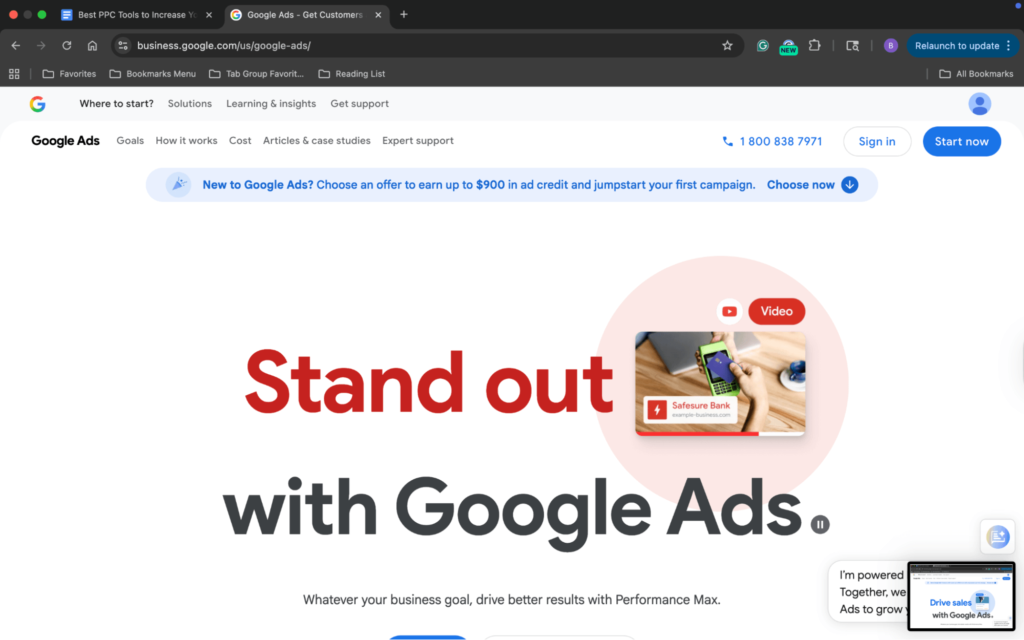
Google remains the most popular search engine. And that’s despite its market share recently falling below 90% for the first time in years.
In 2026, it’s still the best way to reach billions of internet users. This popularity makes it a great platform for any industry.
However, the landscape has changed. According to Search Engine Land’s estimates, Google now processes over 14 billion searches every day. Many competitors bid for this space. This competition makes the cost per click (CPC) very high for top keywords.
But there are other opportunities to get your business name out to the world. For example, with the Search Generative Experience (SGE), your ads now appear inside AI-generated answers. This allows you to capture users while they’re in “deep research” mode.
AI Max for Search is a new feature that uses AI to automatically adapt your text and targeting. It matches your ads to the intent of a search, not just the keywords.
Through the Asset Studio, Google now provides built-in AI tools that instantly create high-quality images and videos for your ads.
Key features:
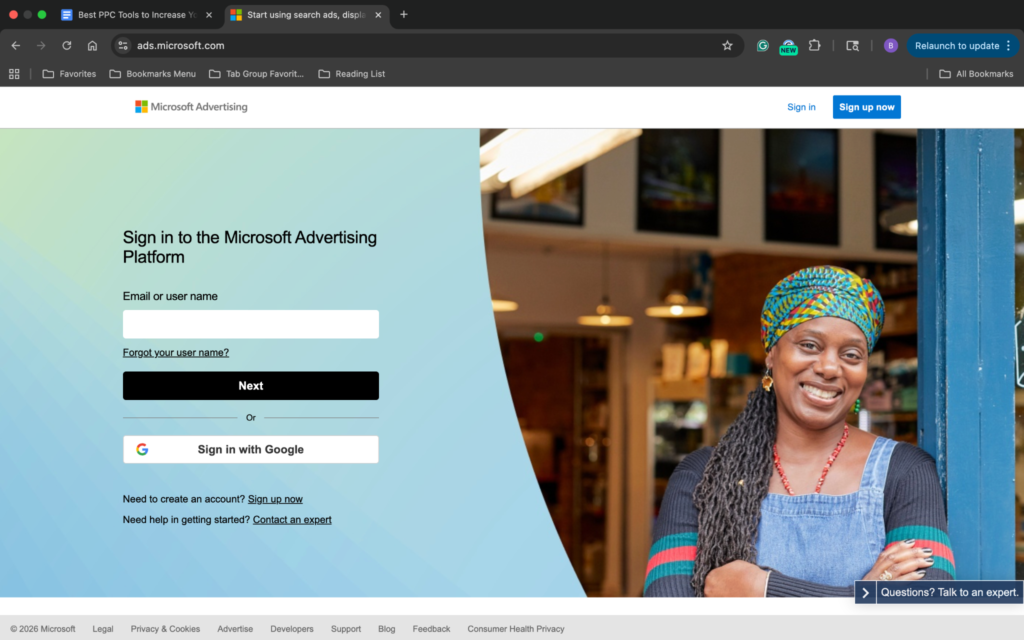
Microsoft Ads is a strong alternative to Google. It often offers a lower cost-per-click and less competition. It still has excellent reach.
In 2026, Microsoft has integrated Copilot AI into every search. Every search on Bing is now a conversational experience.
Your ads appear as helpful suggestions within these AI chats. This makes your brand part of the user’s decision-making process in real-time.
Microsoft also owns and operates the Search Partner Network. This includes premium sites like Yahoo, AOL, and MSN.
Key features:
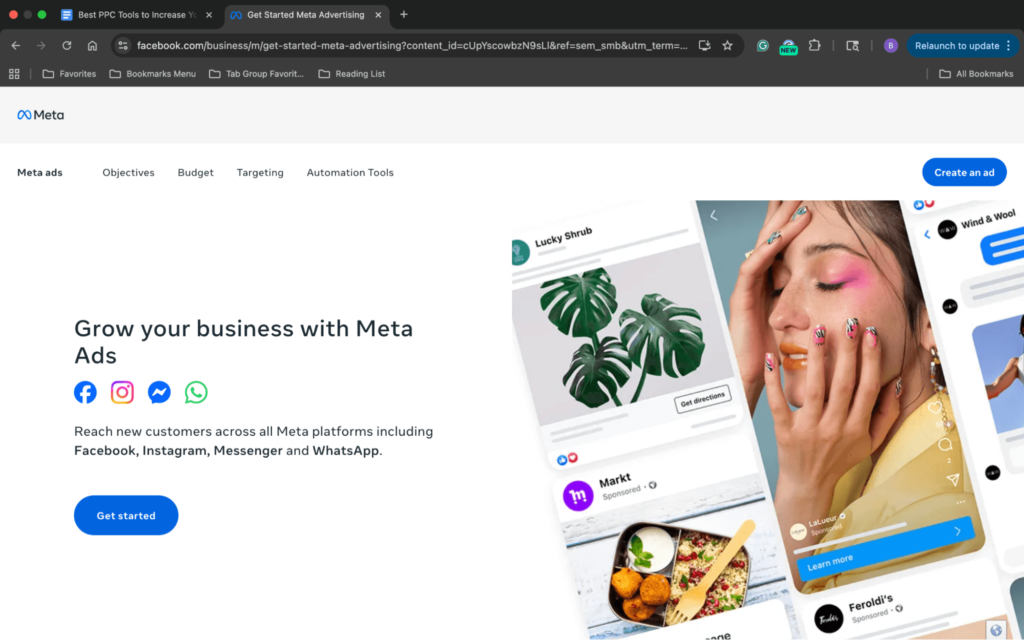
Meta Ads remains the leader in social PPC. It’s not just for Facebook Ads companies. It also covers Instagram and the now fully monetized Threads. In 2026, targeting has moved away from manual interests. Instead, Meta uses Advantage+ AI to find your customers.
Threads has also surpassed X in daily active users and offers a clean, text-based ad environment. This is ideal for brand storytelling and community engagement.
Meanwhile, Instagram Reels continues to drive the highest engagement. Meta’s generative AI now helps you “remix” your videos using AI-powered writing and editing tools. It creates hundreds of versions to see which hook stops the scroll most effectively.
Key features:
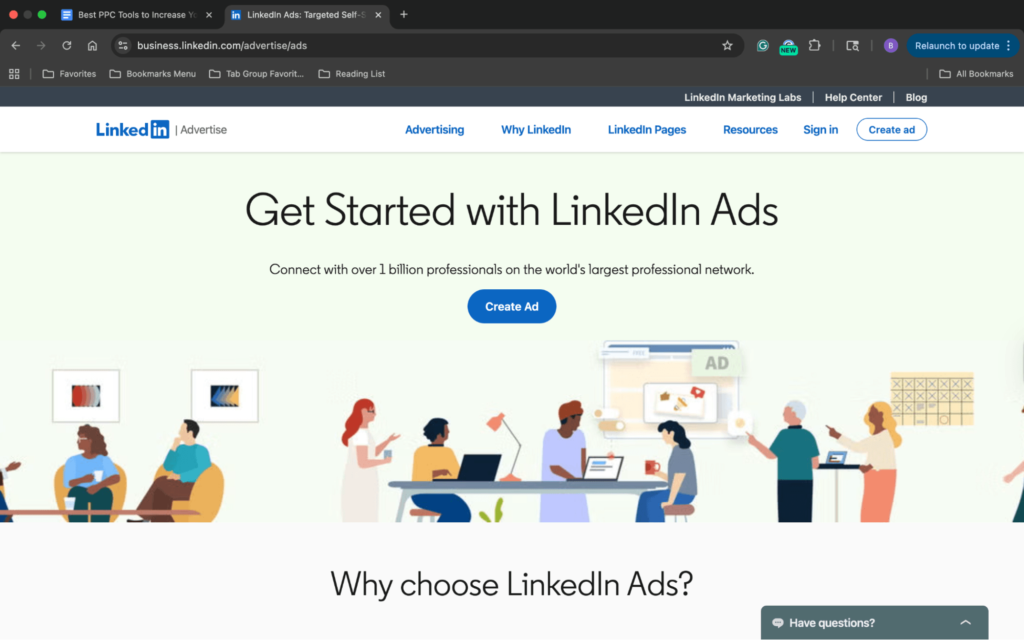
LinkedIn is the premier network for professionals. It is the “Facebook for Business.” In 2026, it’s the most valuable platform for B2B marketers. It reaches people with high purchasing power and business intent.
The LinkedIn Ads platform has evolved beyond simple sponsored posts. You can now use Thought Leader Ads to promote content directly from your executives’ personal profiles.
This builds a level of trust that corporate logos can’t match. LinkedIn also offers hyper-personalized messaging. AI now drafts custom InMail messages based on a prospect’s recent activity. This is part of a wider shift toward content automation. It ensures your outreach feels like a helpful suggestion rather than a cold sales pitch.
Key features:
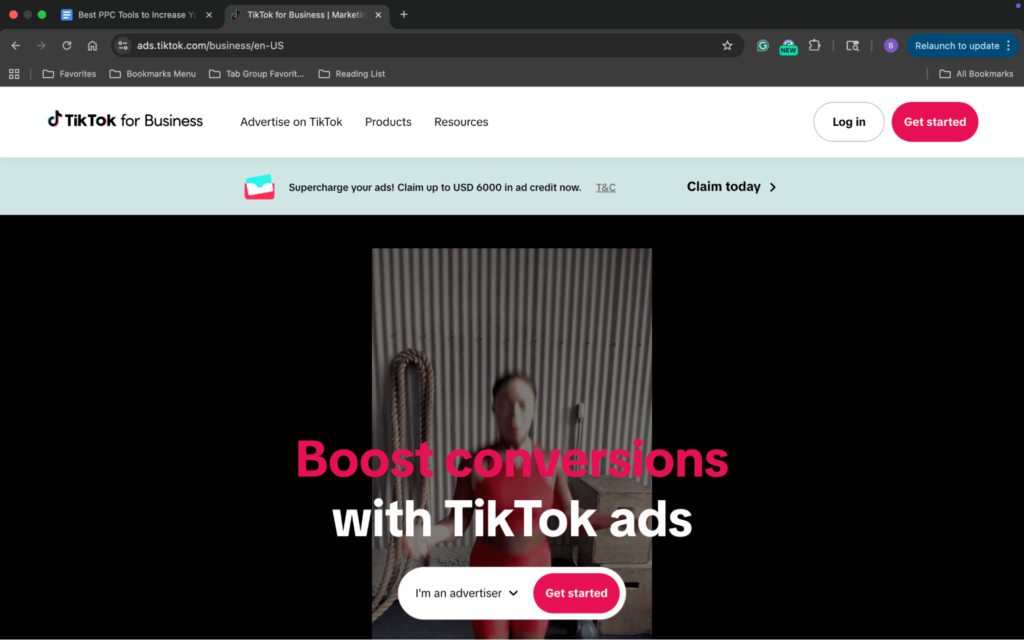
TikTok is the fastest-growing discovery platform in 2026. It’s no longer just for viral dances. For Gen Z and Millennials, TikTok is a primary search engine. Users search for product reviews, travel tips, restaurant recommendations, and how-to guides directly in the app.
Automatic Search Placement (formerly Search Ads Toggle) is a recent feature TikTok has added to its advertising platform. It lets you place your video ads directly in search results for specific keywords.
Additionally, TikTok Shop has made the platform a “one-click” store. Users can see your ad, read reviews, and buy the product without ever leaving TikTok. To win here, your ads must feel “Lo-Fi” and authentic.
The more your ad looks like a regular video, the better it will perform.
Key features:
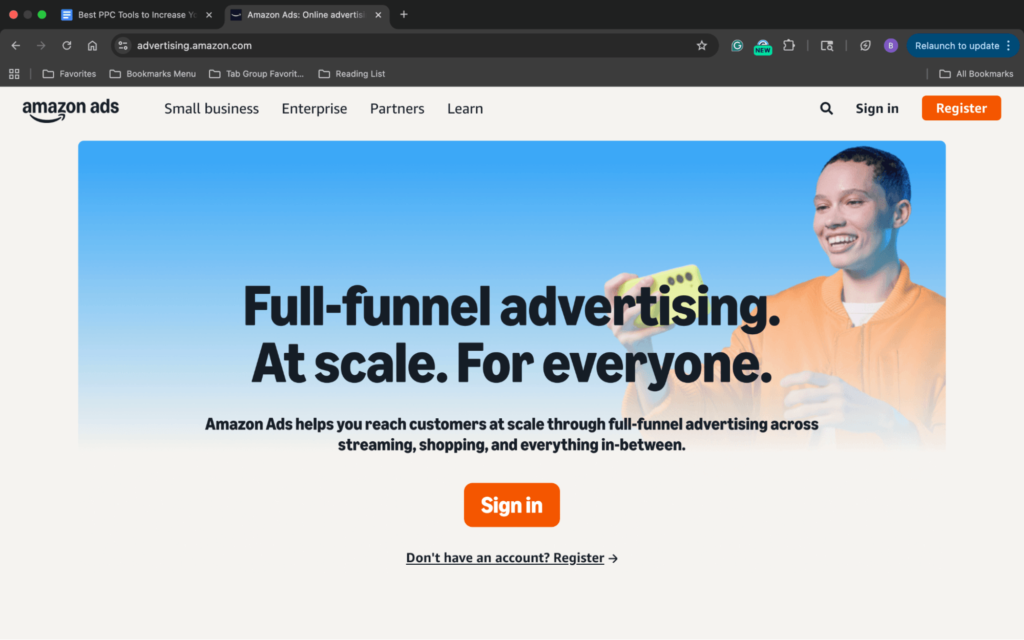
Amazon is one of the best PPC tools out there. It’s now the third-largest advertising platform in the world, following only Google and Meta. It sits at the very bottom of the funnel (BOFU). People go to Amazon with their credit cards already in hand. This leads to conversion rates that search and social platforms simply can’t beat, especially for brands looking to scale eCommerce content efficiently.
In 2026, Amazon expanded its reach through Prime Video. You can now run interactive video ads during hit shows and live sports.
These ads are “shoppable,” meaning viewers can add products to their carts using their TV remotes. Amazon also offers the Amazon Marketing Cloud (AMC).
This tool provides deep data on how people shop across the entire web. It allows you to target users based on what they actually buy, not just what they browse.
Key features:
Amazon’s native console handles the placement but leaves bidding to you, so sellers scaling Sponsored Products often add dedicated Amazon PPC software that factors inventory and pricing into their bid
These tools act as an X-ray for your campaigns. They allow teams to audit how Google’s and Meta’s internal AIs make decisions.
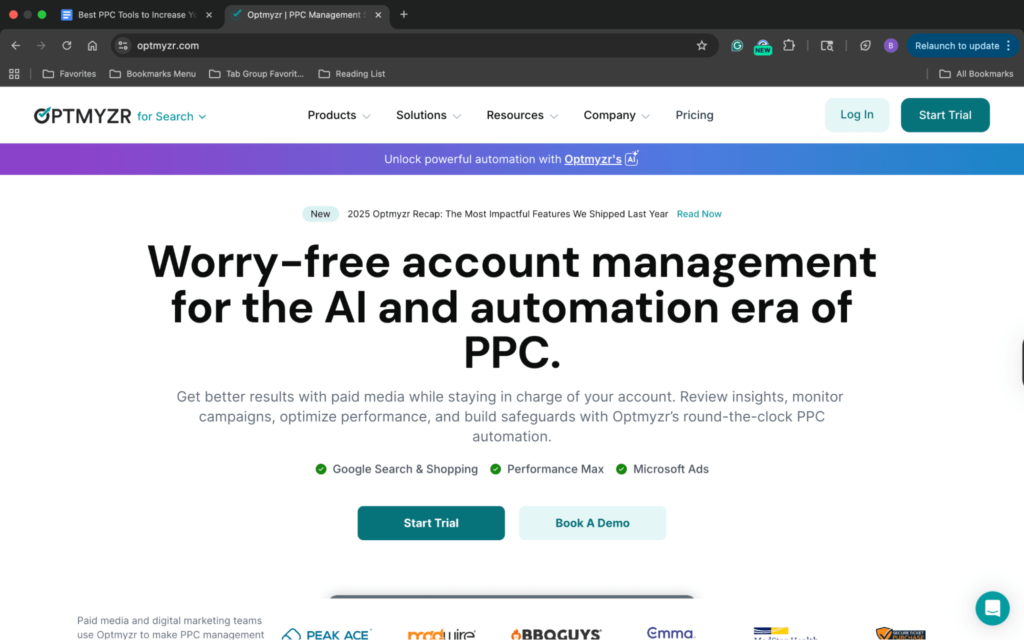
Optmyzr is no longer just for scripts. In 2026, it’s a full PPC workstation. It helps with PPC management across complex account structures with ease.
It’s especially powerful for managing Performance Max campaigns. Optmyzr provides the transparency that native platforms often hide. It gives you one-click optimizations to instantly improve your accounts.
You can add or remove keywords, change bids, and update ad text with a single button press.
Bottom line: The platform turns manual, repetitive tasks into quick optimizations that save hours of time across modern content workflows.
Key features:
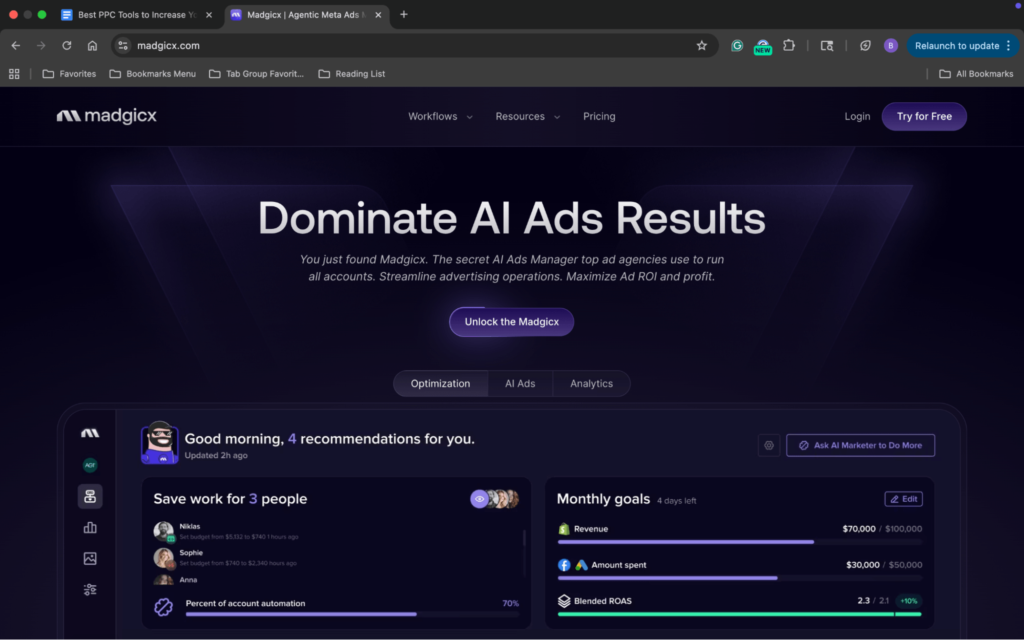
Madgicx is the top tool for Meta and TikTok advertisers. It focuses on creative intelligence. It acts as an ad account manager that never sleeps. It helps you scale your brand by finding the most profitable audiences and creative angles.
The tool uses “triggers” to automate your workflows. For example, it can send a follow-up discount to someone who abandoned their cart. It also features a powerful AI Chat that instantly answers complex questions about your performance.
Key features:
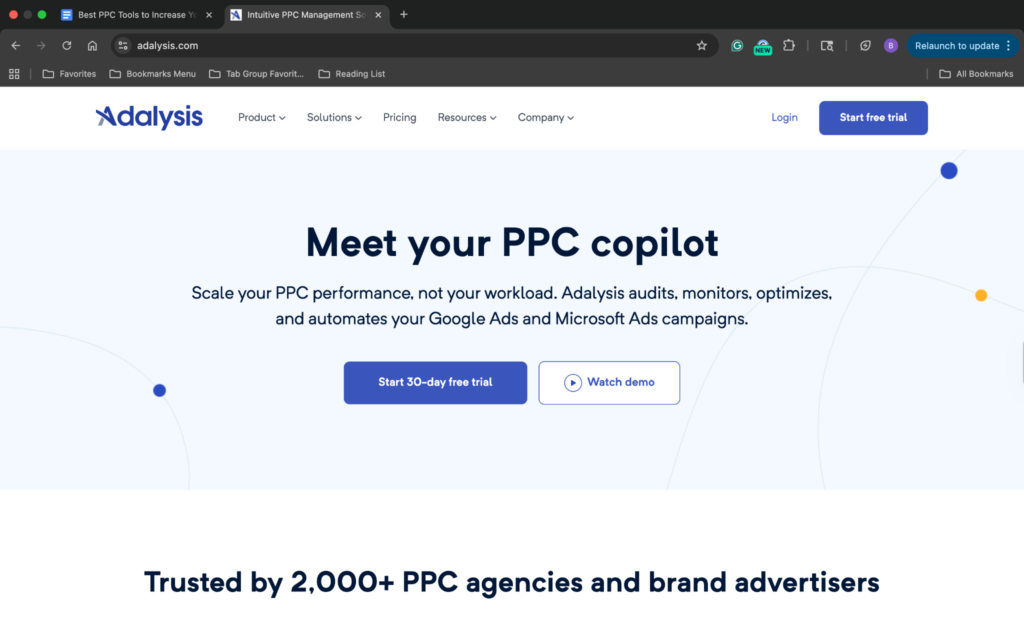
Adalysis is built for speed. It monitors your accounts 24/7 to catch errors before they cost you money. It’s the only platform with a fully automated ad testing engine. This ensures your ads continue to improve.
It provides over 50 automated daily audit checks. These checks look for duplicate keywords, landing pages, and quality score drops. Adalysis helps you stay ahead of issues so you can focus on growing your ROI.
Key features:
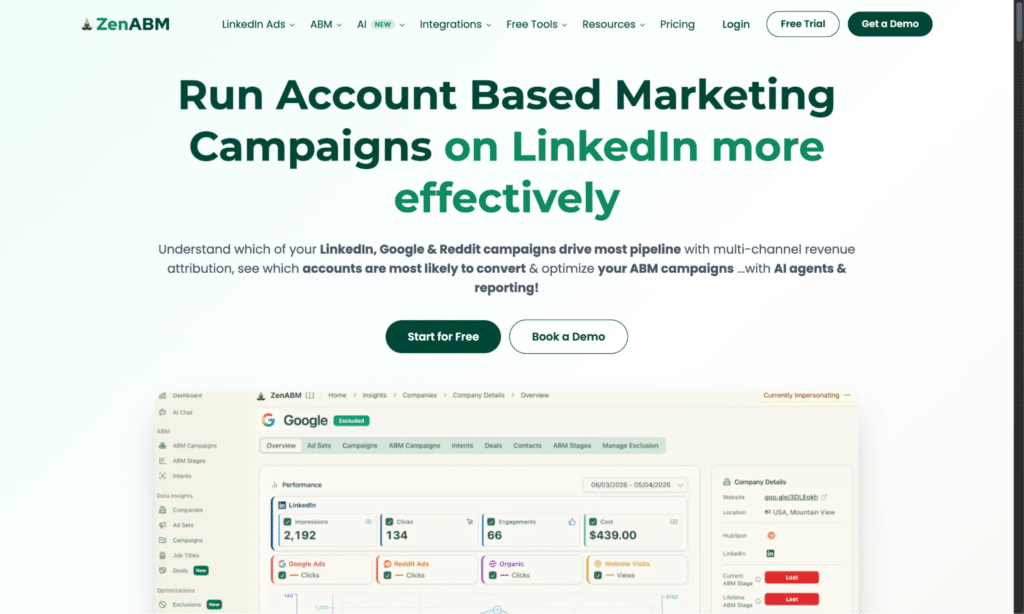
ZenABM is a LinkedIn Ads analytics and account-based marketing (ABM) platform designed for B2B teams that want to see which companies engage with their advertising campaigns and how that engagement contributes to pipeline and revenue.
ZenABM provides company-level LinkedIn Ads insights, helping marketers identify engaged accounts, track buying intent, and prioritize high-value prospects. Its account scoring, customizable ABM stages, and CRM integrations help sales and marketing teams connect advertising engagement with business outcomes.
The platform also offers an AI agent, Zena, for analyzing campaign performance and account engagement data.
Key features:
Best for: Cross-channel attribution, predictive insights, and privacy-first measurement.
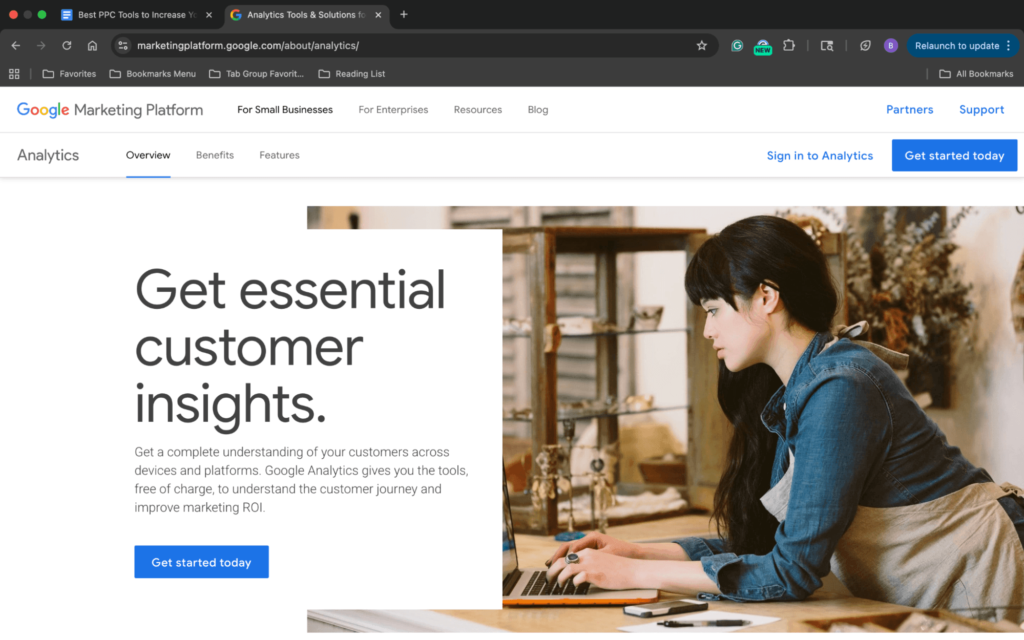
With cookies gone, incorporating powerful attribution software into your stack is the only way to track the whole customer journey. GA4 uses machine learning to model conversions when users opt out of tracking and captures behavior across websites and mobile apps in a single property.
Best for: Preventing invalid clicks, bot traffic, and waste ad spend.
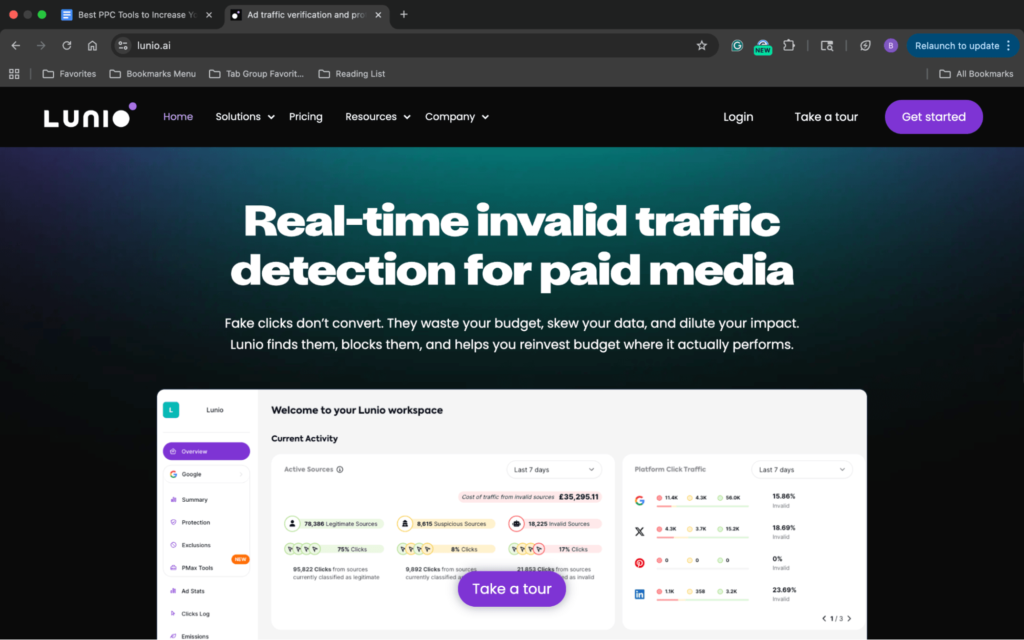
Lunio protects paid media budgets from click fraud and invalid traffic that platform AI doesn’t reliably filter.
Best for: Keyword research, competitive PPC insights, and market visibility.
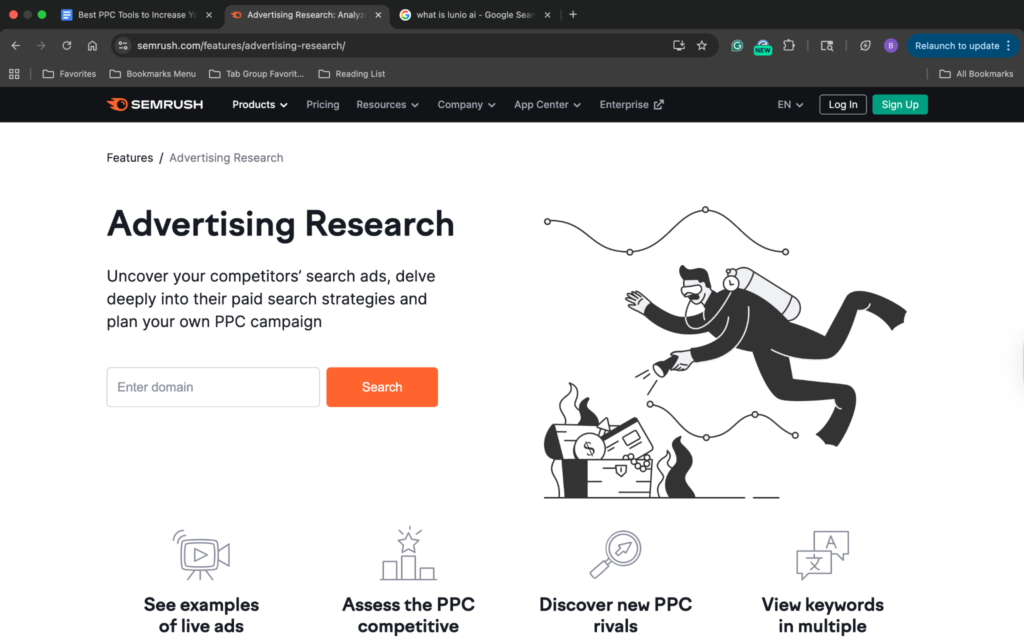
SEMrush provides visibility into competitor keywords, ad copy, and bidding strategies across search platforms. It helps identify gaps, monitor market shifts, and validate demand before scaling campaigns across larger marketing teams.
Best for: Native, programmatic, and intent-based display advertising.
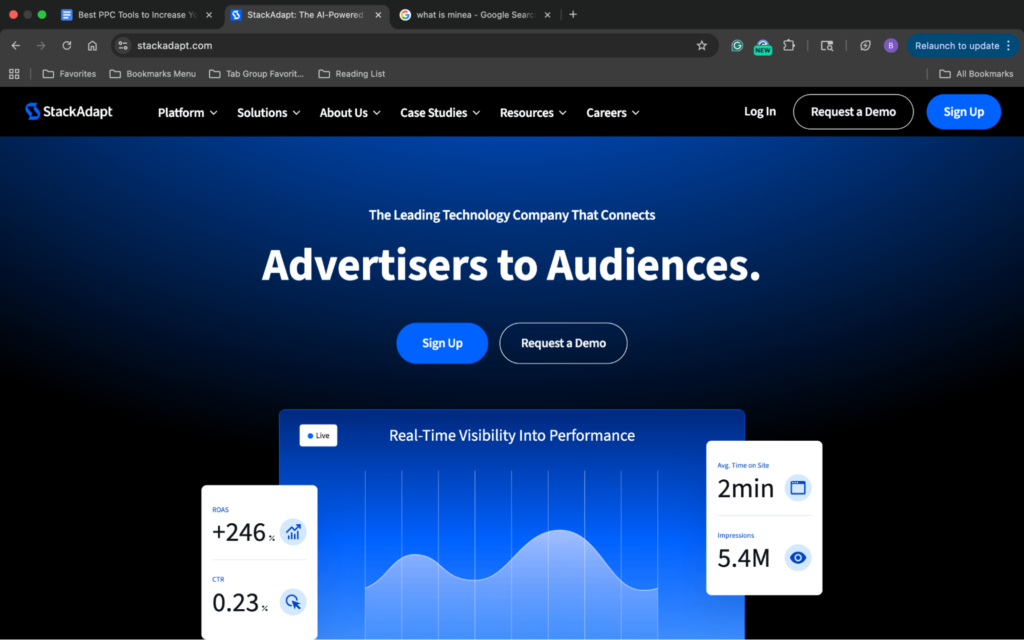
StackAdapt focuses on content-driven display ads and programmatic placements that reach users earlier in the discovery phase, complementing search and social PPC.
Best for: Fast ad creative production using AI-assisted design and copy tools.
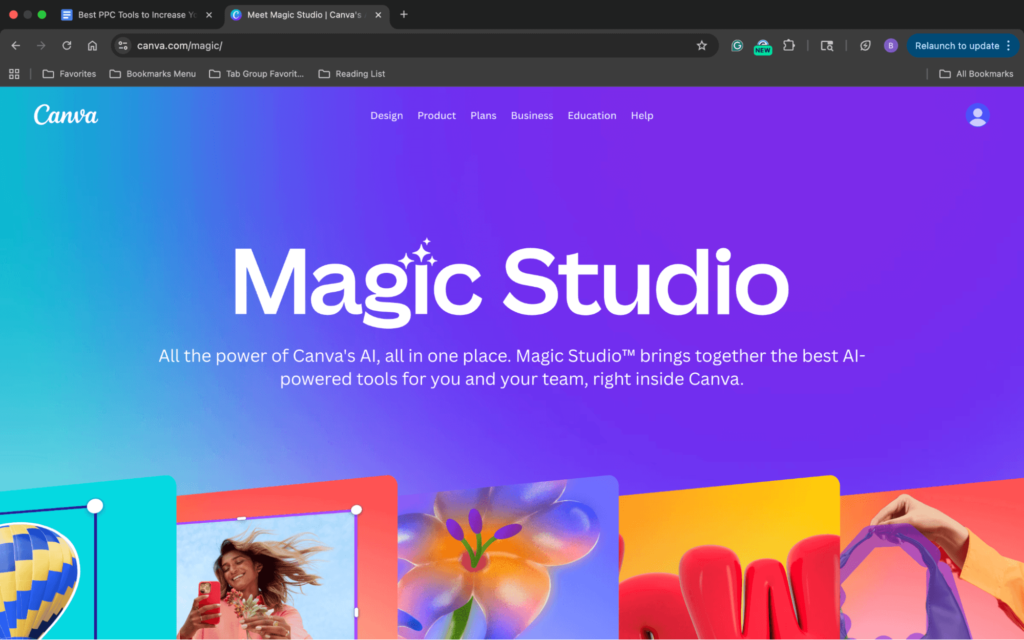
Canva Magic Studio helps teams quickly generate ad visuals and copy variations. It’s useful for producing on-brand creative at scale without relying on dedicated design resources.
Best for: High-converting landing pages tied directly to PPC campaigns.
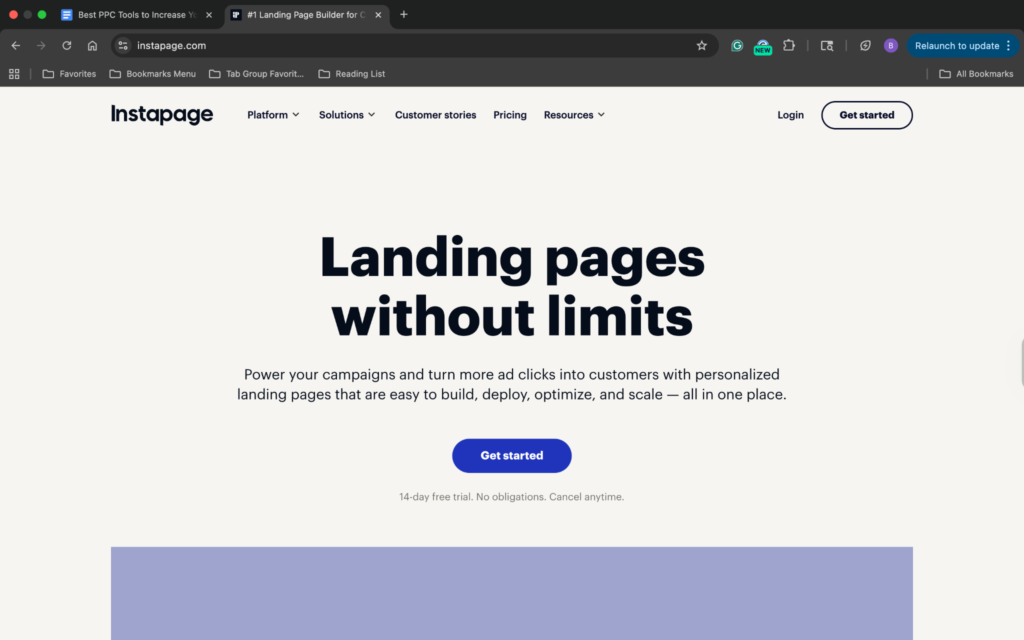
Instapage enables teams to build, test, and optimize landing pages specifically for paid traffic. It supports rapid experimentation, personalization, and campaign-level performance tracking.
Success in 2026 is no longer about pushing buttons. It’s about orchestrating AI. The platforms we’ve covered now handle the manual heavy lifting. This allows you to step back and act as the architect of your brand’s growth.
Managing a high-performance PPC strategy often leads to a mountain of content. Whether you’re writing landing page copy, educational blog posts to nurture leads, or technical guides, the last thing you want to do is waste time on manual publishing.
Make Wordable part of your marketing stack. While your PPC optimizes your ads, Wordable optimizes your workflow. Get started today and see the magic for yourself.