


Big SEO mistakes can quietly drain your traffic … and your revenue.
Issues with crawling, indexing, or a site migration gone wrong can tank performance. In some cases, pages disappear from Google altogether, and getting them back isn’t easy.
That’s why working with a technical SEO agency is vital.
In this guide, I’ll walk you through why hiring a technical SEO agency makes sense, the benefits of having one, and eight agencies worth considering. I’ll also share how to vet out agencies. And what to do when you’re ready to bring one on board.
Let’s take a look. 👇
Technical SEO is highly technical. 😆 If you’re not a nerdy SEO wizard, you’ll need to invest tons of hours into learning SEO or hiring someone to help.
Agencies have been there, done that. They know all the tech jargon and what to do to make sure your site performs well. When you hire an agency, all you have to do is fork up the cash and continue running your business.
Here are some of the areas they focus on so you can see how technical this gets. 👇
These are the key areas a modern technical SEO agency may cover:
Yep. It’s a lot. 🫨
And if you have a SaaS, ecommerce, or enterprise site, your site architecture can get very complex. Even small issues can impact traffic and conversions.
Having a skilled technical SEO agency can save you months of headaches and keep your site running smoothly.
*Note: Always ask the agency about their services before onboarding.
Before I share technical SEO agencies with you, I wanted to quickly note that most agencies don’t list standard pricing for this. That’s because technical SEO fixes are unique to each website.
You’ll need to reach out to each agency to find out how much it costs for them to help you with your specific website. (Though you can stop after the first or second option on this list. 🤣)
That said, here are eight technical SEO agencies you can choose from in 2026:
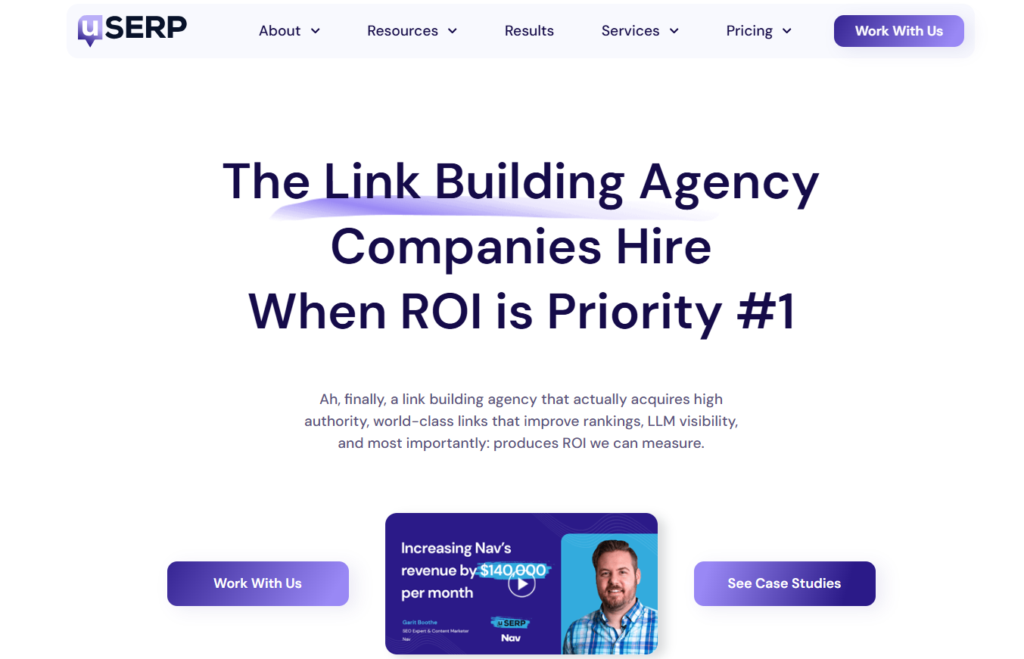
The uSERP team always starts with a site audit to identify your website’s issues. Then, a custom technical SEO strategy. Team members get thorough SEO briefs to make sure every fix gets done as soon as possible.
Their work focuses on Core Web Vitals, mobile performance, and structured data. (With a strong emphasis on page experience aligned with Google’s ranking signals.)
You can expect improvements like: Clean site architecture, clear internal linking, accurate schema markup, secure HTTPS, and fast-loading mobile pages.
uSERP also offers high quality link-building services. This means you’ll have a clean, fast website AND a backlink strategy that’s building domain authority.
PS: Higher authority typically leads to better quality traffic and increased sales. For uSERP’s clients, at least. 😉
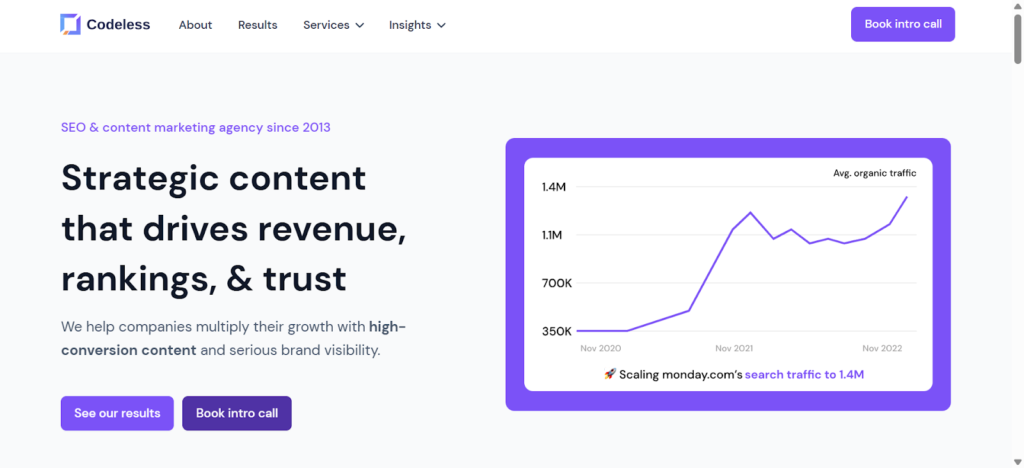
Codeless checks your site for speed issues, schema errors, and broken URLs. They provide simple fixes to make it easier for search engines to crawl.
They handle your SEO content too. Using the audit insights, they optimize your existing pages, create new content that targets the right keywords, and organize everything so it reaches the right audiences and regions.
This helps your site rank higher, drive traffic, and get more engagement where it counts.

Seer Interactive offers full-scale technical SEO.
Some of their technical SEO analyses include:
The team has experience working with enterprise and large‑scale websites, as well as international companies. They provide ongoing technical support, audits, and maintenance.
Complete SEO offers technical SEO, website optimization, and WordPress SEO.
They start with a technical audit to diagnose issues and run ongoing site adjustments. They also design and develop WordPress sites from scratch so the technical side is covered from the get-go.
They also mention that they cull thin pages, attachments, and harmful URLs from the index.
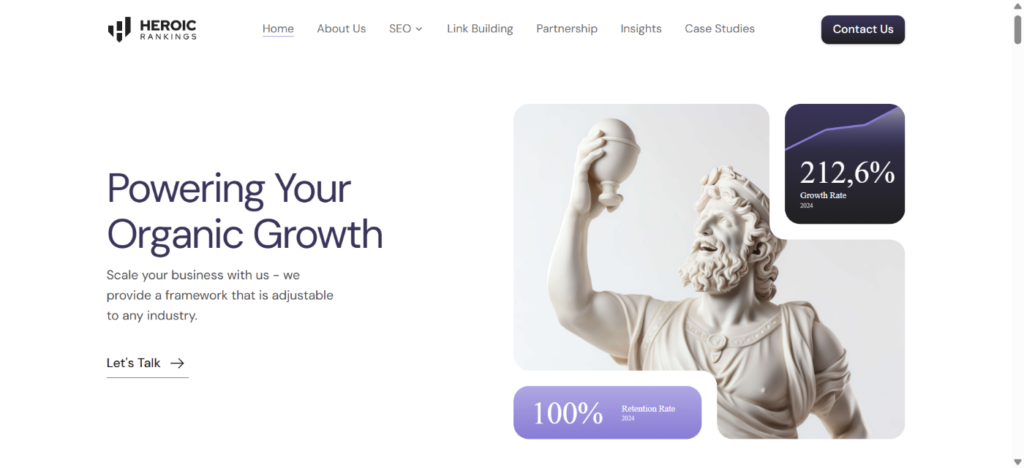
Heroic Rankings runs full technical audits to uncover and fix issues like broken links, crawl errors, and duplicate content.
The team also offers:
They also offer other SEO services, like Local SEO and keyword research.

OuterBox offers full audits for large and complex websites. They work with your developers, marketers, and IT team to implement technical SEO fixes. (Like fixing crawl issues, broken links, redirect chains, indexation problems, structural site issues, and more.)
Additional services include: Mobile usability testing, JavaScript SEO, and dynamic content handling. They also offer SEO migration support during site redesigns or platform changes.

Ignite Digital offers thorough technical SEO support.
Some of their many technical SEO services include:
The team also offers competitor gap analyses and custom campaign planning. (Which includes keyword and audience research.)
Power Digital Marketing offers full-service SEO support. They run technical health audits and implement custom strategies. They focus on optimizing site speed and mobile usability, and increasing your site’s crawlability.
They also offer SEO migrations and enterprise SEO.
So … which one of these should you pick? 🤔👇
Here’s how to vet out and start working with a technical SEO agency:
First, get clear on how your website works.
How big is it? What platform does it run on? Does it use multiple languages or target multiple countries? Is a redesign or migration coming up?
Jot your answers down in a Google Doc or email draft.
What problems does your site currently have? For example: Traffic drops, indexing issues, slow pages, failed migrations, or pages not showing in Google.
Add these to your doc or email draft.
Ask agencies if they’ve worked on sites your size, with similar platforms, or similar problems. If so, ask for screenshots and case studies. (Or clear before and after results. With proof!)
Ask agencies to walk you through how they would find problems on your site. What SEO tools are they using? If they can’t explain their process clearly, execution will likely be messy later
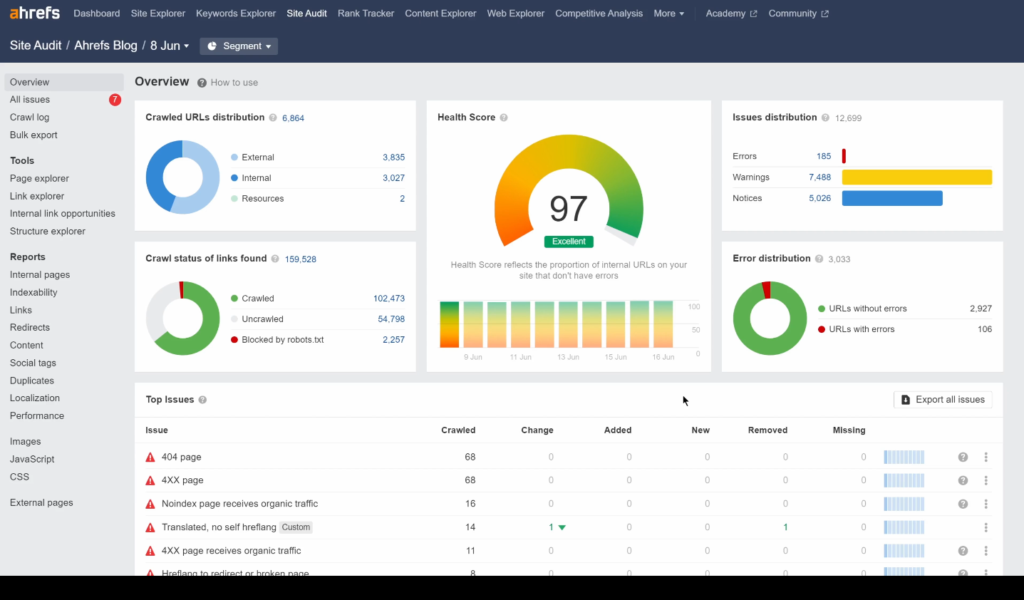
To start, most teams use an SEO tool like Ahrefs or Semrush to run website audits. This helps them identify, prioritize, and fix over 100 potential SEO issues. If you’d like to see how it works, get a Semrush or Ahrefs trial to test it out.
Here’s a quick look inside Ahref’s Site Audit tool:
What data are they checking? They should mention crawling, indexing, page rendering, and real user data. Not surface-level reports.
Make sure they prioritize SEO fixes based on business impact. (Traffic, revenue, and risk are biggies.)
What’s their process for big website changes? Do they have streamlined workflows?
For migrations or major updates, they should explain: Testing, staging environments, rollout plans, and what happens if something breaks.
Ask how they handle website performance updates and mobile UX. They should care about speed, usability, and consistency across devices.
Technical SEO teams may need to work with engineering, product, analytics, and sometimes legal. If you have a smaller site, they may need to be in communication with your developer and digital business manager.
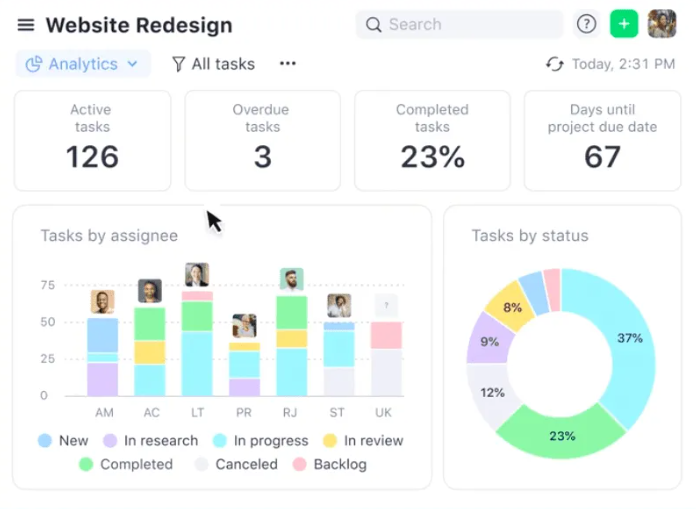
Ask questions about how they manage this. Is there a shared project management dashboard they use to keep everyone on the same page? Do they create a Slack group or email thread?
Fixing issues once isn’t enough.
Ask how they control duplicate pages, broken links, crawl waste, schema markup, and technical debt as your site grows.
See how they handle basic website security and compliance. This includes HTTPS, crawl controls, and legal or regulatory constraints that affect indexing.
After you’ve chosen an agency, create a 90-day technical SEO plan together.
You should know:
Ask for a digital project timeline or a Gantt chart so you can see this visually and keep track of the work alongside goals. Here’s an example of what that might look like:
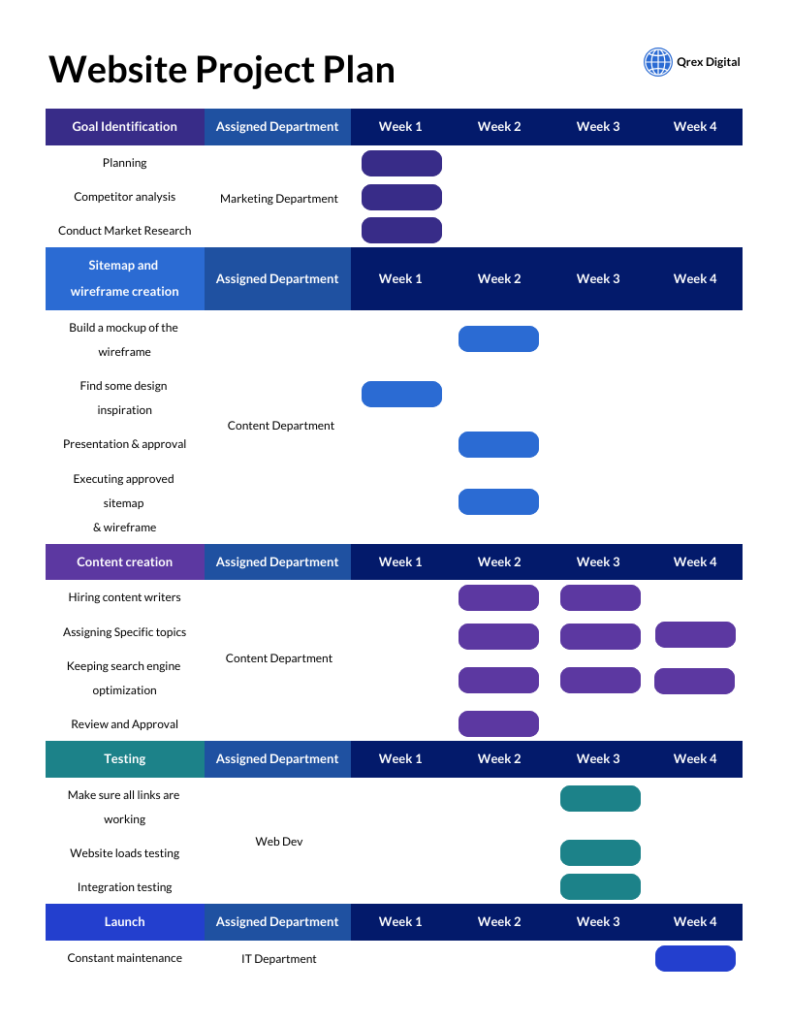
Gantt Chart Project Plan
Give the agency access to your Content Management System (CMS). AKA, your WordPress or website’s admin access login.
They also need analytics access. (E.g., Google Analytics, Google Search Console, or other tracking platforms you use).
Make sure to also share any context they may need to know. Like past audits or migration notes.
From there, they can pull site structure, redirects, and other data themselves.
(They should also configure shared tools and dashboards before work begins.)
Crawl errors, slow pages, and weak site structure can hold your site back for months.
A strong technical SEO agency helps you fix those problems before they cost you traffic and revenue.
If you want a technical SEO partner that starts with deep audits, prioritizes page experience, and builds authority after the foundation is solid, uSERP stands out in 2026.
👉 Book an intro call with the uSERP team now.
What does a technical SEO agency do?
They improve site structure, crawlability, indexation, and performance. The goal is better organic visibility at scale.
How do I choose the right technical SEO agency?
Look for experience with large or complex sites. Make sure they collaborate well and show real business impact.
How much does a technical SEO agency cost?
Costs vary. Some agencies charge between $5,000 to $20,000+ per month based on scope, complexity, and industry (Source: seoprofy).
How long does technical SEO take to work?
You may see early gains in three months. Full results usually take six to twelve months.
What’s the difference between technical SEO and regular SEO?
Technical SEO focuses on infrastructure. Regular SEO also includes content and links.
Can technical SEO fix site speed?
Yes. It improves code, servers, and resource loading.
Do I need an agency if I have an in-house team?
Often, yes. Agencies help with audits, migrations, and scaling issues.
What tools do technical SEO agencies use?
They use crawlers, log file tools, render tests, and analytics platforms.
How important is mobile optimization?
Very important. Mobile-first indexing requires fast, stable mobile pages.
What risks does technical SEO reduce?
It prevents crawl waste, duplicate pages, index issues, speed penalties, and migration losses.