


Every industry has its success stories, and in blogging, they’re easier to spot.
The internet is full of inspiration. But the real challenge is figuring out what works and why. That’s where learning from great blog examples comes in.
A strong blog can turn readers into fans, and fans into customers. It doesn’t matter if you’re in finance, education, or SaaS, the best blogs share the same foundation: Trust, clarity, and value.
In this guide, we’ll explore real-world blog examples that are dominating their industries. And the lessons you can borrow to grow yours faster.
Blogging isn’t what it used to be. It’s no longer just an online diary. It’s a proven way to grow. According to Master Blogging, websites with blogs get 55% more visitors than those without one. That’s a big reason both creators and global brands use blogs to share ideas, build trust, and connect with their audiences.
Today, the digital market is very crowded. So attention is hard to earn. A blog gives you your own space online, where you control the story, message, and the relationship with your readers.
Blogs also build trust in ways short social media posts can’t. They let you go deeper. You can teach, tell stories, and share results. That’s how you turn visitors into loyal readers and customers.
For businesses, blogging is one of the most effective ways to establish authority and rank higher in search engine rankings. High-quality blog posts bring in steady traffic for years without paid ads. For creators, a blog can turn into a personal brand or a full-time business.
However, you don’t need to post every day. What matters is that you share valuable content that resonates with your audience. When you focus on solving problems and offering insight, your blog will grow naturally.
And with tools like Wordable, publishing gets easier. You can move from Google Docs to your WordPress site (or other CMS) in seconds and keep your formatting intact.
Now that you know why blogging still matters, let’s look at who’s doing it best. The following blog examples show how different industries use content to attract readers, build trust, and earn revenue.
Money never goes out of style. Personal finance blogs continue to attract millions of readers seeking clear, honest advice on saving, budgeting, and investing.
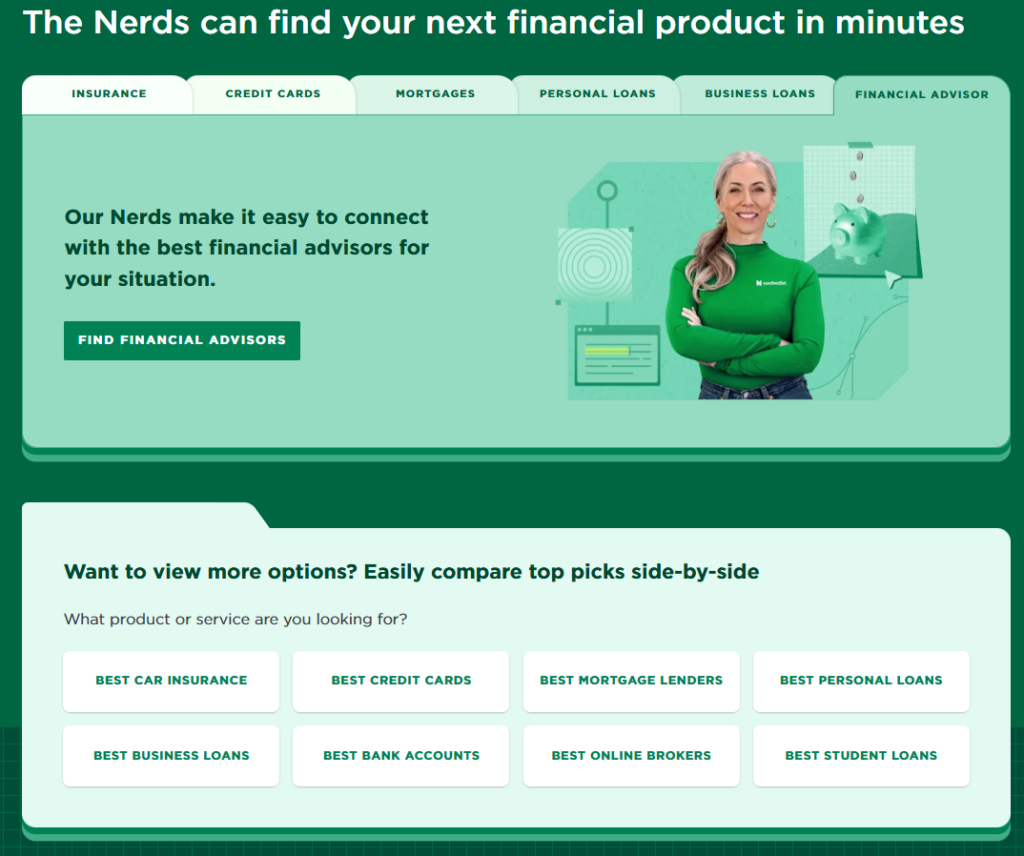
One of the best examples is NerdWallet. It built a large audience by helping readers make smart financial decisions through easy-to-read guides, comparison tools, and product reviews. Every article solves a specific problem. You may find guides on how to choose a credit card or find the right loan. The writing is simple but reliable, which keeps readers coming back.
The Penny Hoarder is another blog example in this niche. It teachers readers how to turn practical money advice into relatable stories. Articles often feature real-life examples and practical tips that people can apply right away. The site also uses smart call to actions like newsletter sign-ups and calculators to keep visitors engaged.
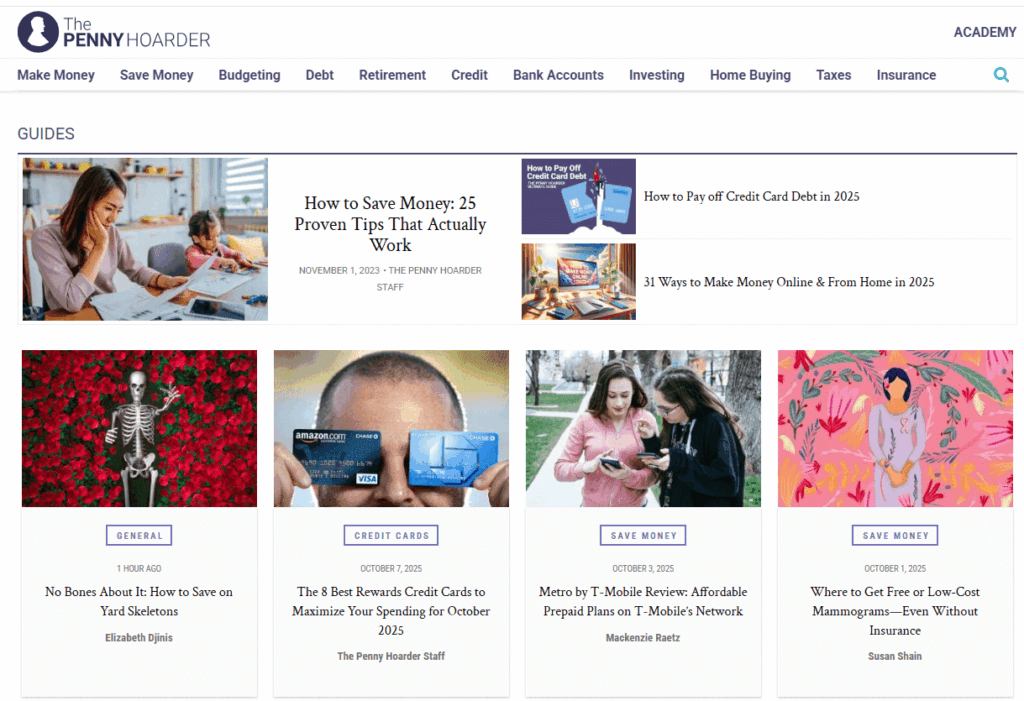
Both blogs earn revenue through affiliate marketing. They recommend products or services (like loans or credit cards) they trust. But they never feel salesy. The focus is always on helping readers first.
Takeaway: If you’re planning to monetize your blog from day one, learn from these two. Focus on clarity, build trust, and make your content easy to use. Helpful visuals and genuine advice will keep readers returning again and again.
Academic blogs prove that education doesn’t have to stay behind classroom walls. These types of blog examples let teachers, researchers, and students share what they know with the world.
One standout is The Thesis Whisperer, created by Professor Inger Mewburn from The Australian National University. It helps graduate students navigate the ups and downs of academic writing and research.
Blog posts cover everything from managing research writing to surviving conferences and handling feedback. Each article feels personal, clear, and practical. Exactly what students need when facing academic pressure.
Another strong example is The Professor Is In, founded by Dr. Karen Kelsky. It offers honest, no-nonsense advice about succeeding in academia, from writing job applications to handling the emotional side of academic life. The blog’s direct tone and relatable approach make it a trusted resource for graduate students and professors alike.
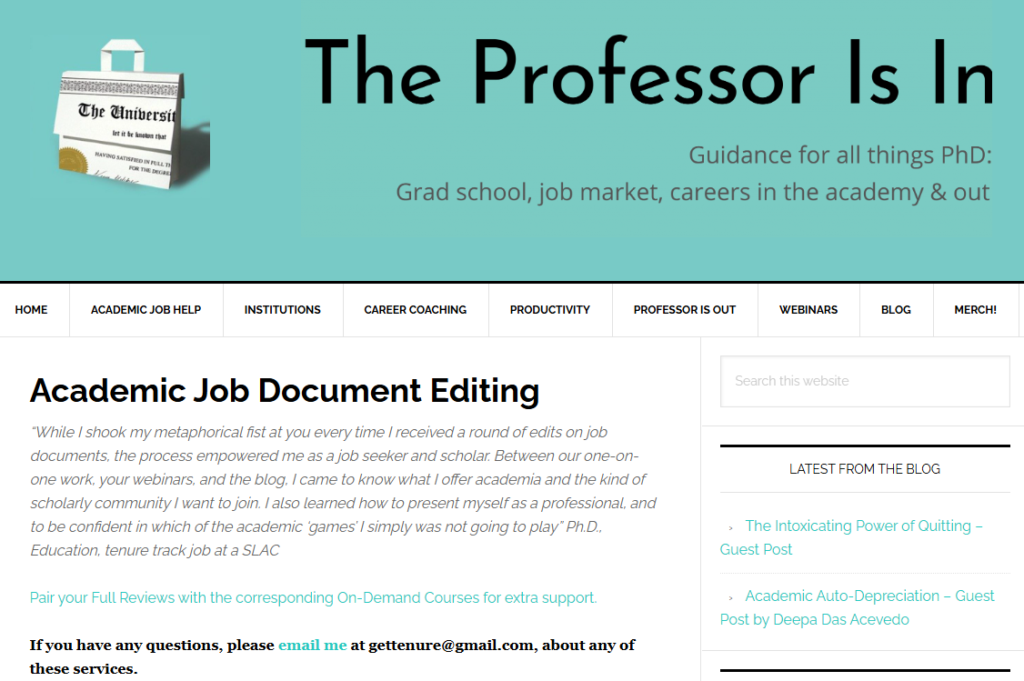
Both blogs use categories to organize their blog posts and make years of content easy to explore.
Takeaway: If you’re starting an academic blog, take note of how these two build trust through authenticity. They prove that sharing experience is just as powerful as sharing research. Their tone is supportive, their advice actionable, and their content a reliable resource for student engagement worldwide.
In the world of interior design, visuals do most of the talking. The best design blogs know how to turn inspiration into real results. They share photos that teach readers how to create spaces that feel like home.
Take Studio McGee. The brand started as a small design studio and grew into a global lifestyle name. Its blog page showcases home tours, styling tips, and renovation stories. Each post is clean, easy to read, and packed with photos that inspire action. Readers not only admire the designs. But they learn how to recreate them.

Apartment Therapy is another blog example we can mention here. They publish content on small-space living, room makeovers, and styling with personality. The blog balances visuals with helpful tips. Many articles link to shoppable products, making it simple for readers to bring ideas to life.
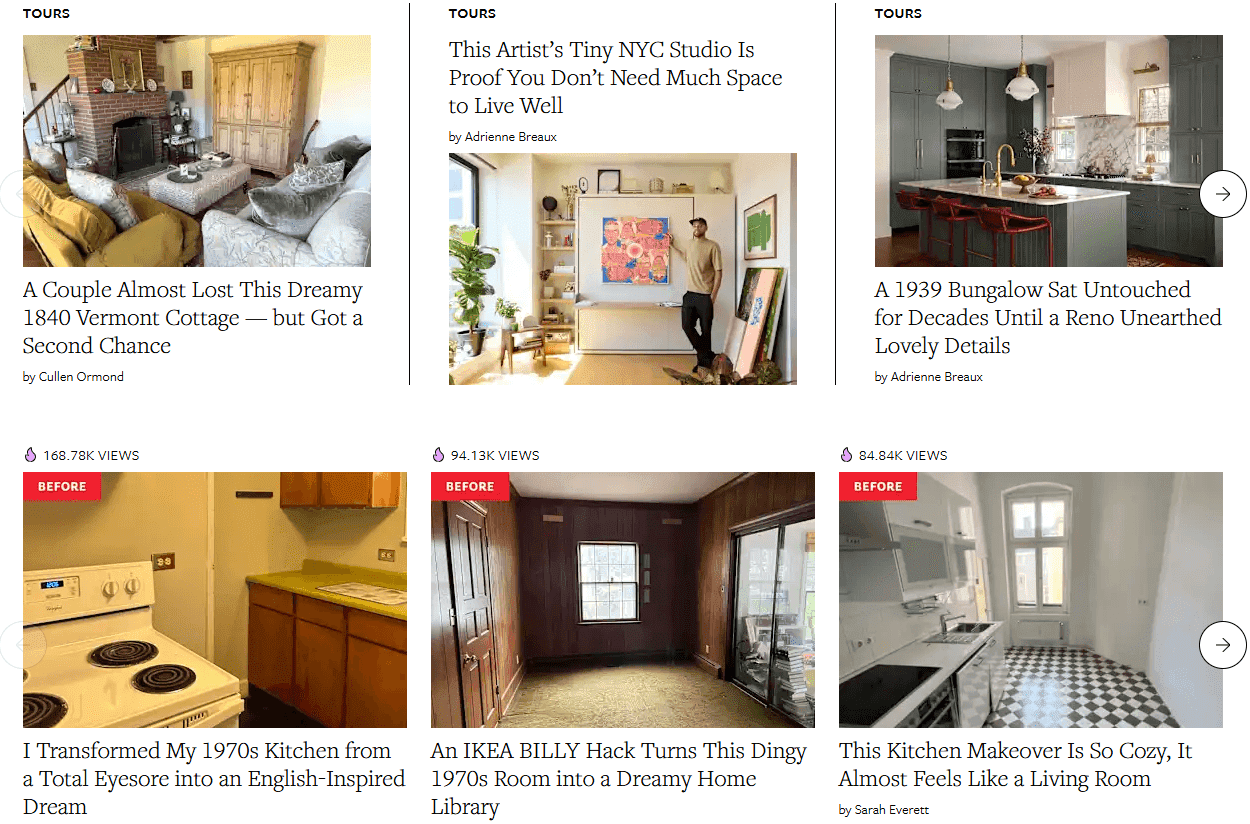
Takeaway: Both blogs show that design is about connection, trust, and usability. They’re very active on social media and use their platforms to drive readers back to their blog website. If you’re building a design blog, take note. Keep your layouts uncluttered and use engaging visuals to boost your copy.
The most successful personal blogs feel like honest conversations. They draw readers in by sharing relatable experiences and life lessons instead of surface-level advice.
Addicted 2 Success is one personal blog example. Founded by Joel Brown, it focuses on motivation, mindset, and personal growth over time. The blog features success stories, interviews, and practical strategies (like writing in a personal journal) that help readers improve their confidence and performance. Each post feels inspiring. It gives readers the push they need to take action in their own lives.

The Everygirl is another great example. It offers lifestyle advice for women on career growth, finances, and wellness. Articles are warm and conversational. They’re often written by contributors who share their personal stories. This approach builds trust and creates a sense of shared experience.

Takeaway: Both blogs show that success in writing in lifestyle spaces starts with authenticity. Readers return because they feel seen, not sold to. If you’re creating your own lifestyle or personal blog, focus on honesty, empathy, and consistency. Build a voice that sounds like you, and your audience will grow naturally.
The most successful tech and marketing blogs don’t only share updates. They teach. They use research, real examples, and storytelling to guide readers through complex ideas in simple, actionable ways. This is how they earn trust and build loyal audiences.
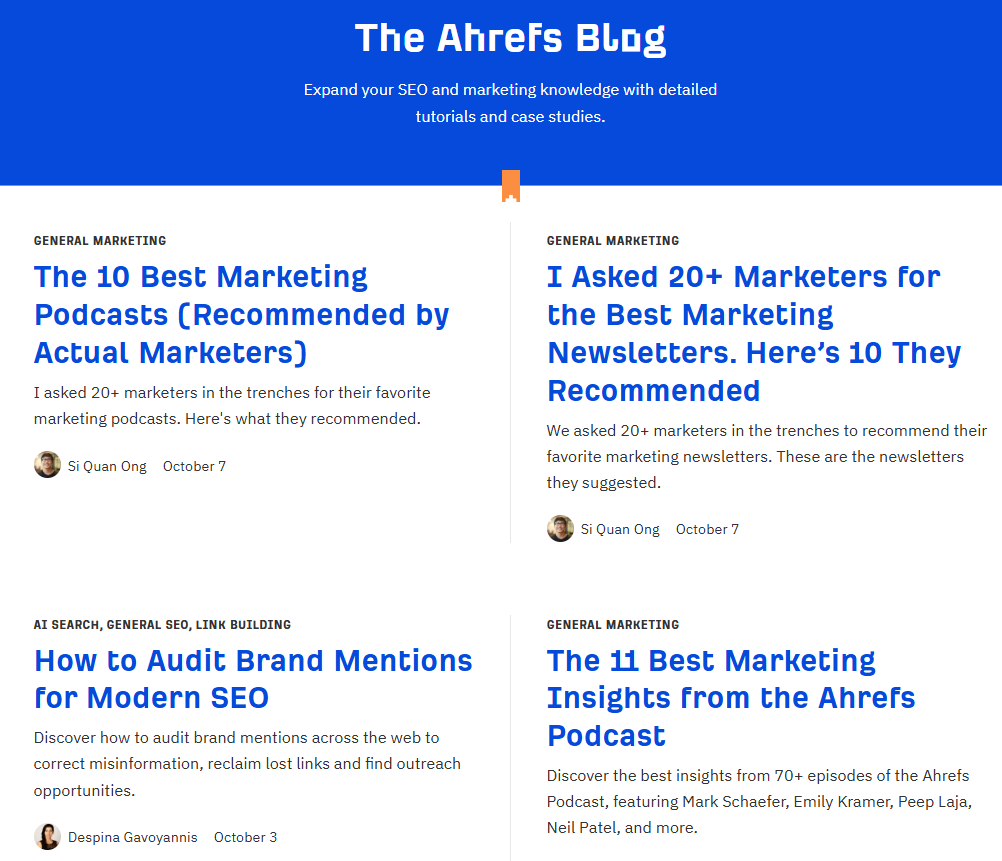
Take a look at The Ahrefs Blog. It posts detailed guides that break down complex SEO and marketing strategies into simple, actionable steps. Each post teaches something valuable. Like keyword research to boost your search traffic, link building, or analytics. The writing is direct and clear, backed by data and recent studies.
Another blog example is HubSpot Blog. It covers every angle of marketing, from social proof and content strategy to customer retention. The articles always include templates, examples, or tools that readers can use right away.

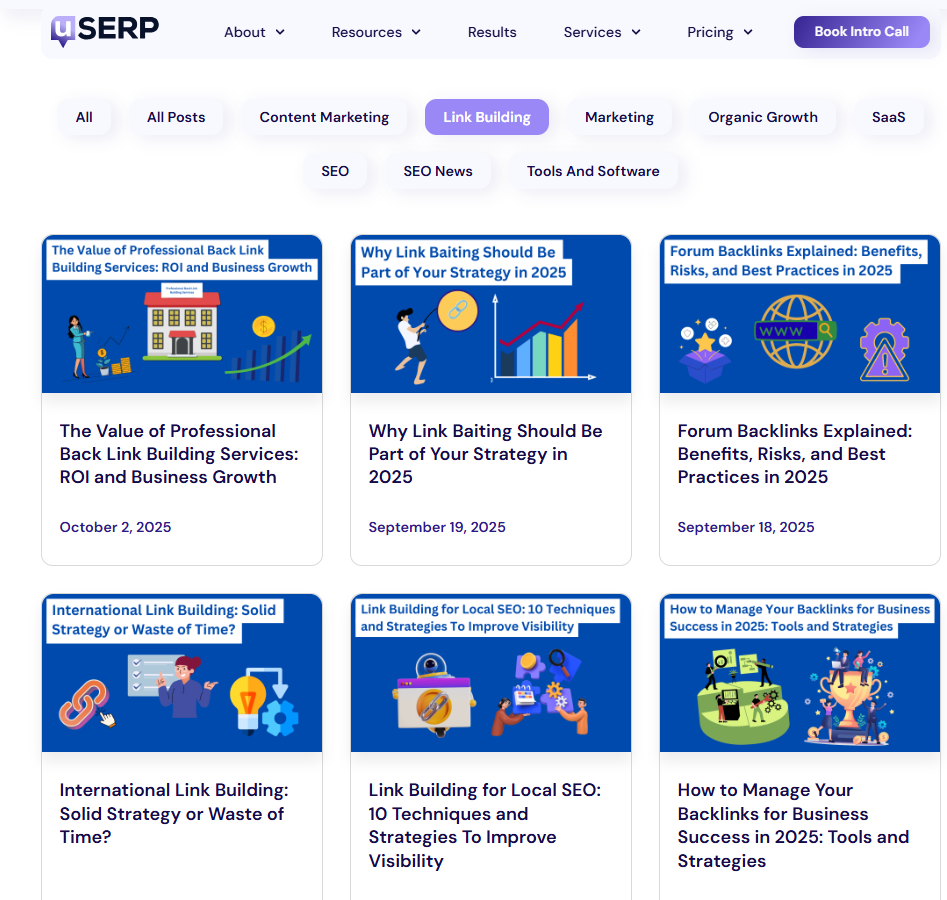
uSERP stands out for its thought leadership in digital marketing and SaaS growth. Its blog goes deep into content creation, SEO strategy, and link building strategies. It helps readers connect the dots between authority and organic growth. The articles use plain languages, strong visuals, and real performance data to keep readers engaged.
Finally, Wordable brings a SaaS-focused perspective to blogging. It teaches marketers and content teams how to speed up publishing workflows and optimize formatting across their content management systems. The blog’s educational focus shows how SaaS tools can solve everyday’s content challenges.

Takeaway: These types of blogs show that business blogging is about value, not volume. When you focus on solving real problems and presenting ideas with clarity, readers see your brand as an authority. And as technologies like Generative AI development services continue to grow, these blogs stay relevant by teaching marketers how to adapt fast.
Some of the most successful blogs are built on expertise in a narrow niche. These sites attract readers who are ready to buy, making them ideal for affiliate marketing.
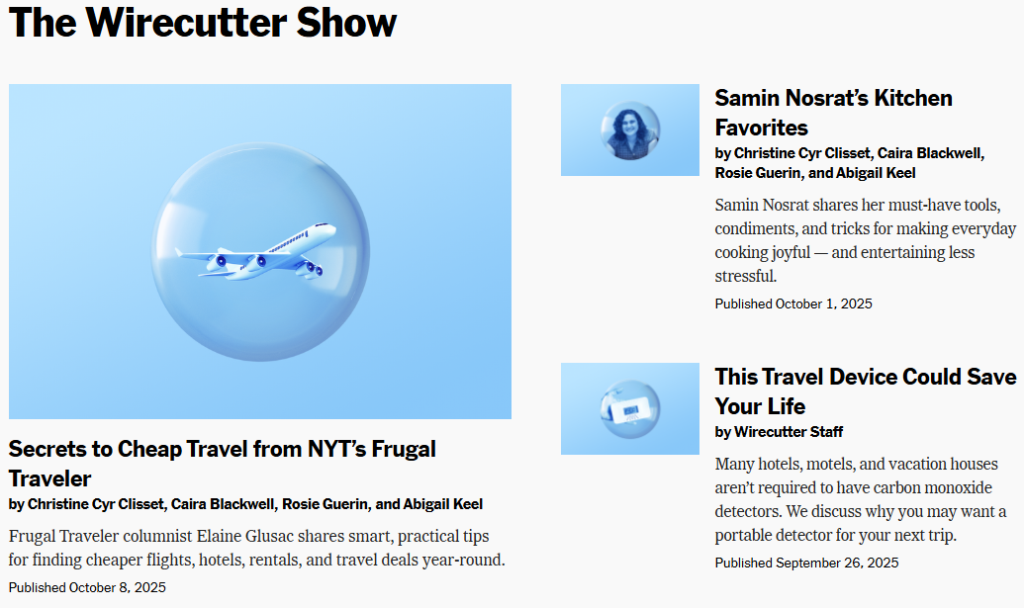
One of the best examples is Wirecutter, now owned by The New York Times. It built its reputation on unbiased product testing and in-depth reviews. Each post is carefully researched, easy to navigate, and full of practical advice. The writing is conversational. And it helps readers make confident purchase decisions.
Wirecutter’s secret lies in trust. Readers know its recommendations are honest, even when they include affiliate links.
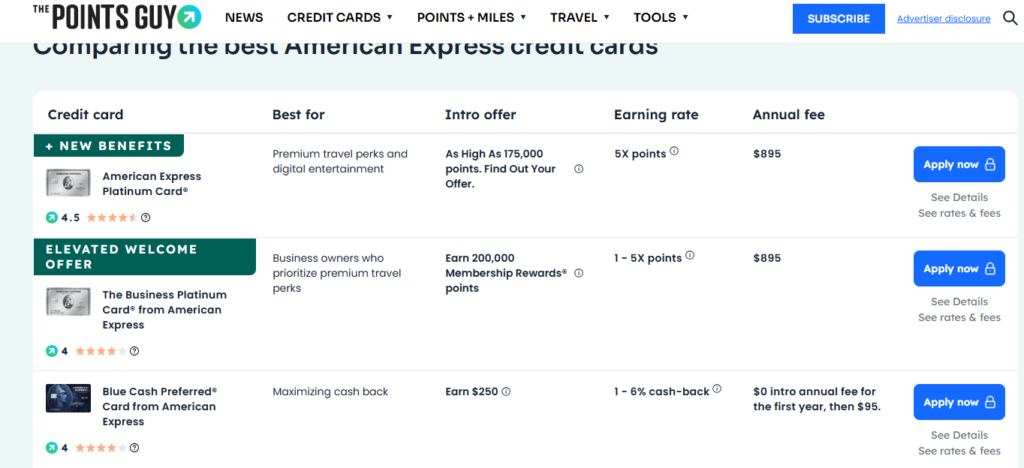
The Points Guy focuses on travel awards and credit cards. It shows readers how to maximize loyalty points for flights and hotels. The blog uses comparison tools and calculators as call to actions to drive conversions.
Takeaway: Both blogs show that success in niche blogging comes from credibility. When readers see consistent value, they don’t actually mind affiliate links. So, if you’re considering incorporating affiliate links into your own blog, start by putting audience trust first. Provide honest reviews and stories backed by research.
The health and wellness niche is one of the most trusted and competitive spaces online. The best blogs in this field focus on credibility, empathy, and clarity. They help readers make smarter decisions about their bodies and minds.
Take Healthline as a blog example in the health niche. It’s built its reputation on medically reviewed articles that cover every health topic. This includes nutrition, mental health, and sexual health, among others. The writing feels friendly but reliable. Each post is fact-checked by medical professionals and organized with clear blog categories. This balance of accuracy and accessibility keeps readers coming back.
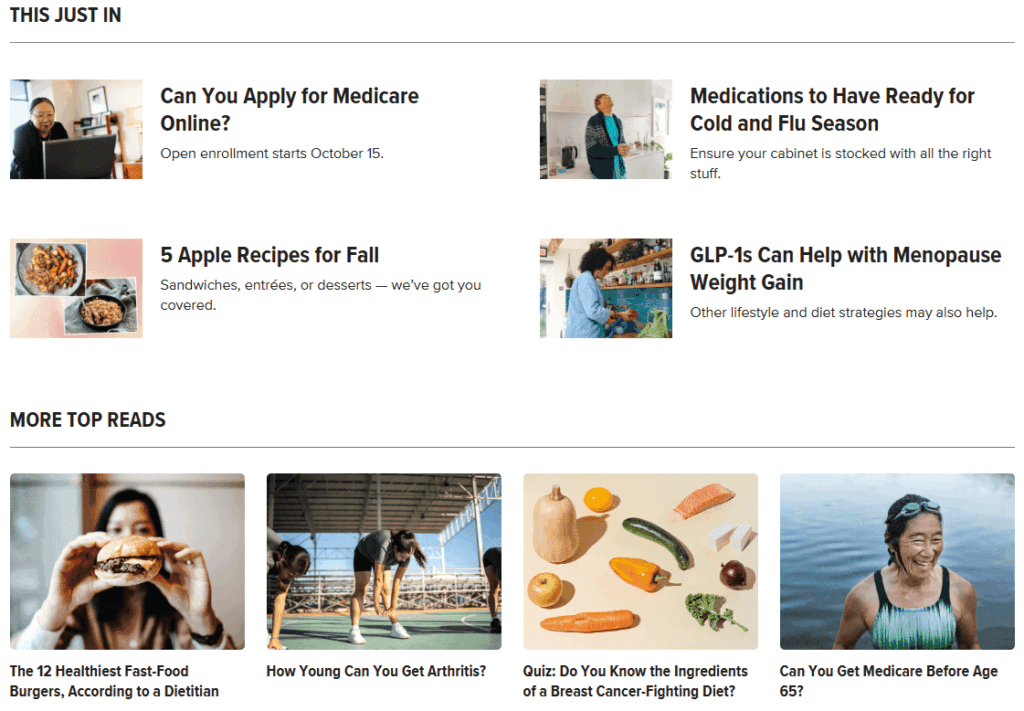
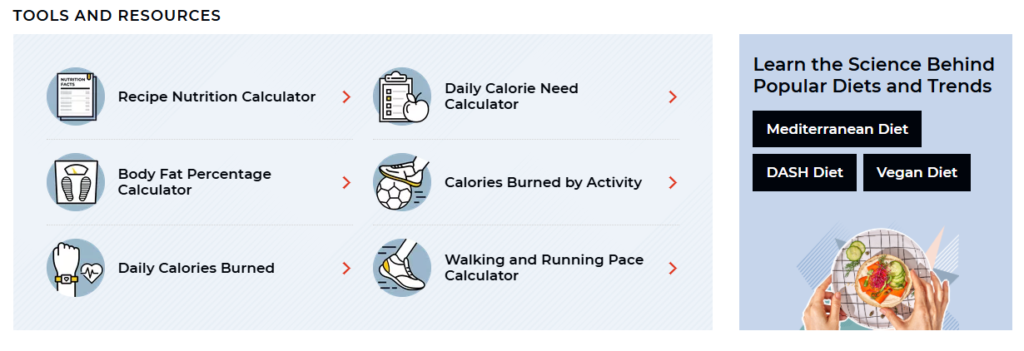
Verywell Fit is another health blog. It turns expert advice into simple, actionable tips. The blog uses multimedia content like videos, illustrations, and photos to make complex health information easy to understand. Articles are relatable, and designed to give readers quick wins in their daily life.
Takeaway: Both blogs show that trust and usability go hand in hand. Readers rely on them because the content feels genuine and science-backed. If you’re building a wellness blog, focus on helpful content and clean blog design. Use plenty of white space, cite reliable sources, and always write with your audience’s well-being in mind.
The best blog examples prove one thing: Quality content never goes out of style. They show that trust, value, and consistency are what keep readers coming back. Regardless if you’re writing about design, wellness, or tech. Your success depends on creating content that teaches, inspires, and solves problems.
Want to publish faster and focus on what matters—writing great content? Try Wordable. It lets you export Google Docs straight to WordPress with perfect formatting in seconds. Learn from these successful blogs, streamline your workflow, and turn your idea list into a professional, high-performing blog.