


Thinking about building or extending a content team? You’re in the right place!
I’ve done both, and let me tell you … you’re in for a ride. 😂
One lesson I learned pretty quickly? The ownership structure matters just as much as the people you hire.
The problem is that many companies hire content talent without clearly defining ownership. So writers end up managing projects. Content managers become SEOs. And editors get sucked into client meetings when they should be finalizing content. Before long, content quality and team communication begin to suffer.
The good news? When you assign the right content team roles and responsibilities, your team can work together like a well-oiled machine.
In this guide, I’m showing you what that looks like.
Keep reading to learn what each content role is responsible for (based on real experience!). Whether you’re building a small team or a large content department, this breakdown will help you run smoother content operations. 👇
Highlights
Content team roles and responsibilities vary from one company to the next. But most teams I’ve worked with include a mix of strategy, production, promotion, and reporting roles.
Key roles include:
Keep in mind the roles you need might be different than what another team needs.
In smaller companies, one person might handle several responsibilities. (This can get risky, TBH.) In larger organizations, each function might have a dedicated content specialist or team.
The goal stays the same no matter the size: Create good content that reaches the right people and supports your business.
Let’s take a deeper look into who owns what on a content marketing team. 👇
SEO specialists own search-driven content direction. Their biggest responsibility is deciding where the team should invest its content resources.
They find topics worth targeting, figure out which keywords belong together, which pages should link to each other, and where content gaps exist.
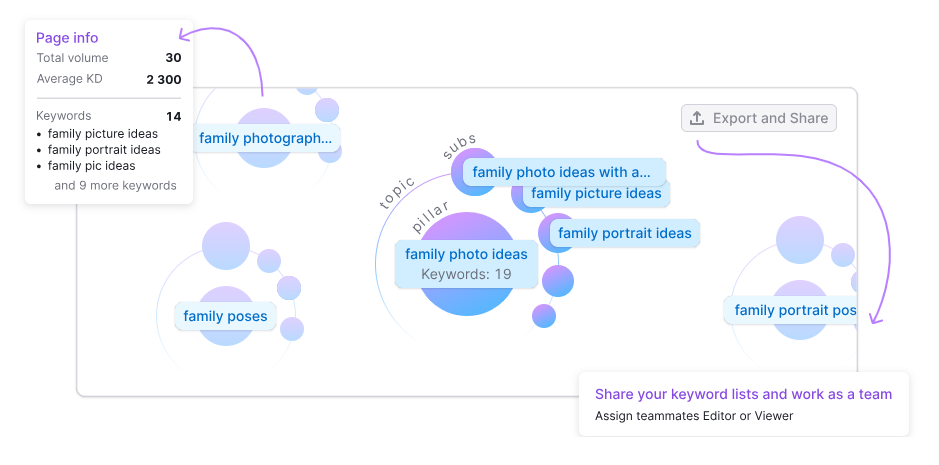
This team also measures content performance after publication.
If rankings drop, traffic declines, or a topic cluster isn’t performing, the SEO team investigates why and recommends fixes.
One of the biggest mistakes content teams make is allowing writers or stakeholders to choose topics based on assumptions. SEO specialists exist to replace those opinions with real data.
➜ Key responsibilities: Keyword research, topic cluster planning, and competitive SERP research. Also responsible for performance analysis and reporting.
Content strategists own the overall content strategy.
SEO specialists focus on what people are searching for. Content strategists focus on how content supports your broader business goals. They spot gaps in the customer journey, shape messaging, and build frameworks that keep the entire content program on track.

(Image by Ioana)
They also think beyond individual articles. Instead of asking, “What should we publish next?” they’re asking, “What content ecosystem do we need to build over the next six to twelve months?”
Their job is to ensure every piece of content contributes to a larger objective, such as increasing brand awareness, generating leads, supporting sales, or improving customer retention.
This is an essential role. In fact, according to CMI research, 97% of marketers have a content strategy. But strategy only helps if someone owns the direction, connects it to business goals, and turns it into a repeatable content system.
Without a content strategist, you’ll end up with a bunch of disconnected articles.
➜ Key responsibilities: Content strategy creation, customer journey mapping, messaging development, and content planning.
Content managers own the content creation program.
Once SEO specialists find opportunities, content managers decide what to do with them. They plan the calendar, prioritize topics, write briefs, handle distribution, and keep everything tied to the bigger marketing goals.

Content managers are also responsible for balancing resources. If the team can only publish four articles this month, the content manager decides which four deserve attention.
When a company struggles to turn a content marketing strategy into consistent output, a content manager is usually the missing piece.
➜ Key responsibilities: Create briefs based on targeted keywords and clusters the SEOs chose. Also includes writer management, content governance, and editorial calendar management.
Writers and content creators own the content creation process.
Having SEO writers, copywriters, and content creators on your team helps you cover more channels and reach more people.
Content writers create content that matches what people are searching for and supports your business goals. They research topics, talk to experts, look at what competitors are doing, and think through what readers actually want to know.
Their skills are especially important if you need long-form or B2B content, such as blog posts.

Copywriters help you write copy for your sales assets. They handle landing pages, ads, and website copy.
Content creators produce visual content such as short-form videos and social media carousels. For illustrations, logos, or graphic design, you’d bring in a graphic designer.
➜ Key responsibilities: Making or writing content that aligns with content briefs, sourcing research/stats/quotes, and structuring pieces properly. Also includes meeting SEO guidelines and sales copy support.
Project managers own execution.
Unlike content managers, they don’t focus on deciding what content gets created. They’re focused on ensuring content is completed.
They build timelines, assign work, manage deadlines, and remove blockers. Their job is to keep writers, editors, SEO specialists, and publishers all on the same page.
A good project manager doesn’t decide which topics to cover or what the content strategy should be. Their job is to ensure the approved strategy is executed without missed deadlines, unclear handoffs, or last-minute confusion.
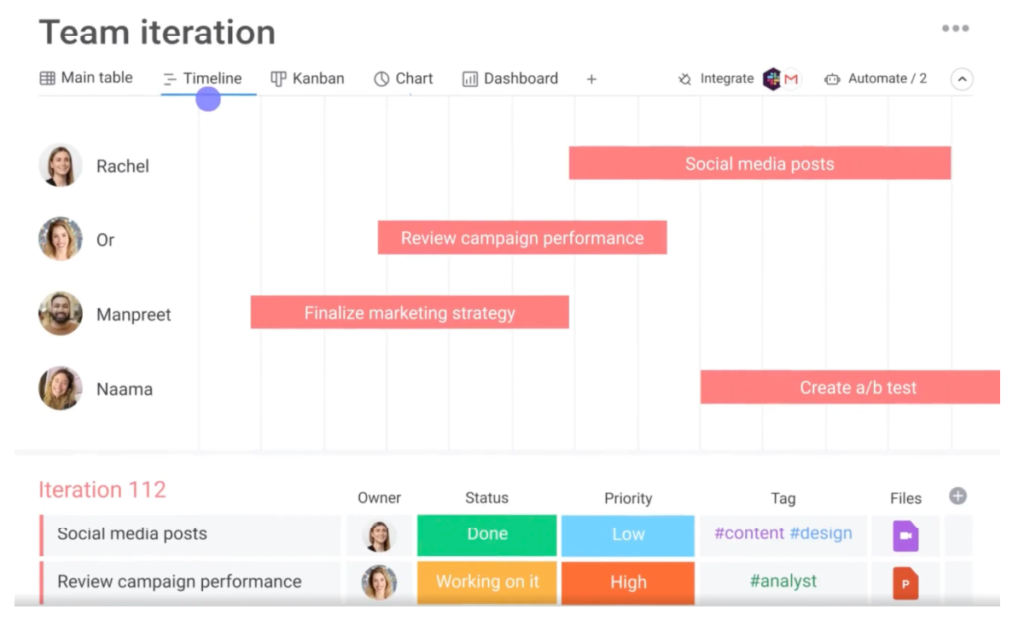
➜ Key responsibilities: Deliver projects on time and keep the workflow running smoothly.
Account managers own the client relationship.
This role is most common in agencies and outsourced content teams.
In that setup, the account manager serves as the liaison between the client and the internal team. They don’t need to manage every draft or edit, but they do need to keep expectations clear so the team knows what to deliver and the client always knows what’s coming next.
While project managers focus on internal execution, account managers focus on external communication. They gather requirements, share progress updates, and make sure content aligns with what the client is trying to achieve. They also manage expectations.
If a client needs extra work, wants to shift priorities, or has strategic questions, the account manager handles it.
➜ Key responsibilities: Build trust, improve client retention, and create long-term partnerships.
Editors own content quality.
They check whether a piece delivers on its promise, targets the right keyword, and matches the brand voice and guidelines.
Many editors review content in layers. (For example, they’ll conduct developmental edits, SEO edits, and line edits.)
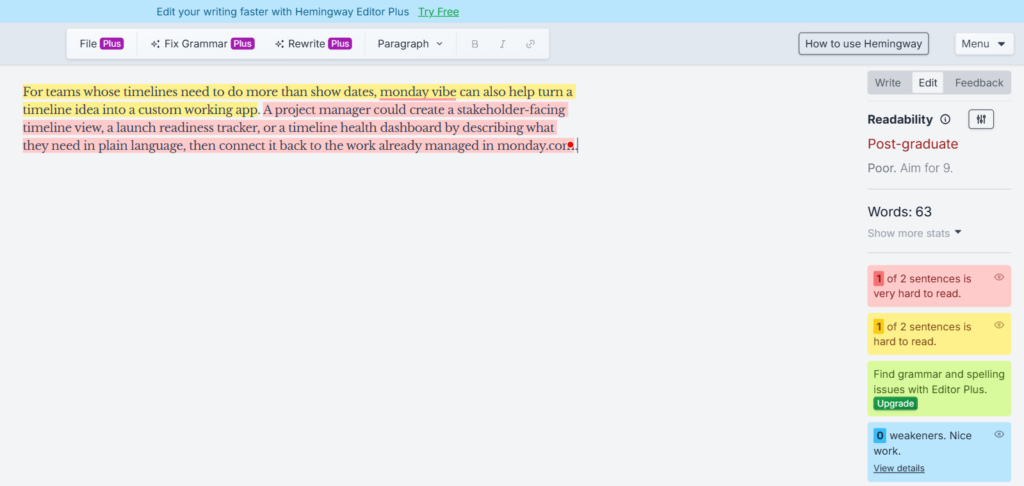
The strongest editors I know improve pieces without rewriting the writer’s voice.
➜ Key responsibilities: Reviewing content against the brief, editing for clarity and SEO, and polishing the final piece. ✨✨
Stagers own publication readiness.
Their responsibility begins once the content receives final approval.
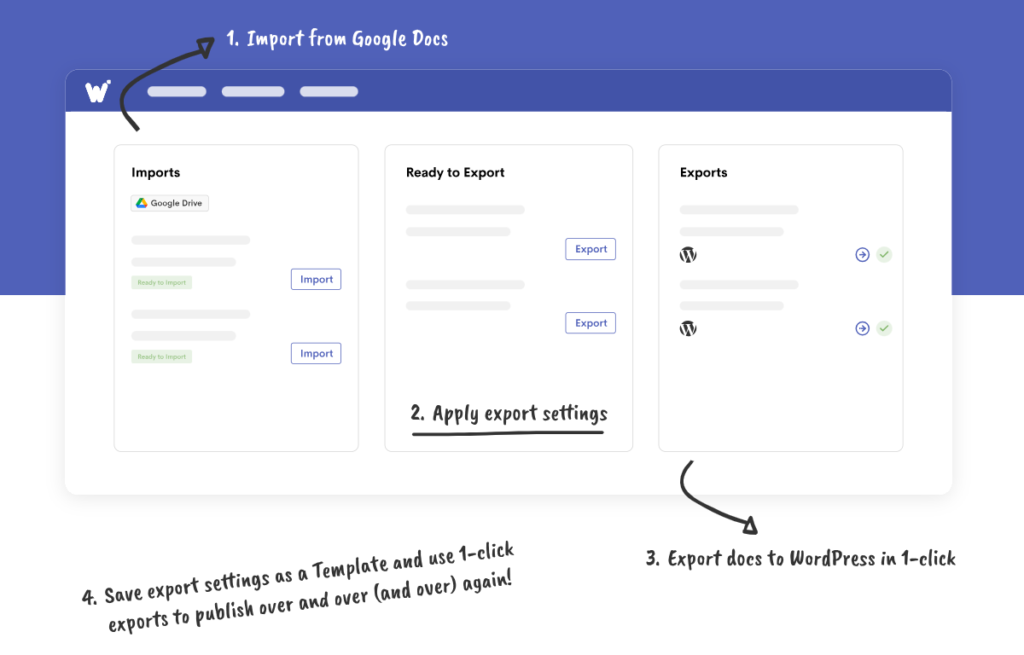
At this stage, they make sure content looks good and works correctly in your CMS. They check formatting, metadata, images, links, calls to action, and mobile usability.
A missing CTA or broken internal link can directly affect conversions and user experience. Stagers help prevent those issues before publication.
➜ Key responsibilities: Final content formatting, uploading content into the CMS, and publishing content.
P.S. The best stagers use Wordable to speed up content formatting and publishing. 😉
Digital PR and link-building specialists own content promotion.
For reference, only 6% of marketers rely on just one or two marketing channels, according to HubSpot research.
Their job is to build relationships with journalists, bloggers, influencers, and website owners. They pitch stories, earn backlinks, and find ways to get content in front of bigger audiences.

Many companies invest heavily in content creation without investing enough in promotion. (And then they wonder why their valuable content receives minimal visibility … 🙃)
Digital PR specialists help solve that problem. They ensure that great content attracts attention rather than going unnoticed on a website.
➜ Key responsibilities: Conducting outreach, managing communication with journalists, publishers, and affiliates/influencers. Also includes booking guest posts and building white-hat links (via niche edits, broken-link fixes, the skyscraper technique, etc.).
Ready to build or outsource your content team?
The different roles you choose to hire for will depend on your company size and goals. If you run a small team, you might get by with an SEO strategist, a content manager, and a few writers. But if you run an enterprise, you may need distinct departments, each with its own content director.
Check out our piece on How to Structure a Content Team for the exact layers you need and how to pick who to hire.
And if you’re looking for a faster way to publish your pieces (without the formatting headaches), you HAVE to try Wordable.
Absolutely. In smaller companies, one team member often wears several hats. For example, a content manager might also handle content production, distribution, and reporting.
That said, once your budget allows, specialized roles usually lead to better results.
As your content efforts grow, I recommend splitting those responsibilities across multiple people.
A content manager oversees your content operations. They manage planning, briefs, workflows, and priorities.
A content editor reviews and improves content before it gets published.
Both models can work. Many businesses use freelance writers to scale production while keeping a smaller in-house team. The right choice depends on your content goals, budget, and internal expertise.
Some companies find it easier to outsource content production to an agency than build everything in-house.
(Get ready to pay way more if you DIY it.)
Content performance is usually a shared responsibility.
For example:
Visual content may be created by designers, video creators, or content creators.
Writers and content managers may also source images, infographics, and screenshots as needed.
That depends on your content goals and budget.
Most small teams start with an SEO specialist, content manager, and writer. As your content program scales, you can add specialized content roles such as editors, account managers, and Digital PR specialists.
In many organizations, yes.
A social media manager can help you distribute content, repurpose content pieces, and extend your content’s reach. They often work closely with content managers, writers, and Digital PR specialists.
Consider hiring an email marketing specialist once your audience and content library start to grow.
They can help you distribute successful content, nurture leads, and get more value from the content you’re already creating.
Start with documented workflows, content briefs and SEO briefs, editorial guidelines, and clear ownership. These systems help your team stay consistent even as production volume grows.
Great content marketing teams consistently create impactful content.
They understand their audience, collaborate harmoniously, and align content efforts with business goals. Every role understands how their work contributes to the success of the entire content operation. ✨