


Healthcare search feels different now. A patient types a question, pauses, and the answer appears instantly.
No scrolling. No links.
If you’re searching for a healthcare SEO agency, this is the environment you’re stepping into. It’s shaped by AI Overviews, generative engines (i.e., ChatGPT, Claude, and Gemini), and Google’s generative search experience (GSE).
Not every agency is ready for that reality. This guide reviews the providers that understand medical content, HIPAA compliance, and how visibility actually works inside AI search engines. By the end, you’ll know which partner can help your healthcare organization build real trust, not just rankings.
The days of simple Google SEO are behind us. Today, patients often see answers before they visit a website. They submit a query. And the medical information appears as an AI Overview summary. Most of the time, this helps the user make their decision before they click for answers.
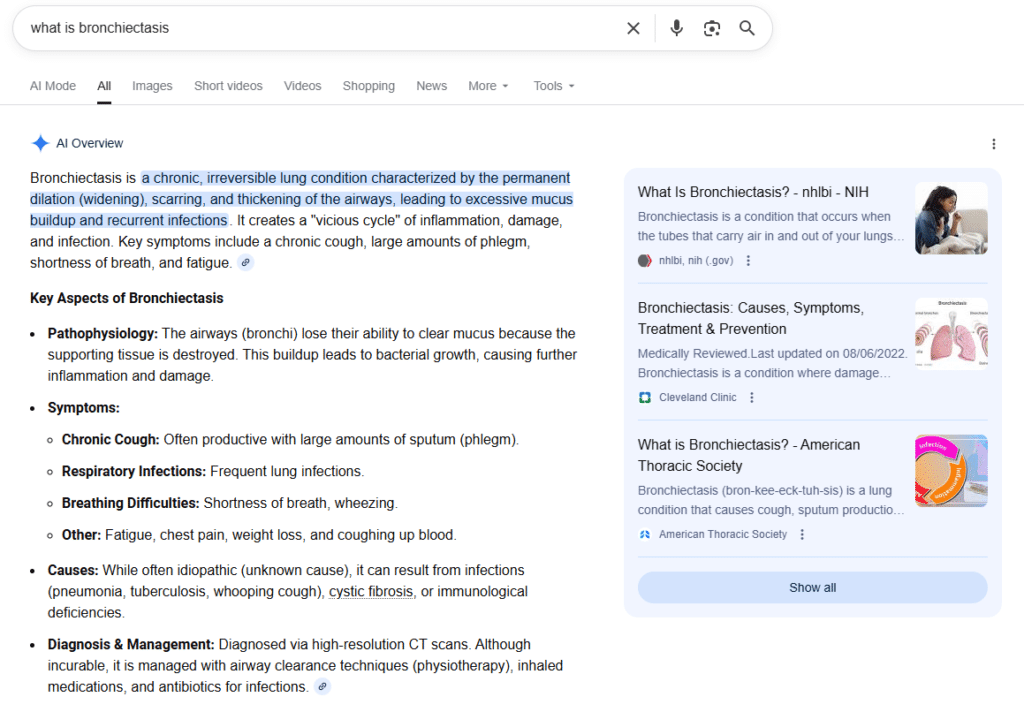
Screenshot provided by the author
That’s where AI-forward content planning comes in. Search is no longer just about ranking pages. It’s about whether AI systems trust your content enough to summarize, reference, or recommend it at all.
This is what generative engine optimization (GEO) really means. Visibility now depends on being the source that AI pulls from. If your medical practice isn’t treated as a credible source of truth, it simply doesn’t show up in meaningful ways.
Healthcare SEO isn’t a place for experimentation. When someone searches for medical information, the consequences of getting it wrong are real. That’s why Google treats healthcare content differently from almost every other industry.
Medical pages fall under the Your Money or Your Life topic category. This means search engines apply far stricter standards to what ranks and what disappears. If your content creation process lacks:
Visibility drops off fast.
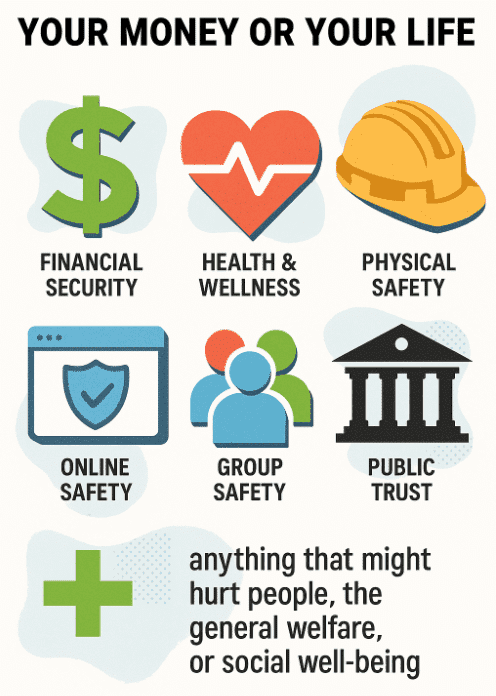
This is where many brands get stuck. A general digital marketing firm may know how to drive traffic. However, healthcare search requires deep industry knowledge, regulatory awareness, and a long-term approach to authority. A specialized healthcare SEO agency builds for that reality from day one.
When someone searches for LASIK surgery, Google wants proof of E-E-A-T. Who wrote this? What experience do they have? Why should we trust this page with real health decisions?
A healthcare-focused agency knows how to surface that proof. They connect credentials, experience, and authorship to your digital presence. Without those signals, even accurate content struggles to earn visibility in Google SERPs.
A general digital marketing firm might not understand HIPAA compliance. They might accidentally set up Google Tag Manager in a way that leaks patient data. Or, they might write Google Ads copy that violates medical board regulations.
Specialized agencies build optimized websites with privacy at the core. They ensure every part of your patient communication is secure and legal.
The way people search for health information starts with “symptom checking”. Then it moves toward a specific lead-generation goal. This could be booking an urgent care service.
A great agency maps out this entire journey. They use full-funnel keyword strategies to meet the patient at every step. They understand the user intent behind a “why does my back hurt” search versus a “top spine surgeon near me” search.
Choosing a healthcare SEO agency is about finding a partner that understands how healthcare search works today. Some organizations need to scale locally. Others need authority, compliance, or support for complex platforms.
The agencies below stand out because they focus on what matters now. Not tactics that worked in the past.
uSERP is a growth-focused SEO and digital PR agency known for one thing above all else: Authority. They don’t chase rankings through volume. They help brands earn trust at the source level. That means placements, mentions, and citations in publications that search engines already rely on.
What makes uSERP especially strong in healthcare is how they approach credibility. Medical SEO lives and dies by E-E-A-T. uSERP builds those signals by:
This matters even more because of AI Overviews. When AI systems decide what to summarize or cite, they look for brands that already carry weight. uSERP’s digital PR strategy helps healthcare companies show up as references. Even when users never click through to a traditional result.
Pricing: uSERP has different packages for link building, content production, and LLM services. These start at $10,000 per month.
Cardinal is a healthcare-focused agency that helps providers grow across many locations. Instead of treating each market as a one-off, they design systems that work across regions and still feel local.
What makes Cardinal stand out is how they handle complexity. It structures site architecture, local content, and Google Business Profiles so that every location supports the larger network rather than competing with it.
That approach works well in healthcare, where patient demand is highly local, but brand trust is shared. Cardinal’s strategies account for how patients actually search in different cities, while still tying performance back to measurable outcomes. For large provider groups, that consistency matters.
Pricing: Pricing isn’t available on the website. The agency offers a custom pricing plan based on the client’s needs.
Intrepy is a healthcare digital growth agency built for practices that want more than traffic. They focus on turning websites into patient acquisition machines. That means strong medical SEO, local visibility, and tailored content. Their team has spent years in the healthcare space. So they speak the language clinicians and practice leaders actually understand.
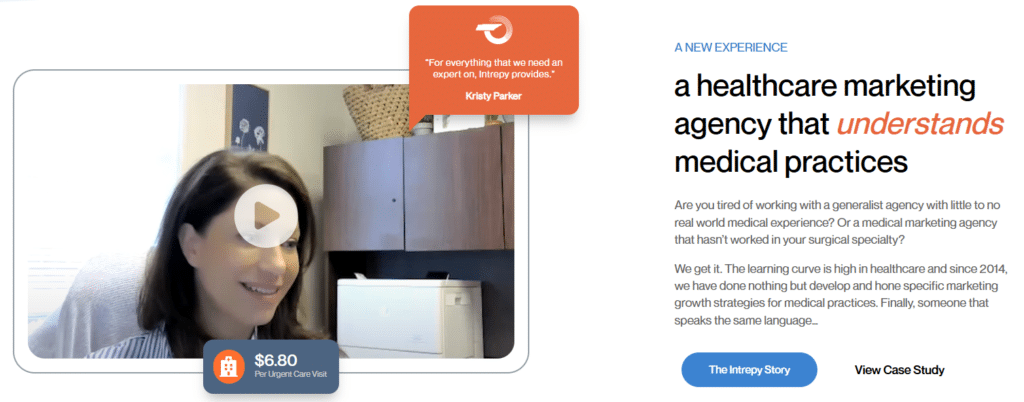
What sets Intrepy apart is its deep work in specialty practices, where each lead is high-value. They know orthopedics, spine care, med spas, and other fields. This is where targeted visibility can change a practice’s growth curve. They also build custom websites and patient-centric campaigns that account for search behavior at every stage of the journey.
This focus on measurement, medical nuance, and patient intent makes them a strong choice for organizations seeking structured, sustainable growth. Especially when standard SEO approaches fall short.
Pricing: Intrepy’s pricing plans aren’t available on its website. Get in touch with them to receive a custom quote.
First Page Sage is a content agency that focuses on credibility. Their work starts with the assumption that ranking in healthcare comes from being genuinely useful. Not from publishing more pages than everyone else. They help brands earn attention by producing something worth reading.
This approach fits healthcare especially well. Medical content carries significant weight. This is because people rely on it when making decisions. First Page Sage creates long-form resources that reflect real expertise and clear thinking. The goal isn’t just to drive traffic. It’s becoming the source patients, professionals, and search engines trust over time.
Pricing: First Page Sage’s pricing plans aren’t publicly available. Reach out to their team for a custom quote.
SmartSites is a digital marketing agency that helps brands get seen and heard online. Their team focuses on the “last mile” of the patient journey. They make sure that once someone finds your medical practice, they actually book an appointment.

SmartSites looks at how pages perform once people arrive. That means fast, responsive design (especially on mobile phones) helps reduce bounce rates and boost appointments. (Remember, Google prioritizes mobile-accessible websites when it comes to ranking.)
It’s important to consumers, too. Over 60% of them prioritize online appointment scheduling when selecting a new provider or location (Source: KyruusHealth). SmartSites also supports things like analytics and site development to help patients find what they need quickly.
Pricing: SmartSites typically works on custom retainers or project quotes. Get in touch with the team to get your free proposal.
Healthcare Success is a full-service agency that helps hospitals, health systems, and medical practices attract patients and grow their brands. Their team handles digital strategy, SEO, content, and more. All with an eye on healthcare’s unique needs.
They treat SEO as part of a bigger picture. Search performance connects to brand perception, patient confidence, and how people recognize a healthcare organization across channels. Healthcare Success aligns SEO with broader campaigns. This means patients can see the same message both online and offline.
They also bring experience across many types of healthcare. From hospitals to long-term care to life sciences, they understand how different audiences search and act. That lets them support enterprise-level SEO strategies that match real-world healthcare behavior.
Best for: Large hospital systems, multi-location healthcare networks, and healthcare brands that want an integrated partner for long-term visibility and growth.
Pricing: Pricing isn’t publicly available. However, you can contact Healthcare Success for a custom quote if you’d like to work with them.
Officite is a healthcare digital marketing platform that helps medical practices grow online. They focus on visibility, reputation, and patient engagement in ways that make sense for clinics and solo practices.
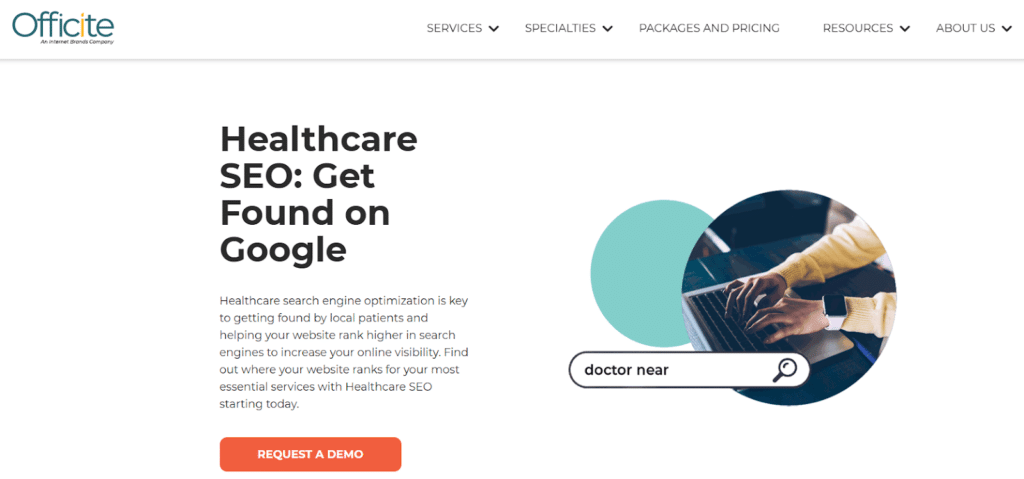
Officite’s team goes beyond basic optimization. It looks at content structure, local visibility, and real patient behavior to get sites seen by people who are actively searching for care. They also support reputation management, review monitoring, and localized search strategy. This helps practices show up where it truly matters.
Pricing: Officite uses customized pricing based on your practice’s needs and goals. You can directly discuss what your goals are with them, and they’ll tailor a plan for you.
Your healthcare SEO partner should understand the risks and responsibilities that come with healthcare search. You have to look past surface-level promises and see how the work actually holds up.
Start with proof. Ask for case studies that involve real healthcare brands and HIPAA compliance. Pay close attention to how they handle content. Do they rely on qualified writers and reviewers, or do they rely solely on AI?
AI’s use in marketing is growing fast. In fact, its global revenues are expected to exceed the $100 billion mark by 2028, according to Statista. However, you can’t just rely on AI-only content if you’re posting blog posts regularly. It doesn’t pass E-E-A-T checks for long. And it should always undergo a human final check.
Next, look at how they measure success. Rankings and impressions look nice in reports. However, they don’t keep the lights on. A strong partner ties SEO to outcomes using tools like Google Analytics and Google Tag Manager. Calls, forms, and booked appointments should be part of the conversation.
Finally, ask how deep they go technically. A solid backlink profile helps, but it can’t fix a broken site. Agencies should review site structure, internal links, and metadata. This ensures that search engines can actually crawl and trust your content. Without that foundation, even good SEO work struggles to perform.
Healthcare search rewards pages with high credibility. When a patient asks a question, these appear in search results (including AI Overviews). This means the user doesn’t have to click on a page to get the answer they’re looking for.
The agencies that last understand how trust is built, protected, and reinforced over time. Especially in a space where accuracy actually matters.
For more on SEO, content workflows, and scaling efficiently, visit Wordable’s blog. We publish new insights regularly for startups and growing teams.