


Many ecommerce blogs publish content at scale but never see real results.
Traffic stalls. Trust stays low. And conversions don’t move.
I’m betting … they don’t have a solid SEO content strategy.
To create a winning ecommerce blog in 2026, you have to have an SEO content strategy that’s grounded in how YOUR audience searches and buys online. In this guide, I’m showing you how to do exactly that.
In 2026, blogging matters for ecommerce because it does work that product pages can’t.
It attracts search traffic earlier, builds confidence, and encourages conversions without forcing them.
Here’s what a strong ecommerce blog brings to the table.
A strong ecommerce blog should work like a library, building a body of content that search engines learn to trust over time.
Each post should:
Instead of chasing rankings one keyword at a time, you create original content with depth around the real problems your customers care about.
These articles compound.
A post you publish today can support rankings months later by feeding authority into newer pages. Over time, your site stops looking like a collection of product listings and becomes a reliable source of information in your niche.
And it works.
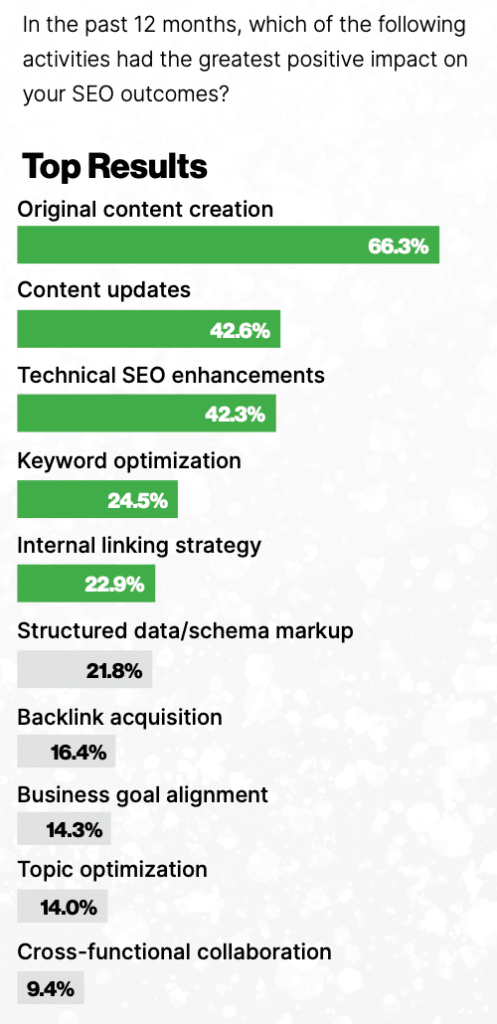
Search Engine Journal’s 2026 State of SEO report found that 66.3% of SEO professionals say original content had the biggest influence on SEO performance over the last year.
Screenshot provided by the author
To trust a brand, people want evidence that the company knows what they’re doing.
A good blog shows how you think about the space you operate in. It clearly explains decisions, tradeoffs, core values, and best practices in a way that feels grounded in experience. It shows that you know your audience deeply. Content like this signals competence, which in turn builds trust.
Recent research published in Quantitative Economics and Management Studies supports this.
The study found that when content closely matches what people are looking for and is clearly explained, trust increases.
A high-quality ecommerce blog prepares people for conversion.
It answers questions that would otherwise slow buyers down or push them to keep shopping around. By the time customers reach a product page, they already understand the context. This makes them feel more confident in moving forward.
A strong ecommerce blog follows clear patterns that search engines understand and that readers enjoy. Follow this step-by-step guide to build an ecommerce blog that turns browsers into buyers.
Learn how your most valuable customers search and decide. (If you serve multiple audience types, research each customer group.)
To start, look at your best existing customers to see what content already resonates. Look for those who engage and spend the most.
Review your:
Tools like Google Analytics, Klaviyo, and Hotjar can help you find these patterns.
Next, build a keyword list that attracts those exact customers.
Focus on:
Use keyword research tools like Ahrefs or Semrush to see the exact terms people use at different stages of the buying journey. Look for awareness (early questions), consideration (comparisons and options), and purchase-ready keywords.
And pay special attention to long-tail searches. They’re usually less competitive and signal stronger buying intent from a niche audience.
You can see this approach in action with Squarespace.
Its blog targets specific audiences with practical how-to guides that solve real problems and capture long-tail keywords.
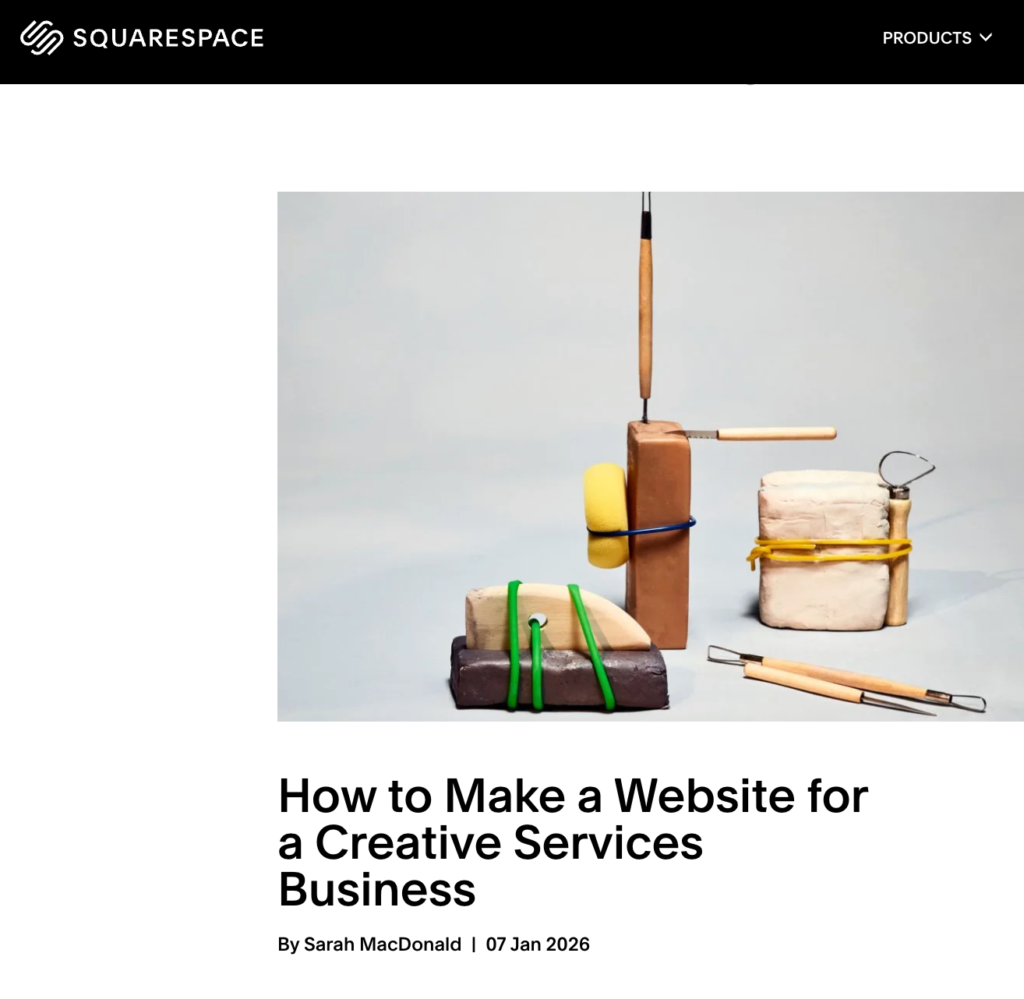
For example, the post “How to Make a Website for a Creative Services Business” targets a valuable audience segment that’s actively planning a site. This makes it easier to rank for its target market and naturally guide those readers toward conversion.
Google rewards depth over volume. It’s looking for your website to show that your ecommerce brand truly understands a topic.
One of the most effective ways to demonstrate depth is through a pillar-and-child page structure. (Also called topic clusters.)
Most importantly, every child page links back to the pillar to create a topic cluster. This gives Google’s spiders a map to understand your site’s hierarchy and connectedness.
Shopify does this well.
It organizes its content into topic hubs that support brand building, marketing tactics, and long-term growth strategies.
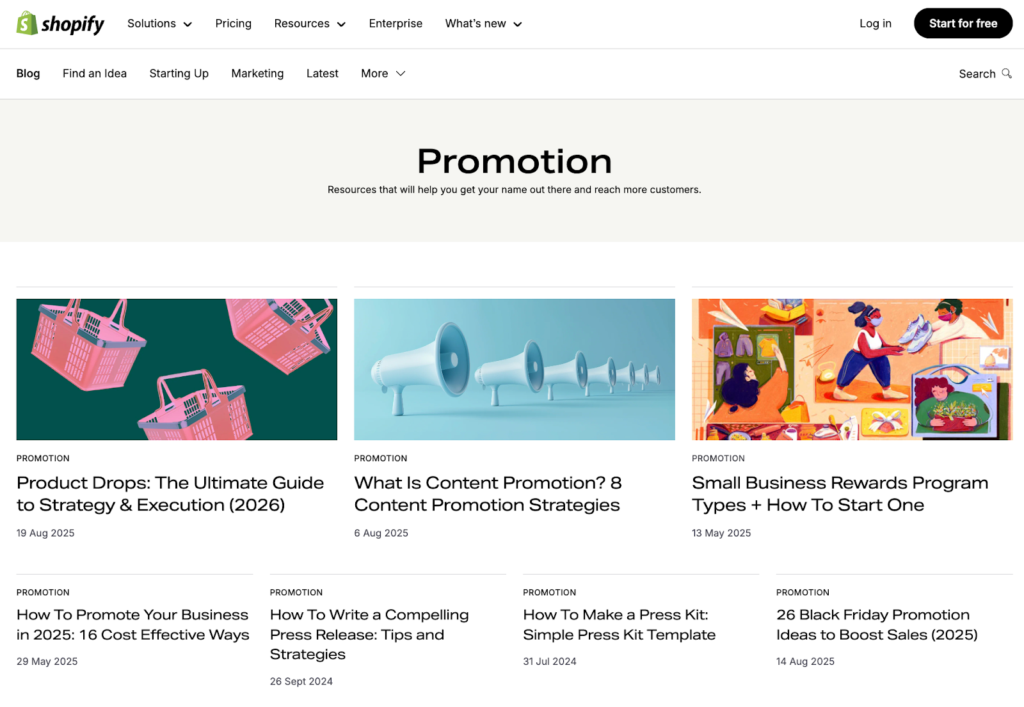
Each blog includes internal links feeding authority back to the main hub pages. This structure makes it clear what Shopify wants to rank for and why.
Add an FAQ section to every page. Instead of guessing keywords, answer the exact questions users ask next in your blog content. By doing this, you capture long-tail queries.
This helps your article show up in more search results and increases your chances of winning featured snippets. It also keeps people on the page longer by resolving uncertainty in one place.
To do this, pull questions from:
Write answers that start with a clear response first, then add context. Keep them tight and easy to scan.
You can see this strategy on Wix’s blog.
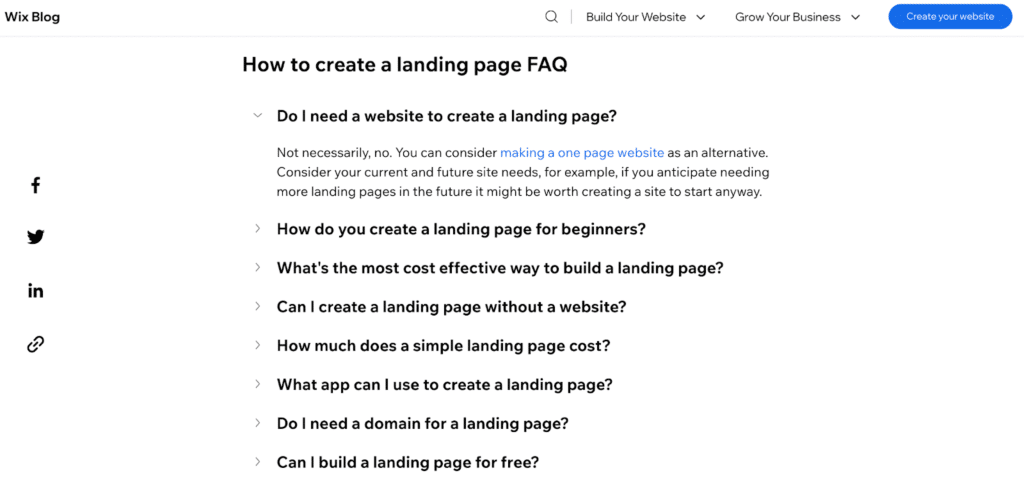
Wix adds relevant FAQs to every blog post, helping each article rank for more specific searches without bloating the content.
A backlink is a link from another website to your site. Search engines treat these links as signals that your content is credible and useful, which can improve search rankings.
To get backlinks, consider outreach. Reach out to partners, industry sites, relevant publications, and influencers.
Focus on your most popular articles, guides, original reports, or pillar pages that others naturally want to reference.
Tracking performance shows you what drives traffic and conversions. Use tools like Google Analytics and Search Console to monitor rankings, clicks, and on-page behavior.
This’ll show you where to focus your efforts. Double down on high-performing posts, refresh underperforming content, and adjust topics based on real audience response.
If you want to scale your ecommerce content, this is how you get the best results.
Below are a few additional tactics that real ecommerce brands use every day. These examples show how strong blogs turn strategy into results.
When you share real internal data instead of recycled advice, you show genuine expertise.
This matters because original insights do two things:
Together, this strengthens your search ranking and increases your search traffic.
To do this well, start with data you already own.
Look at your analytics and reporting dashboards to uncover data like:
Turn those figures into reports or practical ecommerce guides that show your customers that you understand their needs.
LitExtension does this by publishing migration trend reports using its own data to answer the exact questions buyers ask before switching platforms.

This helps ecommerce teams understand where the market is moving and what choices make sense. Over time, this kind of content builds trust because it helps their customers assess risk and make smart platform choices.
Teaching readers how your product fits into their lives lowers uncertainty and improves the customer experience. This increases the likelihood of conversion.
The best way to do this is to build learning paths that progress from beginner to advanced, with clear guides.
For example, your content might teach customers:
WordPress is famous for this tactic.
As a complex content management system, it understands that customers struggle with its many features.
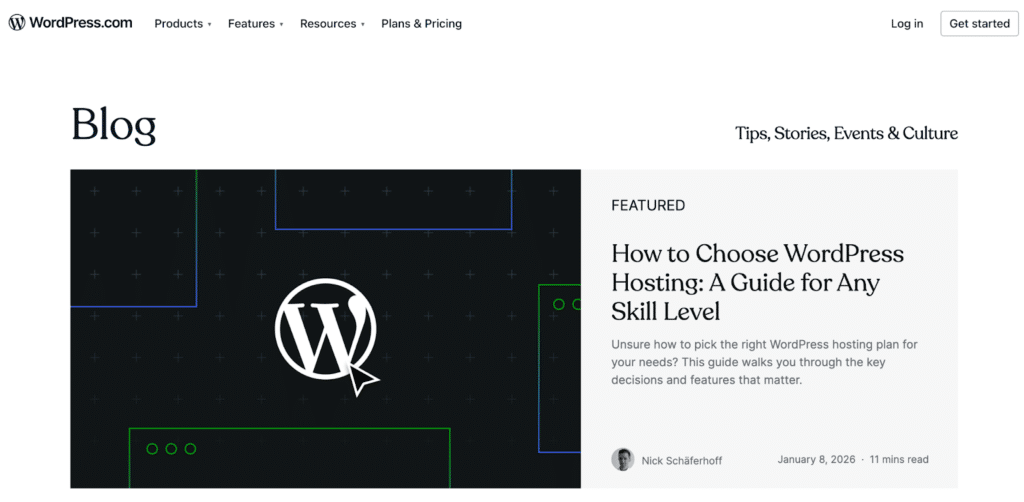
To ease the pressure, WordPress publishes practical guides that help users succeed with the ecosystem and topics around it.
Featured snippets sit at the very top of the search results. If you want visibility without fighting for first place in search rankings, you need to feature in these boxes.
To win featured snippets, you need clear content that Google’s AI algorithms can understand quickly. To get that clarity, focus each blog post on a single, specific idea or question instead of trying to cover everything at once.
Lead with the answer in the first few lines, then explain with clear subheads. Add a short FAQ section for the follow-up questions that naturally appear.
OpenCart excels at this strategy by using question-led titles that match how people search.
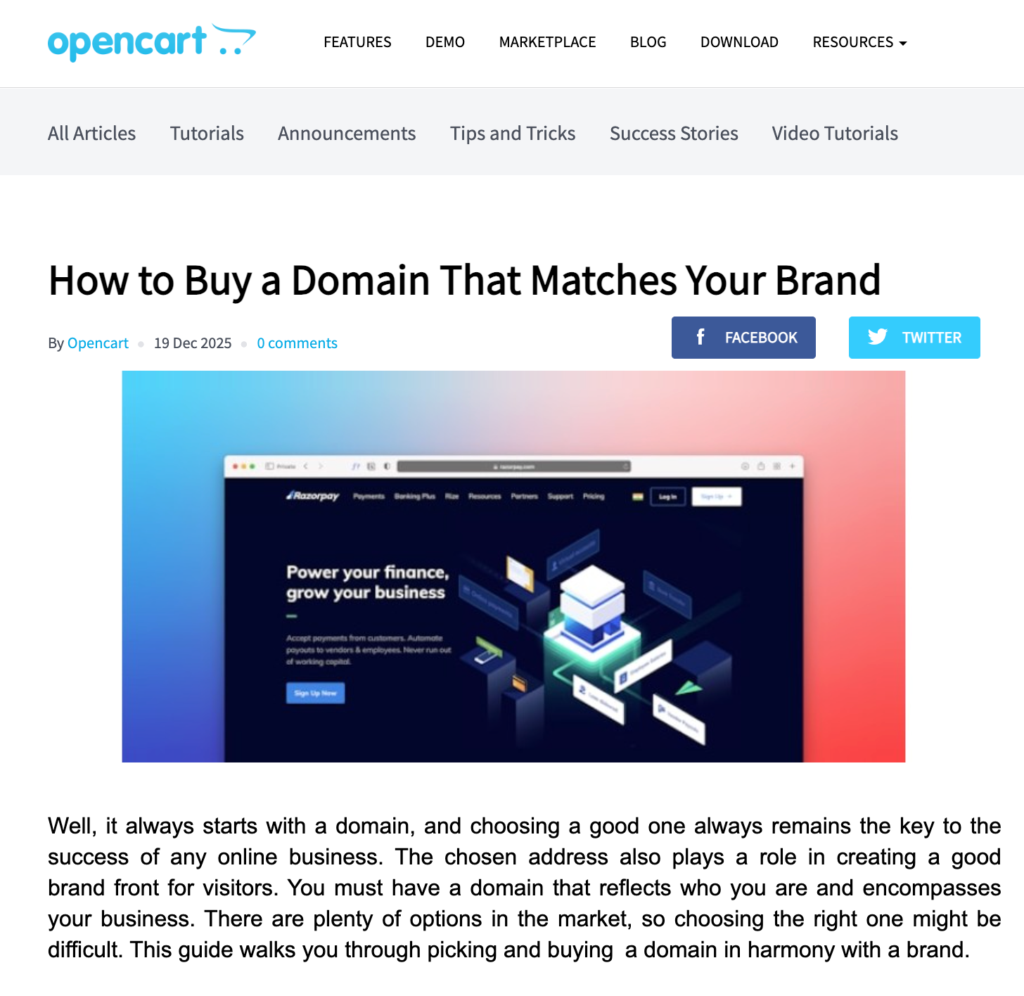
This makes its posts easier for Google to surface as direct answers, making it more likely to feed the snippet.
Content for existing customers helps them get better results and feel confident that they made the right decision. When customers see progress, they stay longer, upgrade more often, and build real customer loyalty. This drives CLV and customer retention far more reliably than ads.
The best approach is to tie content directly to what customers buy, how they use it, and how their needs change over time.
Drupal is a good example of this since its blog mostly focuses on content for existing customers.
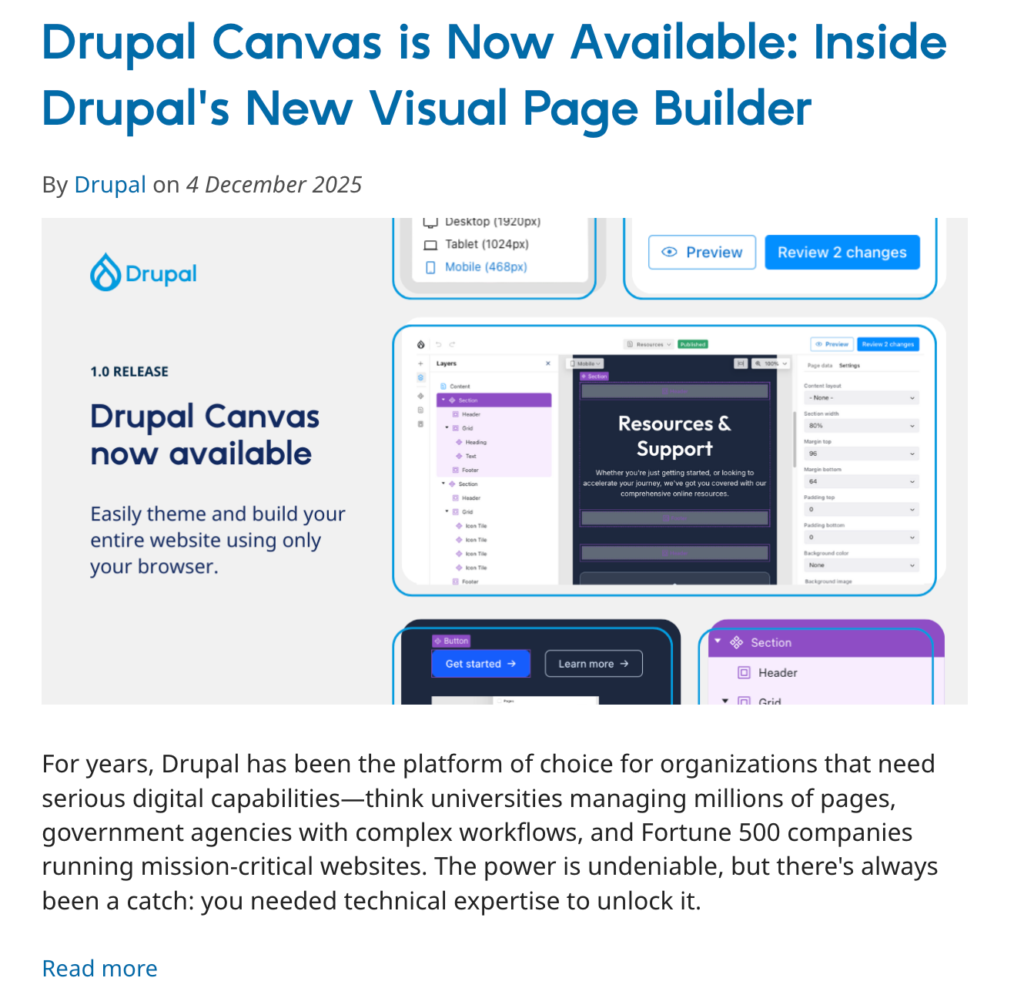
It publishes articles about product updates and forward-looking guidance to help users keep building as the platform evolves.
A good ecommerce post builds momentum. A CTA tells readers what to do with it. When the next step aligns with the blog’s intent, it feels helpful rather than pushy.
The key is alignment.
Your CTA should make sense to the blog.
For example, educational posts perform best when paired with checklists or email sign-ups. Comparison content can point to product pages. Deeper guides can offer templates or resources.
Most importantly, place CTAs where your reader finds clarity.
Some blogs put a conversion button under a specific paragraph that speaks directly to the action. But most put it at the end, so the point of action is the reader’s last thought.
This is how BigCommerce positions its CTAs.
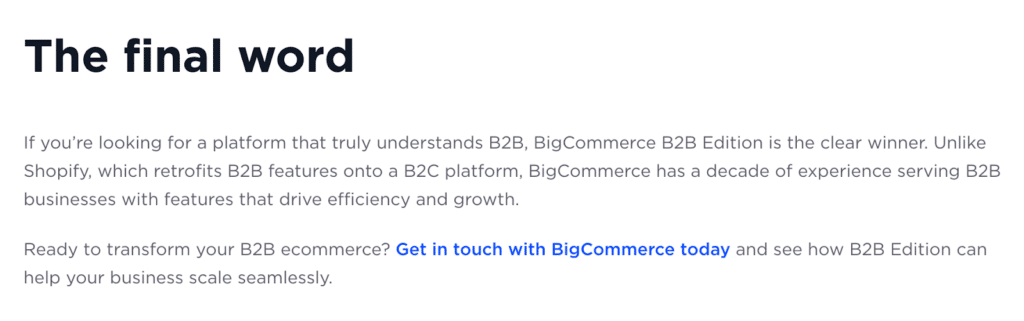
It regularly uses end-of-post CTAs to turn high-intent readers into leads or conversations.
In 2026, a winning ecommerce blog focuses on depth, clarity, and usefulness..
Because when you focus on answering real questions that your customers have, you build trust and subtly guide readers toward your products. This approach naturally supports SEO, drives conversions, and improves retention at the same time.
Ultimately, you need to write every post with a clear purpose that links to your overall message. This helps you cut through the keyword chaos to show your customers that you’re the experts in your market.
You also need a way to publish your blog posts from Google Docs to your website quickly. Content staging drags if you don’t have a quick tool for this.
Thankfully, Wordable can help you publish your blog posts in seconds. Try Wordable now.
Consistency matters more than frequency. One high-quality, search-focused post per week is enough to build momentum. Make sure you have a content management system and a publishing tool. (Like Wordable.)
Both. The best blogs attract search traffic first, then guide readers toward the right next step naturally.
Yes. Smaller ecommerce brands can win with content marketing by going deeper on specific problems and niches instead of trying to cover everything.