


Every brand tells a story.
Some tell it with words. Others tell it through social media platforms or their marketing strategy.
The most effective brands tell their stories through images that create instant emotional clarity.
We live in a scroll-first world. Attention spans are short. Competition is endless. Buyers are exposed to thousands of messages every day. In that environment, strong visuals are not optional. They are strategic.
That is where marketing photography becomes one of the most powerful tools inside your content engine.
If you want better engagement, stronger trust, and higher conversions, you need to integrate marketing photography directly into your content workflow.
Not occasionally. Not reactively. But systematically.
Let’s break down exactly how to do that.

Visual storytelling is not a trend. It is rooted in how humans process information.
When someone lands on your website, they are not reading first. They are scanning. They decide within seconds whether your brand identity is strong and feels credible. That speed advantage matters in marketing.
High-quality photography marketing communicates:
Poor visuals communicate the opposite.
HubSpot reports that visual content is 40 times more likely to get shared on social media compared to other types of content.
That means your images amplify reach.
When properly integrated into your workflow, photography marketing becomes a force multiplier across channels. It improves organic engagement. It strengthens paid ads. It increases retention on your website and boosts your marketing plan.
Visual storytelling does not just decorate content. It enhances performance, elevates client experience, and helps create content for your target audience in one place.
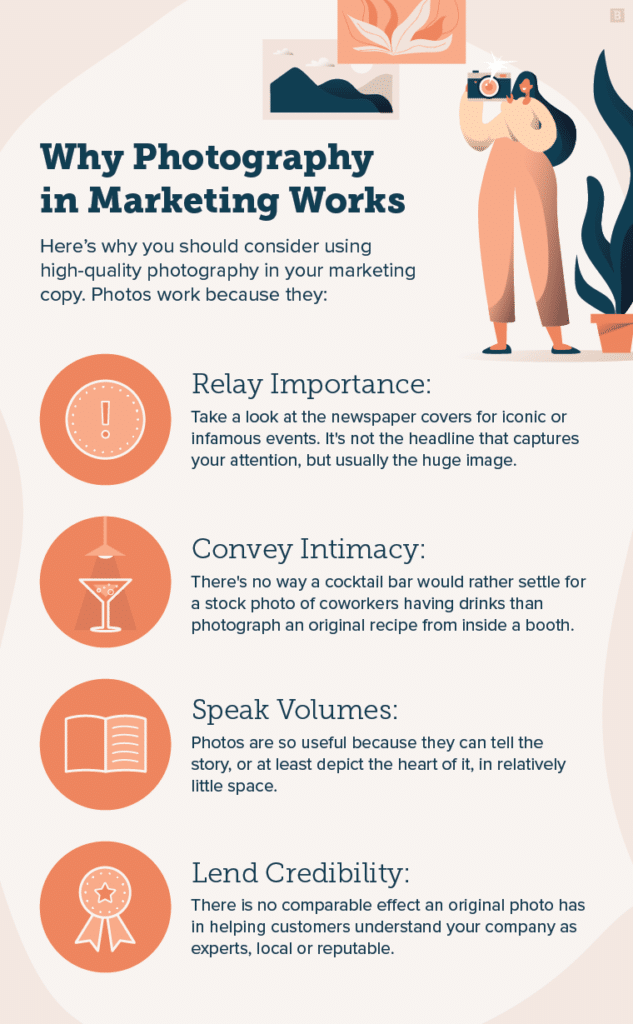
Photography marketing is often misunderstood. It is not simply product shots or random lifestyle imagery from Depositphotos.
It is intentional visual communication designed to reinforce your brand’s strategic message and boost client experience.
It can include:
For example, an outdoor apparel company does not only photograph jackets on mannequins. It captures:
Each image supports the brand promise, which you can’t achieve with stock photos.
Photography in marketing should align with:
When done correctly, it strengthens brand recall and differentiation.

Before you schedule a photoshoot, you need clarity.
Photography marketing must begin with a strategy.
Start by defining:
Next, map photography to your funnel.
Top-of-funnel visuals:
Middle-of-funnel visuals:
Bottom-of-funnel visuals:
When photography marketing aligns with funnel stages, every asset has a purpose.
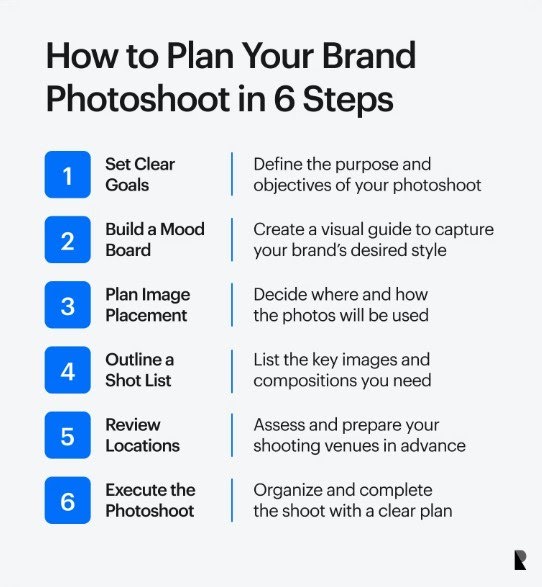
Most companies treat photography as a campaign add-on or another marketing strategy.
That approach wastes time and money.
Instead, integrate photography into your recurring workflow and content marketing strategy.
Start with your content calendar.
Review quarterly plans and identify:
Then plan professional photography around those initiatives with event photographers.
Batch production is powerful.
A professional photographer and one well-planned shoot can generate:
Create a structured digital asset library. Organize by:
Define visual guidelines. Document:
Systemized photography in marketing prevents inconsistency and reduces production chaos.
One of the biggest advantages of strategic photography in marketing is the longevity of the assets it produces.
A single shoot should never produce just one hero image and stop there; that’s not the photographer’s way.
When planned correctly, one photography session can fuel months of content across multiple platforms.
For example, from one well-structured shoot, you can create:
This multiplies ROI.
Marketing photography supports this perfectly because visuals adapt easily across formats.
To make repurposing easier:
Think modular.
For example, if you photograph a team collaboration scene:
Photography in marketing becomes exponentially more valuable when every image has multiple potential uses.
Plan for reuse before you ever click the shutter.
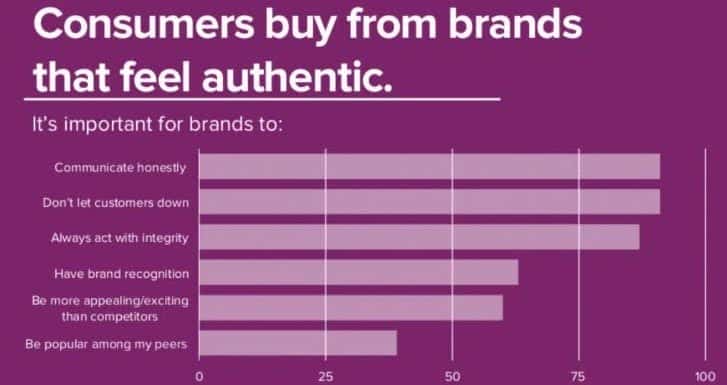
Consumers have developed a strong radar for generic imagery.
According to Influee’s consumer report, 79% of respondents said that User-Generated Content (UGC) has a significant impact on purchasing decisions.
Authenticity builds trust.
Marketing photography should reflect real:
For example, a SaaS company can showcase:
This approach builds the brand’s identity and credibility.
Authentic visuals reduce skepticism. And skepticism kills conversions.
Photography in marketing should humanize your brand.
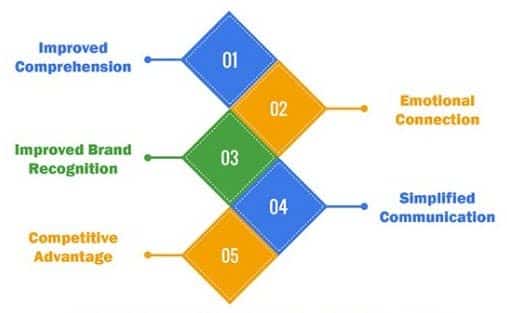
Photography does more than improve aesthetics. It supports search visibility.
Google confirms that page experience and speed impact rankings. Optimized images improve load time.
Best practices include:
Additionally, optimized images can appear in Google Images search, driving additional organic traffic.
Visuals also impact engagement metrics.
If users stay longer on a page because it is visually engaging, bounce rates decrease. Lower bounce rates signal relevance to search engines.
Photography in marketing can indirectly but meaningfully improve SEO performance.
Organic content is only part of the picture.
If you run paid campaigns, photography in marketing directly impacts cost efficiency.
Meta (Facebook) advertising research consistently shows that creative quality is one of the most influential factors in ad performance. Strong visuals can lower Cost-Per-Click (CPC) and improve engagement.
WordStream’s benchmark data highlights how creative impacts Click-Through Rates (CTR) in social advertising. The average CTR on Facebook across all industries is 0.90%.
Poor visuals increase ad fatigue.
High-quality marketing photography extends campaign life.
To align photography with paid strategy:
For example:
In growth marketing, cold-traffic ads may focus on lifestyle aspirations. Retargeting ads may highlight product details and proof.
Photography should support that shift.
Also consider aspect ratios:
When creating photography in marketing with ad placements in mind, you reduce last-minute resizing and awkward cropping.
Creative planning reduces wasted ad spend.
Creativity matters, but measurement builds confidence.
If you want photography in marketing to be treated as an investment rather than an expense, you must track performance.
Visual content directly influences engagement and conversions.
That difference is not small, and it’s measurable.
To understand the impact of photography in marketing, track:
For example:
If you update a product page with professional photography and conversion increases from 2% to 3%, that is a 50% lift.
That lift compounds over time.
You can also run A/B tests.
Test:
Let data guide creative refinement.
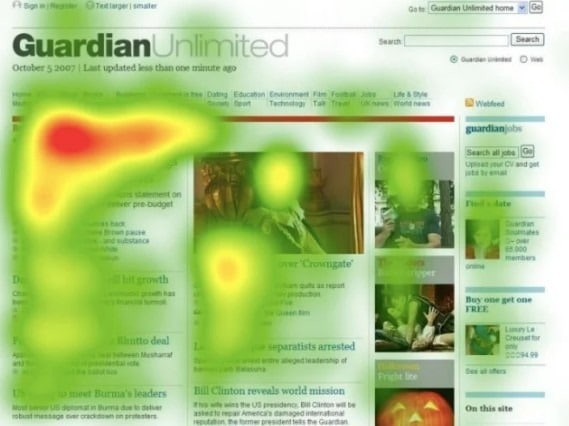
For example, heatmaps show whether users consistently hover over images, zoom in, or scroll more slowly over visual sections. That indicates engagement.
Photography should influence revenue metrics, not just aesthetics.
Over time, you will discover patterns like:
When you treat photography in marketing as a measurable growth lever, you align creative work with business performance.
And that is where visual storytelling becomes strategy.
Not every business needs a massive studio setup.
Start with strategic investment.
Focus on:
Budget tiers can include:
As your library grows, reuse assets intelligently.
Repurpose one shoot across:
Scaling photography in marketing means moving from reactive shoots to predictable production cycles.
A major bottleneck in visual storytelling is the logistical nightmare of coordinating recurring photoshoots for a growing team.
Integrating AI-generated headshots into your content workflow eliminates this friction by providing a scalable way to maintain a unified brand aesthetic across all digital touchpoints. This ensures that every new team member is instantly represented with a consistent visual style, keeping your storytelling cohesive and professional.
Great photography creates value.
But unclear licensing creates risk.
Many businesses forget to confirm usage rights when working with photographers, agencies, or stock platforms. That oversight can lead to legal issues and unexpected costs.
Before using any photography, clarify who owns the images, where they can be used (web, print, ads, global campaigns), how long they can be used, whether edits are allowed, and whether model releases have been signed.
For example, an image licensed for social media may not be used for paid advertising.
Expanding usage without permission can trigger legal claims.
If recognizable people appear in your images, you’ll need written consent. Clean contracts and clear rights turn photography into protected, long-term assets.
Many businesses underutilize photography because of preventable mistakes.
Inconsistent editing styles confuse audiences. Overly staged images feel artificial. Ignoring mobile formatting reduces impact.
Statista reports that more than half of global website traffic comes from mobile devices.
Things to do:
Marketing photography should be efficient, not impulsive.
To fully integrate photography in marketing into your workflow, build a repeatable system.
Ensure you:
For example:
Quarter 1: Innovation visuals
Quarter 2: Customer success stories
Quarter 3: Behind-the-scenes operations
Quarter 4: Community engagement
Each quarter, evaluate:
This structured approach transforms marketing photography into a scalable asset.
Consistency separates amateur brands from established ones.
To scale marketing photography effectively, you need documentation.
Create a visual brand playbook. If you’re keeping the document in G Suite, make sure to add an outline in Google Docs:
Visual consistency contributes heavily to that effect.
Your visual playbook ensures that:
It also speeds up production.
Instead of debating creative direction every quarter, your team operates within clear parameters.
Marketing photography becomes predictable rather than chaotic. Be sure to:
The strongest brands do not just create beautiful images. They create recognizable images, and recognition compounds over time.
Marketing photography is not a creative luxury. It is a strategic advantage.
When integrated into your content workflow, it:
Plan it deliberately and systemize it carefully, while measuring it consistently.
The brands that dominate attention are not always the loudest. They are the most visually unforgettable.
Check out our Wordable blog for more information.