


Fintech companies deal with money, trust, and regulation every day. That alone makes communication harder than in most industries.
Many fintech stories fail because they focus on products, tools, or features instead of real outcomes people care about. Digital PR helps fix this problem.
Digital PR linked to a clear proof point often lifts consideration by 4% to 12%, especially in high-trust categories. The fintech industry could certainly benefit from this.
For SEOs, agencies, and marketers, digital PR is a practical way to earn links and attention within a broader digital marketing and public relations program without forcing promotion. It works by turning complex ideas into clear stories that journalists can understand and use. When fintech brands explain what their data shows or why a certain change matters, media coverage becomes easier to earn.
This post explains how to shape fintech stories people actually read and share. You’ll also learn how digital PR supports SEO goals, builds authority, and creates steady visibility over time.
Most fintech stories fail before they even get to the point. They usually start in the wrong place: opening with a product update or a feature release that nobody outside the office cares about yet.
While you’re excited about the new API or the UI refresh, your readers are arriving with a completely different mindset. They aren’t looking for a manual; they’re looking for a reason to care. If you don’t connect your news to their world, you’ve lost them by the second paragraph.
This happens because fintech teams are typically perfectionists. You spend weeks aligning with compliance, refining the technical language, and triple-checking the details. But in the process, the story loses its relevance. It starts reflecting internal priorities rather than human needs.
Founders and marketers tend to focus on the product, so the features feel like the main event. But journalists and readers are looking for impact. When a story skips the “why” and goes straight to the “how,” people can instantly tune out.
Here’s where the mismatch usually happens:
Fintech marketing stories go viral when they feel useful, not just promotional. They work only when they help people make sense of a complex world they’re wary of venturing into. As such, the goal of great digital PR isn’t just to broadcast a message, but to provide meaning.
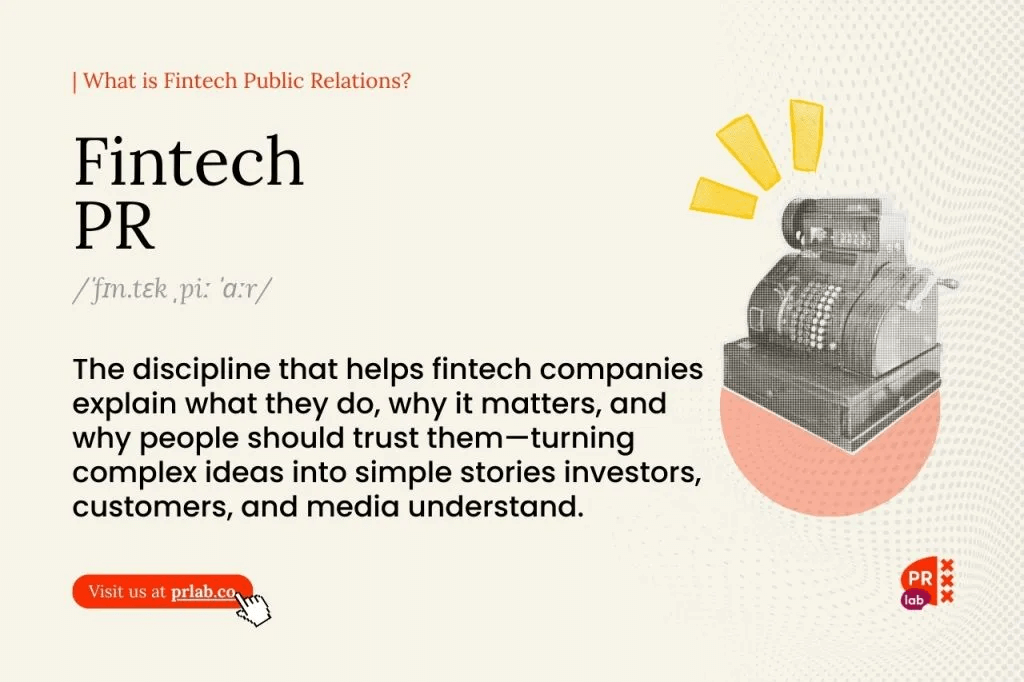
Traditional PR in fintech usually follows a familiar script: a press release goes out announcing a launch, a partnership, or a milestone. The language is careful, approved, and safe. Then, the team waits to see who picks it up.
Instead of leading with announcements, it starts with context. It asks what is changing in the market and what people are already trying to understand. The story grows from there rather than from an internal update.
This difference makes sense, especially for SEO-led growth. Traditional PR often focuses on visibility and brand awareness, whereas digital PR focuses on outcomes that compound over time. This includes:
For SEO teams, this compounding effect matters.
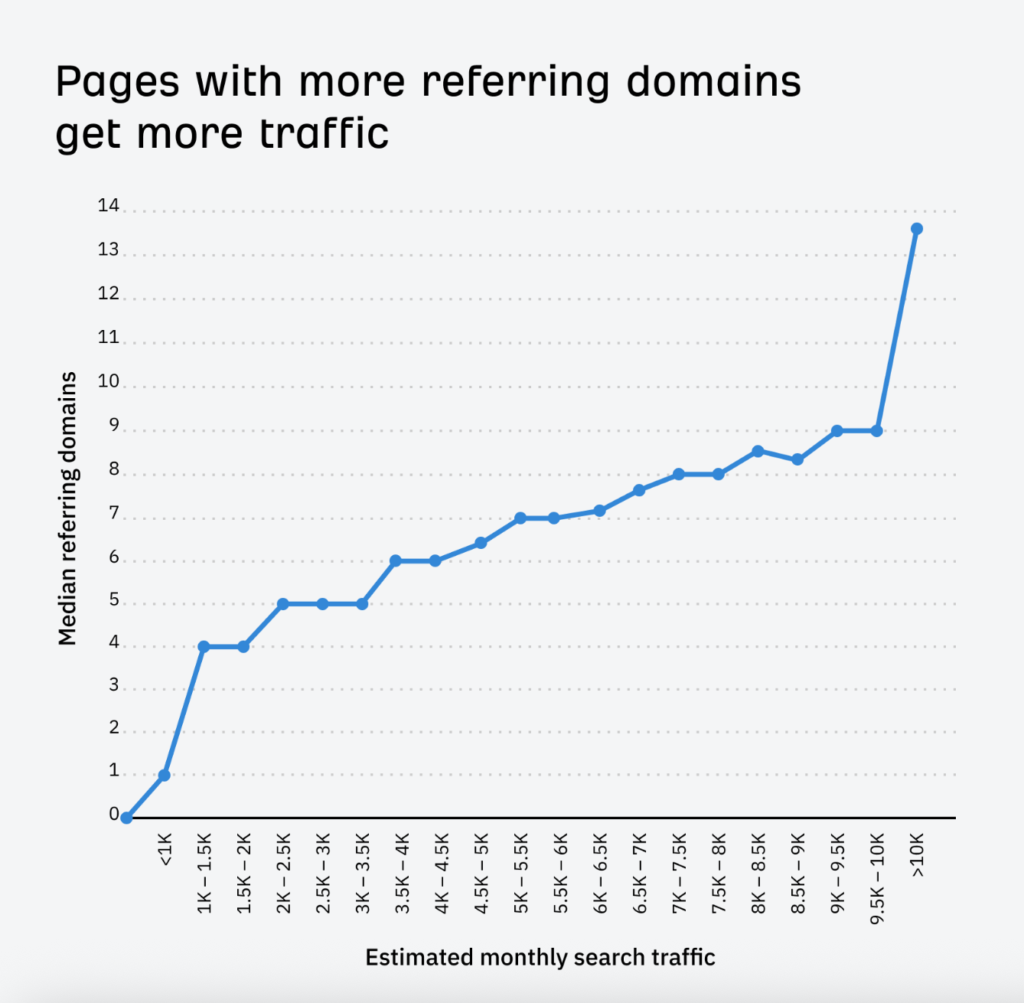
A strong digital PR campaign can increase referring domains, strengthen topical authority around high-intent keywords, and support rankings across an entire content cluster. Instead of one press spike, you get long-term visibility.
When a fintech brand earns coverage from authoritative finance publications, those backlinks reinforce trust signals that search engines evaluate when ranking competitive keywords.
Journalists who cover fintech see the same patterns every day, i.e., new tools, features, and funding announcements. What stands out is not volume, but the usefulness that shapes public perception.
They pay attention to stories that:
Using easy-to-understand language can make all the difference here, as can the tone. After all, stories that sound measured and informed tend to travel further than ones that sound defensive or overly cautious.
Digital PR works because it aligns with how journalists actually work to produce earned media. It gives them material they can use as-is, without rewriting or stripping out promotion.
Data plays a central role in fintech content marketing, but not in the way many teams expect. Journalists do not need more analytics tools or charts, but they do need clearer meaning.
Raw numbers rarely hold attention on their own. It’s important to turn them into relatable stories that reveal something specific, such as:
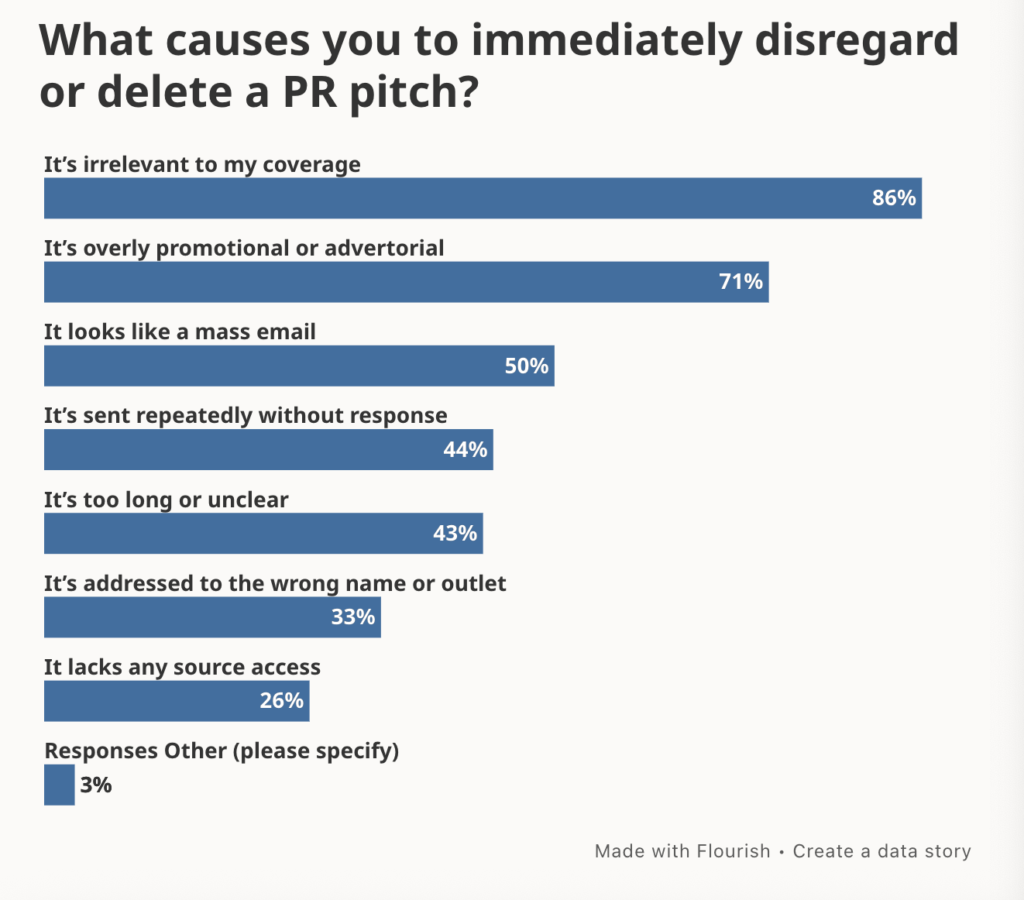
Many fintech companies already operate on this kind of insight, involving transaction data, reporting patterns, and customer data. The challenge is not access, but knowing what to surface and how to explain it.
This is where strong reporting practices make a difference. Teams using structured tools, including some of the best financial reporting software, can spot patterns earlier and describe them more clearly. That clarity makes it easier to turn internal data into stories journalists trust and reference.
The goal is to share one insight that supports a broader point rather than publish every piece of information. When data backs up a real observation, it adds weight without overwhelming the reader.
Digital PR works best when data supports the story, not when it tries to carry it. Start with a clear question and use data to answer it so your fintech stories stay grounded and credible.
Most fintech teams collect far more data than they ever use for storytelling. The problem is not the volume but the translation, since raw data rarely explains itself, and journalists do not have time to interpret someone else’s dashboards.
This is where business intelligence earns its place in digital PR.
In digital landscapes, business intelligence helps teams move from numbers to meaning. It pulls data together, looks for patterns, and answers questions that already exist in the market. Get this right, and it will turn internal data into insights that feel timely and credible.

For fintech companies, this can show up in a few practical ways:
Many teams work with business intelligence consulting services to streamline this process. These partners help structure data, surface insights, and frame them to support decision-making and communication. From a digital PR perspective, that clarity is vital as it allows stories to focus on what changed and why, not how the system works.
The goal is not to sound analytical and hence informed. When insights come from well-organized data, stories feel grounded instead of speculative. This helps build trust with journalists and readers alike.
Strong fintech stories rarely rely on inspiration alone. They follow simple structures that make complex ideas easier to understand, which, in turn, help teams stay focused and keep stories readable.
This format works well when the market is already shifting, and people want context. It usually starts with a clear observation, then uses data to explain what is changing and why. The product stays in the background or does not appear at all.
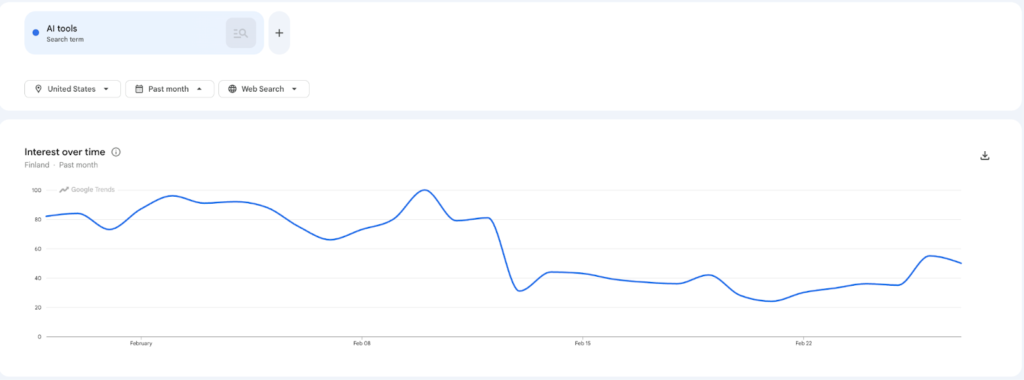
Common angles include:
This framework starts with a real problem that people recognize. It then explains how that problem shows up in data or behavior and what the impact looks like in practice.
It works best when the focus stays on outcomes, such as:
The product supports the story but does not lead it.
This format centers on a clear opinion supported by data. It works well for executive commentary and thought leadership.
A strong version includes:
These content frameworks keep fintech stories focused and readable. They also make pitching easier because the story has a clear shape. Digital PR works better when stories follow a structure that people already know how to read.
A lot of fintech stories get lost in the headline. Not because the idea isn’t interesting, but because the headline reads like a memo for internal teams. Readers skim too fast to decode abstract language.

Source: Image provided by author.
A good headline does one thing: it tells the reader what they will actually get out of the story. It doesn’t boast or exaggerate. It sets expectations clearly.
Here’s a simple before-and-after example.
Weak headline:
“Fintech company launches AI-powered fraud detection tool.”
Stronger headline:
“AI Fraud Models Reduce Chargebacks by 23%, New Fintech Data Shows.”
The second version leads with the outcome. It signals a measurable result. It sounds like something a journalist might write, not a marketing announcement.
When headlines focus on impact instead of features, click-through and pickup rates increase.
Here’s what works:
Hooks work the same way. Lead with a situation or question your reader already recognizes, like a trend they’ve noticed, a common frustration, or a behavioral shift. People stick around when the opening feels grounded in reality.
Writing the headline after the story is complete can also work. That’s because once the point is clear, you can sum it up naturally instead of forcing it into a marketing-style headline.
Effective distribution should be integral to your digital PR strategy, because even a solid story won’t go far if no one sees it. Distribution essentially shapes how the story is understood and who pays attention.
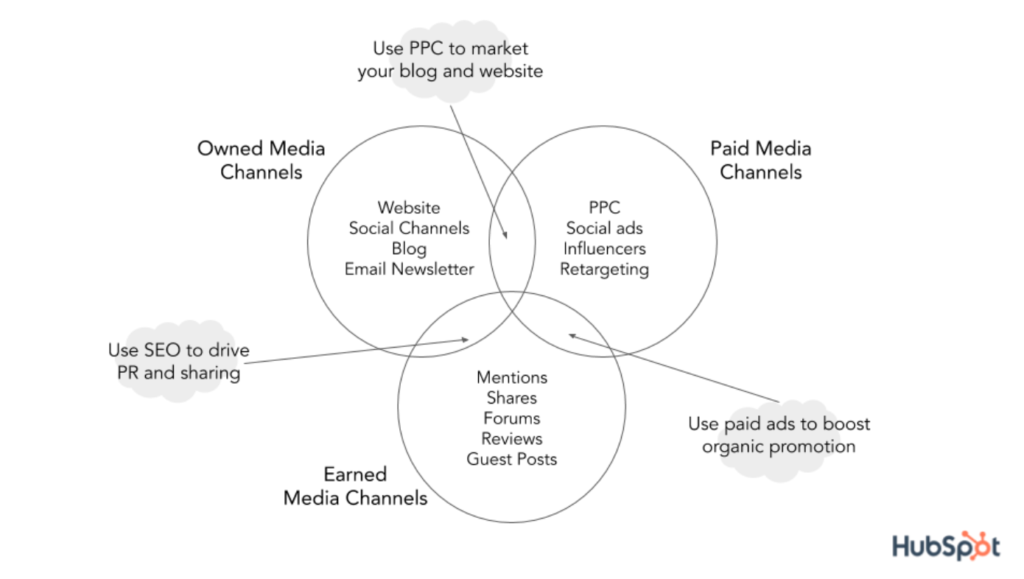
Before you send a single pitch email, define what success looks like.
Is the goal:
Distribution without a defined outcome leads to activity without accountability.
When you connect your distribution plan to a measurable KPI, your digital PR campaign becomes easier to evaluate and refine over time.
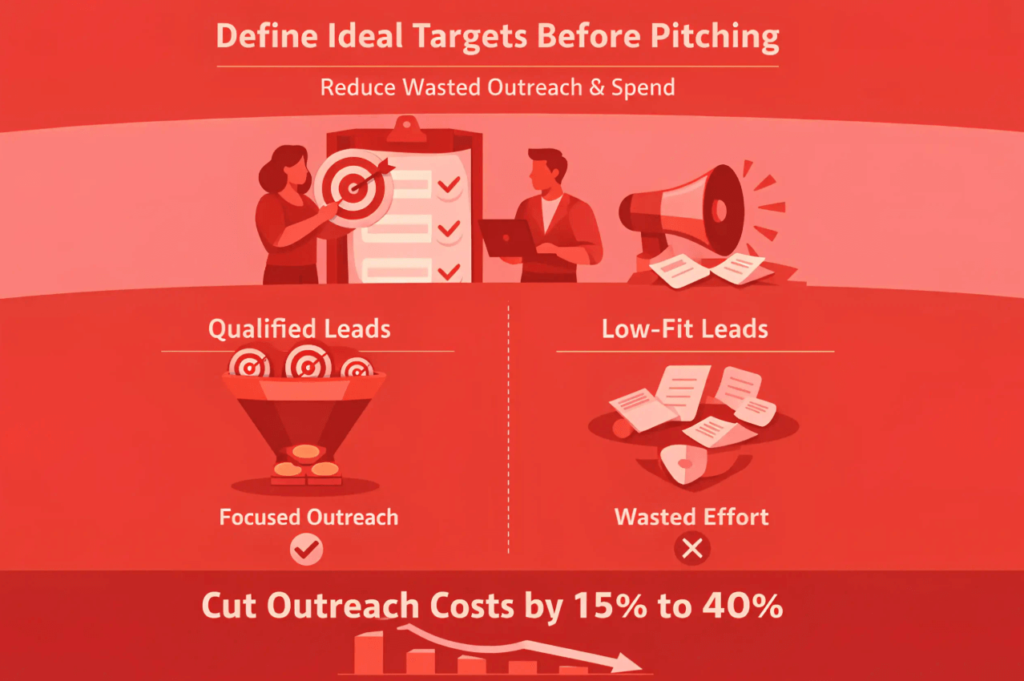
Some of the most effective paths include:
Another factor that plays a huge role here is timing. A story is received better when it connects to something already happening, like a regulatory update, seasonal trend, or market shift. You don’t need to chase every headline. Simply pick the moments where your story adds clarity or insight.
Distribution works best when it supports the story rather than stretches it. When the right people see the right story at the right time, links and coverage follow effortlessly.
It’s easy to get caught up in the excitement of a few thousand likes or a spike in pageviews. But let’s be real, these numbers rarely tell you whether your story resonated or failed.
In fintech, “viral” is usually just noise. What you’re actually looking for is share of voice, the kind of coverage that puts you in front of the people who actually matter, earns you high-quality backlinks, and builds long-term authority.
So, how do you know if your PR is contributing to marketing ROI? You’ll have to look at the following signs that lead to real growth:
Overall, when you measure success this way, you stop worrying about churning out content repeatedly and start building something that actually grows your influence.
The hard truth is that fintech stories don’t go viral just because a company has a big marketing budget. They work when they actually help people understand something. When a story helps a reader make sense of a market shift or helps them make a better decision, it spreads naturally because it’s useful.
Effective PR never feels like hype. Rather, it feels like a clear-headed explanation, in the sense that it’s grounded, backed by data, and doesn’t try too hard to sell.
Of course, digital PR isn’t a one-time thing. It’s a series of smart, consistent steps: share an insight that matters, explain it simply, and keep doing it. Eventually, these steps add up, and your visibility grows, credibility hardens, and you end up with results that actually last.
Learn more about digital PR trends and strategies in the Wordable blog.