


Creating social media content that engages and converts takes skill.
You need to know your audience deeply and speak to them in a way that helps them feel seen.
But this requires constant testing and iteration. And mostly, the willingness to continue trying until you get it right.
The good news is that when you succeed on social media, it pays off in dividends. You get to build a community, help your target audience solve problems, and create demand for your business.
Let’s take a closer look at how you can win with social media content creation, distribution, and engagement in 2026. Get ready to take notes! 👇
Highlights
Here are some of the top social media content creation strategies to test in 2026:
Strong social media content always starts with knowing who you’re talking to.
Use audience research and SEO keyword research to understand buyer intent and the language your audience uses. Think of this as your content planning research.
What’s your target audience searching for on Google and in AI search? What are their top questions? What complaints and repeated words are they using in community groups?
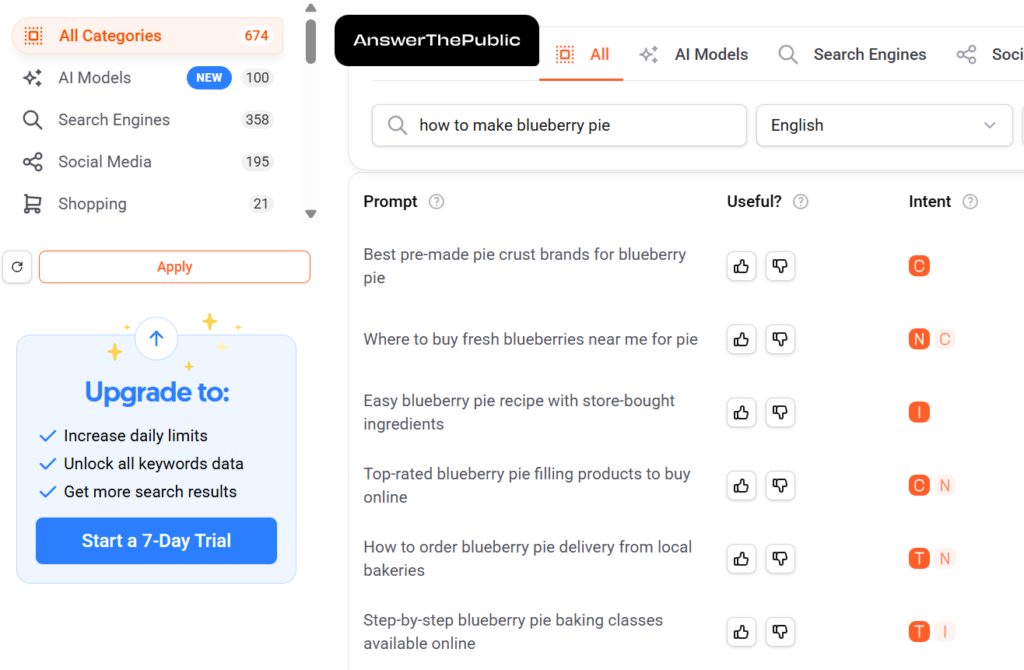
Bake their search terms and common words into your social media content strategy. Work keywords naturally into captions, hooks, and hashtags so your content feels human and targeted to your audience.
If you sell wedding dresses and your audience searches for “custom dyed wedding dresses” and “how to preserve a wedding dress,” use those exact words in your content.
If you sell project planning tools, and your audience searches “how to build a Gantt chart” and “how to plan a project timeline,” weave those phrases in your content.
Here’s how I’d plan this:
Let’s take a closer look at some of these tips below. 👇
Every piece of social media content should have a purpose. (Otherwise, it’s hard to measure your efforts to see if they helped you reach your end-goal.)
A strategic way to do this is to use content that supports the sales funnel, which is laid out like this:
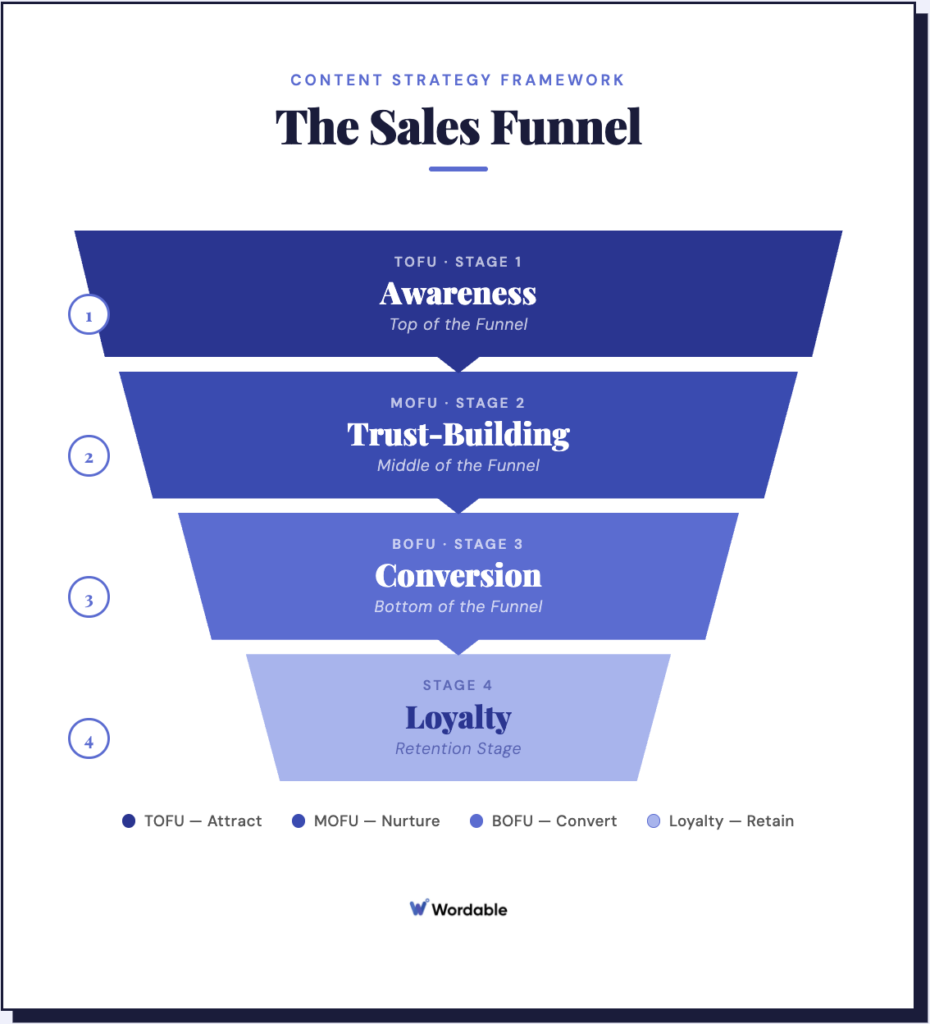
➜ At the awareness stage, focus on influencer marketing and highly targeted educational content. Impress your audience with how well you know them. Address their pain points, tell great stories that tug at their emotions, and give lots of useful advice. (Remember to weave in keywords from your research. Always.)
➜ To build trust, share social proof, testimonials, and customer success stories. Even better if your customers can film their own videos.
➜ When it’s time to convert, use clear calls to action (CTAs) and social media ads. You can also send email drip campaigns to nurture them if you use social media lead magnets to build up your list.
➜ After the sale, nurture loyalty with discounts, freebies, and exclusive content that keeps people engaged.
Note: When weaving in your keywords, think strategically about how to place them. For example, “price ranges for account software” means the user is looking to buy, so weave this in your BOFU content, not your TOFU content.
“What is collagen powder,” on the other hand, shows informational intent, so you’d target that in your TOFU content.
Batch out content creation so you can produce multiple posts in one go and schedule them. This is a great way to publish content more efficiently on social media. Otherwise, you’ll have to devote time every day to posting and engaging on social media. (A major time-suck.)
Your goal here: Build a content library with reusable ideas, captions, and visuals.
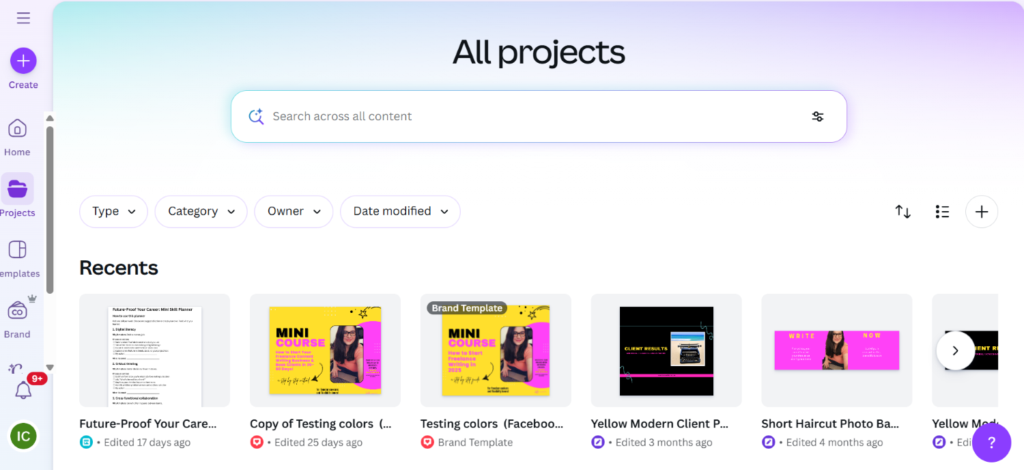
(Image by Ioana)
Then use a content scheduler to plan posts across social media platforms and keep your social media strategy on track.
Use a digital asset management (also known as a DAM) tool to store and organize your content. Canva is a great place to start. But you can also transfer assets to a more robust DAM later if needed.
As your library grows, the main thing is making sure your team can actually find and reuse what you’ve already created. That might mean organizing campaign visuals, product photos, short-form videos, and brand assets in a dedicated system like PhotoShelter instead of letting everything get buried in folders.
User-generated content adds instant credibility to your social media content.
Encourage your customer base and followers to share their experiences. Then repurpose that content across channels. (Remember those videos I mentioned above!)
Partnering with influencers is a great idea to boost your TikTok presence, Instagram presence, and nurture relationships with the right users.
CMO Tara Robertson, for instance, says that influencer marketing has been highly beneficial for Bitly.
“In the second half of 2024, we launched an influencer pilot program on Instagram to better understand how established personalities and communities could further drive content, conversation, and awareness beyond Bitly’s own channel.
The results were strong. Compared to our average Instagram performance, we saw 5X higher impressions and video views, 6X higher engagement, and 82% growth in followers,” Tara said in HubSpot’s 2025 State of Marketing Report.
Involve product, customer support, and sales teams in your content creation process. They know what customers ask, what problems come up, and what converts.
This encourages more authentic messaging and a stronger, more aligned marketing strategy. And it’s especially important if you’re in B2B.
Pull members from these teams into a social media brainstorming group and send out a data collection form across departments. Have team members fill it out and answer important questions like:
You get the idea.
You’re going to need some social media tools in your tech stack to help you get ahead of social media content in 2026.
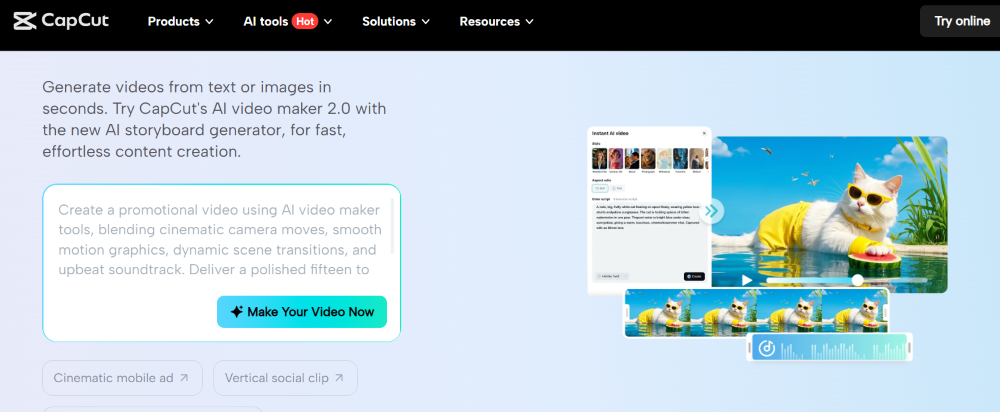
For example, plan on using:
If a piece of content performs well, don’t let it be a one-and-done. That’s wasted potential. Use your social media analytics to spot what’s working, then squeeze more value out of it.
Always start by identifying high-performing posts. Look for videos that drove leads or sales, captions people saved or shared, and phrases that sparked real conversation in the comments. (Document this somewhere where your social media content team can see and easily pull from it.)
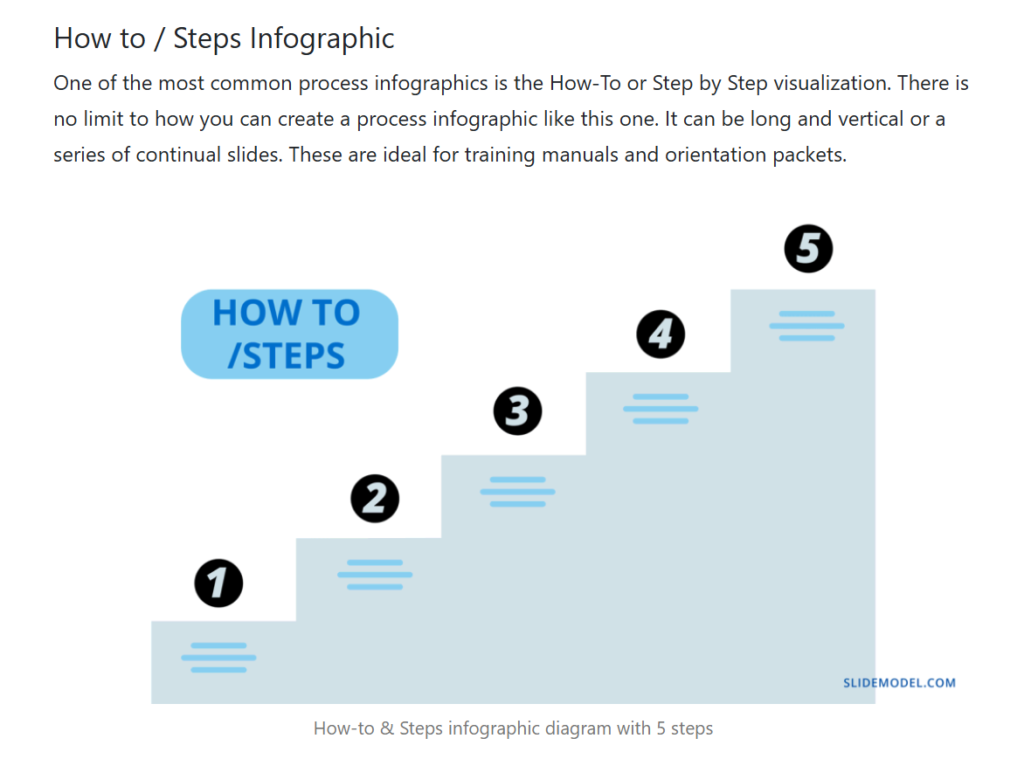
Next, reformat that content. Turn a strong video into shorter clips for different social media platforms. Pull key points from a popular caption and design an infographic, carousel, or quote graphic with them. Take a well-performing post and rewrite it for a different audience segment or funnel stage.
Use AI-powered insights and analytics tools to speed this up. They’ll help you spot patterns, track engagement, and understand why certain content worked in the first place.
Once your repurposed content is ready, stagger the release in your content marketing calendar. Spread it out over weeks instead of posting everything at once. This keeps your feed fresh while reinforcing the same message in different formats.
BTW: Repurposing isn’t lazy. It’s a smart content creation tactic that saves time, boosts reach, and keeps your social media strategy focused on what converts.
In fact, it’d be silly NOT to repurpose content that performs well. (Which is why many content creators will even repost the same content without any changes sometimes.)
Help your audience feel like they’re part of the conversation by inviting them to take action.
Start with naturally interactive content. Quizzes, polls, sliders, and “this or that” questions work because they’re easy and low-effort.
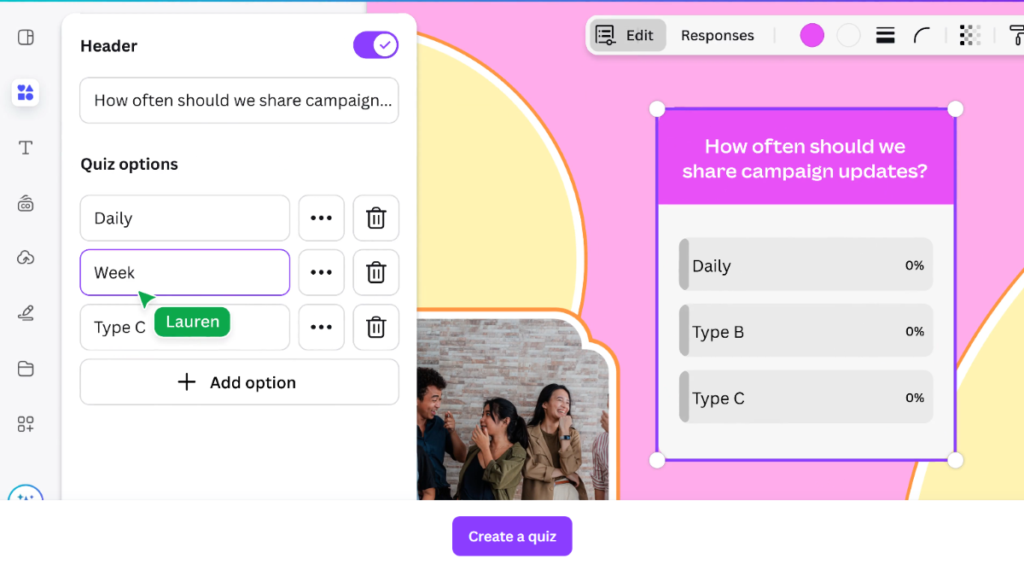
Ask thoughtful questions in your captions, too. Not vague ones, like “What’s your favorite color?” 😆 Think about questions people want to answer (opinions, experiences, or quick wins). This type of content can help boost customer engagement and give you more insight into what your audience cares about.
Next, use lead magnets that feel genuinely valuable. Discounts, freebies, checklists, templates, and short guides perform especially well on social media. Package them as “save this,” “download this,” or “grab this free resource.” Link them to clean, simple landing pages so people can take action after.
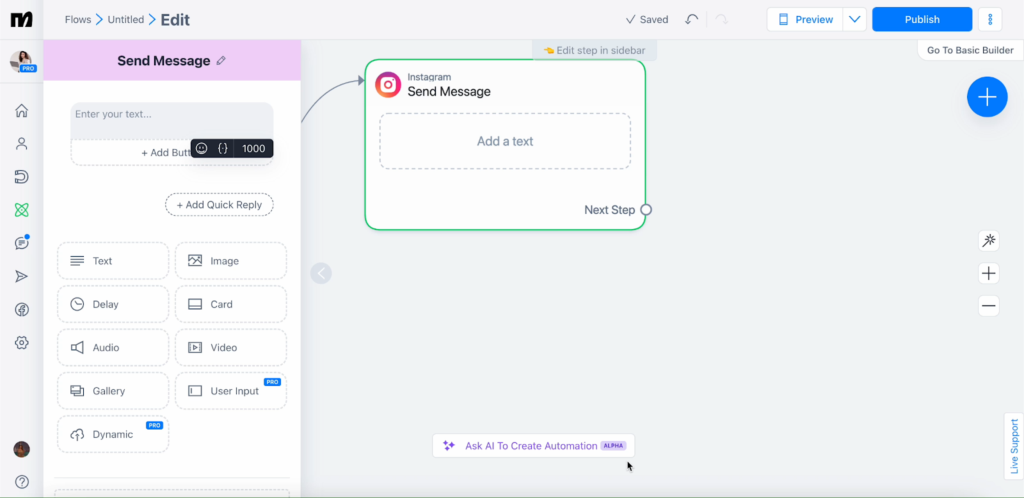
Or use a tool like ManyChat to auto-DM them the link to download or buy.
On platforms that support it, test shoppable posts to remove friction and make engagement lead straight to conversion. (This is for you if you have an e-commerce business.)
Also, I hate to say it like this … butmake your posts worth engaging with. High-value content that teaches something useful or solves a real problem naturally gets saved, shared, commented on, and reused to create a video online for free that extends the life of your best-performing ideas. They signal trust and authority, which keeps your audience coming back for more.
Finally, show up in the comments and DMs.
Engagement is a two-way street. Reply to comments, answer questions, and acknowledge messages quickly. This builds authentic relationships and tells the algorithm your content matters. It also tells your audience you’re listening, which is how real community gets built.
Social media content creation in 2026 rewards brands that listen, test, and stay consistent. When you create with intent, repurpose what works, and engage thoughtfully, growth naturally follows.
Use the data. Reuse your wins. And show up for your audience. It may take time, but it’ll be worth it.
Want help figuring out what your audience is searching for? Book a free call with uSERP, our sister company.
Do you use blog posts in your marketing strategy? If so, you need to try Wordable. It helps you publish your posts from Google Docs to WordPress in seconds. Try it now.
What is social media content creation?
It’s the process of producing and publishing content (like videos, images, text, and audio) tailored for social platforms to engage and grow audiences.
How do I create highly engaging social media content?
Focus on relevance, storytelling, and authenticity. Use formats that are optimized for each platform’s audience and algorithm. And speak to your audience using their own words.
What tools help with social media content creation?
AI-powered editors, graphic design apps (Canva), video tools (Adobe Premiere, CapCut), and scheduling platforms (Hootsuite, Buffer). You can also plan and streamline your workflows with a tool like Trello or Asana.
How often should I post on social media?
Post consistently but prioritize quality. Frequency will depend on the specific platform and audience, but in general, shoot for three to seven times per week.
What type of content performs best on social media?
Short videos, authentic user-generated content, live streams, interactive stories, and visually rich posts. But truly, the best content that works for YOUR audience may be different than what works for another. Keep testing and reiterating.
How can I repurpose content effectively?
Transform core pieces into micro-content tailored for different formats and platforms. Especially content that performs the best according to your goals.
Why is engagement important in content creation?
Engagement signals relevance to algorithms. This can help improve content reach on social media and build a tight community around your brand.
How do I tailor content for different social platforms?
Adjust format, length, tone, and style to fit each platform’s unique user expectations and technical requirements.
How can I measure social media content success?
Track metrics like engagement rate, reach, shares, comments, click-throughs, and conversions aligned with your goals. Don’t forget to use social media monitoring tools to pull sentiment and mentions.