


It wasn’t long ago that you could just set up a store and run some ads, and that was enough. But that doesn’t work anymore.
Competition is high, privacy laws are tighter, and customer expectations are through the roof.
If you want to survive, you need a plan. You need a roadmap that handles new tech and real community building because this isn’t just about getting traffic — it’s about building an online business that lasts.
This guide covers the specific actions you need to take to build the ecommerce digital marketing strategy you need to win in 2026.
A quick look at the market landscape reveals how much the rules have changed.
Things look different now because the old playbook of cheap clicks is dead. The industry has moved into an era defined by the RACE framework. But now it operates differently.
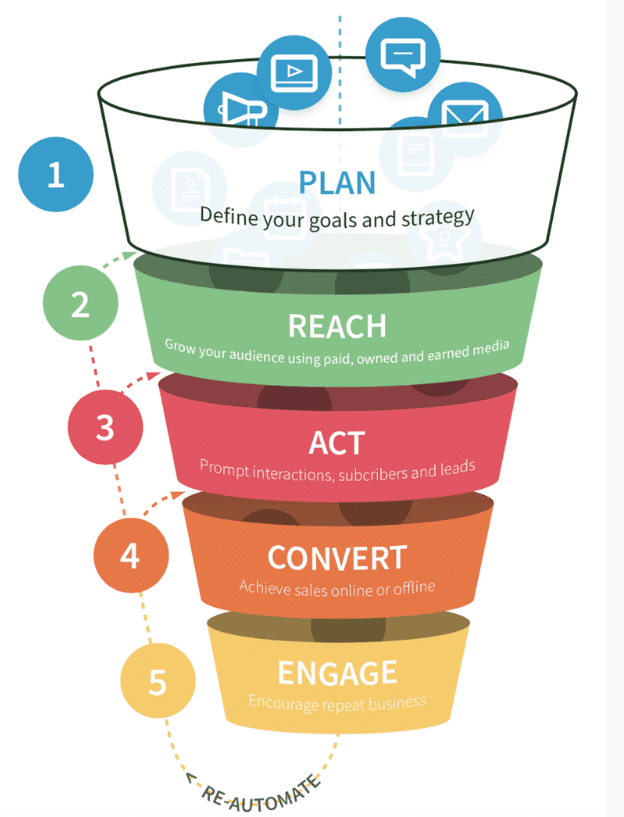
Privacy changes mean we have less access to third-party data, so machine learning tools are gaining even more popularity. They help you predict customer behavior without being creepy. You just need to be smart.
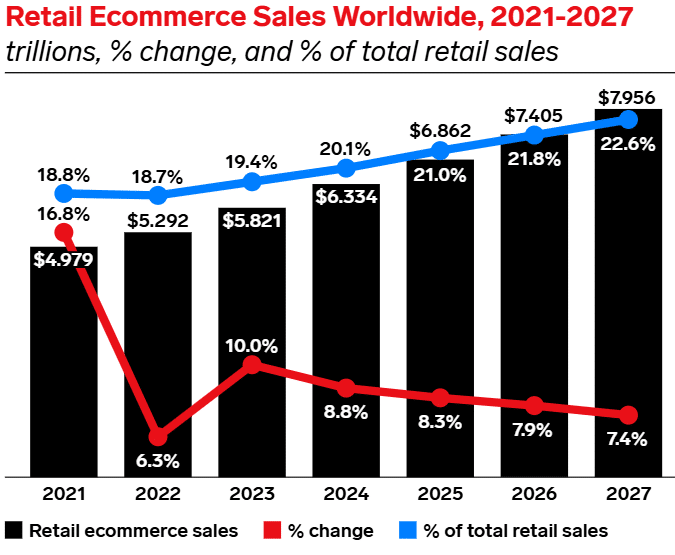
Retail ecommerce sales are projected to keep climbing, with global sales expected to reach $7.40 trillion in 2026, according to eMarketer. But the pie is being split differently. The winners are online stores that act like media companies, selling and entertaining at the same time.
Your digital strategy has to account for ecommerce sales channels that didn’t even exist a few years ago. It’s messy, but the opportunity is huge.
You can’t build a skyscraper on a swamp, so your ecommerce website needs to be rock solid before you spend money on ads.
If your site is slow on a phone, you lose the sale immediately. In fact, Google found that nearly 53% of mobile users will abandon a site if it takes longer than three seconds to load.
A responsive design is one of the most essential elements of an ecommerce store. But now it’s more about the user experience on small screens. If you run an online store selling tailored suits, you have to make sure that it works on all smart devices so customers can easily browse styles, sizes, and customization options. Google can penalize slow sites, causing rankings to drop.
For example, your store shouldn’t have any clutter, and buttons should be large and within thumb’s reach.
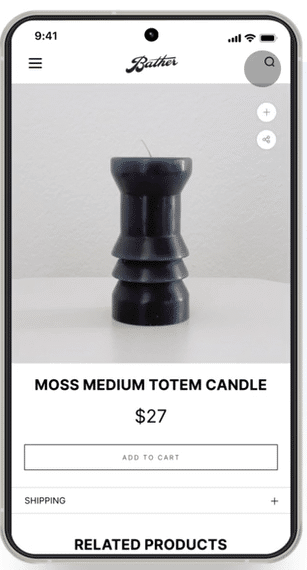
People can’t touch your products online, so you have to bridge that gap with visuals.
Static photos are boring. 3D technology and product visualization are rapidly becoming the new standard.
AR/VR technologies let people see a couch in their living room before they buy it. This makes consumers feel more confident in what they want to buy as they can easily see how a product will look in their living room.
And this is what Muuto, a design company, offers. People can select their preferred styles and colors. And afterward, they’re free to try any products in their own home with the platform’s AR tool.

You need to speak the language of search engines if you want them to show your products to people.
This happens in the Google Merchant Center. You need to fix metadata issues, and your product descriptions need to be clear to both humans and bots.
An online application software needs clean data, too. If you don’t organize your products well, you won’t appear on the search engine results page (SERP).
For instance, a retailer selling electronics could use product-specific schema markup on their pages. This ensures Google correctly reads critical attributes like price, availability, and rating. When this data is structured accurately, the product may appear as a rich snippet in the search results, making it immediately visible and clickable to shoppers right from the SERP.

Traffic is getting expensive, so you need to be smarter and more creative about how you get people to your store.
Keywords are still a thing, but understanding user intent is much more critical now.
Search engine optimization is now about answering questions. You need a content hub, which is a place where you prove you’re an expert.
Imagine a health brand that sells weight-loss supplements and medical treatments. To build credibility and show that they’re experts in their field, they have to create health content. They might write an informative guide on diet and exercise for people who want to lose weight. This captures the traffic before the person is even ready to buy.

An SEO-friendly ecommerce website sometimes might not be enough. You have to pay to play sometimes, but you need to think well about your spending.
Paid ads are powerful, but you can’t just throw money at them. Pay-per-click advertising requires constant testing. You need to use a retargeting strategy to guide people down the conversion funnel.
Big brands spend millions of dollars on this, but they don’t guess. They use AI to bid on the best advertising channels. They review the data and then adjust in real time.
Let’s say you’re running an ad campaign. Data might show that users who saw the ad on Instagram convert at double the rate of users who saw it on Facebook. The AI system immediately re-allocates 70% of the daily budget to the higher-performing ad channel to maximize return on investment, showing how data drives spending adjustments.
Social media isn’t just for memes anymore. It’s become a legitimate cash register (really).
Social media marketing now works hand in hand with selling. Influencers are your sales force. You send them the product, they create content, and you see more views. Live streaming also plays a key role for ecommerce enterprises. People watch video content, they click, and they buy.
Automation helps here, too. You might use tools like Whop’s Telegram bot to manage a VIP community. You drop a link to a new product in the chat so that consumers can buy it. It’s fast and effective.
Landing a customer is hard. But keeping them is where the real profit comes from.
Email isn’t dead. It’s actually your most profitable channel.
Email marketing plugins (for WordPress sites) like Mailchimp make email marketing automation easy. You need an email recovery strategy. When someone leaves a cart, you email them to offer help, not just a discount.
Say you run a clothing store. Someone buys a winter coat. You can email them with scarf recommendations that would go well with their new clothing item.
People want answers now, not in 24 hours, so you need tools, like chatbots, that work while you sleep. They handle the easy stuff by answering questions about shipping or transaction costs. This frees up your human team for the hard stuff.
A customer might ask something about order tracking, and they instantly get a reply. The chatbot might also link to detailed blog posts.
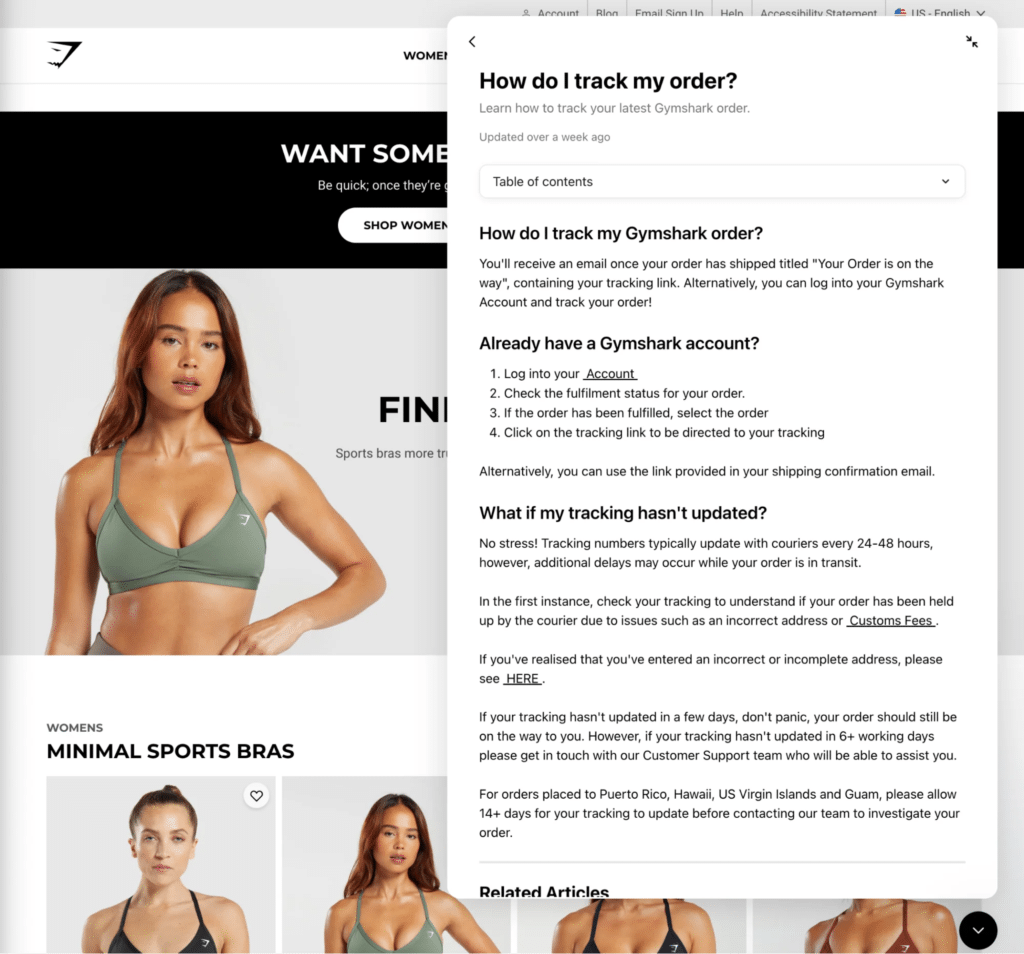
Treat people like individuals. And they’ll keep coming back to buy more.
With personalization, you can tailor your website to each visitor. If a visitor likes running, show them running shoes. If they like winter clothing, show them thick jackets.
Use the customer journey to map out touchpoints. A beauty brand remembers your birthday and sends a special offer. It’s automated but still feels personal.

The back end of your business needs just as much love as the front end if you want to scale. Let’s discuss more.
Trust is everything in online sales, and new tech is helping build it.
Blockchain is increasingly playing a role in supply chain transparency. It also helps with payments. Some stores now accept payments via a crypto wallet, which reduces fraud.
For instance, a luxury brand can use blockchain to verify that a bag is authentic. The customer scans a code and sees the product’s history. This builds a lot of trust.
Stop guessing what works and start measuring every single click.
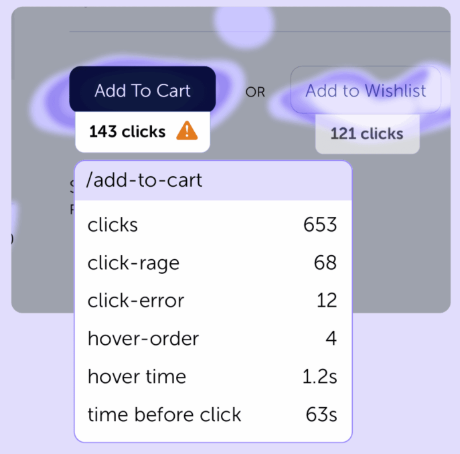
Google Analytics is just the start. You need deep marketing analytics. This includes compliance checks. For instance, before tracking customer data, you need to understand what is DPIA to ensure you meet European privacy standards. Heatmap software like Mouseflow shows you where people click and who is browsing. You also need to look at SEO metrics to see if you’re ranking.
A heatmap might reveal that no one’s clicking the “Add to cart” button. You decide to move the button closer to the product description, which may help double your sales.
The world is your customer. But selling across borders demands specialized attention beyond simple translation.
Cross-border ecommerce requires managing complex international trade laws, specifically tax and compliance (like calculating VAT/duties upfront).
You may also need to use regional warehouses to cut shipping costs and speed up delivery. Your website should also be optimized for global operations. For example, you may have to include local currencies and any preferred payment methods for local customers.
Now we need to put all these pieces together into a plan you can actually use.
Stop guessing. The first step of your ecommerce digital marketing strategy is to face the facts about your business. What’s generating real cash? What parts do you need to improve? Take a look at your key performance indicators (KPIs), such as traffic and conversion metrics, to see what’s going on. And refine your strategy as needed.
Your tools must communicate. This is non-negotiable for scale. If your core platform is Magento, partnering with specialized Magento Support Services is essential to manage complex extensions, custom integrations, and critical security patching.
Make sure your ecommerce website has strong API integrations with your CRM and email platform. When data gets stuck in silos, you’re flying blind, leading to poor decisions.
Get a content calendar immediately. Your content schedule should feel like a TV network’s programming guide. As part of your content strategy, plan your upcoming user-generated content. Figure out the high-value blog topics and pillar pages you need to dominate search results.
It is time to launch. This is where you execute your full campaign management strategy across all platforms. Track every click, every dollar, and customer journeys.
Look at your AI training data. How are your chatbots doing? Use that feedback loop to quickly find what works and cut what doesn’t.
Keep an eye on the global-local split. What if a strategy works great in New York but falls flat in London? You need to see if your New York ad is accidentally boosting sales in a neighboring region.
The digital world changes fast. The ecommerce digital marketing strategy that worked last year might not work tomorrow. This means you have to be agile. You need to use data to make every single decision. Focus on the customer. Give them a truly great experience. Use your online data to learn exactly what they want next.
Don’t be afraid to test new things. Audit your landing pages regularly to find small wins. The tools are here. The digital marketing playbook is open. Now you just have to execute.
Want more tactical advice on managing your content workflow? Need guides on specific platforms or advanced SEO strategies? Keep exploring our library of expert tips and tools. Get the edge you need to move faster and grow bigger. Visit Wordable’s blog.