


Blogs have served as a valuable source of content for over a decade. Whether you’re looking for tutorials on everyday tasks or seeking relatable experiences from someone who’s been in your shoes, blogs have it all.
Over the years, blogs have also become a way for businesses and individuals to generate income through product sales, affiliate marketing, and other monetization methods. As information-seeking patterns change, blogging remains a viable option for those who want to tap into this opportunity.
This guide walks you through choosing a niche, building your website, creating content, and promoting your blog in 2026.
Highlights
Blogs serve many purposes, so there are plenty of reasons to start one.
For starters, many businesses use blogs to drive traffic to their websites. Although blogs are most often associated with driving organic traffic, they can also serve as destinations for other traffic sources.
Blogs can also be a great tool for selling products. Many businesses use blogs to sell their own products. Others participate in affiliate programs to earn commission from selling other businesses’ products.
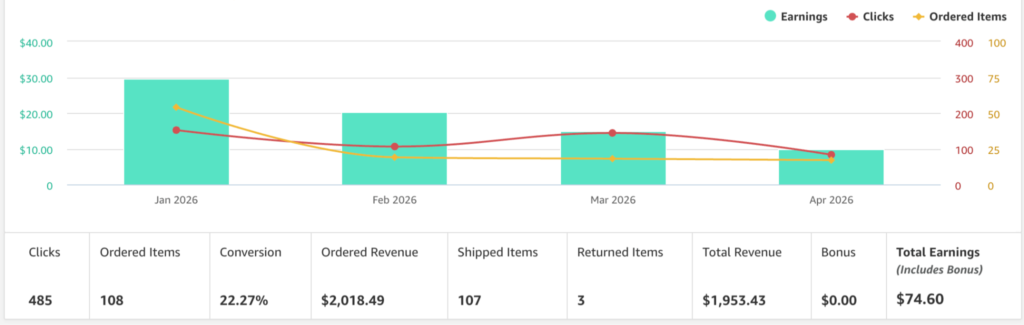
It’s also worth noting that some people start blogs for the love of the game. This medium gives people a voice to share their stories and inspire others. Of course, you can also monetize personal blogs if you take the right steps.
Now that you understand what a blog can do for you, follow these seven steps to create your own.
The first step in creating a blog is choosing a specific niche. If your blog supports your business website, choosing a niche will be straightforward. However, it’s still helpful to get specific on the sort of topics you’ll cover and the types of blog content you’ll create.
If you’re starting a personal blog or an affiliate site from scratch, focus on the type of content you want to create and the audience you can best serve.
A practical way to narrow your niche is to find the overlap between your experience, your audience’s needs, and the number of topics you can realistically cover. Before committing, list 15–20 potential article ideas. If you struggle to generate enough useful topics, the niche may be too narrow.
Once you’ve chosen your niche, identify your target audience and research competing blogs to understand what content is already available.
Use these findings to shape your content strategy and develop your brand.
Even if you’re starting a personal blog, it’s important to think about who it’s really for. If you want the option to monetize your blog in the future, you should consider who benefits from your content. If you’re sharing personal experiences, list some identifying features of who will benefit from reading your stories.
With a better understanding of your audience and the market you’re entering, it’s time to plan your content. Streamlined content planning starts with a solid blog strategy and a clear content planning process.
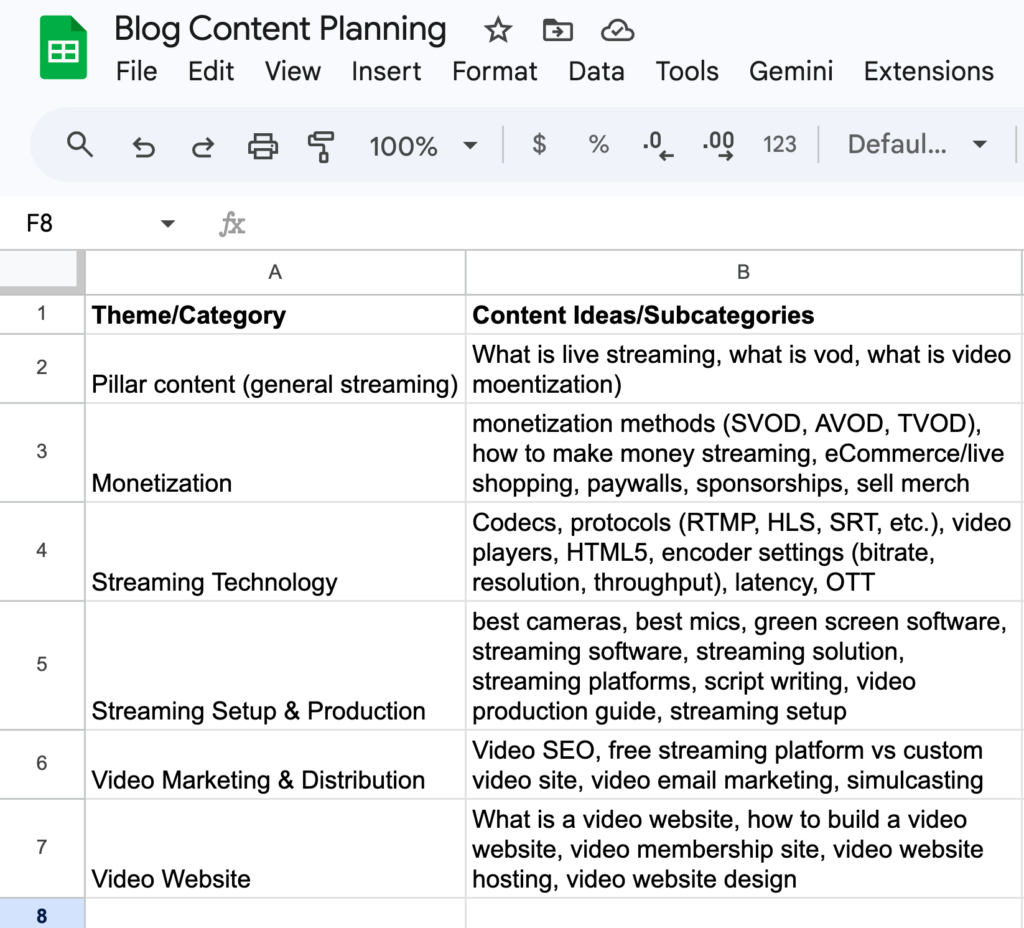
Start by mapping out a couple of general topic categories you can cover and what styles of blog posts you’ll use to bring your chosen topics to life. Some sites focus on listicle-style articles, whereas others specialize in more in-depth explainer articles. At this point, you should also think about the frequency at which you plan on posting.
For example, you can use a simple spreadsheet to organize your main content categories and brainstorm related article topics.
(Image provided by author)
Once you’ve organized your content categories, turn your ideas into a publishing schedule. Many bloggers plan content quarterly to stay consistent.
Once you have a clearer vision of the type of content you’ll create, it’s time to design the user experience. This involves creating the web page where your blog will live, in addition to the visual and interactive elements within each blog post.
Map out what you want the experience to look like visually. You’ll need to map out your blog’s home page and the layout of individual articles. Although many website builders offer templates, it can help to work with a designer who has UX expertise.
As you move through this process, consider the different ways people will come to your site. For most users, it’s unlikely that they will go to yoursite.com/blog to browse articles. They will likely come from a search engine or referral source. That’s why it pays to search for a domain name that is short and easy to recognize, since it’s the address readers see in search results and shared links.
With this information in mind, think about what actions you’d like them to take once they are on your site. How will they get to other articles to read more? If you’re selling a product or service, how will they know to take the next steps? What do you want them to feel when they interact with your content?
After you’ve figured out how you want the experience to look and feel, you’ll need to choose the right platform to bring it to life. Some popular platforms for building and managing websites with blogs include:
Although it’s not a website host, Medium is another option if you’re simply looking to blog on a third-party website.
Once you’ve selected a platform, follow its setup process to create your blog. If you’re building a standalone website, you’ll also need to choose a domain name and arrange hosting if your platform doesn’t include it. Next, select a template, customize your blog’s layout, and organize the main navigation so readers can easily find your content.
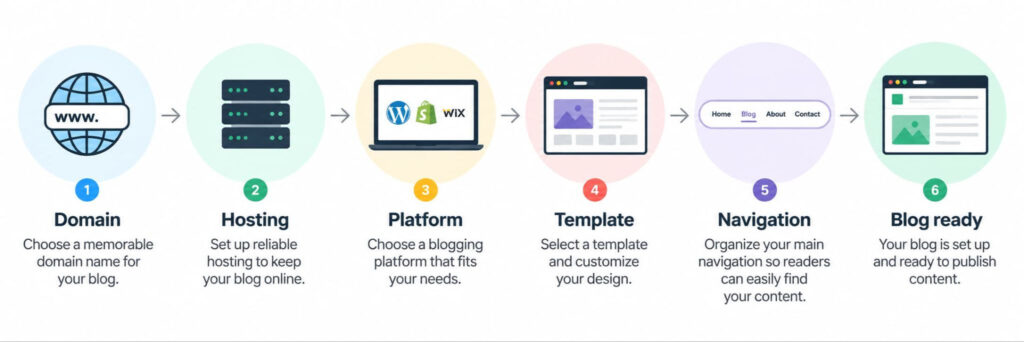
Image created by the author
If you’re adding a blog to an existing business website, check what blog management tools your current platform offers before setting up a separate solution. Some sites have basic blogging tools as native features, but in some cases, you may need to integrate something with a bit more functionality.
Once your blog structure is in place, you can start creating the posts that will populate it. Different writers use different processes for creating blog content, but a structured content creation process generally looks something like this:
A clear content outline can organize your research, headings, and talking points before you start writing. As you write your blog content, it is also important to optimize the content for distribution.
As you write your blog content, it is very important to optimize the content for distribution. The process we broke down above covers some of the basics of “search everywhere optimization,” essentially optimizing content to appear in search engines and AI chatbots. In addition to the basic research steps we outlined, you’ll want to ensure that your content is factual, valuable, and original.
Many tools can streamline your research and optimization process, and SEMrush and Frase are two popular options. Each tool can streamline different parts of the workflow. SEMrush and Frase support research and optimization, while Wordable streamlines publishing by importing Google Docs content into platforms like WordPress, HubSpot, and Medium.
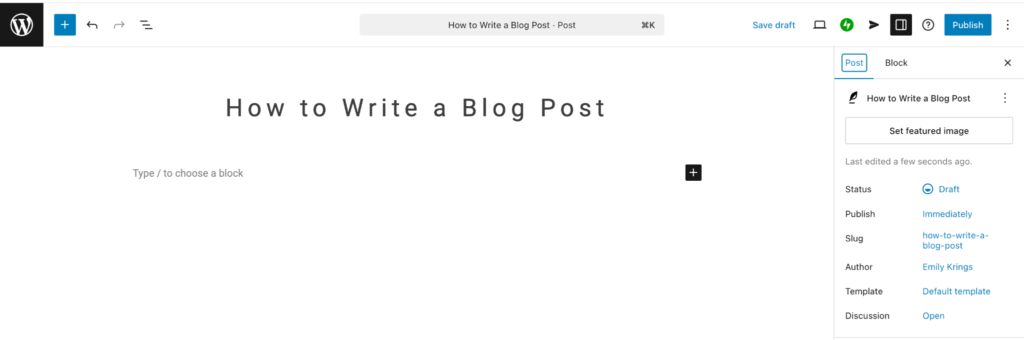
Before publishing, review how your article appears on your website. Check that the headings, images, links, and formatting display correctly. You should also preview the post on mobile devices to make sure readers can navigate the content without difficulty.
Once your blog is designed and your content is ready, it’s time to publish your first posts and make your website available to readers.
Some people launch their blog with just a post or two, but others launch with a much larger collection of content. How you navigate this depends on the nature of your blog.
For example, if you have a business website with plenty of other landing pages to support your content, a small handful of articles are suitable for launch. On the other hand, if the blog is the website’s entire experience, launch with a larger content collection so viewers have more to browse right away.
Before launch, test the experience as a reader would. Open several posts on desktop and mobile, check your navigation and links, and confirm that important pages load correctly. This final review helps you catch publishing or usability issues before you start sending visitors to the site.
Blog distribution is an ongoing effort. Of course, you’ll likely have some heavy promotion around your launch, but it’s important to create a distribution strategy that will continue to serve you.
Some useful distribution techniques include:
While these are all powerful blog distribution methods, it’s important to focus on the channels that make the most sense for your content and your audience.
How you approach blog distribution depends on the type of content you’re creating. Most blog content is evergreen, meaning it’s relevant beyond a single event or season. However, some blog content is timely or seasonal, which narrows its distribution window.
SEO is typically a safe option for evergreen distribution, but some niche sites may struggle to find keywords to target that drive significant traffic. Pinterest is a great option for driving traffic to retail affiliate marketing sites, but it may not make as much sense for B2B SaaS companies.
You can use social media to distribute any type of blog content, but it is especially valuable for timely content. Social media can be especially useful for promoting timely articles while they’re still relevant. You can also reshare older posts when their information remains useful to your audience.
Email marketing is also a great option for both evergreen and timely blog distribution.
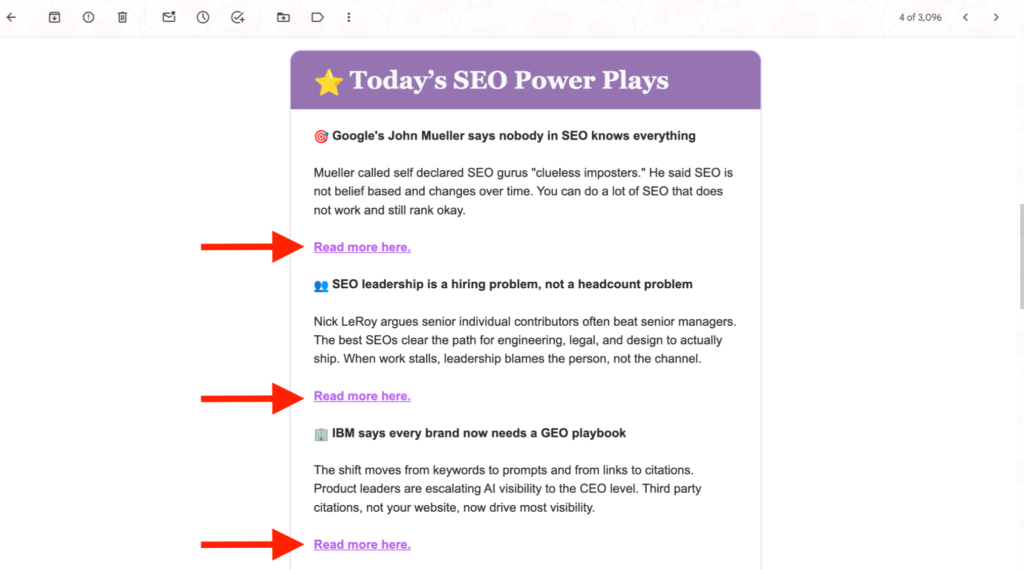
Start with one or two distribution channels that match your audience and content. Track which channels bring visitors to your blog and whether those visitors engage with your articles. Use those results to decide where to focus your promotion efforts.
Now that you’re ready to start your blog, here are a few tips you can implement to set yourself up for success in the current blogging landscape.
With so much competition in the blogging space, your content needs to stand out. Your content should focus on relevant information that users are looking for. Avoid adding fluff for the sake of hitting a word count.
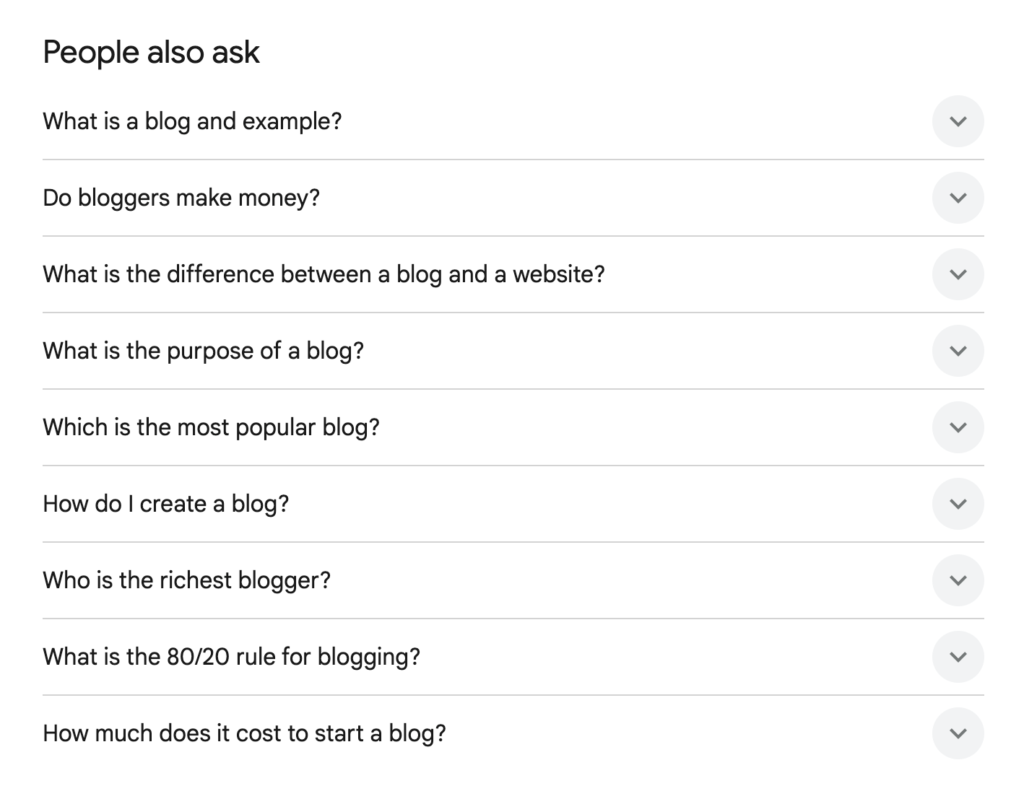
A good way to determine what readers are actually looking for is to head to the “People also ask” section of the SERPs for your primary and secondary keywords. Click the dropdown on questions that feel relevant to your article, and more questions will appear. Answer these questions under headings throughout your article.
Another way to keep your content valuable and original is to add a human touch to every article, even when you’re using generative AI. While AI is a valuable resource for many writers, it does not have original thoughts. We’ll talk a bit more about the role of AI in blogging in a moment.
Part of standing out with original content is showcasing thought leadership on relevant topics.
For example, a medical website could feature an article by a doctor who has conducted research relevant to your target audience. A sustainable clothing retailer could feature think pieces on the environmental ethics of fashion.
You can source thought leadership content from both experts on your team and guest contributors. Working with notable guest contributors also helps align your brand with well-respected leaders in your industry. This can help build trust with your audience and add credibility to your site.
We’ve mentioned a few writing and editing tools throughout this article, such as Grammarly and Hemingway Editor. Many people also use generative engines, such as Grammarly Pro, ChatGPT, or Claude, to generate topic ideas or create article outlines. These tools help streamline the blog creation process.
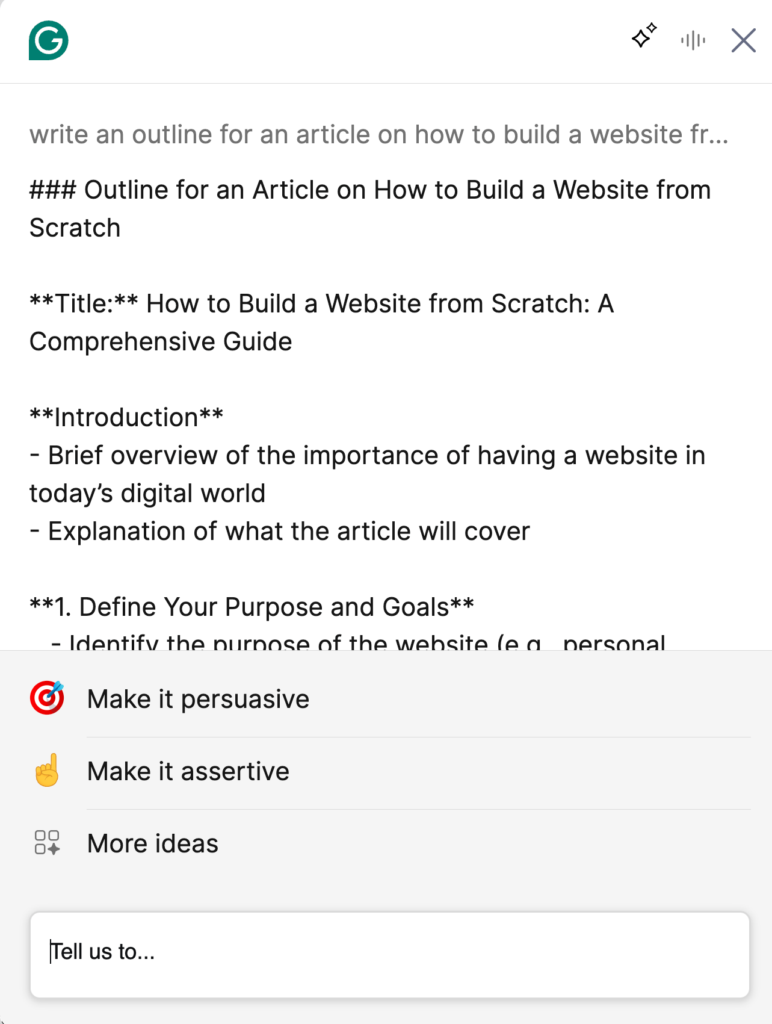
Use these tools to support your writing process, but review their outputs for accuracy, relevance, and originality before publishing.
You decide how much AI you use in the blogging process. Keep in mind that overreliance on AI will produce content that feels generic. It can also spread inaccurate information if you’re not careful with fact-checking.
The blog strategy you start with will likely look different from the one you are following six months, a year, or two years down the road. Industry expectations shift, and algorithms change. Your brand will likely evolve along the way, too.
A successful blogging strategy should evolve as circumstances change. But as you pivot, consider the data. Analyze your blog’s data, including traffic and conversion rates, to get a clear picture of how your content strategy is performing. Lean into what’s working and adjust what isn’t.
Starting a blog involves choosing the right niche, creating useful content, and consistently reaching your audience. Once your content strategy is in place, simplifying the publishing process can help you stay consistent.
Wordable helps streamline the staging and publishing steps of your blogging workflow. You can export articles from Google Docs to your chosen publishing platform without manually transferring and formatting each post.
Get started for free to see how Wordable can amplify your blogging workflow.