


Sales enablement gives sellers the resources to guide buyers, but the buying journey starts long before someone books a demo.
People spend time researching, comparing options, reading reviews, and learning on their own. That’s why the conversation around revenue enablement vs. sales enablement has grown.
Revenue enablement takes a broader view. It connects marketing, sales, customer success, account management, and revenue operations around shared business goals. Instead of helping sales teams alone, content supports every stage of the customer lifecycle, from the first website visit to renewal and expansion.
In this guide, you’ll learn:
Highlights
Sales enablement is the process of giving sales teams the content, training, and tools they need to have better sales conversations and close more deals. Its primary goal is to help sales reps guide buyers through the decision process.
Marketing and sales share responsibility for sales enablement. Teams also use CRM platforms, sales enablement software, content libraries, and learning platforms. These tools help teams organize resources and training.
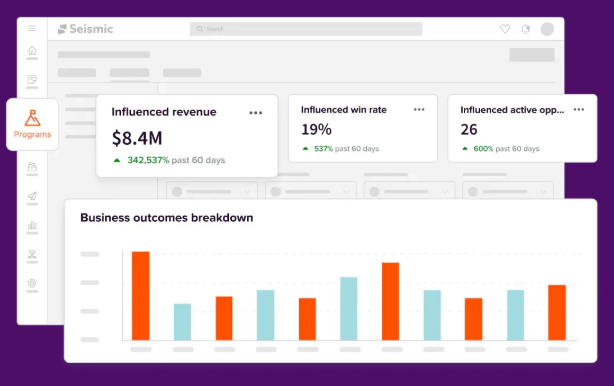
Common sales enablement content includes:
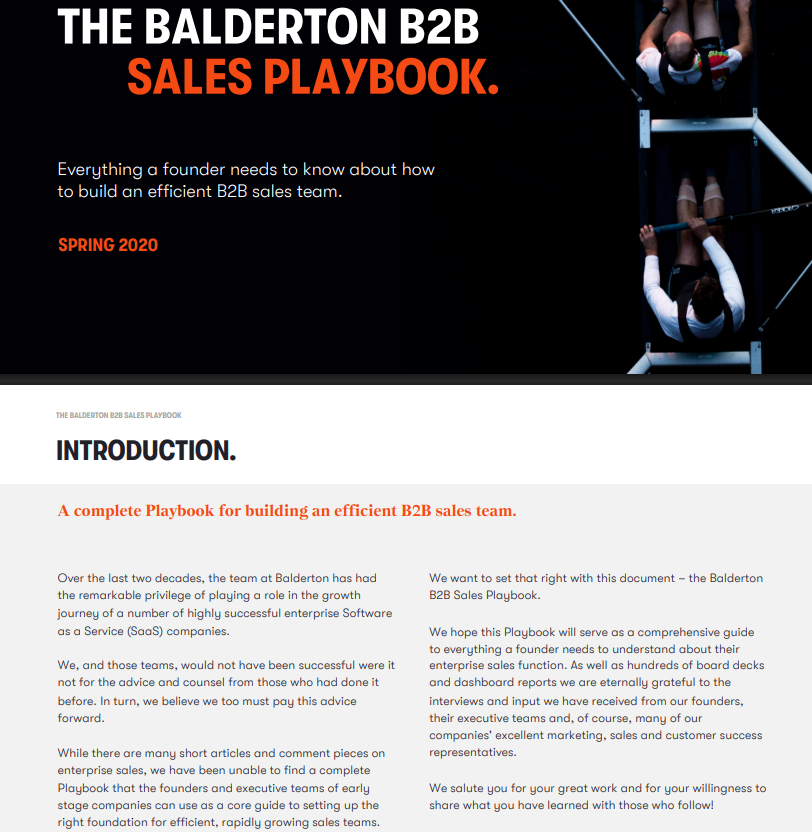
These resources give sales representatives consistent information throughout the sales process. Take a battle card, for instance. It can help a salesperson explain how their product compares with a competitor during a sales call.
Revenue enablement is a company-wide strategy that helps every revenue team work toward the same goals. It brings together marketing, sales, customer success, account management, revenue operations, and customer education. Instead of focusing on a single stage of the customer journey, it supports the entire customer lifecycle.
Sales enablement covers the sales process, but revenue teams also support buyers before and after it. Buyers often research on their own before speaking with sales. Several stakeholders may help make the final decision.
After the sale, retention, expansion, and renewals also contribute to revenue growth.
For example, a customer success team may use educational content to increase product adoption and identify opportunities for account growth.
The following table compares how each approach supports teams, content, technology, and business outcomes.
| Category | Sales enablement | Revenue enablement |
| Primary goal | Help sales teams close more deals | Support revenue growth across the full customer lifecycle |
| Teams involved | Sales and marketing | Marketing, sales, customer success, account management, revenue operations, and customer education |
| Customer journey coverage | Sales conversations and purchasing decisions | From first awareness through onboarding, adoption, expansion, and renewal |
| Content ownership | Mostly sales and marketing | Shared across all revenue teams |
| Technology | CRM, sales enablement platforms, learning platforms, and content libraries | CRM plus tools used across marketing, sales, customer success, and revenue operations |
| Success metrics | Sales activity, win rate, and closed deals | Revenue growth, customer retention, expansion, renewals, and shared business outcomes |
| Collaboration | Sales and marketing work together | All revenue teams work from the same strategy and content |
Revenue enablement doesn’t replace sales enablement. It incorporates the playbooks, training, and content that support sales conversations into a broader strategy covering the entire customer lifecycle.
Consider a buying guide, for instance. It may attract a prospect before they contact sales. After the purchase, that same customer can rely on onboarding guides and product tutorials.
Teams share content across departments to support customers from first contact through renewal.
The revenue enablement vs. sales enablement distinction changes how teams use content. Instead of limiting content to lead generation or sales support, teams share it across the customer lifecycle.
Most buyers research on their own before speaking with sales. In fact, Gartner’s sales survey found that 61% of B2B buyers prefer an overall buying experience without a sales representative.
This shows why useful content needs to answer questions before a prospect contacts sales. Educational content also helps people understand their options before they enter the sales process.
The focus stays on solving problems, not promoting products. Marketing content types that support this stage include:
For example, a buying guide for project management software might explain the features different teams should look for, common pricing models, and questions to ask before choosing a platform.
This helps marketing attract people who already understand their needs before they speak with sales.
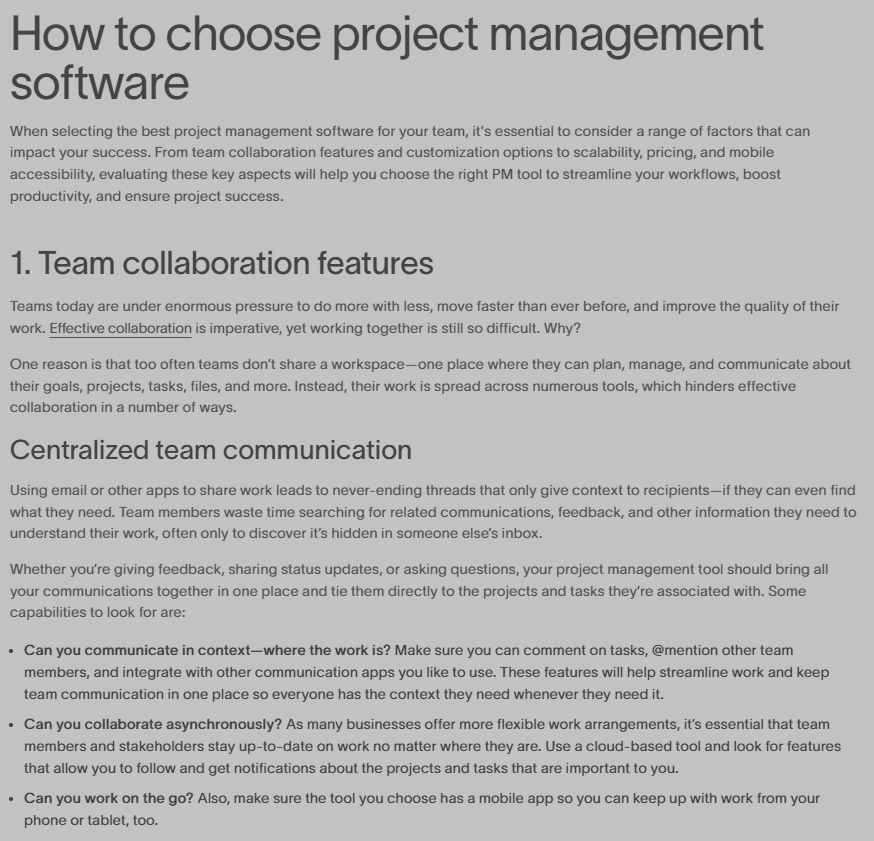
Buyers still need information after they enter the sales pipeline. Good content answers objections, reduces uncertainty, and helps people compare their options.
G2’s 2024 Buyer Behavior Report found that 49% of buyers took at least four months to choose software worth more than $20,000. The year before, 41% took that long. Longer buying cycles give sales and marketing more opportunities to support buyers with relevant content.
Sales and marketing should share the same up-to-date resources instead of creating one-off documents. At this stage, you can share content like:
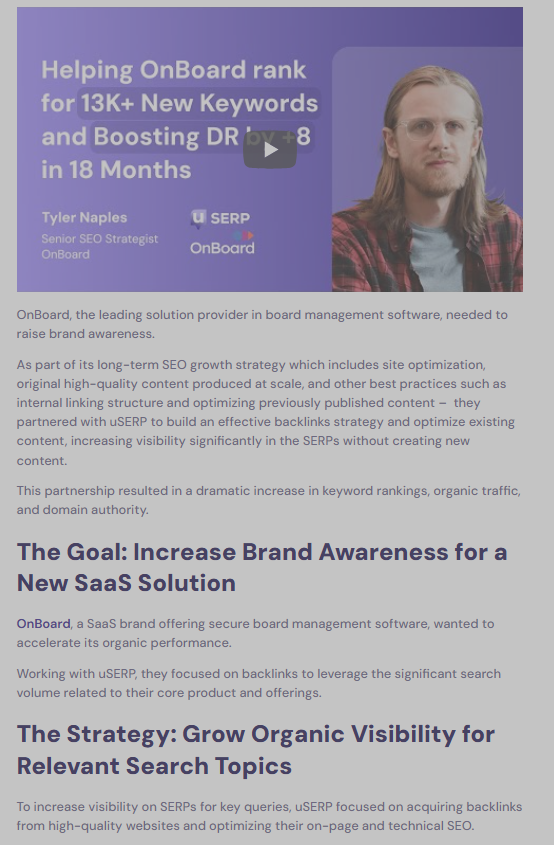
Take a case study, for example. It can show how a company in the same industry solved a similar problem and the results they achieved. It can also discuss why they chose that solution. This gives buyers information they can use while making a decision.
Revenue growth depends on more than winning new customers. Customer adoption, retention, expansion, and renewals all depend on people getting value from the product.
Consider these resources:
An Ahrefs SEO guide for beginners can help customers assess their website’s SEO health and use the platform’s features. This type of educational content supports product adoption by helping customers complete relevant tasks.
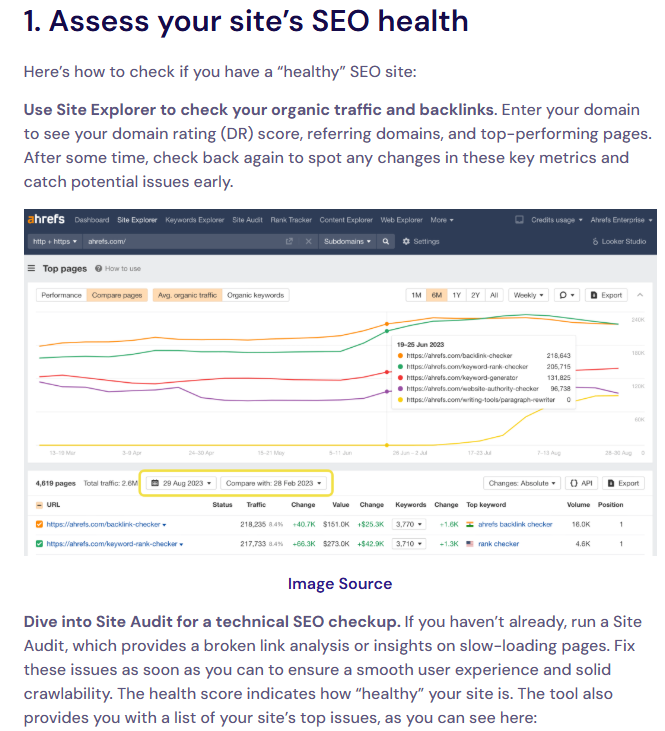
Revenue enablement changes content planning from campaign-based projects to a lifecycle approach.
A strong content operations lifecycle helps teams assign ownership, coordinate workflows, and maintain assets across the whole process. Marketing, sales, customer success, and RevOps all help shape the plan. Teams then organize content by customer need. The stages include awareness, consideration, decision, onboarding, adoption, expansion, and renewal.
Each team should identify the content it needs at its assigned lifecycle stages and agree on who creates, reviews, and maintains those resources. Marketing can coordinate content production while sales and customer success provide feedback based on customer interactions.
With these responsibilities established, teams can organize their content around specific customer needs:
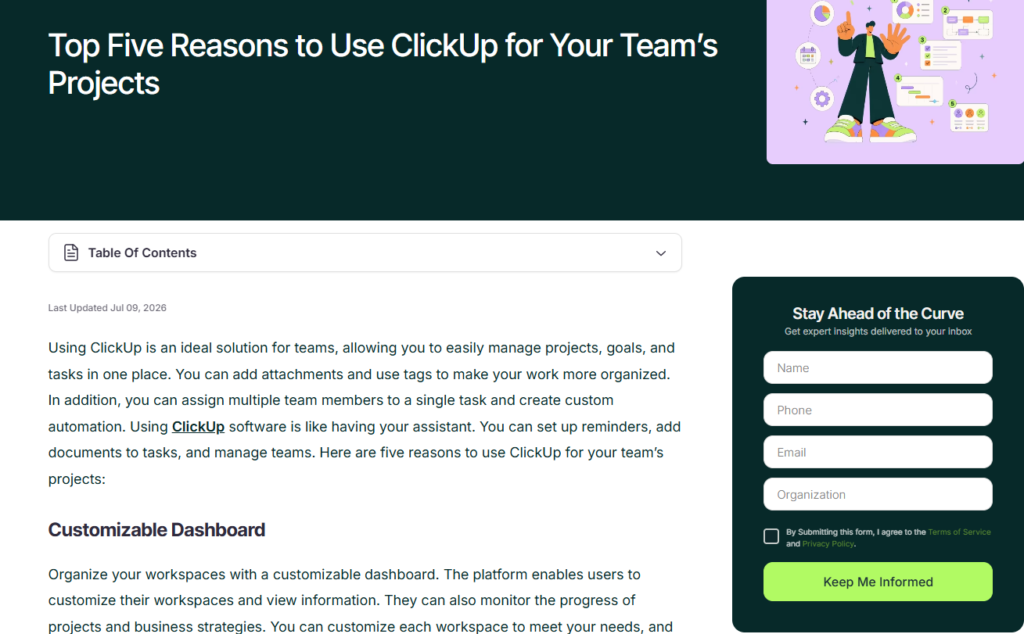
Each asset serves a different need, but they all support one connected journey.
This approach cuts duplicate work and keeps messages consistent. It also gives each team the resources customers need from first contact through retention.
Revenue enablement also changes how teams measure success. Sales and content marketing metrics alone cannot show performance across the full customer lifecycle.
Use shared outcomes to track the path from first contact to a long-term customer relationship. These metrics show how each team’s work supports revenue growth.
Track metrics such as:
For example, compare onboarding completion, product adoption, and renewal rates for customers who use your educational content with those who do not. These comparisons can reveal patterns worth investigating, although they do not establish that content alone caused the differences.
Review these metrics across departments to identify where customers need additional support. Marketing can examine content engagement, sales can assess how resources support buying decisions, and customer success can track adoption and renewal trends.
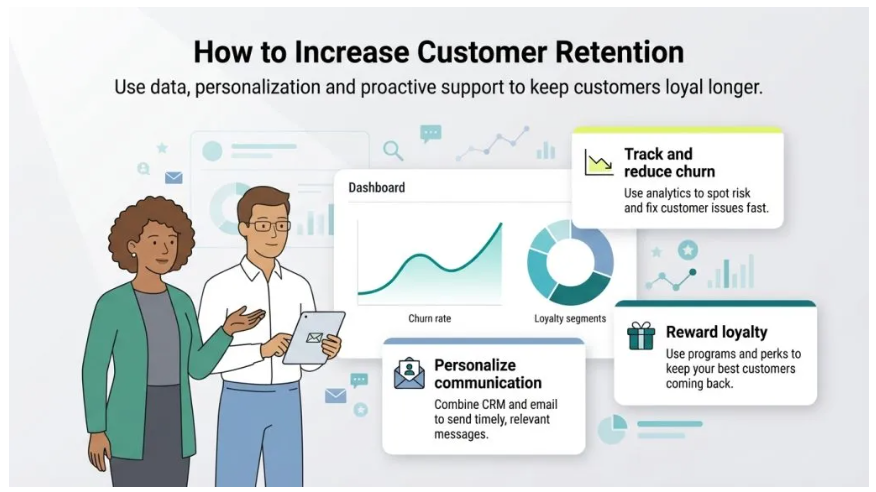
Instead of working toward separate targets, every team helps improve the same revenue outcomes.
Moving toward revenue enablement requires companies to align people, content, and goals across the customer lifecycle.
These common mistakes can slow that effort:
Revenue enablement changes how organizations think about content.
You’re no longer creating buying guides or onboarding resources for one department. You’re using them as shared assets. The goal is to help customers learn, evaluate, adopt, and continue using a product.
Organizations can use shared content to create more consistent customer experiences and evaluate how their content supports revenue goals. Coordinating content across revenue teams also requires consistent publishing workflows.
Explore Wordable’s blog for more guidance on managing content production and publishing.
Sales enablement focuses on helping sales teams close more deals. It does this by providing content, training, and tools.
Revenue enablement has a broader scope. It connects marketing, sales, customer success, account management, revenue operations, and customer education. It doesn’t just support the sales process. It supports the entire customer lifecycle, from awareness through renewal.
Content marketing supports customers before, during, and after the sale. A people-first content strategy helps teams: