


If you publish content that touches health, finances, or legal decisions, you need to know about YMYL and content governance.
Why?
A single error can harm someone’s well-being, cost money, or create liability for your company.
Content governance helps your team check facts and apply safeguards, so you can create content that stands up to Google’s strictest standards.
Let’s take a closer look at what YMYL is, how governance works, and three practical editorial workflows you can use for YMYL content. *Bookmark this post so you can come back to it, and forward it to your editorial team!
Here are 5 key takeaways from the article, optimized for answer and generative engines:
YMYL stands for Your Money or Your Life. These are topics that can directly affect a person’s health, finances, safety, or overall well-being.
Google treats YMYL content differently because mistakes can cause real harm. Experts should write or review pages about medical advice, financial guidance, or legal decisions.
Low-quality content on these topics can mislead readers, create risk, or damage your brand’s credibility.
If you want your YMYL content to get rated well, you need content governance in place. ⬇️
Content governance for YMYL guides your team to create YMYL content that’s accurate, safe, and trustworthy.
Semaglutide online is a perfect example of why strong content governance is critical for YMYL topics. Since semaglutide is a prescription medication with significant health implications, any online content (blog posts, social media, or product pages) must meet strict accuracy, legal, and compliance standards.
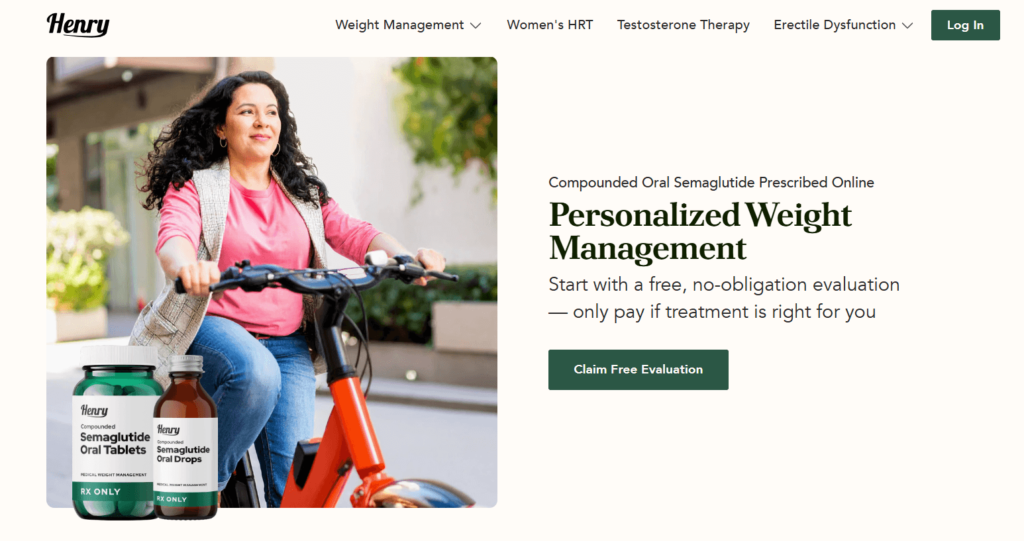
Companies promoting or providing information about semaglutide rely on editorial workflows that include medical review, legal approval, and fact-checking to make sure every claim is verifiable and safe.
YMYL content includes any page or topic that could affect a person’s health, finances, safety, or overall well-being.
Some YMYL key indicators include:
Here’s how to identify YMYL content. 👇
Example: A blog post explaining semaglutide dosing or side effects.
Example: An article comparing credit cards or discussing tax strategies.
Example: A guide on workplace compliance rules or rental contract obligations.
Example: An explainer on new healthcare legislation.
PQ ratings from Search Quality Raters help evaluate and improve Google’s algorithms.
Google evaluates pages using a Page Quality (PQ) rating scale that ranges from Lowest to Highest.
It works like this. 👇
Lowest: Pages are harmful, deceptive, untrustworthy, or unsafe. This includes YMYL content that could mislead users or create a serious risk.
Low: Pages intended to be helpful but fail to achieve that purpose. (Probably due to missing, inaccurate, or poor-quality information. Or no EEAT.)
Medium: Pages meet their purpose. But there’s nothing to indicate a high-quality rating or a low-quality rating. Or the content has strong high-quality rating characteristics and mild low-quality characteristics.
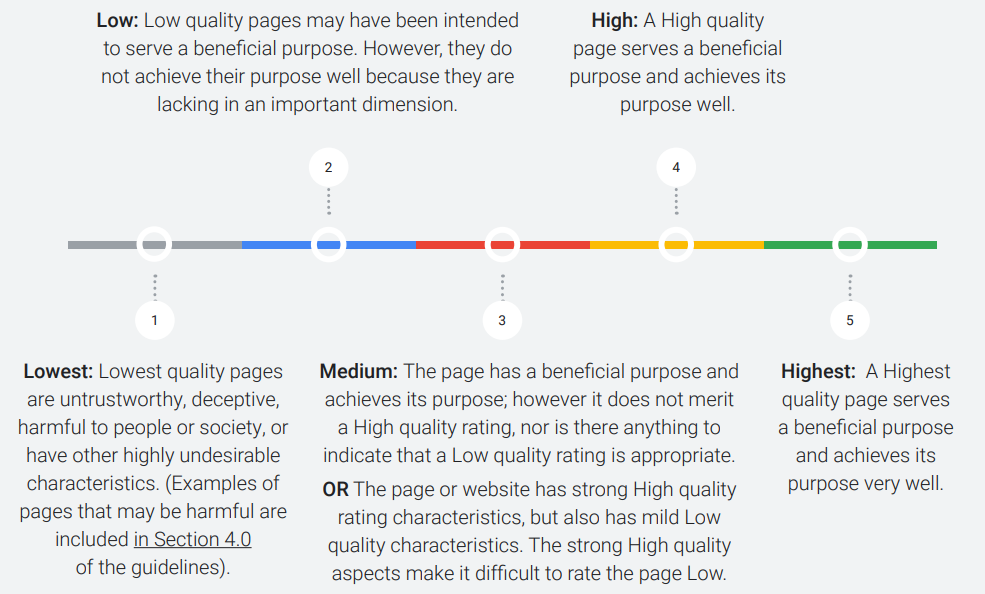
High: Pages have a beneficial purpose and achieve their purpose well. (Usually by providing useful, accurate, and reliable information. And demonstrating clear expertise and trustworthiness. Again … EEAT.)
Highest: Pages have a beneficial purpose and achieve their purpose VERY well. There’s exceptional accuracy, authority, and trustworthiness. And the creator applied significant skill, effort, or expertise.
For YMYL content, Google expects very high PQ standards. Even small mistakes can reduce the rating.
Here are three practical content governance workflows your editing team can follow for YMYL content.
Copy and paste these into Google Docs and use them as checklists. Or add them to your editorial team’s digital workflows if you use a project management tool, like ClickUp or Basecamp. (I recommend the latter for better workflow optimization across the team.)
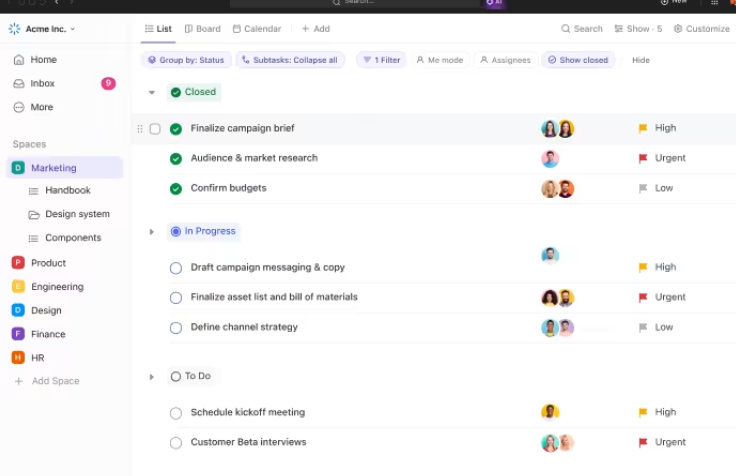
I also highly recommend giving your content creators very specific content briefs for YMYL topics. This can help prevent unnecessary editing later.
Use this workflow to make sure your YMYL content aligns with Google’s standards.
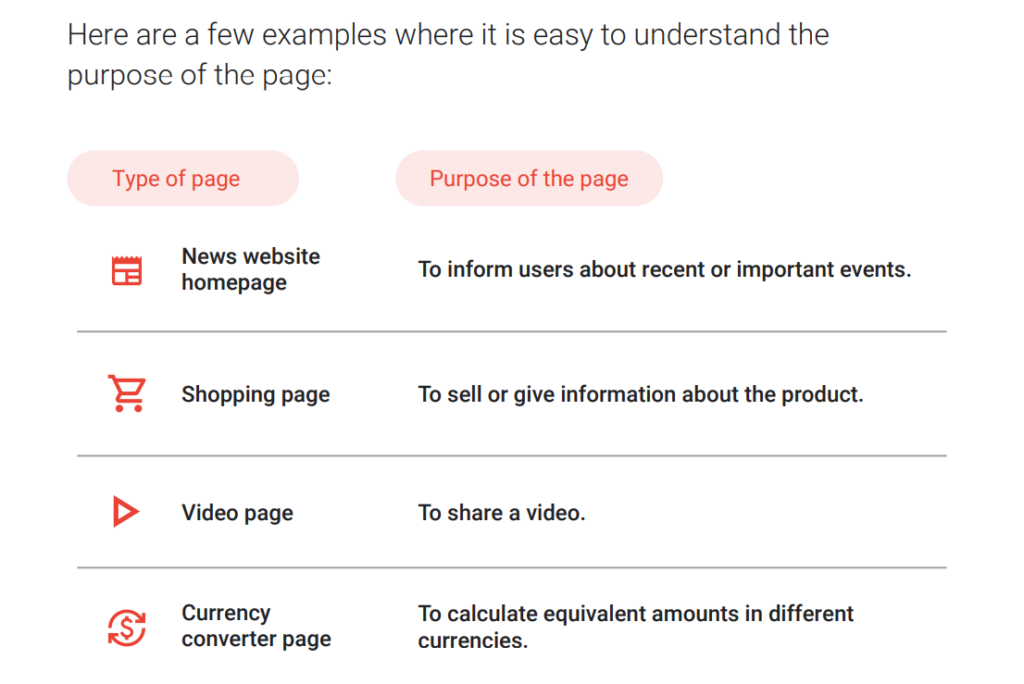
Make sure the YMYL content has a clear and helpful purpose.
➜ Clear purpose example: To inform the audience about student loan options with low interest rates.
➜ Unclear purpose example: Scattered information about loans and opinions that don’t point to any clear goal for the reader.
Here are some content purpose examples in Google’s Search Quality Rater Guidelines:
Could this content harm people’s health, financial stability, or safety? (Or society’s welfare or well-being?)
Does the content include:
Example 1: A social media post tells diabetics to stop taking prescribed medication and use unproven home remedies instead. (Harmful.)
Example 2: A subject matter expert shares budgeting and savings tips. (Based on years of experience as an accountant.) (Unharmful.)
*Pro-Tip: Review Section 4.0 in Google’s Search Quality Rater Guidelines for definitions on what’s considered harmful.
Is it obvious that the creator put in legit effort, time, and skill or talent to create this content?
Is the content 100% original? (Use a plagiarism checker to make sure.)
Make sure to also compare it against high-ranking content for the same topic. Is the structure, order, and information unique (or mostly unique) compared to competitors?
Is there a gap the creator filled with this new content? Or is it just a regurgitation of someone else’s work?
Does the content demonstrate experience, expertise, authoritativeness, and trust (EEAT)?
Does the author/creator have experience, expertise, authority, and trust in their industry? Have they included credible sources that back up claims they don’t have expertise in?
If not, has the content been reviewed by someone who has EEAT? Is that cited in the subtitle or the author bio section? (E.g., “Written by Lauren Anderson, Reviewed by Sarah Lane, MD, MPH.”)
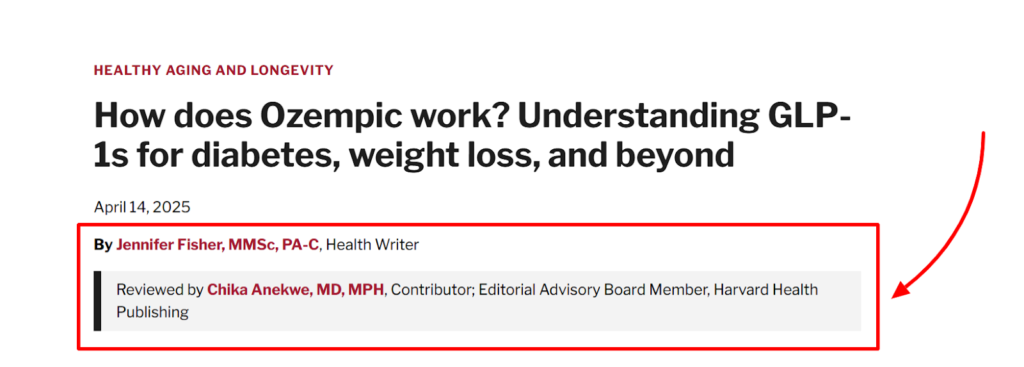
As you’ve noticed, EEAT plays a major role in content quality. But to fully demonstrate EEAT, I also highly recommend implementing a backlink strategy. The more authoritative websites that point to your content, the more authoritative your site will become.
Why? There’s only so much “authoritativeness” you can demonstrate on your own.
Shaun Anderson, founder of Hobo SEO, says:
“Google essentially distrusts everything that a user will add to their own website … if it’s not repeated across the web. So reputation, for instance, across the web is a major EEAT factor.”
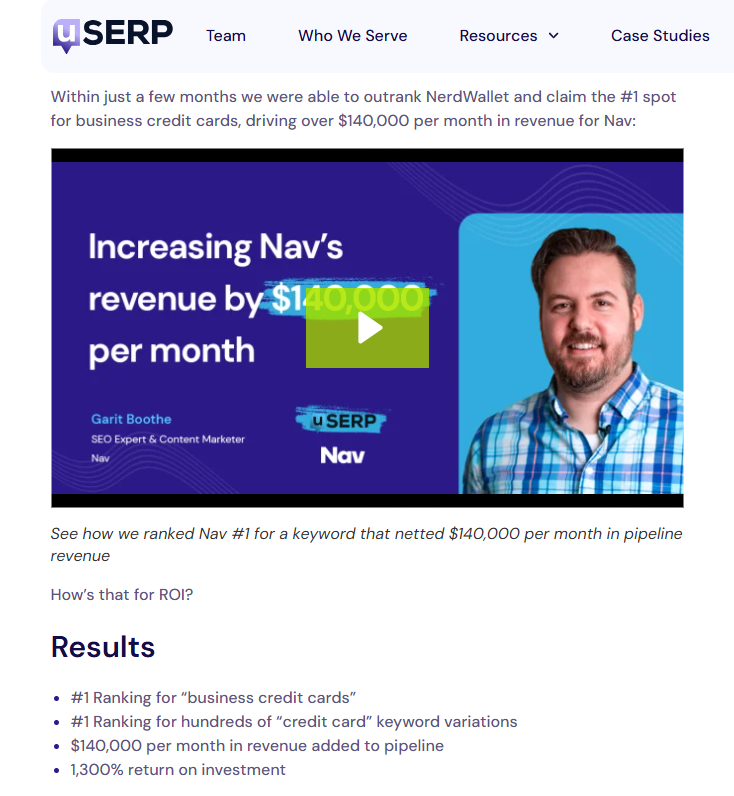
If you need help with this, reach out to our sister company, uSERP. The uSERP team specializes in acquiring high-quality backlinks from trusted sites. They’ll even write your guest posts for you, find the best publishers, and make sure links get do-follows.
Check out how uSERP helped YMYL brand Nav add 140K MRR to their pipeline.
Use this workflow to make sure the content is complete, well-structured, and ready for the web. (Again, copy/paste this into Google Docs or add to your digital workflows.)
Written content:
Video content:
Images, graphics, and interactive content:
Use this workflow to make sure content is accurate, legally sound, and accessible.
Written content:
Video content:
Images, graphics, and interactive content:
For all content types:
Once you’ve run through these, head to the post-editorial workflow below. 👇
Effective content governance depends on clear ownership. One person drafts the content, another verifies sources, and a subject-matter expert approves regulated claims.
Documenting these roles prevents high-risk content from being published without review.
After reviewing the content, choose one of these next steps:
Option 1: If you spotted issues, send the content back to the creator with clear, actionable feedback so they know exactly what to fix. (E.g., missing facts, unclear language, weak sources, or anything that could create risk.)
After they edit the piece, run through the above workflows one more time. If everything’s all set, follow your style guide and conduct a line-edit check. Then make your changes, and send it off to staging and publishing.
Option 2: Sometimes the content is correct but covers a very high-stakes YMYL topic. In these cases, send it to a qualified expert for review. That might be to a doctor, financial advisor, or legal professional.
*Note: Make sure to document their approval. This protects your audience and your brand if you ever need to back up your content claims.
After they’ve approved your content: Follow your brand guidelines, conduct line editing, make your changes, and then send it off to staging and publishing.
Option 3: If the content doesn’t meet standards and there’s real risk or potential for harm, have a team conversation.
Explain why it doesn’t hit the mark and how to prevent content like this going forward. Then nix the whole piece or reuse the useful parts for another asset if relevant.
Finally, track performance.
Monitor engagement, search rankings, and feedback. If issues or updates arise, loop the content back to the creator or an expert for updates. Your goal is to keep your YMYL content trustworthy, compliant, and valuable over time.
YMYL content requires structured governance.
Even small mistakes can damage readers and your credibility. Implementing editorial workflows promotes accuracy, legal compliance, and accessibility. They also help keep your team accountable.
Teams that master governance publish content that audiences trust, search engines reward, and regulators respect.
Use the workflows from above and add to them as needed for your respective industry.
Once editorial review becomes consistent, the next challenge is getting approved content into WordPress without formatting errors.
If you need a blog publishing tool that works fast, try Wordable. It publishes your blog posts from Google Docs to WordPress in seconds!
What’s the big deal with YMYL content?
YMYL topics can directly affect a person’s health, finances, safety, or legal decisions — or society’s welfare or well-being. That’s why raters apply very high Page Quality (PQ) standards for pages on YMYL topics.
Recognizing what counts as YMYL is the first step in applying strong governance.
How do I confirm content is accurate and safe?
Once you know a piece is YMYL, check every fact, statistic, and claim against authoritative sources.
Also, make sure that medical, financial, and legal advice has been reviewed by qualified experts before it reaches your audience.
(Use the editorial workflows from above for a complete audit.)
How do I maintain EEAT in YMYL content as an editor?
To maintain EEAT in YMYL content:
How often should we update YMYL content?
Audit your high-risk YMYL content quarterly. Moderate-risk content needs at least semi-annual reviews.
Note: Whenever regulations, new research, or industry guidelines change, update your YMYL pages immediately to keep your content reliable.