


Crypto now affects everyday business operations for anyone running a freelance business, agency, creator brand, or Web3 company that accepts or holds digital assets. It can shape bookkeeping, reporting, and year-end tax planning.
Tax authorities have caught up, though. Agencies like the IRS and HMRC can now track cryptocurrency transactions far more effectively than most people realize. If you think your activity is invisible because it lives on a blockchain ledger, that assumption can get expensive.
The real pain point isn’t taxes themselves. It’s volume. Active traders and crypto-based businesses generate thousands of digital asset transactions across centralized exchanges, wallets, and platforms. When April rolls around, trying to reconstruct all of that manually feels impossible. And it often is.
That’s where crypto tax planning changes the outcome. Instead of treating taxes as a once-a-year problem, planning turns them into a year-round system. You track activity as it happens, understand what affects your crypto gains, and avoid surprise bills that arrive when it’s too late to fix mistakes.
For creators, agencies, and Web3 businesses, that system matters even more. Crypto payments, wallet transfers, staking rewards, and software expenses can all create headaches at tax time if your records aren’t clean. The goal isn’t to become a tax expert. It’s to build a simple, repeatable workflow that keeps the right documents, dates, and transaction details in one place.
Highlights
Before you can organize anything, you need to know what the Internal Revenue Service (IRS) is looking at. In the U.S., the IRS treats virtual currency as property, not cash. That sounds like a small detail, but it changes the way taxes work. It means crypto is taxed more like stocks or real estate than like dollars.

So even if you never “cash out,” you can still owe crypto taxes.
But this is where crypto tax planning really starts. You’re learning which actions matter and what proof you need for each. Once you understand this foundation, tracking becomes easier to manage.
Not every move triggers a tax bill. A taxable event usually happens when you realize a gain or loss. This includes selling crypto for fiat, trading one coin for another, or spending your crypto. Even paying for services with cryptocurrency assets counts as a sale.
Other actions look similar but aren’t taxable. Moving Bitcoin from an exchange to your own wallet doesn’t trigger taxes. Buying crypto with USD doesn’t either. Still, these moves need to be documented. If they aren’t, it’s easy to mislabel a transfer as a sale and accidentally pay crypto taxes you never owed.
Picture this. You move 1 ETH from Coinbase to your hardware wallet. That’s just a transfer. No tax. But swap that same ETH for Solana on a decentralized exchange, and now you’ve triggered a taxable event.
Your cost basis is the “starting line.” It’s the amount you paid for the asset plus any fees. When you sell, the difference between the sale price and this basis determines your capital gains. Getting this number right is the hardest part of tax reporting.
So, if you received a charitable gift or participated in a token launch, your basis might be zero or the fair market value on that day. Without a clear record, the IRS might assume your basis is $0, which maximizes your tax bill.
Imagine buying 100 tokens during a smart contract interaction for $500. If you sell them for $1,200, your capital gains are $700. If you lose the purchase record, you might be taxed on the full $1,200.
Time changes how crypto is taxed. Hold an asset for more than a year, and it usually qualifies for long-term capital gains rates. Those rates are often much lower than ordinary income tax rates. For some people, the difference is huge.
This is where planning really pays off. Selling an asset just a few weeks too early can push you into higher taxes. Selling the same asset a month later could significantly reduce that bill.
When planning exits, always check the purchase date of each lot. Selling Bitcoin bought in 2023 during 2025 likely qualifies as long-term. Selling an altcoin you bought last month doesn’t. Same asset class. Very different outcome.
Before you can report anything, you need to know what you actually have. That sounds obvious. But crypto makes it easy to lose track. Assets spread out quietly over time, across wallets, platforms, and networks you don’t check every day.
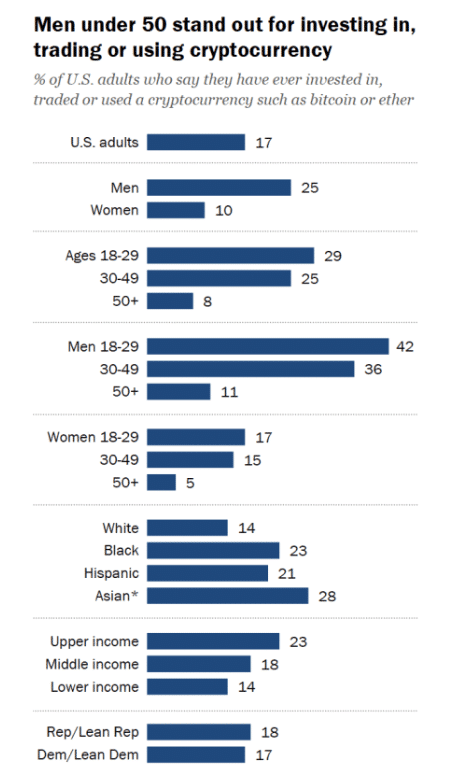
Crypto clutter is common. Pew Research Center found that 17% of U.S. adults say they’ve invested in, traded, or used crypto at some point. That’s a lot of people who may have:
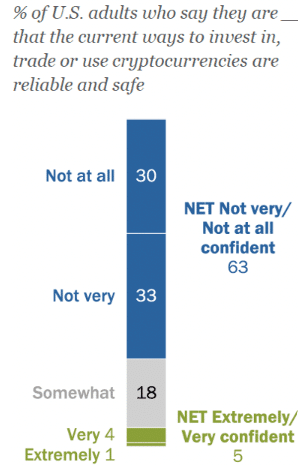
In fact, around 63% of Americans say they have little to no confidence that current ways to invest in or use cryptocurrencies are reliable and safe, according to the Pew Research Center.
This is why organizing your digital portfolio is important. When you have everything stored in one place, it’s easy to trace activity, explain movements, and avoid reporting mistakes that come from missing context.
Start by getting a full picture of your holdings. That includes assets on centralized exchanges, self-custody wallets, and even an offshore wallet if you use one. This matters more now because digital asset brokers are required to report activity. If their numbers don’t match yours, you’ll be stuck reacting instead of explaining.
It’s also important to separate trading activity from income. Not all crypto comes from buying and selling. You might earn staking rewards or participate in liquidity mining. Those rewards are usually treated as ordinary income the moment you receive them and must be reported on Form 1040.
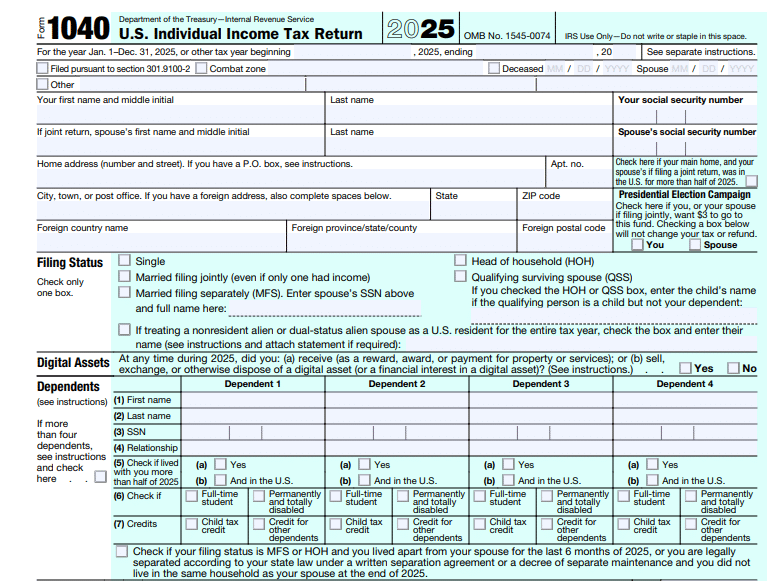
Here’s where people slip up. Say you receive ETH from staking cryptocurrencies. That ETH is income today. If you sell it later, after the price rises, that sale creates a second tax event. Without clear inventory tracking, it’s easy to miss one of the two.
If the IRS asks questions, screenshots won’t be enough. You need records that stand on their own. That usually means CSV exports from your digital asset trading platforms and transaction IDs for every on-chain move.
Tax authorities now rely heavily on automated blockchain analysis to follow activity across the distributed ledger. They don’t just look at totals. They look at flows.
DeFi and NFTs make this even trickier. Providing liquidity often involves wrapping tokens, which many crypto accountants treat as a trade. NFTs can also require extra care because some may be treated differently from standard crypto assets, depending on the asset, use case, and applicable tax guidance.
Imagine this. You deposit 10 ETH into a smart contract for a liquidity pool. You need to record the fair market value of those 10 ETH on that day. Without it, you won’t know your cost basis when you exit the pool later.
Spreadsheets can help at first, but they become harder to trust as your activity spreads across wallets, exchanges, and networks. At that point, you need a single hub for all cryptocurrency transactions across every wallet and crypto exchange you use.
This lets you see the full picture. It also makes it easier to capture expenses. These include gas fees on Ethereum and trading fees on a centralized exchange. These costs often reduce your taxable gain by increasing your cost basis or lowering proceeds.
If crypto is part of a client project, connect those expenses back to the original website design proposal, invoice, or project record so the business context is clear later.
For example, paying 0.01 ETH in gas to complete a trade isn’t just a nuisance. It’s part of what you paid to acquire the new asset. If you don’t document it, you lose that adjustment. Over time, those missed expenses add up and inflate your tax bill. The same hub should capture everyday business spending as well, such as software subscriptions or contractor payments made with a stablecoin debit card, so that expenses paid in digital dollars are recorded alongside your on-chain fees.
Crypto tax planning isn’t only about staying compliant. It’s also about making smart decisions before the year ends. The rules aren’t there just to calculate what you owe. They also give you room to plan.
When you understand how gains, losses, and timing work together, you may be able to reduce your tax bill within the rules that apply to your situation. That takes attention, clean records, and a system that shows you what’s happening in real time.
One detail most people overlook is accounting. The IRS allows different ways to determine which coins you sold first. FIFO (first-in, first-out) is the default. But it isn’t always the most tax-efficient option.
Methods like HIFO (highest-in, first-out) can reduce your taxable gain by selling your highest-cost coins first. That alone can significantly change your numbers.
Then there’s tax-loss harvesting. If you hold assets that are down, selling them can result in a loss. That loss can offset other crypto gains, and in some cases, up to $3,000 of regular income.
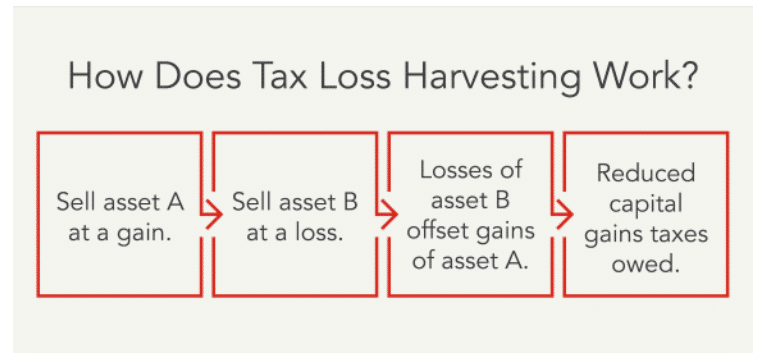
Let’s say you made $10,000 trading Solana. But another token dropped, and you’re sitting on a $10,000 unrealized loss. Selling that losing position brings your net gain close to zero. The market may feel volatile, but the tax result becomes manageable.
Manual entry can lead to errors. One missed transaction can distort months of reporting.
Modern crypto software connects through APIs to centralized exchanges and reads activity directly from the blockchain ledger. The system pulls historical transactions, categorizes them, and keeps everything in sync.
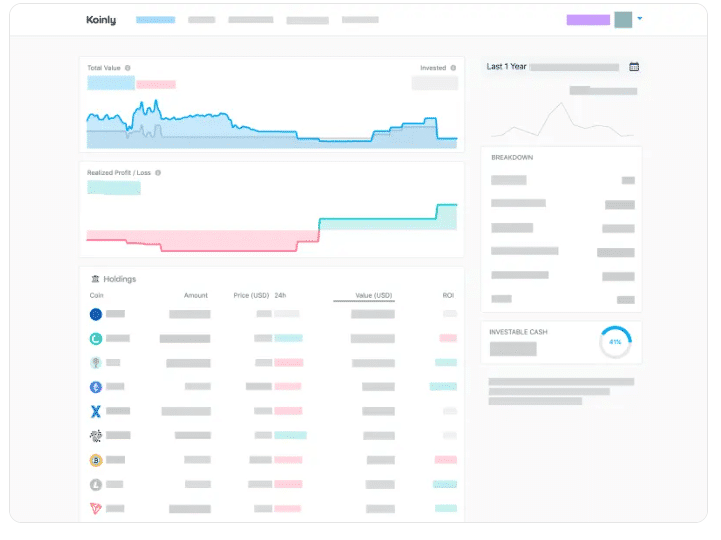
Here’s where automation really helps. Imagine withdrawing assets from Exchange A and depositing them into Wallet B. Without automation, you might accidentally report that move as a sale. Good software recognizes it as a transfer. It matches the withdrawal to the deposit, avoiding a false taxable event.
The same principle applies to content operations, too: repetitive tasks can be automated, but the final judgment still needs human review.
Wordable’s content automation guide breaks down how to build workflows that save time without removing oversight.
At the end of the day, everything has to go into tax forms. For instance, Schedule D and Form 8949 summarize your capital gains and losses. With proper automation, those reports are generated in minutes instead of hours.
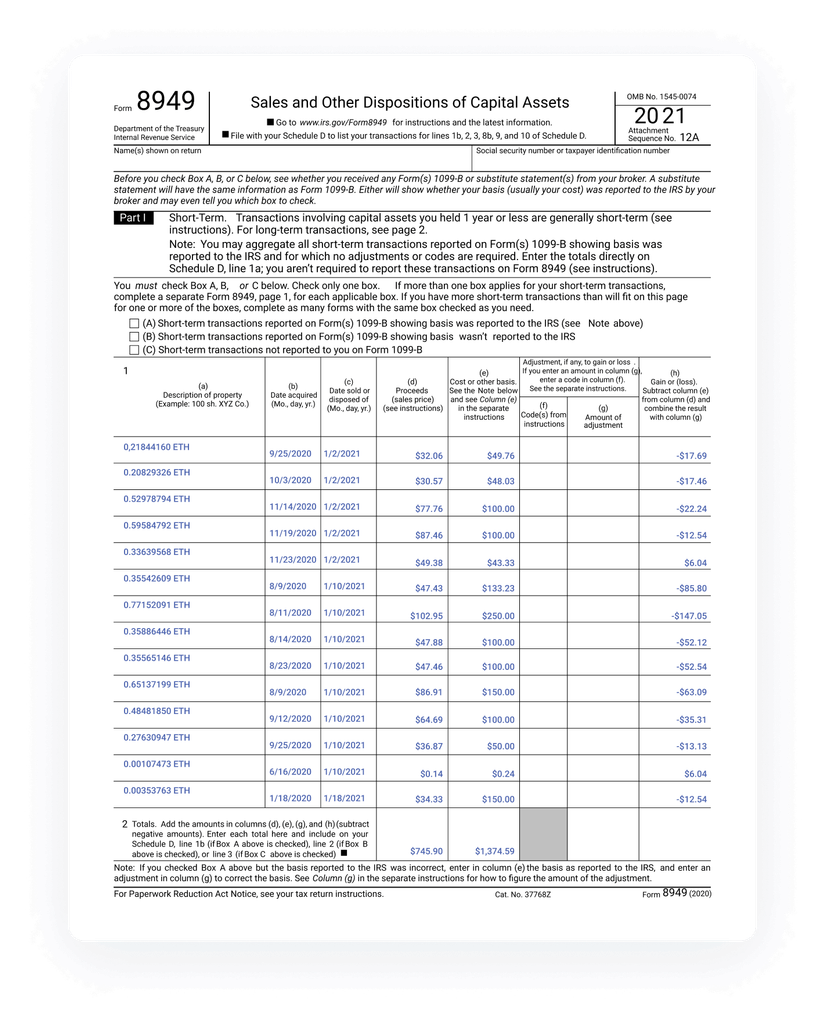
This also matters as digital asset reporting becomes more standardized. Form 1099-DA is designed for broker reporting of digital asset proceeds, which means platform data may become easier to compare against your own records. If your internal tracking is clean, you’re less likely to be caught off guard by mismatched numbers.
Real-time tracking makes a big difference, too. Instead of finding out about your tax bill in April, you can see it building throughout the year. Many financial software development companies now offer dashboards that show projected liability month by month.
This means that if you notice a large gain in October, you might look for tax-loss harvesting opportunities. Or, you may decide to hold an asset for a few more months to qualify for long-term rates.
Managing your crypto tax records year-round makes filing easier later. It avoids any surprises when tax season arrives. Here are some best practices to follow.
Pick one day each month and add it to the same content calendar or admin calendar you already use for recurring business tasks. Nothing fancy. Pull your exchange exports and check your wallet activity. Make sure transfers still make sense in your system.
This small monthly review prevents a missing wallet, an export from an exchange, or a transfer label from becoming a larger reporting problem later.
Dashboards are helpful, but they don’t serve as evidence. If you ever need to explain a number, you’ll want the original data behind it. Save CSV exports, transaction IDs, notes for unusual transactions, and any business documents that explain how income or expenses should be categorized.
Summaries help you review totals, but source files help you prove where those totals came from.
Automation can be a lifesaver. It reduces manual data entry and keeps your records up to date without constant effort. If you already use content marketing tools to manage recurring work, treat crypto tax software the same way: helpful for reducing manual tasks, but still something you need to review.
Open Banking-style data sharing can be useful here. It lets you share financial data with accredited third parties through APIs, with your consent. This can make reporting easier and faster. You still need to review what comes through, though. Software can mislabel things when your trail gets complicated.
If you run a business, separate wallets and clean labels make your reporting easier to defend if anyone asks questions later.
This matters even more as compliance expectations rise. The Corporate Transparency Act has prompted many businesses to tighten their documentation of ownership and activity. Crypto records fit into that same reality. Clear separation reduces confusion and risk.

Don’t wait until tax season to find out where you stand. Check your estimated liability in November or December, when you can still make choices.
That might mean realizing a loss or slowing down trading until your records catch up. If the numbers look unusually high (or just don’t make sense), it can help to run them by crypto tax experts before the year closes. None of that works if you only look at the numbers after the year is already closed.
When your records are organized, and you review them throughout the year, it becomes easier to spot missing cost basis, separate income from trades, and understand your tax position before filing season arrives.
Want more practical guides on building better systems and workflows?
Explore the latest posts on Wordable for step-by-step advice you can actually use.