


Think about how you look for answers online today. You probably open an AI assistant instead of a traditional search engine. Yet, most publishers still write articles just to rank on Google. They ignore how AI retrieval and citation systems actually work.
If you want traffic, you must learn how to get cited by ChatGPT.
Ranking first on Google doesn’t ensure AI engines will pick you. AI models prefer text that is:
If your pages have poor formatting, weak topical depth, or outdated facts, AI will ignore you.
This article explains how these new citation systems pick sources. You’ll see why your site gets left out and learn how to fix it.
In this article, getting cited by ChatGPT means making your content easier for AI search and retrieval systems to find, understand, and reference when they generate sourced answers.
Highlights
AI tools don’t pick links the way old search engines do. They pull information from different sources. Then, they build answers from those pieces.
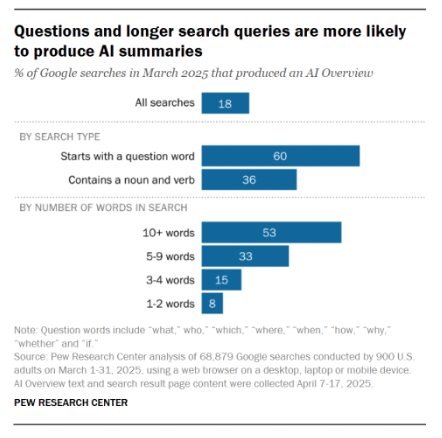
A 2025 Pew Research Center report found that 18% of Google searches produced an AI summary. Of those summaries, 88% cited at least three sources. That creates a new visibility challenge for publishers.
While this data comes from Google’s AI summaries rather than ChatGPT directly, it shows the same broader shift: AI tools are increasingly deciding which sources users see first.
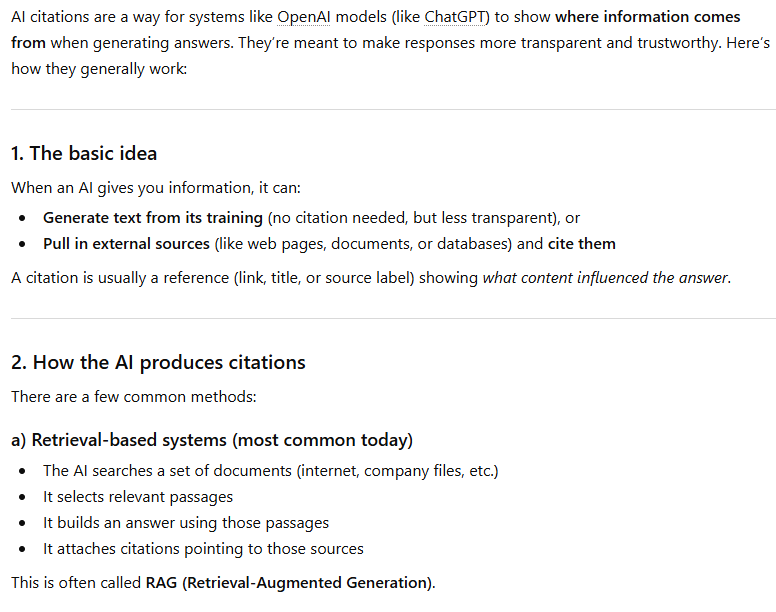
Traditional search engines show users a ranked list of webpages. AI systems work differently. They retrieve passages, entities, and supporting context that help answer a prompt.
This process is called retrieval-augmented generation, or RAG. Let’s say someone asks how AI citations work. The model may pull a short definition, a workflow example, and supporting context from separate pages. It looks for content that feels trustworthy, useful, and easy to extract.
Screenshot provided by the author
AI systems prefer content they can extract fast. Short explanations, schema markup, and direct answers help a page stand out.
Imagine you’re writing a section titled “What foods help lower cholesterol?” It gives clearer retrieval signals than a vague heading stuffed with keywords. Messy layouts create problems. So do long filler intros and broken heading structures.
AI systems skip content that creates confusion during extraction.
Traditional authority signals still influence visibility. High-quality backlinks and trusted domains help search systems understand credibility.
But AI retrieval also looks at:
A small cybersecurity blog that publishes deep research on ransomware can still earn citations if its content stays focused and well-sourced. Clear expertise often beats broad coverage.
Many publishers assume high rankings guarantee AI visibility. But that’s not always true.
McKinsey research notes that even leading brands might not appear in AI-powered search results. AI systems look for content they can retrieve, trust, and explain with confidence.
Many websites still make it difficult. Here’s why:
A lot of content says the same thing. AI engines notice that fast. If articles repeat the same advice without fresh insight, most will be ignored.
Original information gives retrieval systems more reason to cite your page. When dozens of articles are making the same points in the same way, retrieval systems have no real reason to pick one over another. Adding original insights helps your content stand out from the near-identical answers out there.
You can add:
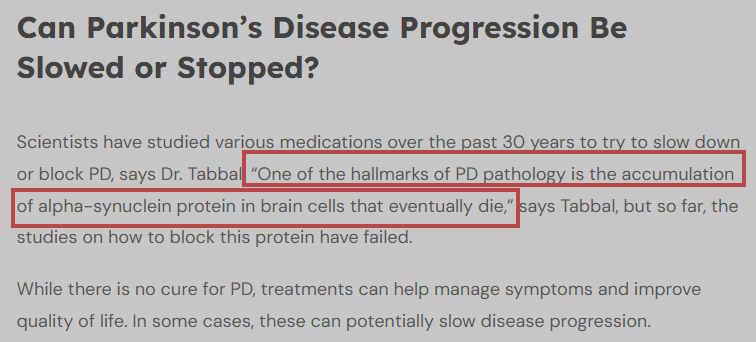
These add depth that generic summaries lack. AI systems prefer content that teaches something useful instead of recycling familiar talking points.
Some pages cause extraction issues before the content is even read. This can happen if your content consists of:
Simple formatting helps AI understand information faster. In fact, Adobe research found that 54% of surveyed users turn to ChatGPT because it summarizes complex topics fast.
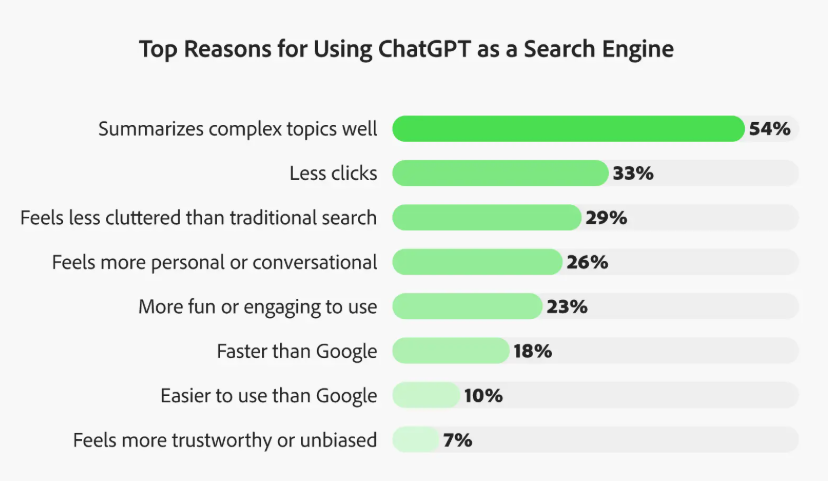
That raises the value of clean formatting. Consider using short paragraphs, tables, bullet lists, and section summaries. These help retrieval systems isolate useful information.
Entities help AI systems understand who and what your content is connected to. These entities can include brands, authors, products, tools, industries, and topics.
AI systems use those connections to understand your area of expertise.
Thin coverage creates weak signals. Imagine a website that publishes a short article about email marketing automation. AI systems have little context to work with. But a site with email marketing guides, tool reviews, case studies, and tutorials builds a stronger topical footprint. Author bios, internal links, and topic clusters help reinforce those connections.
AI systems often look for current information when topics change fast. Old screenshots, outdated statistics, and broken links can make content feel less reliable.
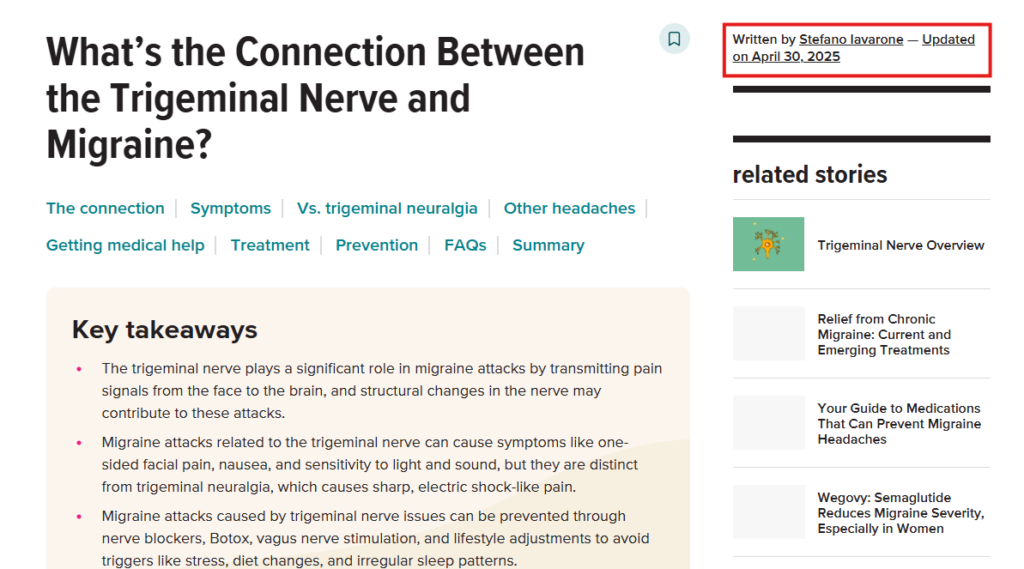
Here’s an example. An AI search guide that still references tools or features from 2023. It may look incomplete next to a page updated with newer examples and current data.
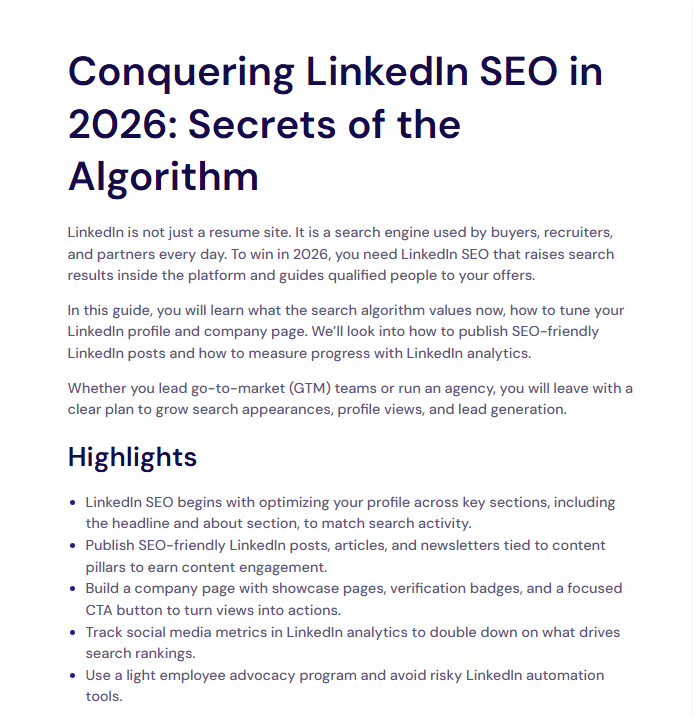
Update your content regularly. This helps AI systems with:
AI visibility starts with structure. Even strong insights can get ignored if retrieval systems struggle to read the page. Clear formatting helps AI engines understand context and surface your content in citations and summaries.
Let’s see how to get cited by ChatGPT.
AI engines often retrieve sections that match the wording of a user’s search. That is why question-based headings help retrieval systems understand page intent faster.
Use headings that sound like real searches. An example would be, “What are the best areas to stay in Tokyo for first-time visitors?” This gives a clearer context than a broad heading like “Tokyo travel guide.”
The same applies to headings such as “How many days do you need in Rome?” This is natural-language phrasing. It helps AI connect questions with direct answers.
AI loves content that answers the question right away. Long introductions can bury useful information. They also make extraction harder.
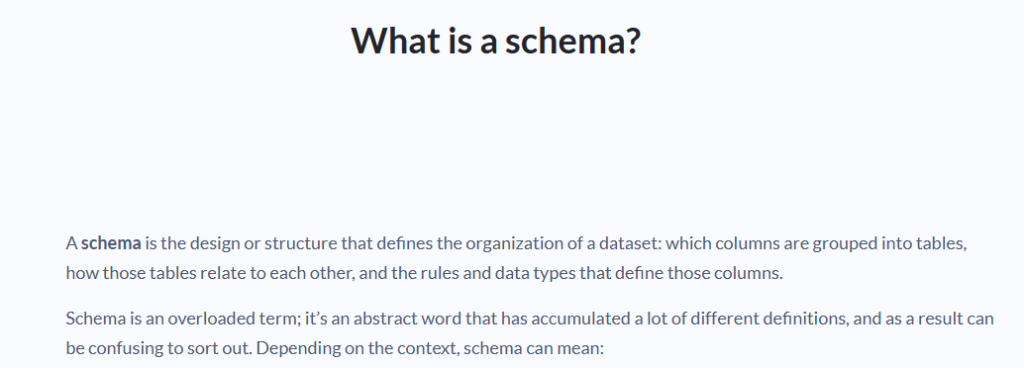
Start sections with a short definition or a direct explanation. Then expand on the topic.
This follows the inverted-pyramid format often used in journalism. Say a section explains schema markup. First, you lead with a plain definition. Then add examples, context, or technical details underneath.
Formatting helps AI break pages into readable chunks.
Use these elements to make it easier for AI engines to retrieve information:
Here’s an example.
You want to explain how to start a WordPress blog. A numbered workflow provides AI with clear extraction signals. It works better than a heavy block of text.
AI systems prefer claims backed by context and evidence. Unsupported statements create uncertainty during retrieval.
For example, your article says AI Overviews reduce clicks. Don’t leave the claim unexplained. Add a supporting statistic or comparison.
Retrieval systems look for:
These help AI understand why a claim deserves trust.
AI systems need proof that your site is a safe source. They track signals across the web to check your credibility. Here is how to make your brand look trustworthy.
AI engines see more value in information they cannot find elsewhere. Use original research, internal data, and firsthand experience. These separate your content from recycled summaries.
Take a SaaS company. It publishes survey data about AI search adoption. This provides retrieval systems with something unique to cite. Expert commentary, workflows, and case studies also strengthen citation potential.
AI also looks beyond your own pages. Brand mentions, interviews, podcast appearances, and citations from trusted websites help reinforce credibility.
Let’s say multiple marketing blogs reference your research about AI visibility. Retrieval systems gather more evidence that your brand is connected to that topic. External mentions help strengthen topical associations across the web.
Thin coverage creates weak retrieval signals. Create topic clusters. These help AI answer engines understand the depth of your expertise.
Imagine a content agency that offers guides, tutorials, and case studies on technical SEO. This provides stronger topical coverage than a site with a single article. Internal links between related pages also help retrieval systems understand relationships between content.
Your backend setup can block AI scrapers. If AI cannot read your code, it cannot pull your content.
Let’s fix the technical SEO issues that hide your text.
AI systems rely on crawlable and accessible pages. If important content cannot get indexed, retrieval systems may never find it.
Blocked resources, broken internal links, and weak site architecture reduce discoverability.
For example, a guide to content production sends stronger signals when it sits inside a connected cluster of related articles and category pages. XML sitemaps and a clean site architecture help search engines understand which pages exist and how they connect.
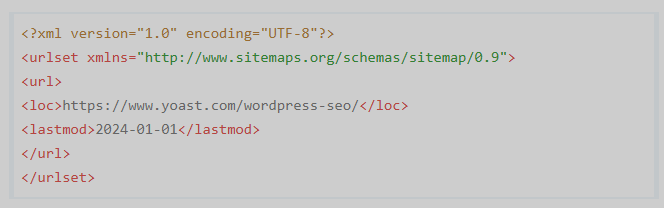
Schema markup provides extra context about your content. It helps AI understand what the page covers and who created it.
For example, the Author schema connects content to a real person with expertise in that topic.
Many teams focus on content strategy. But they forget the publishing process behind it.
AI visibility also depends on how structured and consistent your pages stay after publication.
Poor workflows create problems that hurt retrieval. Broken heading hierarchies, missing spacing, and formatting glitches make pages harder for both users and AI to understand.
These issues usually come up after the content is already written, which is why they often get overlooked. Even a strong article can lose visibility if formatting problems creep in during publishing.
For example, a detailed article pasted from Google Docs into WordPress can lose heading structure, tables, or lists during upload. That weakens extraction signals.
Strong workflows help teams keep content organized from draft to publication. Use consistent heading structures and readable layouts. These improve how retrieval systems process information across the site.
That is where publishing operations matter. Wordable helps preserve formatting when moving content from Google Docs to HubSpot, WordPress, and Medium, so teams spend less time fixing broken headings, lists, and spacing after upload.
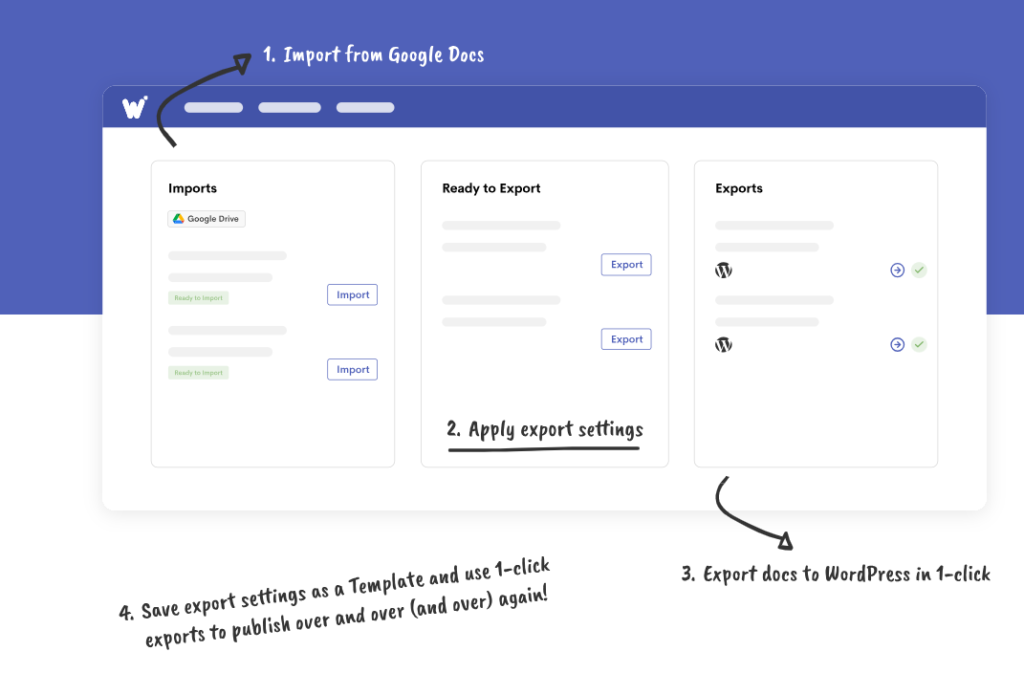
It also reduces publishing errors that can later create structural problems.
Operational efficiency is now part of AI search readiness. Teams that publish clean, structured, well-maintained content create fewer obstacles for retrieval systems as they crawl, parse, and select citations.
AI engines reward clarity, structure, topical depth, and trust. Traditional SEO tactics still keep your site alive. But AI retrieval adds another layer of complexity to your daily strategy.
Brands that publish structured, authoritative, and easy-to-extract content gain stronger visibility. Use clean formatting, strong entity signals, and topic clusters. All of these help retrieval systems process information with greater confidence.
The best time to improve your AI visibility is now. AI search is already changing how people discover information. Businesses that improve their content structure and workflows early will have a stronger foundation as AI-driven search continues to grow.
Tools like Wordable.io can help you keep that structure clean from draft to publication by preserving formatting between Google Docs and WordPress.
A ChatGPT citation happens when an AI system uses your content as a source inside an answer or summary. Retrieval systems usually choose pages with these elements:
No. A page can rank well on Google. But it may still fail to appear in AI-generated answers. AI retrieval systems don’t just look at traditional rankings. They prioritize extractable content, formatting quality, and topical relevance.
Entity signals help AI systems connect your brand, authors, tools, and topics. Strong topical coverage, author bios, internal links, and external mentions give retrieval systems more confidence in your expertise.