


If you want to stand out in content marketing, sales, or education, you need to know how to write a case study. A case study tells a story that shows real problems, practical solutions, and measurable results. It builds trust, drives leads, and creates assets you can use across different channels.
From a customer success story that wins over prospects to a teaching case study that sparks classroom debate to a research paper that solves key problems, the format works everywhere. In this guide, you’ll see clear steps, examples, and a ready-to-use template you can adapt for your own work.
Highlights
A case study is a detailed account of a situation, project, or event that shows how challenges were identified and solved. Unlike a simple business case or research paper, it tells a story. It gives readers context through background information. It outlines the case synopsis and finishes with a thorough case analysis.
The purpose goes beyond presenting facts. A well-structured case study builds credibility, teaches, and helps guide better decisions.
For businesses, it proves results, highlights customer journeys, shows conversion rates, and validates the marketing team’s work. Fortune 500 companies often use them to show measurable business impact and fuel lead generation through content marketing.
Educators turn theory into practice, driving learning objectives and classroom participation. In fields like the social sciences, they often appear in peer-reviewed journals.
If your brand needs stronger proof for prospects or stakeholders, case studies can help. You can use case studies to persuade, teach, and provide evidence that supports action. They also drive your growth marketing by giving prospects and stakeholders proof that matters.
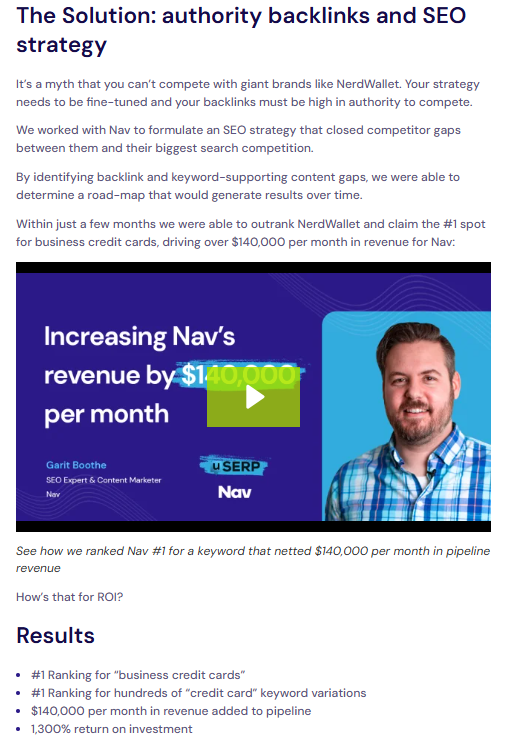
Case studies have different purposes depending on the setting. Here are the most common types and how they’re used.
These focus on real-world results. For example, a customer success story might show how the company increased conversion rates through better data management and workflow automation.
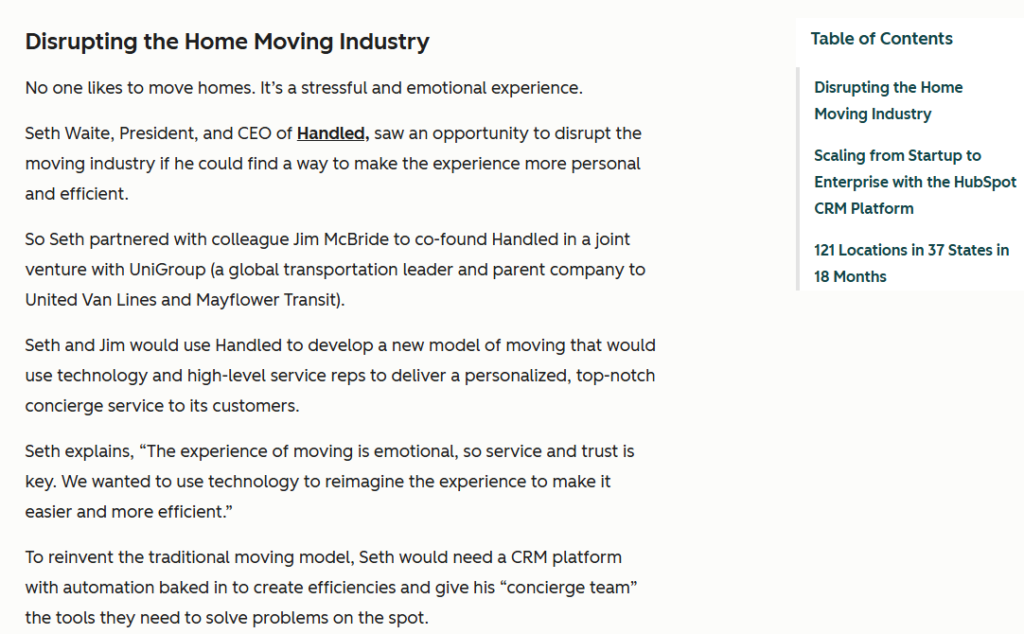
Businesses often rely on a SWOT analysis as a theoretical tool to frame the context. Business and marketing case studies usually tie results to clear success and measurable business impact.
In fact, according to a recent survey by the Content Marketing Institute, 75% of B2B marketers use case studies or customer stories in their research tools. That makes case studies one of the top five content types for decision-makers, right alongside articles and product reviews.
A teaching case study is common in universities. It’s designed to spark classroom discussion and deepen learning. These studies are usually paired with a teaching note and classroom activities.
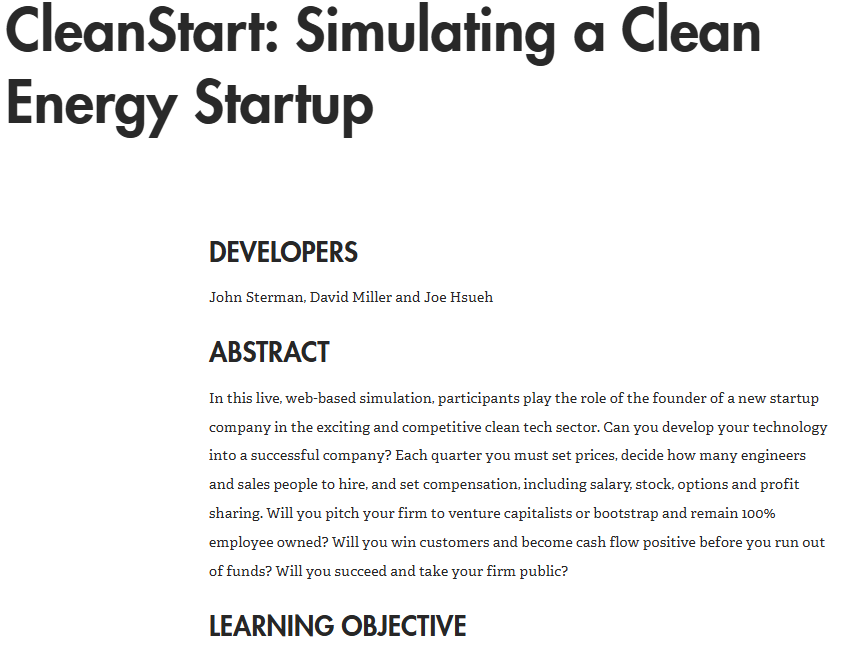
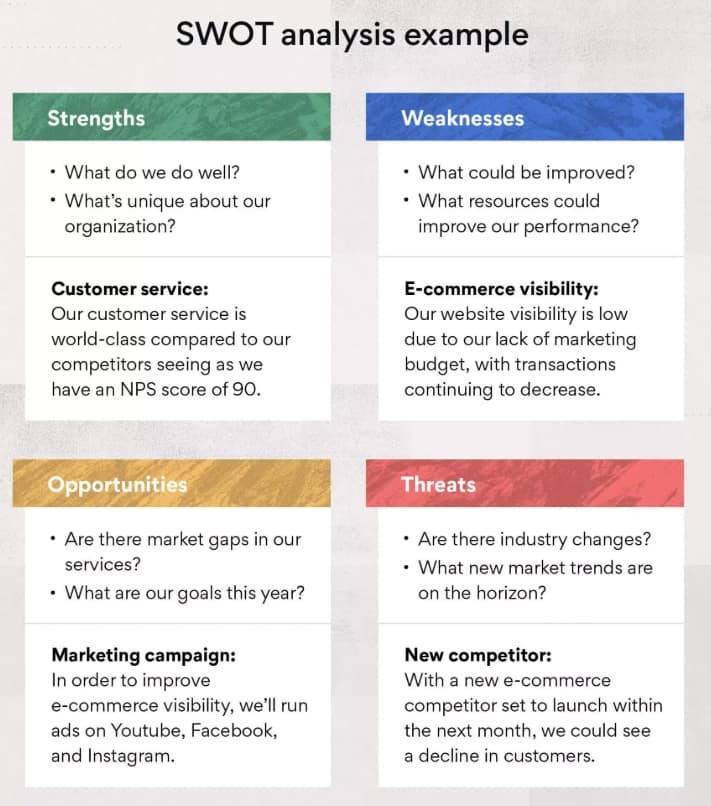
Academic and teaching case studies may also include a literature review and reference theoretical frameworks relevant to the course, discipline, or research question.
They may also suggest areas for future research. Educators make abstract concepts practical and give students a safe way to test ideas.
Healthcare companies use case studies to train staff and improve care. These documents often focus on real patients and their journeys, showing how treatment decisions are made and evaluated.
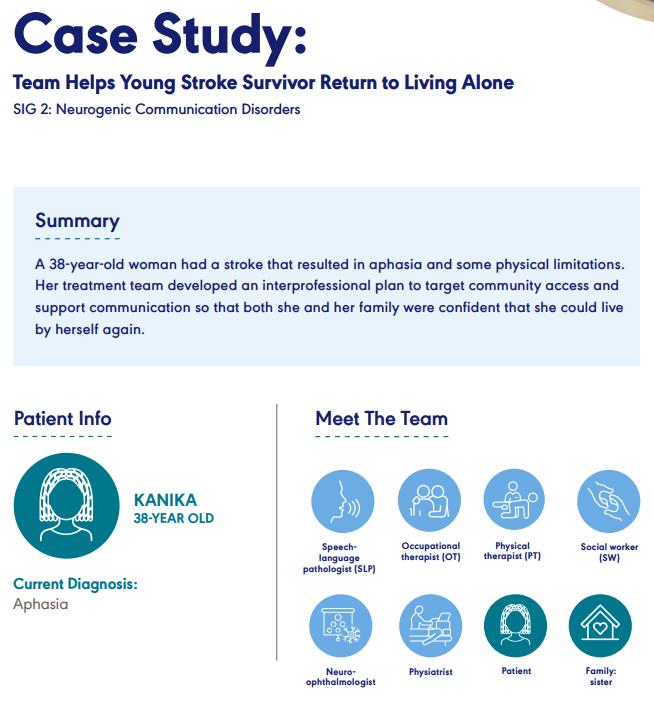
For example, healthcare professionals may use case studies to refine wound care techniques or track treatment monitoring. They may also analyze student health records to evaluate long-term trends or design a treatment plan based on symptoms, lifestyle, and outcomes.
Clinical and healthcare case studies use data from patient interactions, medical literature, and monitoring devices. This approach helps doctors and researchers make better decisions, track outcomes over time, and improve both patient safety and the quality of care.
Each element below covers what to include, why it matters, and how to do it without slowing the reader. Think of it like building blocks. Keep the blocks light: you don’t want to overwhelm the reader with too much information unless that’s what your target audience expects.
Open with a short snapshot. Start by naming the company or persona, the product, and the buying context.
Then mention the team and the decision makers, so you make it clear who’s behind the company.
Close the intro with one or two success criteria. Now the reader knows what “good” looks like, and they can judge the plan.
Context removes guesswork. It also makes your later charts easier to read because the numbers point back to a clear goal.
If it’s hard to focus on the opening, you can, for example, draft a one‑page content brief that aligns scope, audience, and outcome before you write.
Write the research problem in one line. Follow with a plain thesis statement that hints at your path. Keep these simple and specific. Readers stay with you when they know where the story is going.
A clear problem and thesis also help you compare options later. If you work on crawl efficiency or template issues, connect the thesis to revenue pages and time-to-value.
Unless your audience is very technical, keep jargon and complexities out of the way. For example, if your case study focuses on technical SEO, briefly mention some strategies and tie them to their benefits (e.g., revenue). Don’t go in depth on things like the schemas you changed to increase visibility into AI overviews.
Bring proof that busy people can scan. Use primary data, such as interviews and analytics exports. Add secondary data only when it sharpens context. Keep visuals simple.
For instance, you could use a small table or line chart with a clear caption.

Recent buyer data backs this up. According to NetLine’s 2024 State of B2B Content Consumption and Demand Report, professionals who requested case studies were 78.5% more likely to purchase within 12 months.
Late-stage buyers want proof, not fluff. Show outcomes and clear visuals, so follow-ups feel more useful and evidence-backed.
Keep a working doc that stores screenshots, notes, and post‑interview summaries so nothing gets lost. When everything’s ready, post from Google Docs to WordPress with just one click. This preserves formatting and reduces cleanup time before publishing.
Lay out the options you looked at. Then explain the plan you chose and the reason behind it. Assign clear owners, set dates, and tie each step to one metric. That way, the plan becomes actionable and easy for others to follow.
The order of execution matters too. Quick technical fixes may improve visibility early, while long-term content or authority strategies usually compound results over time.
Marketing teams often use this tactic: one fix, one consolidation, and one growth move.
For example, you might fix render-blocking scripts, merge duplicate pages, and publish a research asset designed to earn mentions over time. If building authority is your goal, use link baiting. This helps assets attract the right citations in your niche.
Check every detail. This includes quotes, names, numbers, and screenshots. Ask for one round of tracked edits to keep the process simple.
Then create a long-form blog version and a one-pager for sales so each team gets what it needs. If the study will be used in a classroom, add a short teaching note with discussion prompts.
Share your content editing process with the whole team. This keeps the workflow consistent across writers and editors.
Moreover, simply changing a few words can serve the company better. For example, your ads team might pitch in on how, if you add a specific statistic, they can use it in retargeting.
Writing a case study feels easier when you break it into clear steps. Each stage takes you from raw notes to a polished story that proves results and builds trust.
Most strong case studies follow the same basic progression: define the problem, gather proof, explain the solution, and show measurable outcomes. Breaking the process into smaller stages also makes it easier to keep the story focused, rather than overwhelming the reader with unnecessary detail.
The core structure works for both B2B and B2C case studies. But the focus shifts depending on the audience.
B2B readers want to reduce risk and shorten time-to-value. They need to see how your plan fits their existing stack. This means they look for numbers, ROI, and a clear path to adoption. Approvals and integrations often matter more than the story itself.
B2C readers, on the other hand, want to see themselves in the story. They connect with a strong hero, a real pain point, and a believable change in daily life. Emotion and social proof carry more weight than integrations or cost savings.
Keep the structure the same. But adjust the tone, the proof, and the call to action. For B2B, focus on ROI, approvals, and how your solution works with other tools. For B2C, lean into emotion, relatable examples, and the next small step a customer can take.
Once these elements are clear, the structure becomes easier to adapt. The next examples show how the same framework changes depending on the audience.
Here’s an example of a B2B case study in the SaaS niche.
Background. A mid‑market SaaS sells workflow automation to healthcare providers. The goal is to increase qualified demos in one quarter without raising customer acquisition costs (CAC). The internal team includes a head of marketing, one content manager, and one part‑time developer.
Problem and thesis. Organic trials are flat, even though content volume tripled. The thesis is to reduce crawl waste, consolidate duplicate templates, and build authority to money pages.
Evidence. Analytics show weak indexing of key templates and thin clusters around revenue pages. A cohort table reveals that trials convert well once visitors reach the right pages. Discoverability, not product fit, is the constraint.
Action plan. Fix render‑blocking scripts on templated pages. Merge 100 duplicate category URLs. Publish a comparison study that analysts want to cite.
Results. Organic demo requests lift by 118% within 90 days. CAC stays flat. The steps are documented so future launches follow the same pattern.
Distribution. The study becomes a slide deck, a sales narrative, and an email series for your sales pipeline. The asset sits in the core product cluster, so it compounds search value.
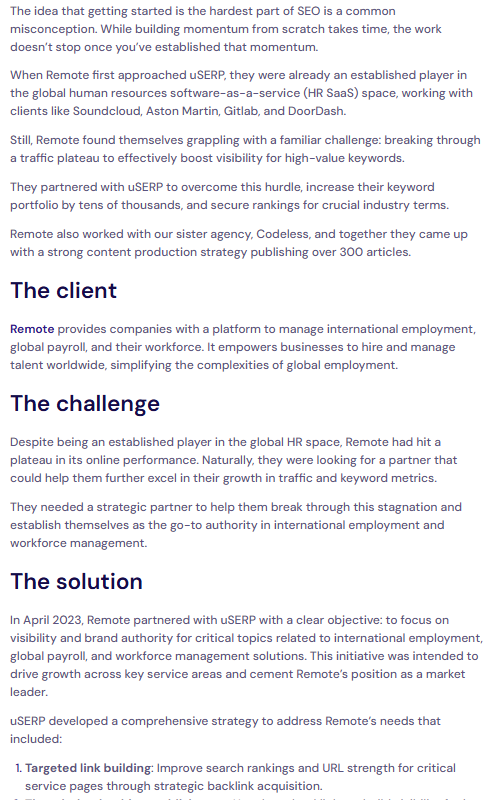
uSERP, a content marketing agency, follows this structure for its SaaS SEO case studies. Here’s a preview of one of its Remote case studies.

Here’s an example of a B2C case study for the e-commerce industry.
Background. A direct‑to‑consumer brand sells home fitness gear. The market is crowded, and ad costs are rising. The brand wants a story it can use across email, landing pages, and short videos.
Problem and thesis. Prospects hesitate because they fear they will quit at home. The thesis is to show a relatable customer who built a short routine and stuck with it.
Evidence. An interview with an older customer explains how she moved from avoiding workouts at home to following a short, consistent routine.
Sixty days ago, her heart was racing when she entered the shower. She was afraid she’d slip and break her arm, getting stuck indoors for weeks.
Today, she’s lifting weights and training with other grandmas. She’s even received compliments for having more energy than her own children.
Action plan. Use before-and-after photos with captions that explain the routine and provide evidence of support tools. Add quotes that capture relief and confidence. On the landing page, pair the story with a simple guarantee and a starter bundle.
Results. The story boosts add‑to‑cart rates and increases email signups. Short edits of the same story outperform generic ads as reels and shorts.
Distribution. The content becomes a modular asset for product pages, email automation, and paid social. Each placement highlights the next small step.
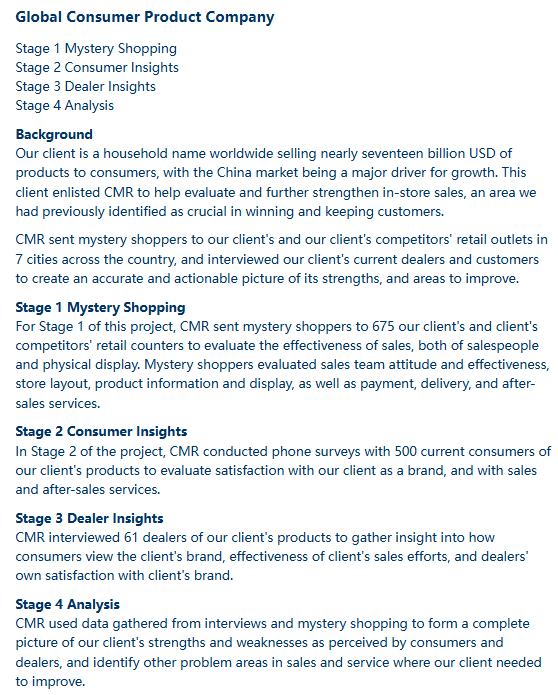
China Market Research Group has published similar B2C case studies that focus on consumer insights and sales strategies in the Chinese market. Here’s an example.
Here’s a simple template you can copy, paste, and adapt for any audience. It keeps all the key elements in order, allowing you to draft faster and more clearly.
Now you know the essentials of how to write a case study. They help you win over customers in both B2B and B2C. Start by establishing the context and defining the problem, then present evidence and develop an action plan. Case studies are powerful tools for proving value and telling stories that stick.
With Wordable, you can publish Google Docs directly to WordPress in seconds. That means less time fixing formatting issues and more time creating case studies that educate readers, build trust, and support your marketing goals. Start your free Wordable trial and publish your next case study from Google Docs to WordPress in seconds.