


If you’ve built a website over the last decade, you probably started with ads. That used to be the default: publish content, plug in an ad network, watch the money trickle in.
In 2026, that playbook is harder to execute. Ad blockers are everywhere. Privacy rules keep tightening. Major browsers are no longer supporting third‑party cookies. Users are tired of cluttered pages.
But you have more options now than ever before. Direct, reader‑supported models are easier to launch. They are better for your audience and far more predictable than CPM roulette.
This guide covers practical ways to monetize your website without ads. Think subscriptions, courses, commerce, donations, and/or paid features. Read on to learn some tweaks you can make right away, regardless of your niche or tech stack.
Highlights
Ad blockers are still widely used. In fact, there were 912 million active ad-blocking users worldwide in 2023. Hundreds of millions of people actively block ads on desktop and mobile devices.
Privacy changes continue to reshape how publishers can target or measure. Apple’s App Tracking Transparency reduced available signals for mobile advertising starting in 2021. Google’s Privacy Sandbox has moved the web beyond third‑party cookies in Chrome.
The market keeps tilting toward direct relationships:
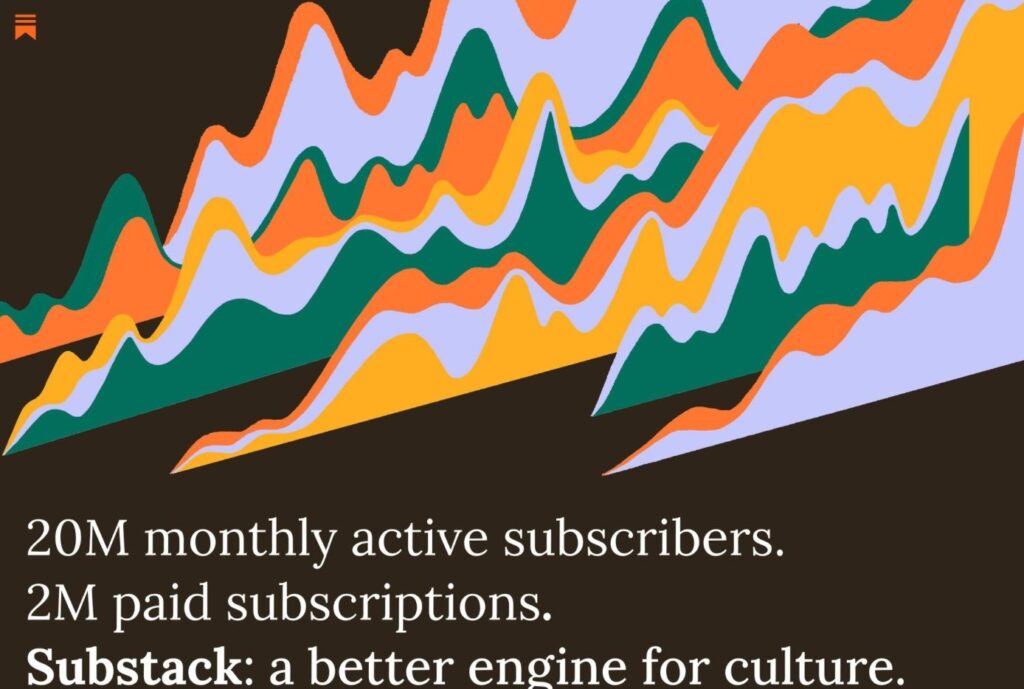
Substack reported passing two million paid subscriptions, as published on Facebook in 2023. The Guardian reached one million recurring supporters in 2021. This proves that donation‑style funding can scale for journalism.
When you deliver ongoing value, revenue becomes steadier. It becomes far less dependent on traffic spikes or algorithm changes.
This pushes creators and publishers toward diversified, reader‑centric models. You build products around what your audience actually wants, rather than cramming more ads onto a page. Beyond website advertising or blog marketing!
For example:
As a health insurance site, you can build trust on your website. You can share helpful content on topics like personal injury claims and insurance coverage gaps.
You can then offer a paid subscription with practical guides instead of pushing ads. While readers get real value, your site earns steady, predictable revenue.
Another example is a niche e-commerce website focused on home office setups. With this in place, you can publish detailed reviews of ergonomic chairs, standing desks, productivity gear, and other useful tools and equipment.
You can then offer a paid membership with exclusive perks. Think real-time price drop alerts from selected retailers. Consider personalized setup recommendations based on workspace size and budget, and members-only comparison tools.
This way, your readers can save time and money on high-consideration purchases. Meanwhile, your website generates predictable, recurring revenue. A win-win for both sides!
There’s no single way to monetize a website in 2026. And that’s a good thing!
You can choose what fits your audience and strengths, from subscription models and e-commerce blogs to online courses and affiliate partnerships. No need to worry about ad networks, ad space, ad formats, or ad placements!
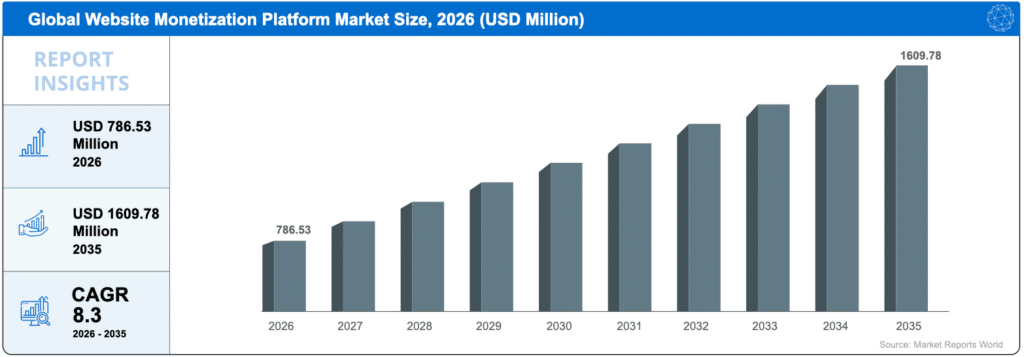
That’s why site owners go as far as investing in website monetization tools. In fact, according to a Market Reports World study, its global market is projected to grow from $786.53 million in 2026 to $1,609.78 million by 2035. That would represent a compound annual growth rate (CAGR) of 8.3%.
Before choosing a model, match it to how your audience actually behaves.
Subscriptions work when readers come back regularly for ongoing insight. Courses fit audiences trying to learn a skill in sequence. E-commerce works when your content already shapes buying decisions. Affiliate revenue fits content built around comparisons. Donations depend on whether your audience feels enough loyalty to pay voluntarily. Paid features work when readers need tools, not just information.
Beyond ads, here are some options for monetizing your website this year:
Subscriptions work because they’re simple. You trade consistent value for consistent revenue. Here’s how to roll out subscriptions:
Take it from Gavin Yi, CEO & Founder of Yijin Solution, who says, “Successful subscription models deliver exclusive value that free content can’t match. Focus on creating premium experiences…early access, deeper analysis, direct community interaction. When subscribers feel they’re getting something special, they stick around.”
See Duolingo as a prime example of a subscription-based language-learning platform.
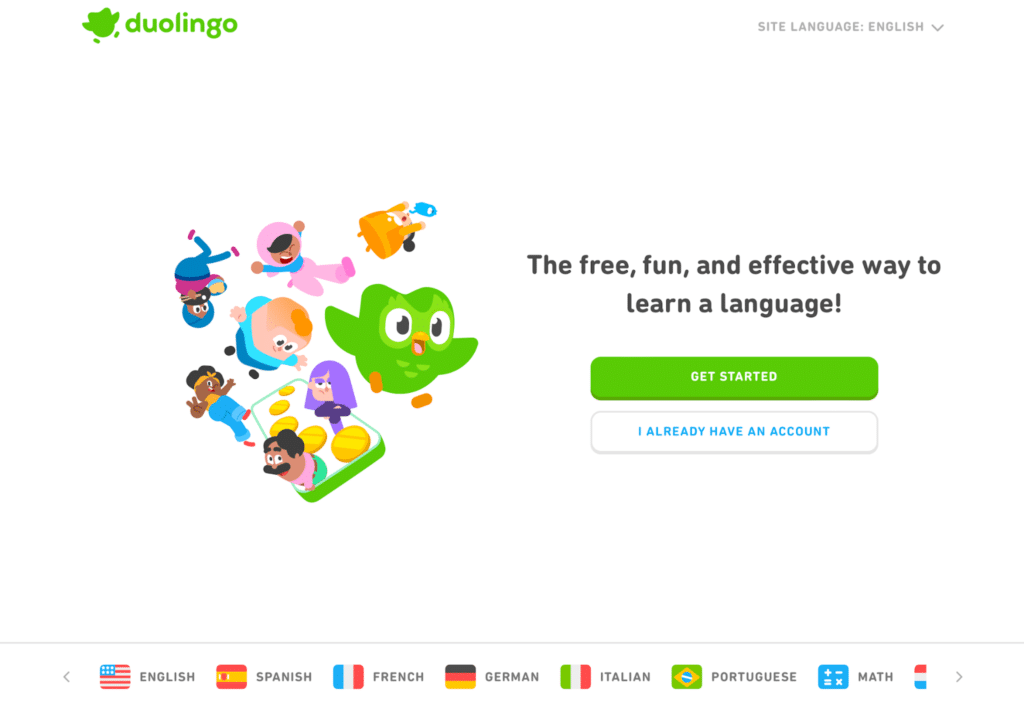
As you can see, niche industry sites often succeed by offering expert playbooks or proprietary data. If you publish regularly with a strong point of view, a subscription model or membership site is waiting for you.
Commerce on content sites works best when it feels like an extension of what you already do. If readers trust your advice, they’ll trust your products. That’s the power of your e-commerce blog and product listings!
If you’re not technical, tools like Shopify and WooCommerce cover full‑store needs for e-commerce sales. Gumroad and Lemon Squeezy make it easy to sell digital goods fast. Stripe handles payments cleanly. For most contentful CMSs, you can spin up a basic storefront in a weekend.
Jeffrey Zhou, CEO and Founder of Fig Loans, recommends monetizing your site by starting with practical, problem-solving products that match your audience’s real needs.
Zhou explains, “The strongest content-to-commerce strategies are built on trust and utility. When your audience relies on you for guidance, offering tools, resources, or products that simplify decisions or solve financial pain points can naturally turn that trust into revenue.”
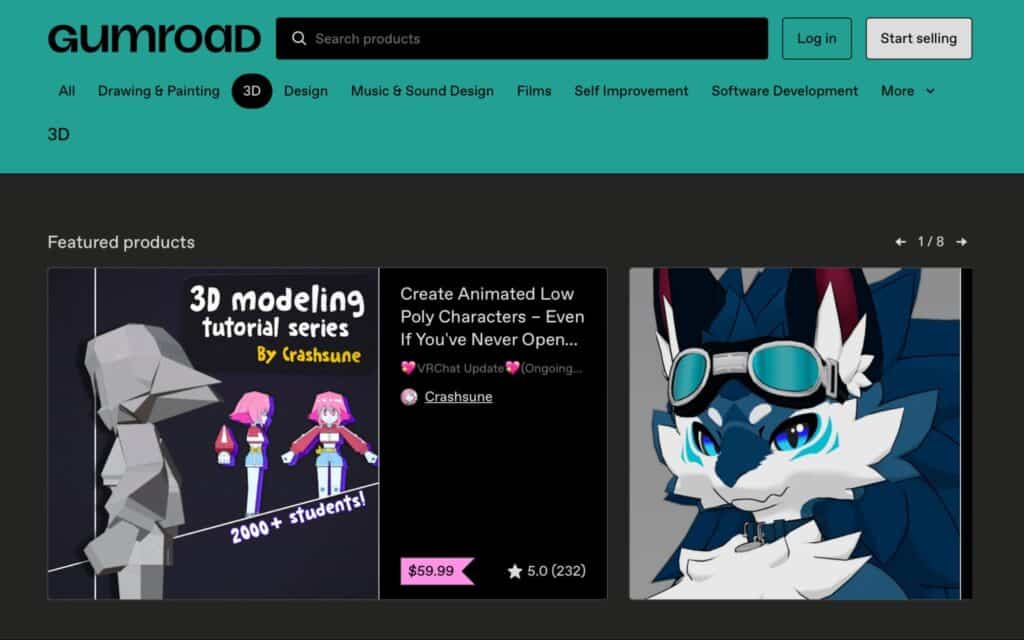
Take a glimpse of Gumroad as a perfect example of a website selling digital products like ebooks, art pieces, and other creative assets:
Two practical takeaways from this approach:
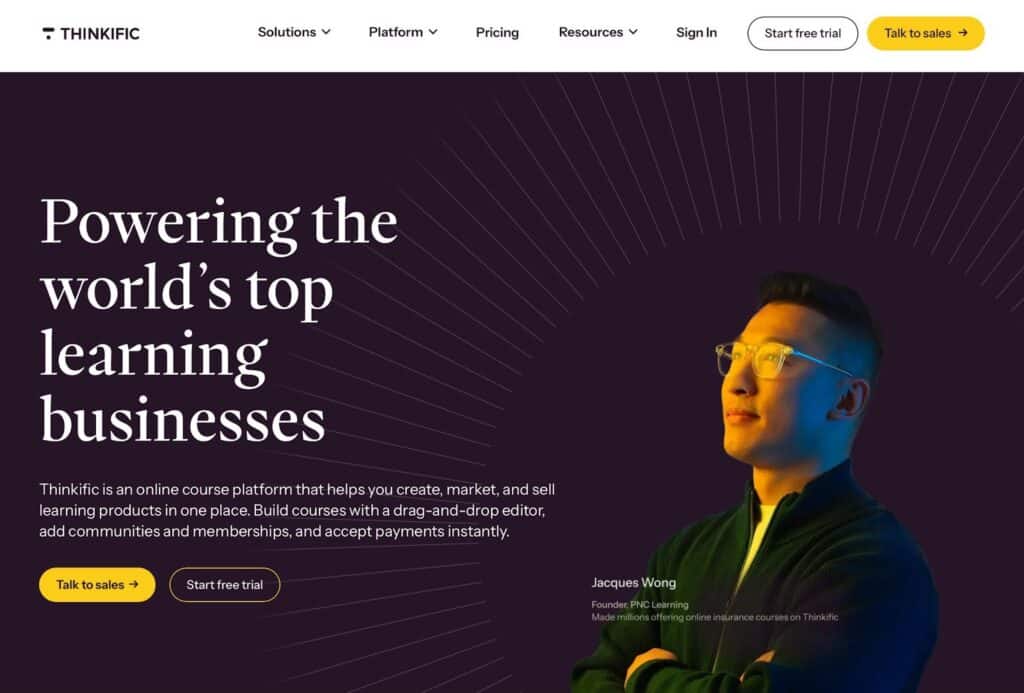
Courses turn your ongoing content into structured, outcome‑oriented learning. If your audience comes to you to get better at something, a course turns that intent into a product.
Learn from Bryan Henry, President of PeterMD. Seeking to become a thought leader in the health industry, he hopes to create a website offering online courses in the medical field. “Your existing content already demonstrates your expertise. Courses simply package that knowledge into structured learning experiences.”
Henry advises, “Survey your audience about their biggest challenges. Then create focused mini-courses that address those specific pain points. This targeted approach can drive up to three times higher conversion rates than generic courses.”
Affiliate marketing in 2026 isn’t about spraying links everywhere. It’s about honest, high‑signal recommendations. It’s about deeper partnerships that feel editorial. For software-focused publishers, comparing SaaS affiliate options can also help identify programs with recurring commissions, strong audience fit, and terms that make long-term promotion worthwhile.
EMARKETER projects U.S. affiliate marketing spend could reach $16 billion by 2028, making it a viable channel for content-driven sites
Affiliate content usually underperforms when every article is built around a link instead of a real decision-making problem.
If a partner with an affiliate link is central to your audience’s workflow, consider co-creating tools or bundles. That’s where affiliate shifts into partnership. At the same time, as affiliate programs grow, tools like Adment can help advertisers detect affiliate fraud and protect the value of those partnerships. Better for you, your readers, and the partner
Donations and crowdfunding can feel intimidating. Think of creating a website for funding versus bootstrapping. Asking your audience for support is vulnerable. But when your work delivers real value, many readers would rather support you directly than pay with their attention.
Crowdfunding works best for sites with loyal readers. It is much harder to sustain on search-driven sites with low brand attachment.
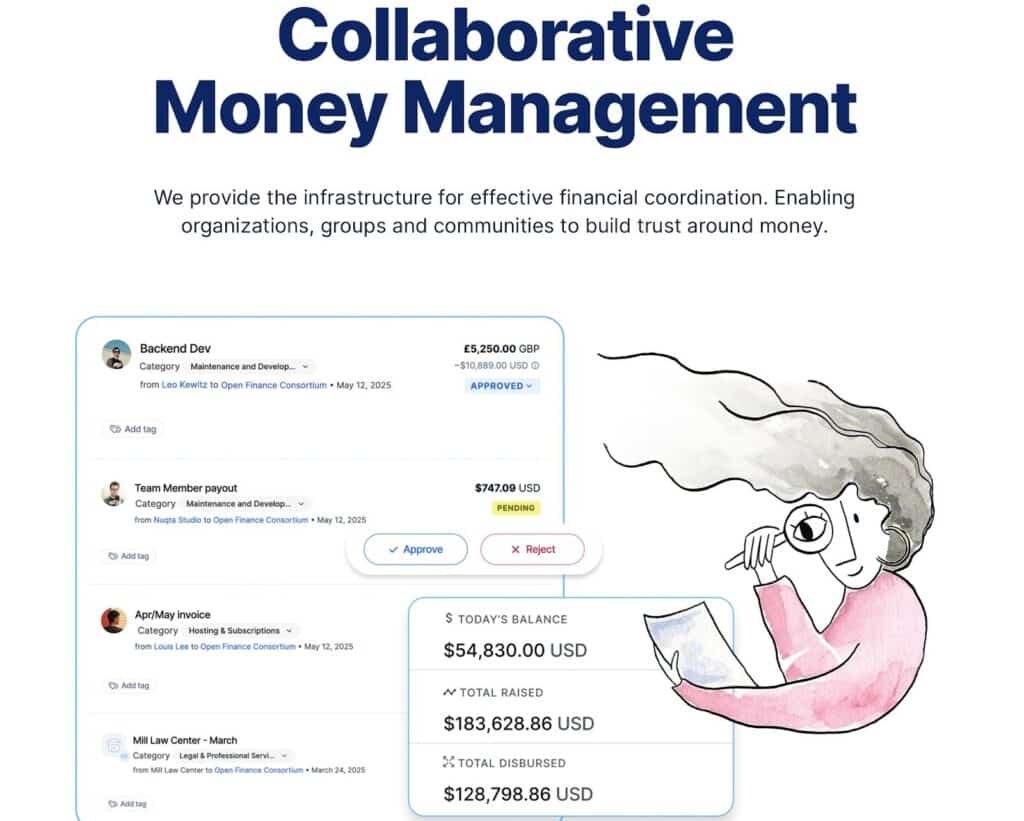
Adrian Iorga, Founder & President of Stairhopper Movers, notes, “Transparency builds trust, and trust opens wallets. For one, share your website’s mission. Likewise, show exactly how funds will be used and celebrate community milestones together.
He concludes, “The most successful crowdfunding campaigns make supporters feel like co-creators. Not just financial contributors.”
A paid-features model works best for sites that offer tools or utilities for repeated use.
Think of it as freemium for publishers. Your unique content attracts people, and your features help them get more done.
Premium features should enhance what already works. For example:
A site covering contract management software could offer automated contract audits. It could use searchable clause libraries as paid tools. Free content remains useful, while paid features save time and deliver a clear ROI.
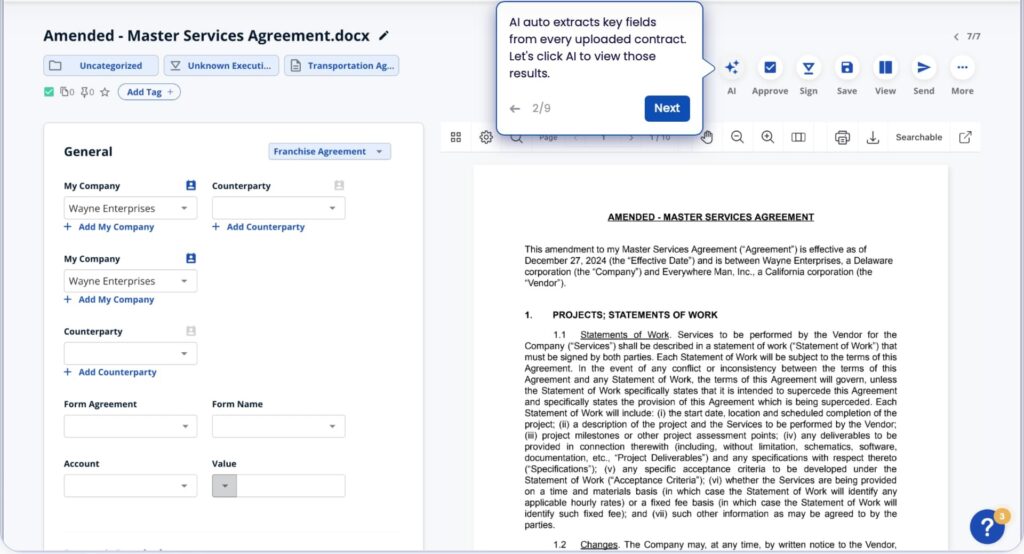
If your site runs on content, you can still add features. Bundle your best checklists into a living library with one‑click copies. Or add an AI‑assisted outline builder tailored to your playbooks. The goal is to save someone meaningful time or help them avoid a costly mistake. Price follows value.
Monetizing without ad space works best when your revenue model matches why readers come back. To wrap up:
For your website monetization, you don’t need to do everything at once. Pick one or two models that fit your audience. Get them to a simple version and iterate from there. Try new offers, and retire the ones that don’t work. Lastly, keep asking your readers what they need next.Reader-supported models and direct relationships create more durable businesses than chasing ad impressions. Build things your audience cares about, and the revenue tends to follow. If your publishing workflow slows you down, tools like Wordable can help you move from draft to live content faster. Get started today!