


Real estate investing moves fast. Markets change. Mortgage rates shift. New rules hit the housing market before books can catch up.
You need current, clear information. But there are thousands of blogs out there. Some share real experiences and useful market analysis. Others repeat old tips or try to sell you something. Sorting the good from the bad can eat up hours you should spend finding or improving deals.
Here, you’ll find 12 proven real estate blogs. Each blog offers real, up-to-date education. You’ll see examples, data, and step-by-step advice on rental properties, fix-and-flips, property management, and financing.
Whether you’re buying your first investment property or expanding into commercial real estate, these blogs help you make better decisions and avoid common mistakes.
According to HubSpot’s research, blogs are part of the top ROI-driving channel for B2B brands.
For investors, that means well-run real estate blogs move faster than books. When the Fed changes mortgage rates or new market reports drop, good blogs quickly explain what it means for home prices, affordability, and the local housing market in plain language.
Many investors start long before they write an offer. They build solid credit so it’s easier to compare mortgage loan options, lock in better interest rates, and handle closing costs, insurance, and home warranties. Clear guides on these basics help first-time homebuyers and homeowners avoid nasty surprises.
Strong blogs also invest in visuals. They use charts, maps, and property photos so readers can see market value, inventory, and home features at a glance. That’s a lot easier to process than reading a bunch of text.
Plus, BuzzSumo’s research analyzed over one million articles and found that posts with an image every 75–100 words received about double the social shares of posts with fewer images. Those real estate blogs become trusted sources, not just quick reads. That’s how they reach more buyers, agents, and content teams.
Here are the real estate blogs that investors and real estate agents rely on most. These blogs excel at SEO and content marketing. They publish search-engine-optimized guides, so homeowners, homebuyers, and investors find the answers they need for specific real estate listings and deal questions.
All of these are free, but some have paid access to premium reports and memberships.
BiggerPockets is the largest real estate investing community on the web. It serves everyone from first-time homebuyers who want a small fixer-upper to full-time investors with hundreds of units across several states.

Features:
Best for:
Any buyer who wants a supportive community. New investors pick up the basics of home buying, insurance, and real estate transaction timelines. Experienced members use BiggerPockets to find pocket listings, partners, associate broker contacts, and mentorship in new cities.
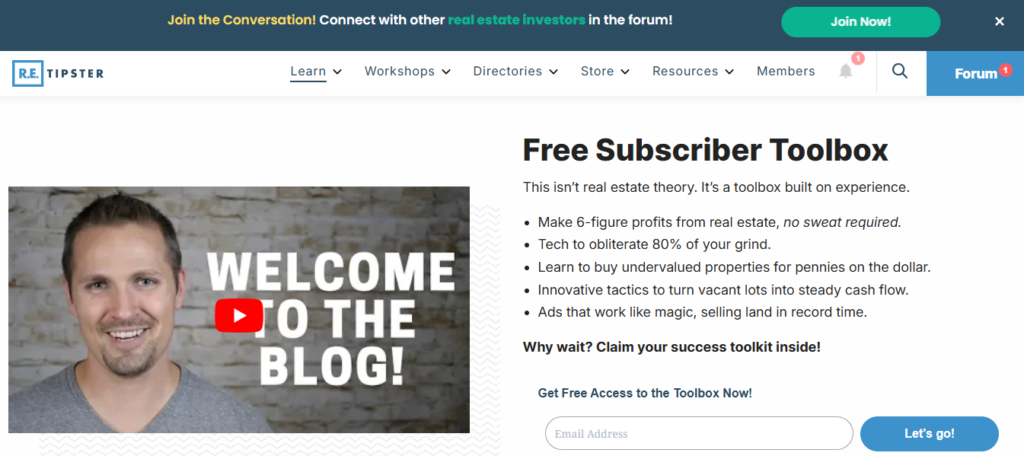
REtipster focuses on land investing and simple deals. While many blogs chase trendy flips or luxury properties, Seth Williams shows you how to buy plain-looking land, do your vetting, and still build solid passive income.
Features:
Best for:
Investors who like simple math and less competition. Great if you want out of crowded markets and away from bidding wars on single-family homes.
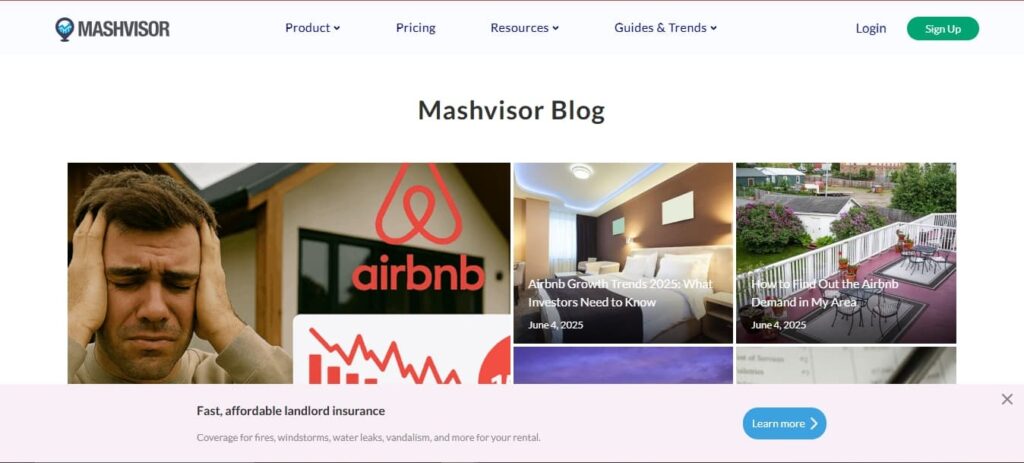
Mashvisor is built for data-driven real estate investing. The blog explains numbers first, stories second. If you like spreadsheets, this one is for you.
Features:
Best for:
Investors who want proof, not hype. Also useful for agencies and design enthusiasts who need data to support content on Canadian real estate, Canadian homeowners, or hot U.S. markets. It’s also helpful when you need luxury market reports, homebuyers reports, or a Hispanic homebuyers report for a specific city.
RealWealth helps people buy rentals in other states without losing sleep. Founder Kathy Fettke built the blog and community around long-distance real estate investing.

Features:
Best for:
Busy professionals who live in high-priced areas but want real estate in more affordable states. If you like checklists and want help picking a market, RealWealth is a strong starting point.
Afford Anything blends real estate with big-picture money and lifestyle decisions. Paula Pant’s theme is simple: you can afford anything, but not everything.

Features:
There are also blog posts with investment property examples. These stories help investors spot common house problems, estimate repair costs, and avoid surprises during home inspections.
Best for:
People who use real estate investing to support a flexible life. Great if you care about free time and location independence as much as unit count. Even better if you want to invest while becoming debt-free over time.
The Close sits at the intersection of real estate sales and investing. The blog helps real estate agents and investors get more from their marketing and tools.

Key Features:
The Close often highlights top realtors who avoid mediocrity and give attention to every detail in their listing photos, virtual tour experiences, and call-to-action copy. There are also a lot of real estate marketing insights that you can use for your socials and to build a winning content marketing SEO checklist.
Best for:
Agents who also invest, and content teams who write about real estate tech and marketing.
Zillow reshaped how people search for homes online. Its blog turns a massive data set into easy-to-read stories.
Zillow’s parent company also owns Trulia.

Key Features:
Best for:
Investors, homebuyers, and home sellers who want reliable numbers. Helpful for agencies writing about Canadian real estate, seasonal shifts like October slowdowns.
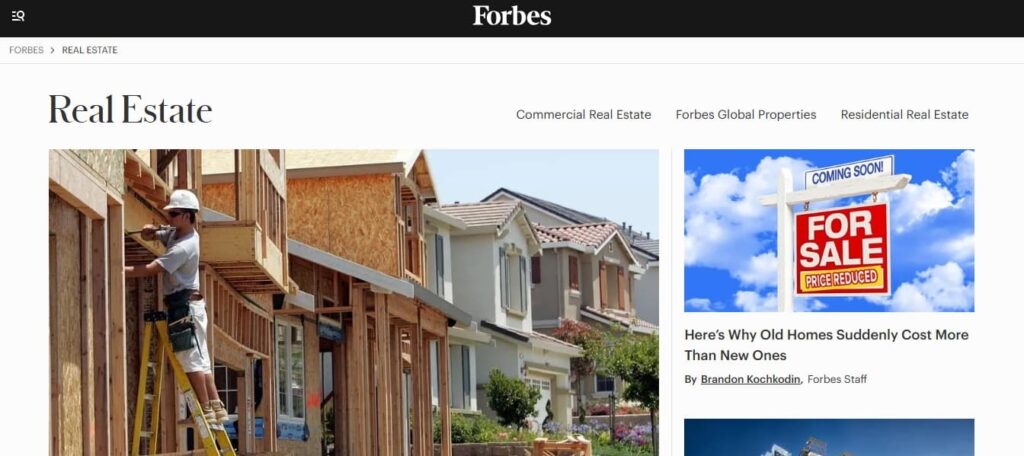
Forbes covers real estate from a big-picture angle. Its real estate blog focuses on large real estate transaction deals and high-end luxury properties.
Key Features:
Like other strong content marketing blogs, Forbes leans on quality over quantity. Articles are easy to quote in your own content, such as industry insights, market trends, or downsizing.
Best for:
Commercial investors and agency owners who follow macro data. Great if you write about Falmouth, MA, Cape Cod, Livingston, Montana, Belgrade, or other local markets and want a national context.
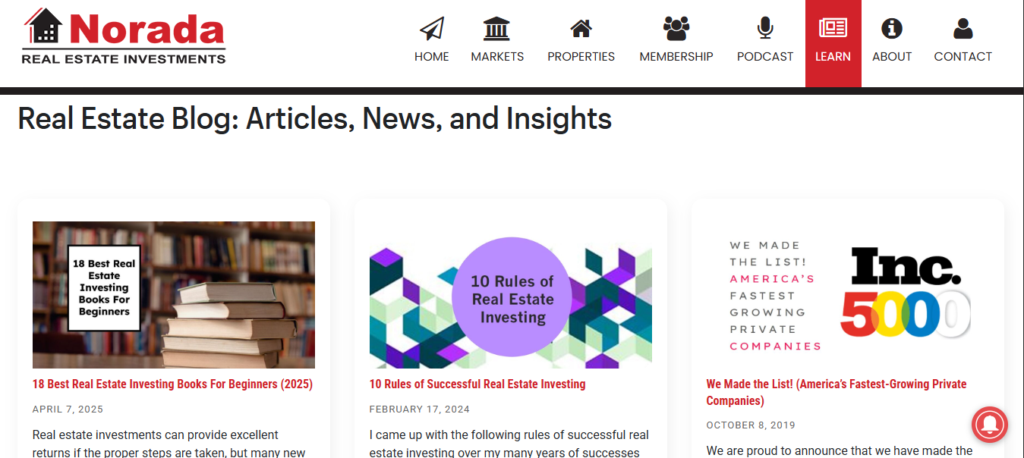
Norada focuses on turnkey rentals. The blog explains where and why they choose certain states and markets.
Key Features:
Best for:
Turnkey investors and busy professionals who want passive income without managing every repair. Ideal if you’d rather focus on your career while someone else handles day-to-day property management.
It’s also a valuable insight if you’re an agency looking to leverage social media for real estate.
FortuneBuilders is a go-to blog for serious property flipping. It treats each project like its own business.
Key Features:
There are also explanations of real estate blockchain technology, such as smart contracts.
Best for:
Full-time house flippers and ambitious side-hustlers. Helpful for anyone who wants to replace their day job with flips, instead of just adding a single rental.
SparkRental focuses on landlords and buy-and-hold investors who want to build passive income. They have a great content marketing strategy, publishing helpful posts that serve readers first and earn trust over time.

Key Features:
Best for:
DIY landlords and smaller portfolio owners. Great if you want to improve client relationship skills with tenants and keep your rentals running smoothly.
Redfin runs a national brokerage and a strong real estate blog. It uses live transaction data from its own agents.
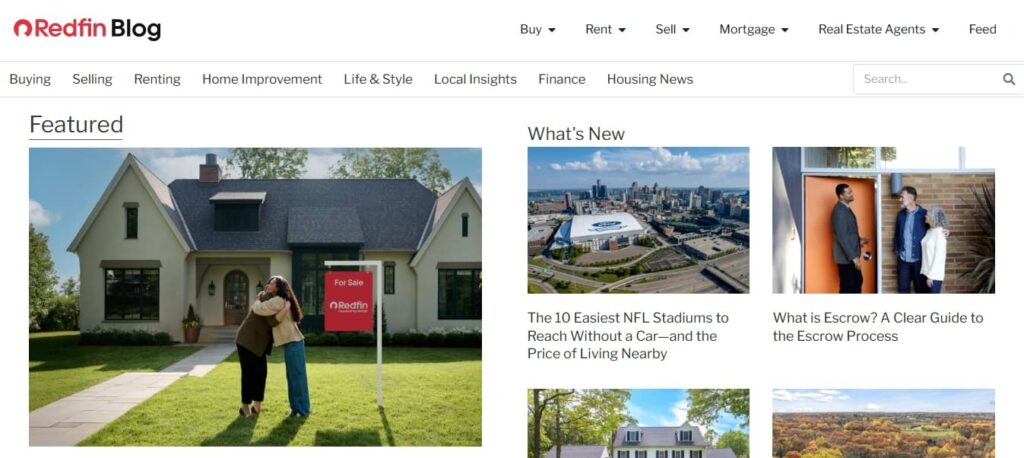
Key Features:
Stories sometimes tie in local events, like Thanksgiving dinner, to better open house timing and smarter lifestyle choices.
Best for:
Anyone who wants up-to-date market information straight from the field. Helpful for agents, investors, and content teams writing about areas from big cities to smaller towns.
Pick three to five real estate blogs that match your goals and check them once a week. As you read, focus on one theme at a time—like home buying or small rental deals—and jot one or two key ideas from each post in a simple notebook or Google Doc.
You can even ask ChatGPT or Gemini to summarize articles and help you turn them into notes.
Once a week, skim your notes and decide how to reuse them. If you run your own marketing, look into places you should be sharing your content. Then, turn those saved ideas into creative angles for clients, social media posts, or better listing descriptions.
When you’re ready to turn a bigger idea into a full article, sketch a short outline, list the examples you want to include, and map out an outline or structure for a winning article. Then, use a guide to SEO content production to walk through a simple process from outline to publication.
These 12 real estate blogs give you free, ongoing education. BiggerPockets, Zillow, Redfin, and the more niche sites on this list help investors, homebuyers, and agents spot better deals, read the housing market, and avoid common mistakes.
They also prove how consistent content pays off. Brands that answer real questions week after week reap real content marketing benefits. Model their behavior so that your team can publish top-quality content consistently without burning out.
Whether you’re a financial service provider or an investment coach, you know how crucial it is to stay on top of your clients’ minds and attract new clients. Publishing valuable content daily is a great way to achieve both of these goals.
But let’s face it, writing, editing, and publishing daily blogs is a huge hassle, especially when juggling between your editing platform and CMS.
That’s where Wordable comes in. You can use it to send polished Google Docs directly into WordPress, allowing you to ship faster. It gives you a few more hours each week you can use to read the above blogs so that you can increase your knowledge and authority in your niche.