


Every business begins with growth in mind.
But very few begin with the end in mind.
At some point, every owner faces these defining questions:
An exit is not a last-minute decision. It is a strategic process that should be designed years in advance. The businesses that command premium valuations are rarely improvised. They are engineered.
If you want to sell your business for maximum profit, you must treat the exit as part of your operating strategy, not a retirement event.
This guide walks you through preparing, positioning, negotiating, and closing a high-value sale while protecting your legacy and wealth.
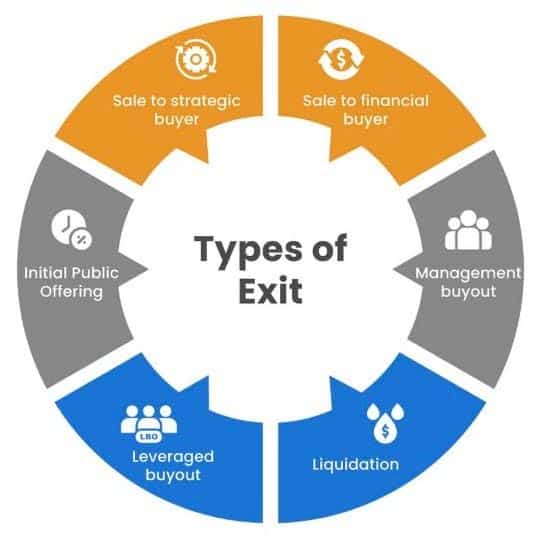
Most founders delay exit planning because it feels premature. But building without an exit in mind often leads to operational chaos later.
When you build your company with the intention to sell eventually, do your due diligence and focus on:
These decisions increase valuation even if you never sell. Implementing professional cap table management software early ensures that your equity distribution is transparent, accurate, and ready for the rigorous scrutiny of potential acquirers.
According to BizBuySell’s Insight Report, 27% of business brokers see the business exit market balanced.
Buyers pay for confidence. Confidence comes from structure.
Every business owner needs to know that early integration for exit planning means you’ll avoid rushed cleanups and discounted offers later.
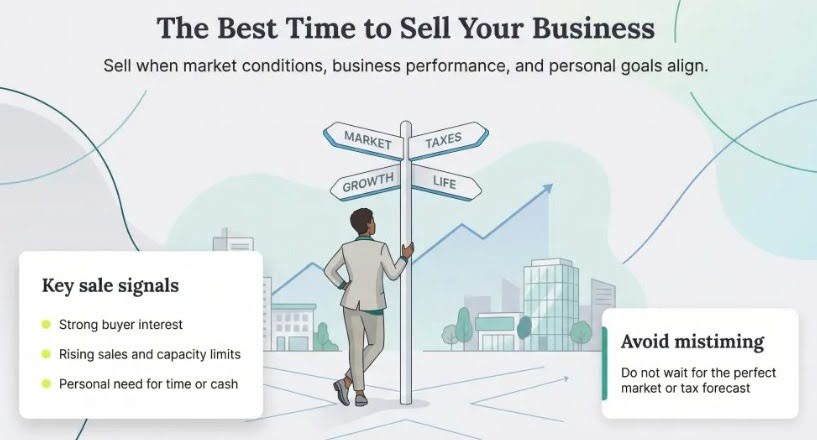
Before you sell your business to prospective buyers, define what success looks like personally.
Are you seeking a maximum price? A fast transaction? An ongoing involvement? Protection for employees?
Some owners prioritize legacy over price. Others want liquidity and freedom. Starting with business plan templates can help you structure your goals and align them with your exit strategy.
Clarity influences:
Without defined goals, you risk accepting a deal that feels profitable but misaligned.
Strategic exits align financial return with personal vision.
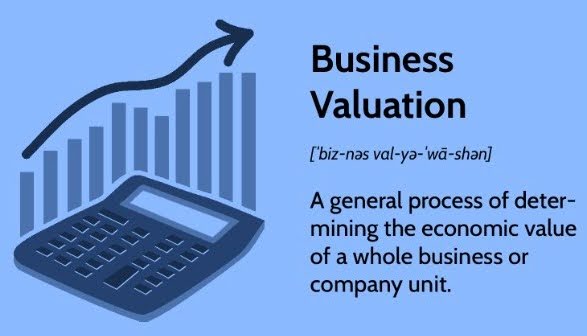
Business valuation often centers on EBITDA multiples.
EBITDA reflects operating profitability before financing and tax variables. Investopedia explains this metric clearly.
Small to mid-sized businesses typically sell for 3x to 7x EBITDA, depending on:
Higher growth and lower risk push multiples upward.
For example:
A business earning $1M annually at a 3x multiple sells for $3M. At a 6x multiple, that same business sells for $6M.
Preparation often increases multiples more than raw revenue growth.
To maximize your company’s valuation, you must treat business exit planning as a long-term strategic process rather than a final checklist.
By documenting clean financial records and building a self-sustaining management team years in advance, you ensure the business remains attractive to buyers and ready for a profitable transition.
To successfully sell your business, financial transparency is critical.
Buyers review:
All documents must align with the sales contract.
If there are inconsistencies, buyers either reduce their offers or walk away.
Normalize earnings by adjusting:
This process reveals true operating performance.
Professional accounting support is not optional at this stage. Using accounts payable automation can also help keep invoices, approvals, and payment records organized and consistent during financial preparation.
Strong financial documentation accelerates due diligence and strengthens negotiation power.
That is because buyers are usually looking past polished statements and into the habits behind them, from how consistently expenses are tracked to how closely cash movement is monitored, since those day-to-day signals often reveal whether a company has been operating with clean finances long before a sale is on the table.
In the lead-up to a sale, cash flow matters more than many founders expect.
An online business loan can sometimes play a strategic role. It can help cover short-term operational gaps, smooth revenue fluctuations, or fund improvements that make the company more attractive to buyers.
When used carefully, this kind of financing can support growth and stability without distracting from the bigger goal of positioning the business for a strong, profitable exit.
Technology is no longer optional—it’s a core part of modern business value. Buyers are drawn to businesses with scalable systems, reliable reporting, and digital workflows.
Invest in:
Documented workflows and digital dashboards increase buyer confidence. For example, a business using HubSpot or Salesforce can clearly show lead pipelines and conversion metrics, making it easier for buyers to project future earnings.
Technology and marketing also reduce founder dependency. A company that runs with minimal manual intervention signals operational maturity, which increases the price a buyer is willing to pay. If you have already integrated enterprise content management into your marketing efforts, buyers will factor that into valuation.
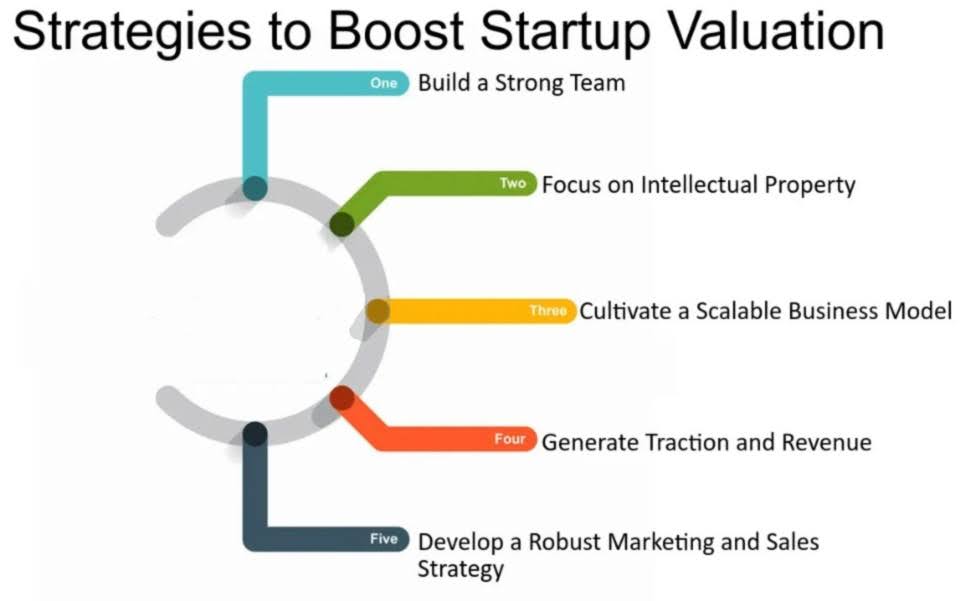
Revenue predictability drives valuation, while recurring revenue models reduce buyer anxiety.
Subscription services, long-term contracts, and retainer agreements increase confidence.
Reduce customer concentration risk.
If one client accounts for more than 25–30% of revenue, risk perception will rise.
Buyers evaluate:
Do your due diligence and focus on:
Stable revenue equals stable multiples.
Expanding into Asia is a proven way to boost company valuation prior to an exit. While markets like Singapore, Japan, and Vietnam offer unique benefits, Hong Kong remains the preferred commercial hub for global trade. Thanks to its simple tax regime, strong banking infrastructure, and direct access to mainland China, setting up a company in HK creates a scalable regional footprint that commands higher buyer interest and premium EBITDA multiples.
Intellectual property (IP) often adds significant value to a business. Buyers look for unique products, patents, trademarks, a business website, or proprietary processes that competitors cannot easily replicate.
Steps to strengthen IP before you sell your business:
For example:
A small tech company with patented software and strong licensing agreements can justify a higher multiple. They can do this because the buyer knows the revenue stream is defensible.
Brand perception directly impacts buyer interest.
A strong reputation reduces acquisition risk. And yet, if you haven’t invested in digital PR services to boost your business, now is the time.
Monitor:
A positive brand reduces customer attrition after the sale.
Buyers examine brand equity as part of risk assessment.
Invest in consistent messaging and reputation management well before attempting to sell your business.
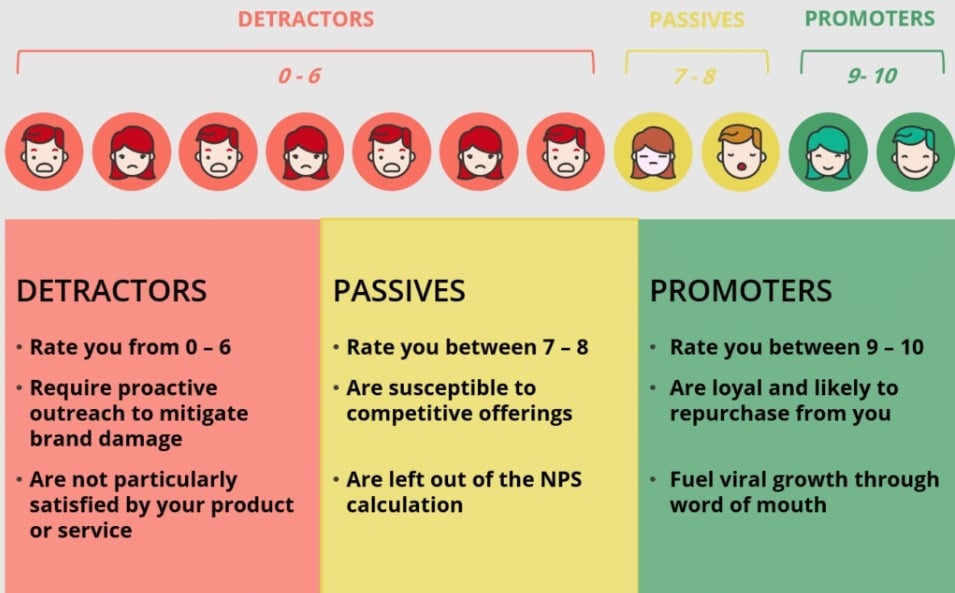
Repeat customers are gold. High retention signals predictable revenue and reduces risk for buyers. A loyalty rewards management system can support this by managing rewards and incentives aimed at encouraging repeat purchases and longer customer relationships.
To boost this before you sell your business:
For instance, a subscription-based business with a 90% annual retention rate demonstrates financial stability. Buyers pay premiums for businesses with consistent, recurring customer behavior. Many times, buyers prioritize this approach because it reduces uncertainty and creates future growth opportunities.
Legal clarity is essential.
Ensure:
Unresolved legal disputes scare buyers.
Consult legal counsel early to audit exposure.
Small legal gaps can cost large valuation discounts. Make your sales contract bulletproof.
When you sell your business, price alone is not enough.
Structure matters.
Key considerations:
Earn-outs increase potential payout but introduce performance risk.
Asset sales may carry different tax consequences than stock sales.
Tax strategy planning should begin months before signing.
The IRS provides guidance on capital gains taxation.
Early planning can significantly increase net retained profit.
Selling requires discretion. Prepare a Confidential Information Memorandum (CIM), and include:
Avoid disclosing sensitive data prematurely.
Use qualified platforms, as controlled exposure prevents internal disruption.
If you’re looking to skyrocket your growth before selling, ensure you adhere to growth marketing strategies.
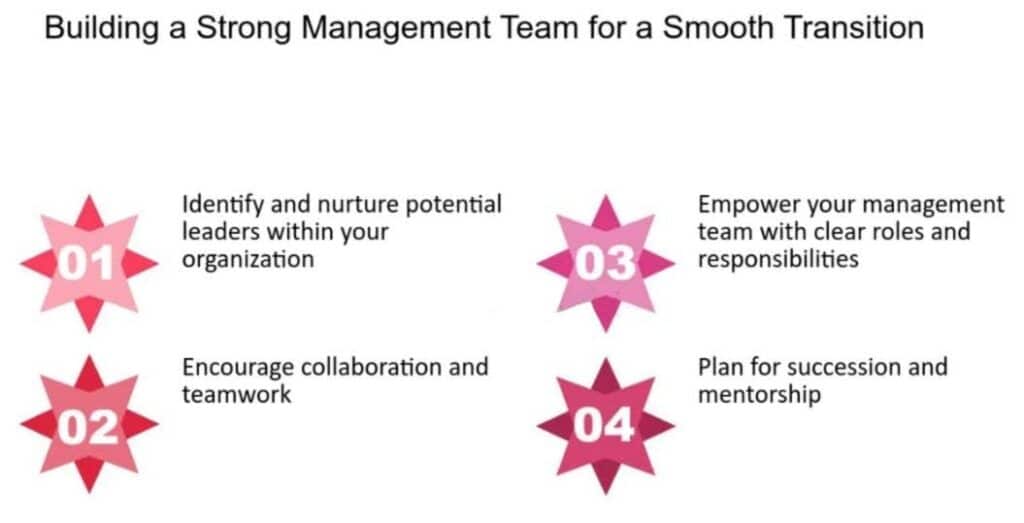
Employees are critical to a successful exit. Buyer confidence increases if the team is capable, independent, and engaged.
Steps to prepare your team:
A strong team reduces perceived risk. If a buyer sees employees ready to run the business and improve its product-led strategy without founder involvement, it often leads to higher offers and smoother transitions.
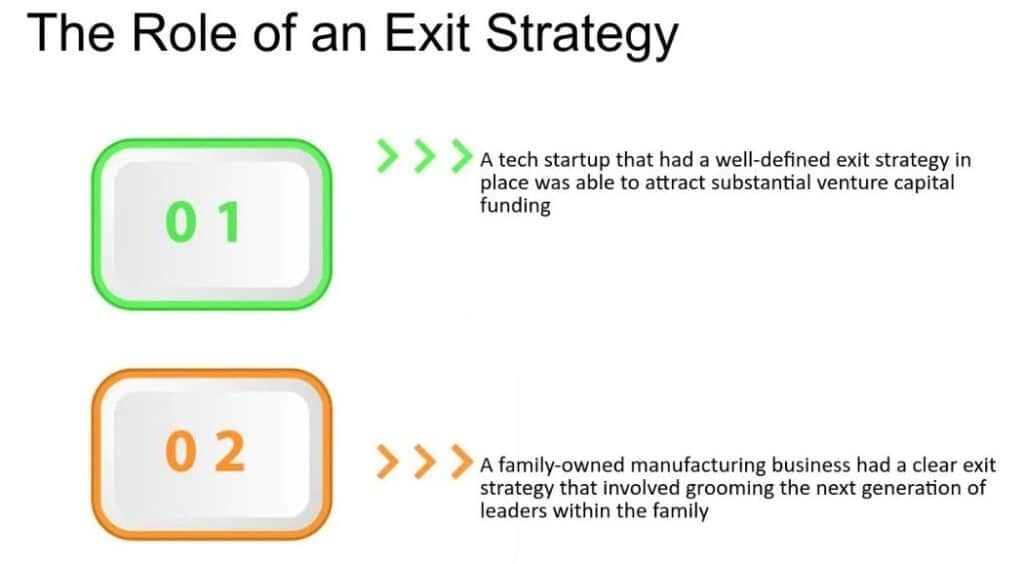
Selling your business doesn’t end at closing. The post-sale phase is crucial for preserving value, ensuring smooth operations, and protecting your personal and professional legacy.
Focus on:
For example:
A structured 90-day onboarding plan for new ownership reassures buyers and prevents disruption. Legacy planning also allows you to leave a positive mark on the business culture while ensuring continuity for customers and employees.
Selling a business is not just a financial decision—it’s an emotional journey. You’ve poured years of effort, energy, and identity into building your company.
For many founders, the business becomes more than a revenue source; it becomes a part of who they are. Letting go can trigger a surprising mix of relief, anxiety, and even grief.
Post-sale adjustment can be more challenging than expected. Suddenly, you may no longer be involved in day-to-day decisions. Employees who once relied on your guidance may look to new leadership. Customers and vendors may also need reassurance during the transition.
All of this can create feelings of loss or uncertainty.
To prepare mentally, consider:
Some founders experience post-exit regret, especially if they didn’t plan for life beyond the sale.
A clear purpose—whether mentoring, investing, or pursuing new ventures—can help ease this transition. Journaling, executive coaching, or peer support groups can also provide perspective and emotional grounding.
By addressing emotions as strategically as finances, you protect both your personal well-being and the legacy of the business. Being mentally prepared ensures that the exit feels like a well-earned reward rather than a sudden loss.
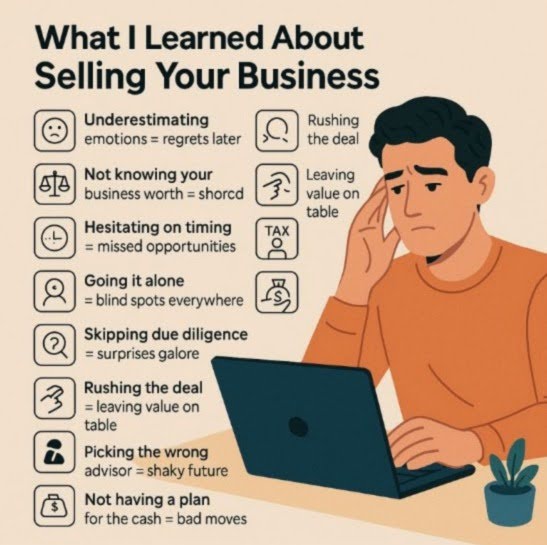
Even the most successful business owners can make critical mistakes when preparing to sell.
Avoiding these errors can mean the difference between a smooth, profitable exit and a discounted or failed sale.
Some of the most common mistakes include:
Most losses in business exits come not from market conditions but from poor preparation.
Founders who anticipate these challenges, involve professionals early, and address weak points systematically, achieve higher returns and smoother transitions. Some owners bring in a reputation consultant well before listing, so nothing damaging turns up when buyers start searching.
Preparing your business to sell is not just for future exits—it’s a strategy for improving overall performance and resilience, even if a sale never happens. Businesses designed for sale tend to operate more efficiently, scale faster, and attract better talent and customers.
Key strategies include:
Documented systems: Clear, written processes help teams work faster and make fewer mistakes. New hires get up to speed quickly. The business can grow without the founder stepping in at every turn.
Recurring revenue: Subscription plans, retainer deals, and repeat customer programs create steady cash flow. You rely less on one-time sales. Predictable income makes it easier to plan ahead and run daily operations with confidence.
Legal clarity: Strong contracts, protected IP, and legal compliance lower your risk. To keep agreements organized and legally sound, contract lifecycle management software can help manage contracts throughout their lifecycle. Buyers and investors trust businesses that are well-organized and legally sound.
Operational independence: When teams can manage themselves, the founder becomes less of a bottleneck. Leadership grows at every level. This boosts day-to-day output and signals strength to anyone looking to invest or acquire.
Exit discipline strengthens operations: Thinking like a future seller pushes you toward better habits. You report finances more clearly, make smarter decisions, and grow with purpose. Even if you never sell, these habits make your business more profitable, more resilient, and harder to compete with.
For example:
A SaaS business built on recurring subscriptions, documented customer success processes, and independent team leadership will thrive whether the founder chooses to keep it or sell it.
Preparing for exit is not just about selling—it’s about creating a stronger, more sustainable business.
The decision to sell your business should never feel reactive.
When you focus on valuation drivers early, you increase options later.
These factors separate average exits from premium ones. The best time to prepare for an exit is long before you need one. Because when opportunity appears, readiness turns negotiation into leverage, and leverage turns years of effort into maximum profit.
Check Wordable’s blog for more in-depth articles like this.