


Content teams produce blog posts, newsletters, videos, and social media updates across multiple channels. Without a centralized repository, managing these assets can become harder than creating them.
If your content team constantly asks questions like “Where’s the latest version?”, “Who updated this file?”, or “Didn’t we already write about this?”, you’re not alone.
Searching for documents, recreating existing work, and resolving version-control issues can slow content production. These small problems quickly turn into expensive bottlenecks.
That’s exactly why every modern content team needs a centralized repository.
A centralized repository serves as a shared source of truth for content assets, keeping current drafts, guidelines, and reusable resources accessible instead of scattered across email threads, cloud folders, and messaging apps.
Your team spends less time searching and more time creating.
This guide explains how centralized repositories work, why they matter to content teams, and how to organize one as your business grows.
Highlights
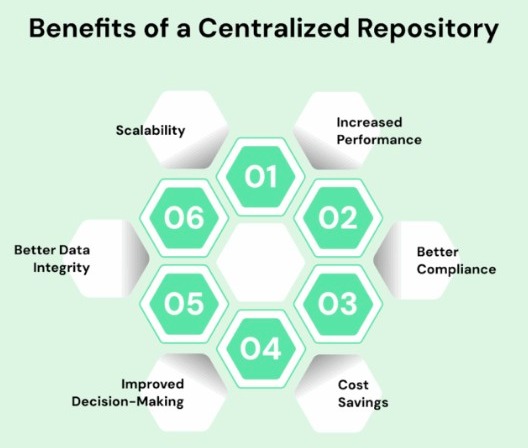
A centralized repository is one organized location for all your files. Your entire team can store, manage, edit, and access all your content in one place.
Think of it as your company’s digital content library.
Instead of keeping files in dozens of places, they’ll all live in the same system.
A repository can hold blog posts, content briefs, editorial calendars, brand assets, SEO research, reusable templates, performance reports, and internal documentation.
Everything stays connected and easy to locate.
Whether someone joins your company tomorrow or has worked there for five years, they know exactly where to find the latest version of every file.
Without the repository, knowledge becomes scattered. Team members rely on memory instead of systems, and important information disappears whenever someone leaves the company.
Many businesses underestimate how much time employees waste simply looking for information.
According to CrownRMS, employees spend nearly 25% of their workweek searching for internal information or tracking down colleagues for help.
Think about that for a moment.
In a 40-hour workweek, that’s roughly 10 hours spent searching instead of producing valuable work.
Now imagine a team of ten content marketers.
That’s around 100 hours every week lost to finding files, checking versions, asking coworkers questions, or recreating documents that already exist. A Content management system (CMS) and an organized repository are a must.
The cost isn’t just productivity. Scattered content also creates:
A centralized repository solves these problems by giving everyone access to a single trusted source. Instead of wondering which document is correct, everyone can rely on a single version.
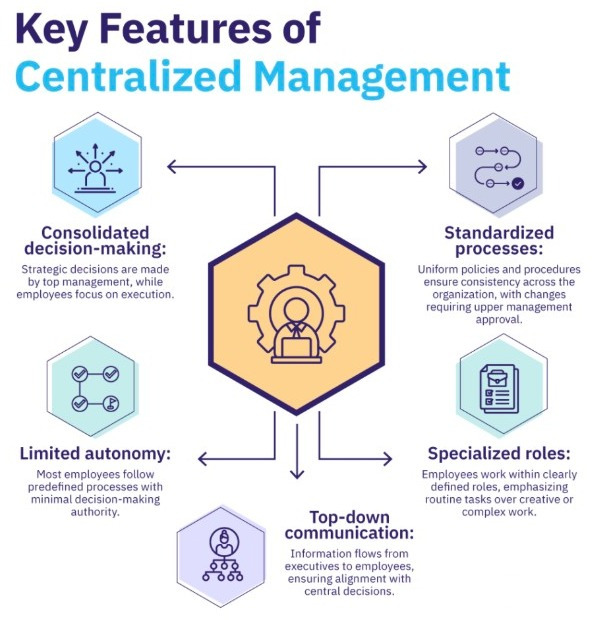
Content rarely stays inside the marketing department. Other departments use different content for their needs. For example:
When files live everywhere, collaboration becomes difficult. A repository gives every department controlled access to the same content library. Instead of emailing attachments back and forth, everyone works in the same environment.
This improves communication because people always know:
Clear version-control rules can significantly reduce confusion over outdated drafts. This becomes even more valuable for remote teams spread across multiple countries and time zones. Everyone stays on the same page without endless meetings or Slack messages.

Brand consistency builds trust. Customers notice when companies use different logos, outdated messaging, inconsistent product descriptions, or conflicting brand voices.
An organized repository supports brand consistency by giving writers and designers access to approved logos, messaging, and templates instead of outdated copies.
Your repository should include:
When you hire freelance writers, you want them to start with the same approved resources so the content stays consistent.
Instead of guessing how something should sound, writers simply reference the latest guidelines.
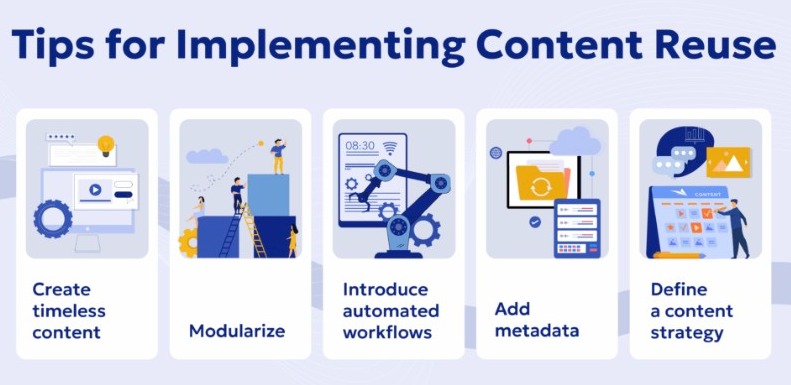
One of the biggest advantages of having a repository is content reuse. Teams often overlook valuable content after publication. Examples include:
These assets often disappear inside folders that nobody remembers.
A well-organized repository makes them searchable. These resources also support content repurposing strategies by giving writers approved material to adapt instead of recreating everything from scratch.
For example, imagine writing ten SEO blog posts. Each article may reference:
Instead of hunting them down repeatedly, your team simply opens the repository. As a result, content production speeds up while maintaining consistency.
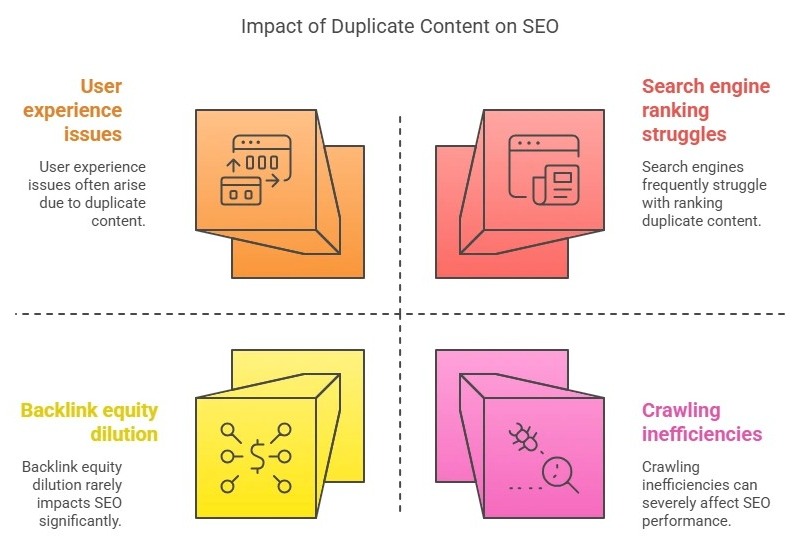
SEO teams love organized content. Using a repository makes it much easier to track things like:
Without one, writers may unknowingly target the same keyword.
When multiple pages target the same search intent, they may compete for visibility in search results. An organized repository helps your SEO team track what’s already published and what’s in production.
That makes planning much easier. It also prevents unnecessary overlap and helps teams build stronger topical authority over time.
Hiring new writers takes time. Training them often takes even longer.
Without proper documentation, new employees constantly interrupt experienced team members with questions.
A maintained repository gives new writers a clear starting point by keeping templates, naming rules, and approval instructions in one place. This reduces routine questions and helps new team members become familiar with the team’s workflow.
Employees leave, freelancers finish contracts, and agencies change clients.
Without documentation, valuable knowledge leaves with them. This creates one of content marketing’s biggest hidden risks. Your processes, research, and best ideas disappear.
A repository containing everything turns individual knowledge into company knowledge. Instead of living inside someone’s head, information becomes available to the entire organization.
This includes:
The more knowledge you preserve, the easier it becomes to scale your business.

Creating such a repository doesn’t require complicated software. What matters the most is good organization. Start by deciding where everything will live.
Popular options include cloud document platforms, knowledge bases, or content management systems. You can also use dedicated documentation software for your repository needs.
Before organizing existing files, define who can upload, edit, and approve content. Make these responsibilities clear, so team members know which documents are ready to use and who maintains them.
With those responsibilities defined, create a logical folder structure. Organize content by category instead of by employee.
For example:
Within each category, name files consistently using their topic, date, and version number. Keep approved versions easy to locate, archive outdated copies, and assign an owner to review each document. Add searchable tags wherever the platform supports them.
Building a repository is only the beginning. Consistent content workflow management helps teams keep files accurate as articles move through production and approval.
Here are several simple habits that make a huge difference:
Small maintenance tasks prevent your repository from becoming another messy folder that nobody wants to use. Think of it like organizing a library. The books stay useful only if they’re returned to the right shelves.
Even companies that use a repository to centralize all their documents can struggle if they overlook a few important details.
One common mistake is creating folders without a clear structure. If people cannot predict where a file belongs, they’ll save it wherever it’s convenient, making the repository harder to navigate over time.
Another issue is not defining ownership. Every important document should have someone responsible for reviewing and updating it. Otherwise, outdated information can circulate for months.
Many teams also skip naming standards. File names like “Final,” “Final2,” or “Newest Version” create confusion instead of clarity. A simple, consistent naming format that includes dates, topics, or version numbers makes files much easier to identify.
(Image provided by the author)
Without regular housekeeping, even a well-structured repository can become difficult to navigate as outdated and duplicate files accumulate.
Content teams create enormous amounts of valuable information. The challenge isn’t producing more content. The challenge is ensuring every piece of knowledge remains organized, accessible, and useful long after it’s published.
A centralized and well-organized repository solves that problem.
It reduces wasted time, improves collaboration, protects institutional knowledge, strengthens SEO, speeds up onboarding, maintains brand consistency, and helps teams produce better content faster.
Most importantly, it creates one reliable place where everyone knows exactly where to find what they need.
Once your team has organized its content, Wordable can simplify the next step by exporting approved Google Docs directly to WordPress while preserving formatting.
A centralized repository is a single, organized location where teams store, manage, and access all their content assets. It can include blog posts, images, videos, brand guidelines, SEO research, templates, documentation, and other resources needed to create and manage content efficiently.
A centralized repository helps content teams spend less time searching for files, avoid duplicate work, improve collaboration, maintain brand consistency, and ensure everyone works from the most up-to-date version of every document.
By storing all content in one place, a centralized repository allows writers, editors, designers, marketers, and other departments to access the same files, track updates, and collaborate without confusion over versions or file locations.
Yes. A centralized repository helps SEO teams track published keywords, organize content clusters, identify internal linking opportunities, and avoid duplicate content or keyword cannibalization, making it easier to execute an effective SEO strategy.
A well-organized centralized repository should contain blog articles, content briefs, editorial calendars, SEO research, keyword lists, brand guidelines, templates, images, videos, case studies, reports, SOPs, and other business documentation.
Organize your centralized repository using logical folders, consistent naming conventions, version control, searchable tags, and clear ownership for each document. Regular content audits and archiving outdated files also help keep it organized.
Common mistakes include inconsistent folder structures, poor file naming, failing to assign document owners, letting outdated content remain active, and treating the repository as a storage dump instead of maintaining it regularly.
No. Businesses of all sizes benefit from a centralized repository. Small teams can stay organized from the start, while larger organizations can improve collaboration, preserve institutional knowledge, and scale content operations more efficiently.