


AI search tools don’t process content like old search engines. Platforms like ChatGPT, Perplexity, and Google AI Overviews break pages into chunks. They extract entities, compare relationships, and look for clear answers.
McKinsey research reports that half of consumers now use AI-powered search. So structured content for LLMs needs to help people and retrieval systems. Bad formatting can bury useful answers.
Clear structure and strong context help engines cite your site. This guide shows how to make your content easier for AI systems to crawl, parse, and cite.
Highlights
AI models scan pages for structure, meaning, and direct answers.
LLMs split content into smaller sections called chunks. They may analyze one section at a time instead of the full page.
A clear H3 section about schema markup is easier to retrieve than a 500-word wall of text. Dense paragraphs bury useful answers.
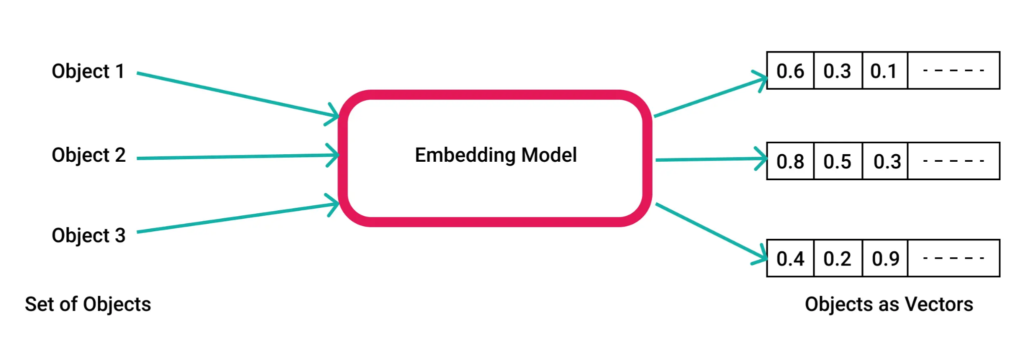
Entities are recognizable things, such as brands, products, people, or topics. AI systems use those connections to understand page context.
If an article mentions Wordable, WordPress, and Google Docs together, the model can connect them as publishing tools. Strong context helps AI systems judge topic depth.
LLM-powered search systems look for passages that answer questions fast. Clear wording helps them extract the right section.
“Schema markup helps search engines understand page content” gives a direct answer. “There are many things to know about schema” creates confusion.
Some elements help AI systems break down information faster. These include:
They also make pages easier to scan.
A HubSpot vs. WordPress post works better with a comparison table than long paragraphs.
Old SEO writing focused on keywords and rankings. AI systems also evaluate clarity, context, and answer quality across smaller sections.
Instead of chasing repeated phrases, SEO content production now needs clean sections, direct answers, and formatting that helps retrieval systems identify useful passages.
AI models analyze meaning, not just repeated phrases. Stuffing the same keyword into every paragraph won’t work. It can make content harder to read and retrieve.
Repeating “best content marketing tools” across every heading and paragraph adds little value. A clearer article covers related concepts like workflows, analytics, publishing, and reporting.
Shallow content leaves gaps. AI systems look for related concepts that help explain the full topic, not just the headline keyword.
Consider an article about email marketing automation. It should also cover:
Those connected ideas help AI systems understand the topic with more confidence and identify deeper expertise.
AI-generated answers don’t always pull from the top-ranking result. Retrieval systems search for passages that answer the question clearly.
A smaller blog with concise schema markup may get cited more often than a high-ranking article with long intros, weak formatting, and vague definitions.
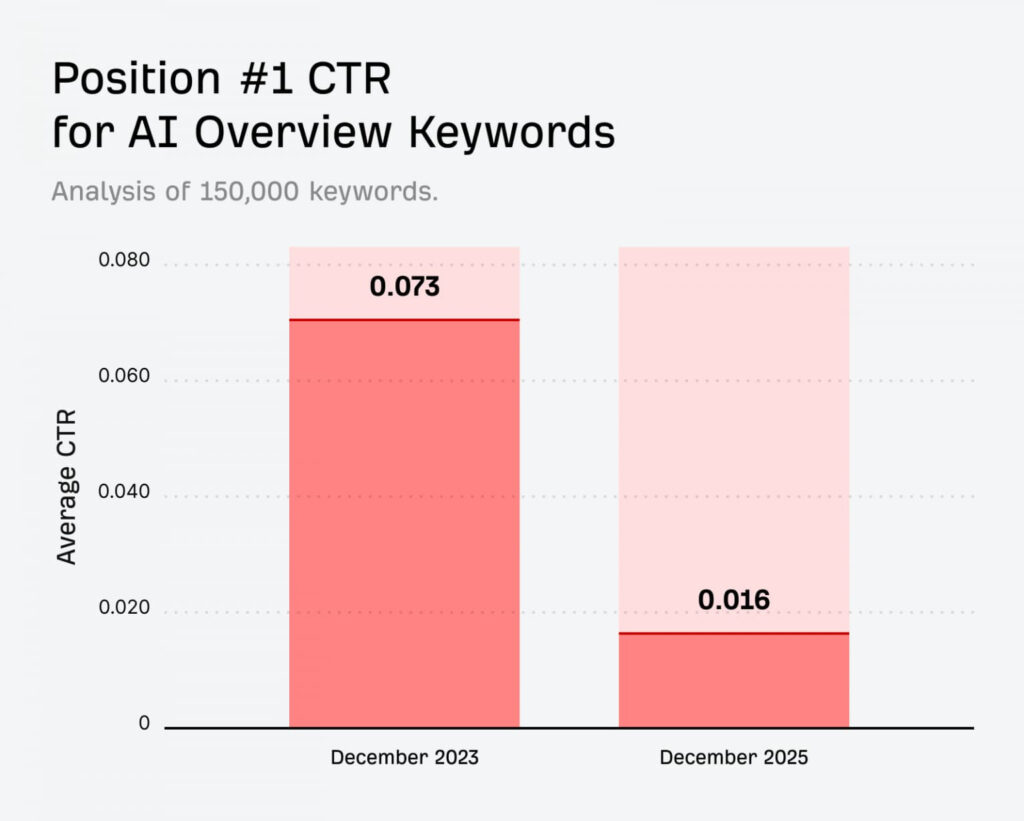
Organize your data so AI tools can map your layout. A clear hierarchy shows how ideas connect. A strong content brief also helps teams define headings, semantic terms, sources, and internal links before drafting.
Each section should focus on one topic. Your headings should guide readers from broad ideas into supporting details.
Let’s say an H2 explains schema markup. Its H3s underneath should stay focused on schema types, structure, and usage. Avoid jumping to unrelated ideas mid-page.
Headings should explain what readers will learn in that section. Clear titles help LLMs identify topic focus before parsing the paragraph itself.
For example, “Things to Know” gives little context. “How LLMs Extract Information From Web Pages” tells readers and retrieval systems what the section covers.
Supporting ideas should stay close to the main topic. AI uses nearby context to understand how concepts connect.
If you’re explaining chunking, keep retrieval and semantic structure near that section. Scattered definitions make the page harder to interpret.
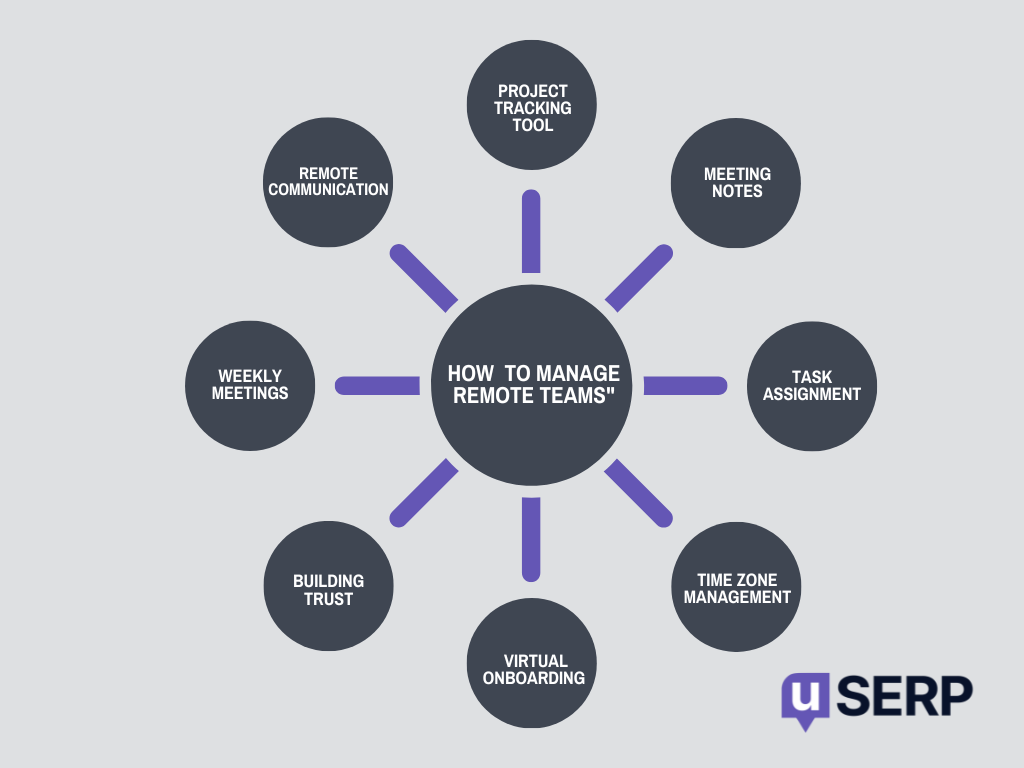
Related terms help AI understand the topic and strengthen semantic connections.
A section about AI retrieval might mention embeddings, semantic search, vector databases, and entities. Those concepts support the topic. Random SEO keywords create noise.
Content writing tools for SEO can flag missing subtopics, weak semantic coverage, and draft-level structure problems before publication.
Stick to one term for each concept. Don’t call a system an “LLM” then switch to “smart web bot” later. Consistency helps retrieval.
AI systems scan content fast. The writing should sound natural, and the structure should be easy to follow.
HubSpot’s State of Marketing report found that 80% of marketers use AI for content creation. Writers need formats that support human review and machine extraction.
Start with the main answer. Then expand with context.
If a section explains semantic search, define it in the first sentence. Don’t build up to it for three paragraphs. This mirrors how snippets surface short answers near the top of a page.
Each paragraph should focus on one idea. Smaller sections are easier for readers to scan. They’re also easier for AI to retrieve.
For example, a short paragraph about vector databases provides clearer context than one large block covering semantic search, entities, retrieval, and embeddings all at once.
Lists and tables organize information. AI models can identify relationships faster when content has a clear format.
Bullet lists work well for workflows, definitions, and key takeaways. Tables help compare schema types, features, or publishing formats. Use them only when they improve readability.
Content automation can turn these checks into pre-publishing gates for headings, tables, schema fields, and publishing formatting.
Extra setup lines slow down retrieval and push useful information deeper into the page. Readers lose focus when sections take too long to reach the point.
Avoid phrases like “There are many things to understand about AI retrieval.” Start with the explanation right away.
Schema code acts like an ID tag for page elements.
Schema markup explains what type of content appears on a page. It helps search engines and AI identify information.
For example:
These signals help retrieval systems interpret page content with more context.
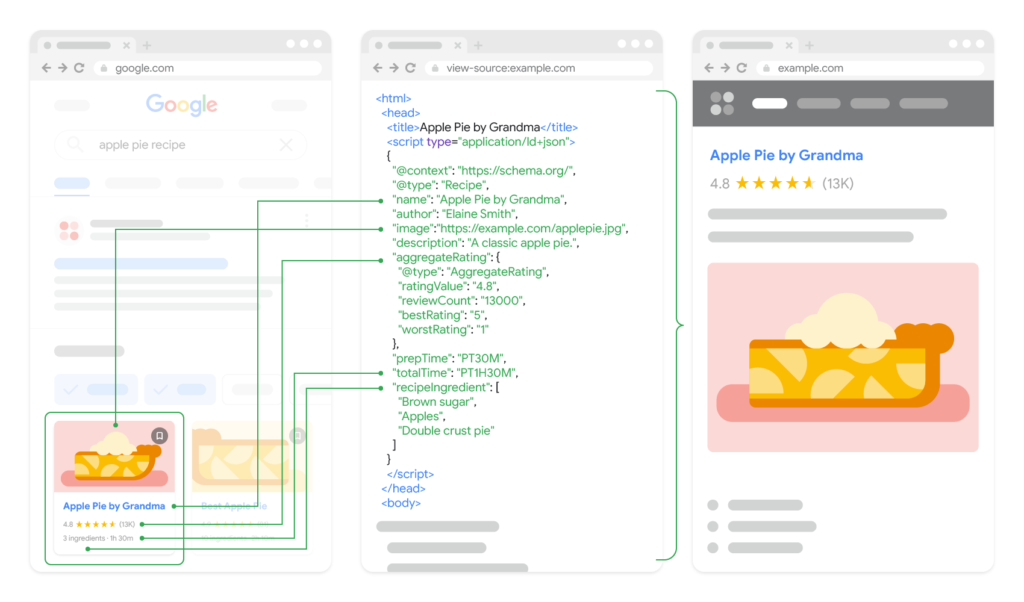
Schema helps organize information behind the scenes. But weak formatting still creates problems during retrieval. AI systems still need clean, readable content on the page itself.
Schema will not help much if the answers are buried inside long paragraphs with vague wording. Clear headings, short sections, and direct explanations still improve retrieval more than markup alone.
Bad layouts reduce retrieval quality. Some formatting habits stop AI tools from reading your text.
Long intros push the main answer too far down the page. AI systems often retrieve sections that explain the topic quickly and with clear wording.
For example, if a section covers the best time to visit Rome, start with the answer first. A long story about the writer’s airport experience before mentioning the season or weather weakens retrieval and makes scanning harder for readers, too.
Headings help retrieval systems understand how topics connect across a page. Weak hierarchy makes that process harder.
Imagine a travel guide. They might use an H2 for “Best Areas to Stay in Paris,” then place restaurant tips and visa advice under random bold text instead of clear H3 sections. That structure makes the page harder to follow and extract.
Sections with mixed topics weaken contextual clarity. Retrieval systems struggle when the content moves between unrelated ideas without clear separation.
Imagine you’re writing a section about Italian pasta. Don’t switch to dessert recipes halfway through the paragraph. Keep related food topics together. It helps AI systems interpret the section with cleaner context.
Formatting errors often appear during publishing. This applies when content moves from Google Docs to WordPress. The transfer causes weird spacing and messy lists. This can weaken machine readability.
A documented content production process helps catch these issues before they become broken headings, messy lists, or inconsistent page structures.
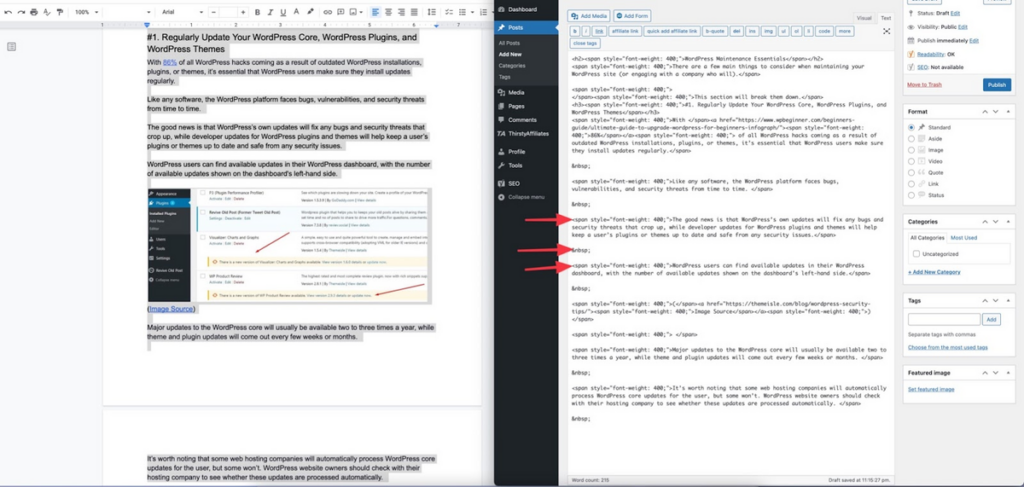
Consider a recipe article. It may lose its ingredient list formatting after export. Instead of clean bullet points, the ingredients may appear as one large paragraph. This makes the content harder for both readers and AI systems to process.
Making content structured on a big website is harder than teams think. Formatting problems show up fast when many people, like writers, editors, and others, use different tools to publish.
A Google Doc that looks perfect can break when you export it. Headings might change size. Links and text formatting often look wrong when the article gets to WordPress.
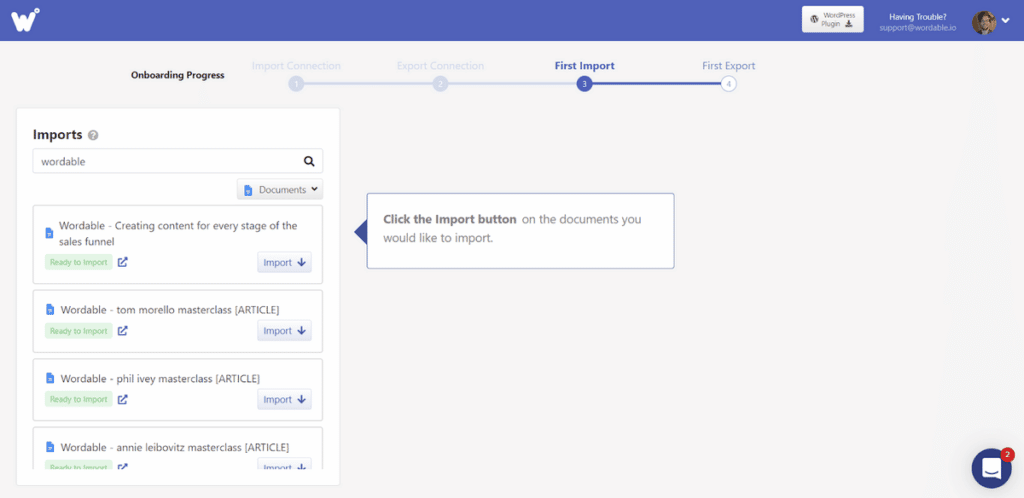
Wordable’s Google Docs to WordPress process keeps headings, spacing, lists, links, and image details correct when drafts move to the CMS. This saves teams and agencies from spending a lot of time fixing formatting after they upload the content.
Clean publishing workflows also support stronger AI visibility over time. Retrieval systems process structured pages more easily, especially on large websites with constant publishing schedules.
AI retrieval systems reward clarity, structure, and context. Your text must work for readers and machines. Strong semantic structure improves discoverability across AI search.
Structured workflows help teams stay consistent as content volume grows. Broken headings and messy HTML can make pages harder to crawl.
Use clean layouts so bots can crawl your data. Explore Wordable for faster, cleaner publishing workflows.
Structured content for LLMs uses:
These elements make content easier for AI systems to retrieve, interpret, and cite inside AI-generated answers.
LLMs often process content in smaller chunks. They don’t read full pages at once. Short paragraphs and focused sections make retrieval easier and reduce confusion during extraction.
Schema markup gives AI systems more context about a page. It helps identify content types such as FAQs, articles, products, and organizations. Still, schema cannot fix weak structure or poor formatting.
Yes. AI retrieval systems often select passages based on clarity and relevance. They don’t just focus on ranking positions. A well-structured answer from a lower-ranking page can still appear in AI-generated results.