


The “quality vs. quantity” debate regarding your job search has reached a stalemate. In 2026, you need both. With recruiters using AI to screen thousands of applicants in seconds, a candidate applying to three jobs a week is essentially invisible.
To break through, marketers, freelancers, and digital professionals are adopting a High-Frequency Strategy: applying to more relevant roles without sacrificing personalization.
While this may sound like a recipe for a 100-hour workweek, the secret lies in strategic automation. By leveraging the best AI job application platforms, you can maintain the volume necessary to beat the odds without ever sending a “generic” resume.
Highlights
Let us talk about how the 2026 “Hiring Winter” forced applicants to become more active and write faster.
The United States Bureau of Labor Statistics sharply reduced its forecasts of newly created jobs by more than a quarter of a million positions in May and June.
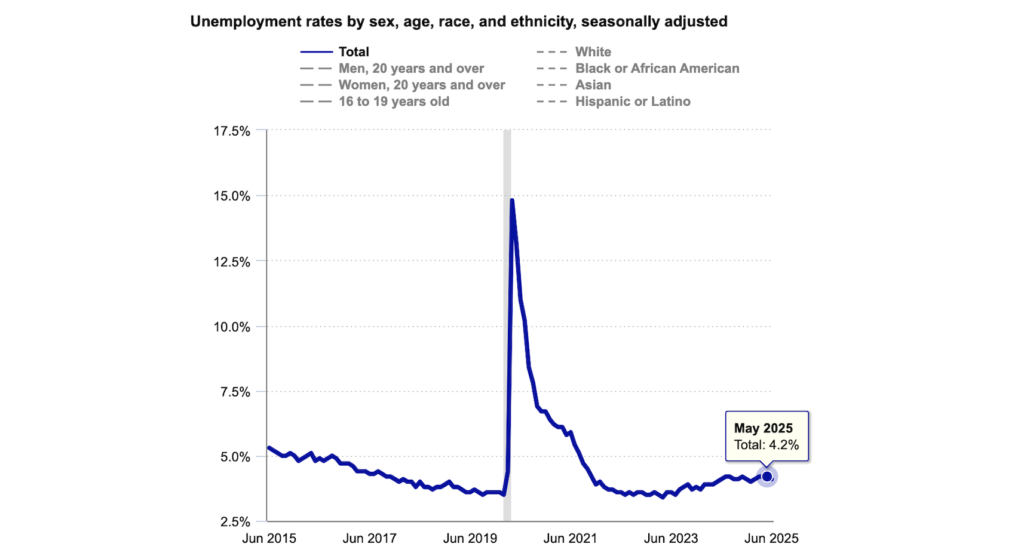
In June 2025, the BLS estimated that only 14,000 new jobs were created. By May 2025, the employment rate had risen to 4.2%, with 7.2 million unemployed Americans.
In March 2026, the job market remained in a “low hires, low fires” state, and the unemployment rate remained unchanged at 4.3%, according to data from Trading Economics. However, what really concerns us is the rise in long-term unemployment.
When millions of people are looking for a job, it becomes essential to apply multiple times just to improve your chances.
If you’ve applied (or even thought about applying) for a position recently, you know the traditional manual process is broken.
AI-powered platforms are no longer “optional extras”; they are invaluable allies. Here is why the high-frequency strategy relies entirely on these tools:
In a crowded market of “AI wrappers,” not all tools are created equal. Job seekers are already in a bind; they shouldn’t have to manage five different subscriptions just to get an interview.
We narrowed down the top performers based on four critical factors:
We put these tools through rigorous testing. Each platform was evaluated using the same workflow: job discovery quality, resume customization, application automation, ease of setup, pricing transparency, and the amount of manual oversight required before submission.
We asked:
These platforms are designed to automate the most tedious part of the job application process: the application itself. By using “application agents,” these tools find roles that fit your specific skills and automatically fill out hundreds of forms, saving you hundreds of hours of manual labor.
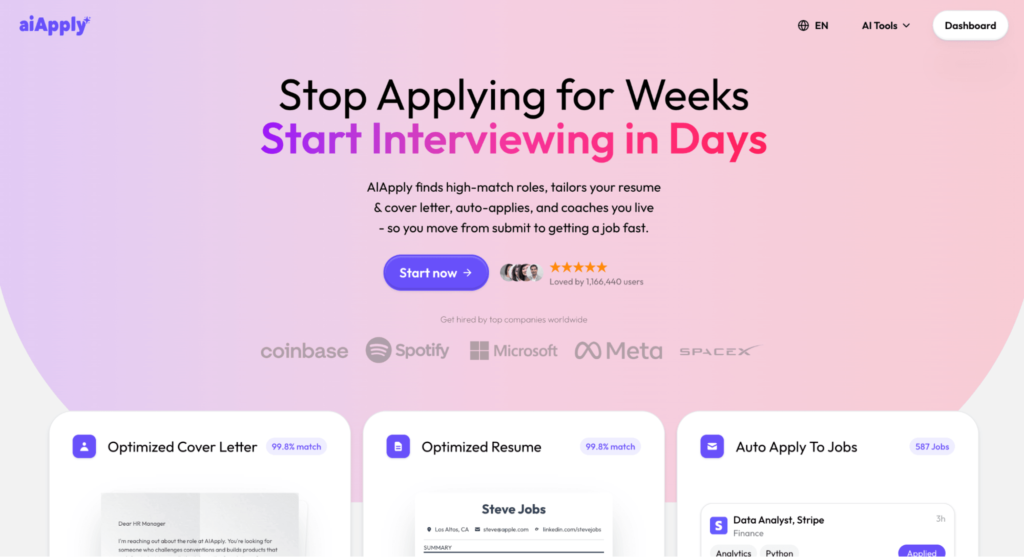
Why it’s great: Aiapply is generally cited as the best for high-volume automation and the “most favored by users” tool for a reason: its Auto Apply feature handled complex hiring portals more consistently during testing, navigating even the most frustrating corporate portals with ease.
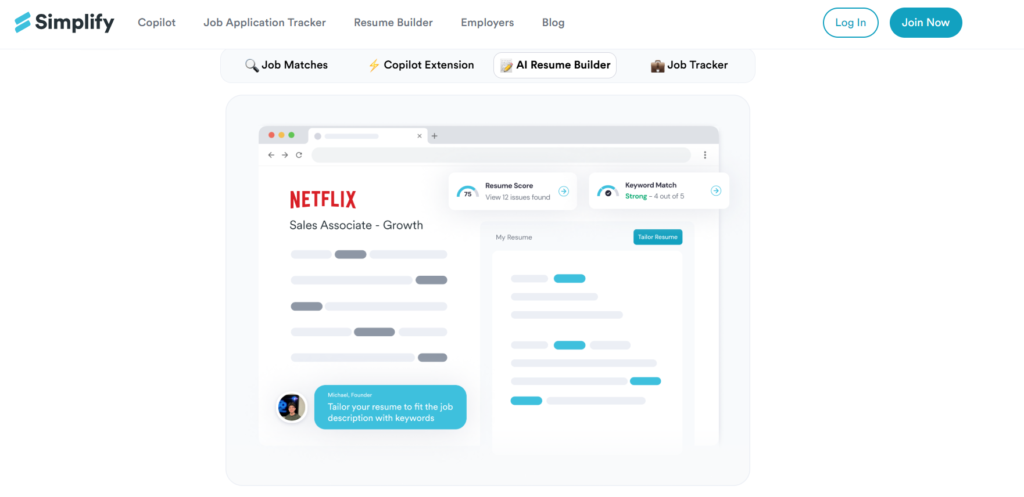
Why it’s great: Simplify is best for applicants who want to cast a wide net across the global remote market without spending 8 hours a day on LinkedIn.
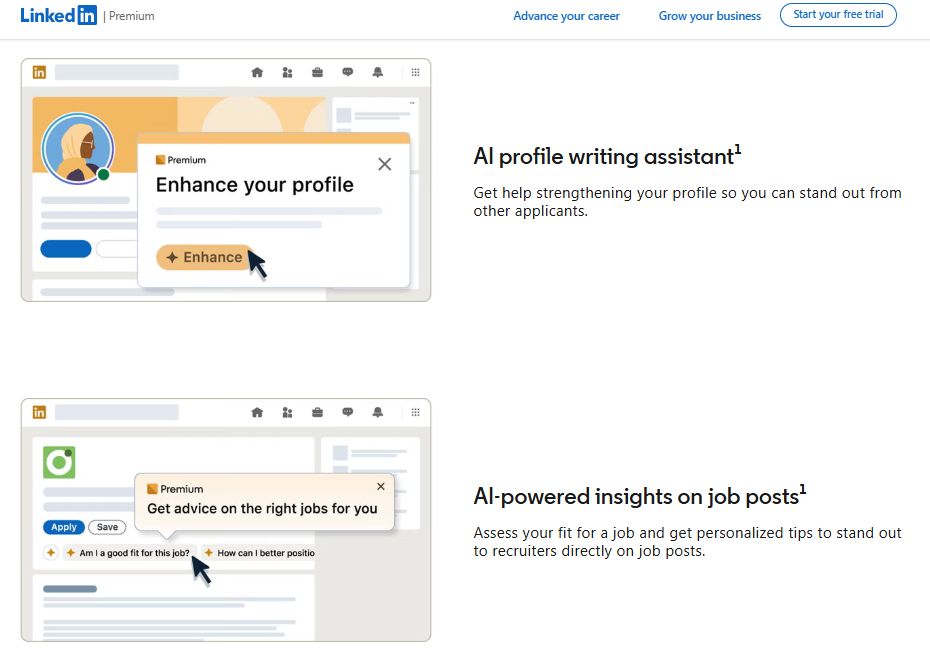
Why it’s great: It is the ecosystem. It’s best for “passive” job seekers who want to let the world’s largest professional network do the matching work for them.
Category Overview: This category helps you bypass the “digital gatekeepers” known as Applicant Tracking Systems (ATS). These tools use generative AI to ensure your resume uses the exact semantic keywords recruiters are searching for while crafting cover letters that match a company’s specific tone and culture.
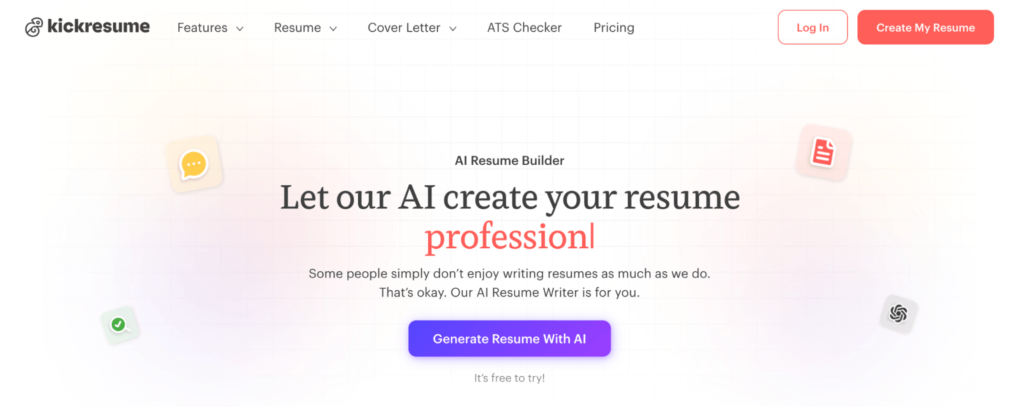
Why it’s great: Kickresume is the best tool for visual impact. It’s perfect for job seekers in creative or tech industries who need a resume that looks as good as it reads, highlighting their resumes as part of their personal brand. That ensures you stand out to both the robot and the human recruiter.
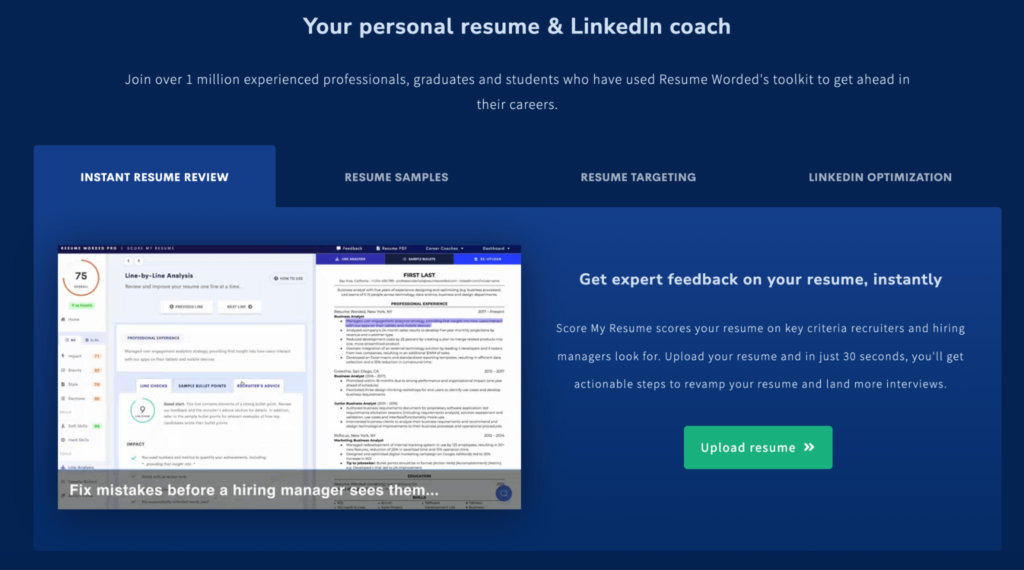
Why it’s great: It is the data-driven choice. Resume Worded is best for high-level corporate roles (Finance, Legal, Management) where precision and adherence to strict recruiter standards are non-negotiable.
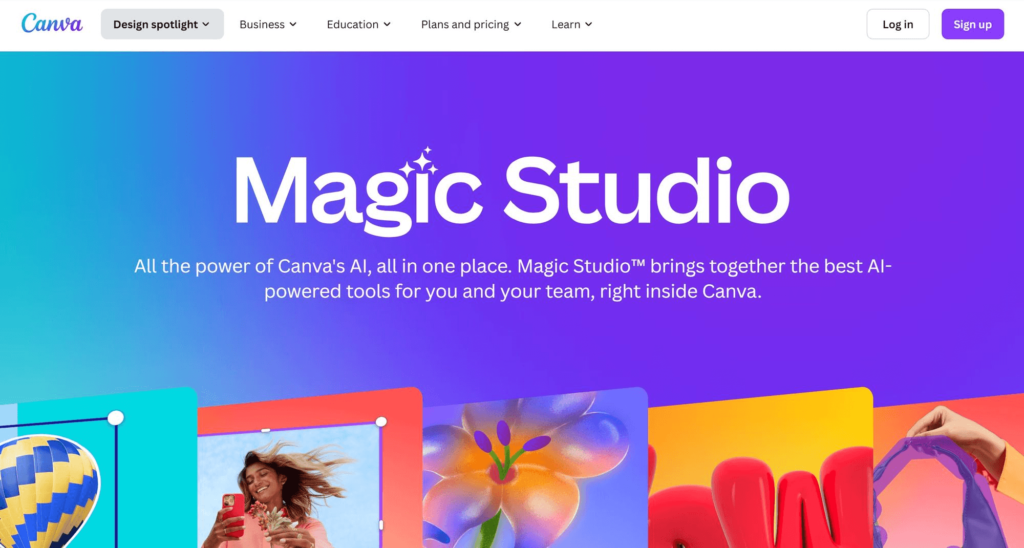
Why it’s great: Canva Docs is best for flexibility and ease of use. It’s the ultimate tool for those who want to move away from boring Word documents and, together with the best AI content tools, create a multi-media professional story without needing a design degree.
Category Overview: Landing a job is only half the battle; staying relevant is the other half. This category focuses on “career longevity,” using AI to identify your skill gaps and to provide personalized learning paths to ensure you’re ready for roles in 2027 and beyond.
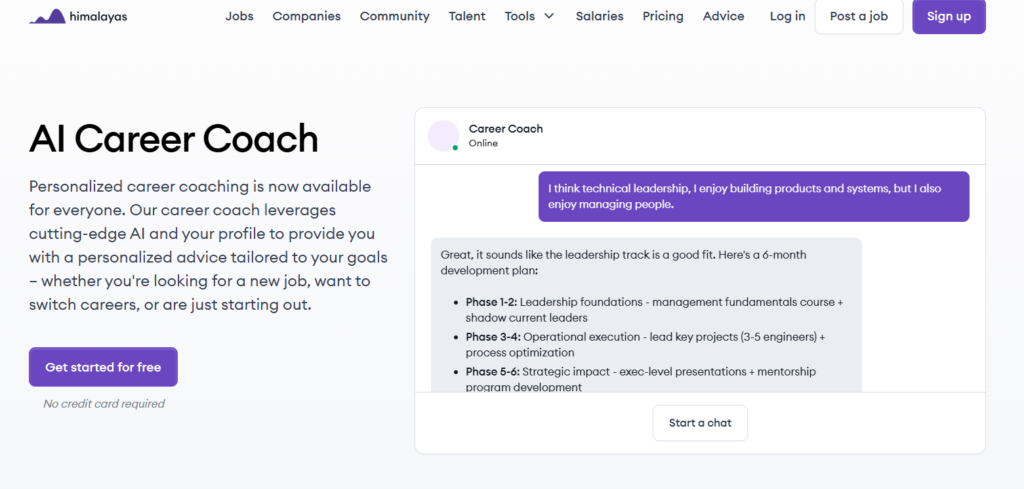
Why it’s great: Himalayas is the remote work specialist. It’s best for digital nomads or anyone looking to build a career that isn’t tied to a specific office or city.
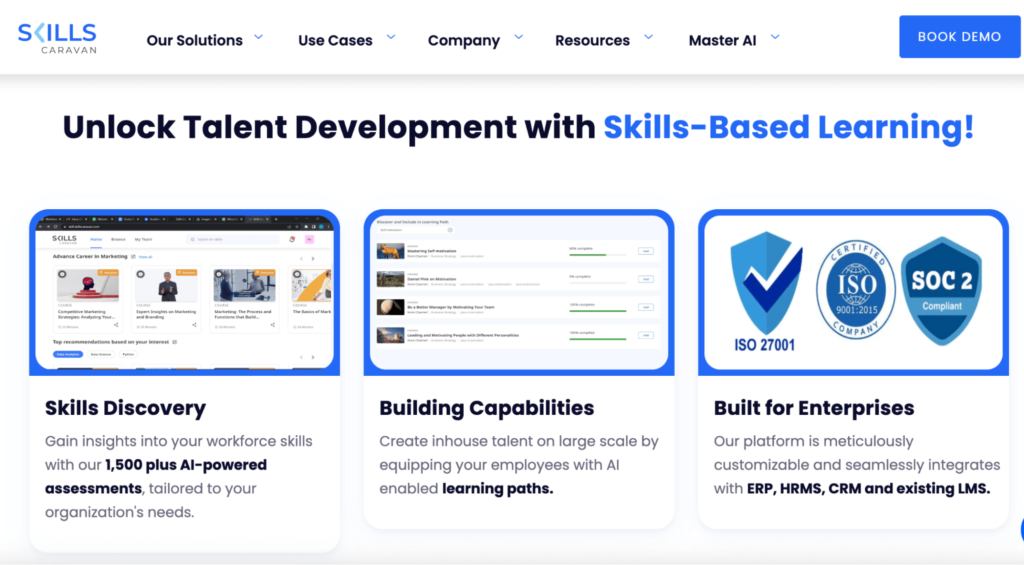
Why it’s great: It is the corporate ladder tool. Skills Caravan is best for those working in large organizations who want to align their personal development with the skills that lead to promotions.
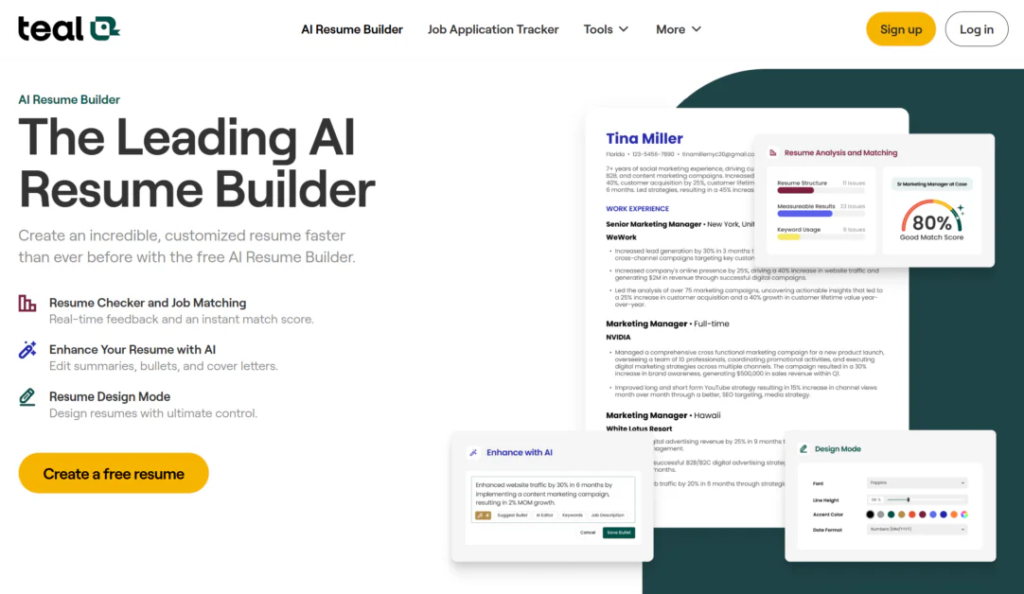
Why it’s great: Best-in-class Chrome Extension for saving jobs; the modular resume builder is very flexible. Use it to help you write your resume with Google Docs. Best for professionals who want their education integrated directly into the apps they use every day, making upskilling a natural part of their workflow.
In 2026, AI tools will have become a practical advantage for professionals managing large-scale job searches. It isn’t just a trend anymore; it’s the fundamental shift that separates those who get ghosted from those who get hired.
The real magic happens when you stop seeing AI as a way to cut corners and start seeing it as a way to maximize your human potential. Some of the best AI job application platforms like AiApply, Teal, or Simplify don’t just automate the boring stuff; they free you up to focus on what actually matters: building relationships and nailing the final interview.
By delegating repetitive tasks and data-heavy optimizations to an agent, you’re ensuring that when a recruiter finally sees your profile, it’s the most polished, relevant version of you possible.
If your team is creating resumes, portfolios, or career-focused content at scale, tools like Wordable can also help streamline publishing and formatting workflows. Give us a call to see how automation can save time without sacrificing quality.
1. Does using an “Auto Apply” tool hurt my chances of getting hired? No. When using the AI apply tool, the applications are more tailored than manual ones because the AI can match keywords and formatting perfectly for the ATS. Recruiters only see a high-quality, relevant application.
2. Is it “cheating” to use AI for my job search? No. Recruiters have been using AI to filter you for years. Using AI to apply is simply leveling the playing field. It’s about working smarter, not harder.
3. Can AI really tailor a resume as well as a human? Yes. In terms of ATS optimization and skill-mapping, AI is actually better than humans. It doesn’t get tired and doesn’t miss the subtle keywords that recruiter software looks for.
4. Why is pricing transparency so important in these tools? Many “free” tools sell your personal data to third parties. A tool with transparent, upfront pricing is a sign that the company’s business model is based on helping you, not exploiting your data.
5. How much time will I really save? Many users report saving several hours per week by automating repetitive application tasks. That is time that can be spent on actual interview coaching or skill-upgrading.
6. Can I still review applications before they are sent? Yes. The best tools offer varying levels of “human-in-the-loop” oversight, allowing you to approve the AI’s work before it hits the “submit” button.
7. Does the AI handle cover letters, too? Yes. Modern AI tools generate context-aware cover letters that bridge your specific experience with the company’s mission statement, ensuring a cohesive narrative.
8. Is this strategy effective for senior-level roles? Yes, absolutely. While the volume might be slightly lower for C-suite roles, the “Quality at Scale” logic remains the same. You still need to be the first, most-tailored applicant in the recruiter’s inbox.