


Growing B2B companies isn’t easy, especially when competition is fierce. B2B buyers now expect to do more research than ever before. They compare products, read reviews, download guides, and consume plenty of content before making a decision.
Content has become one of the most powerful growth channels. But creating great content is only part of the equation. You also need the right tools to plan, write, optimize, publish, distribute, and measure your B2B content.
The good news?
You don’t need dozens of expensive platforms.
The best B2B marketing tools help your entire content operation run more smoothly. They save time, improve collaboration, eliminate repetitive work, and help B2B marketers extend the reach of every piece of content.
In this guide, we’ll explore the best B2B marketing tools for content-led growth teams. We’ll explain what each one does, and help you decide which ones deserve a place in your marketing stack.
Highlights
B2B content marketing has changed significantly over the last few years. Today, a single blog post rarely stays a standalone asset.
It can become:
Managing all of that manually can become overwhelming fast, especially in today’s digital marketing landscape. That’s where marketing tools make a huge difference.
Instead of replacing marketers, they remove repetitive tasks so teams can spend more time creating valuable content and refining their marketing strategies.
HubSpot’s 2026 State of Marketing report listed content marketing at 36.9% and website, blog, and SEO at 35.4% among the areas where marketers planned to increase investment. As that investment grows, efficient content operations matter just as much as consistent production.
Whether you’re a solo B2B marketer, an agency, a startup, or an established business, these tools can improve your workflow.
The best content-led teams don’t rely on one all-in-one platform. They build a marketing stack where every tool has a clear purpose. These tools can help you create, publish, distribute, and optimize content with ease.
The tools below are grouped by the workflow problem they solve, including research, creation, collaboration, publishing, distribution, automation, design, and measurement. A universal score doesn’t rank them because the right choice depends on your team’s bottleneck, integrations, and budget.
For content research and SEO, these two tools stand out:

Every successful content strategy starts with research. You need to know what your audience searches for before creating content.
That’s where Ahrefs excels.
Ahrefs is one of the best B2B marketing tools for discovering keyword opportunities, analyzing competitors, and identifying content gaps.
Instead of guessing what people want, you can base your decisions on search data.
Some of its most useful features include:
Imagine you’re writing about email marketing.
Ahrefs can show:
This makes content planning much more strategic.
It’s particularly valuable for businesses investing heavily in organic search.
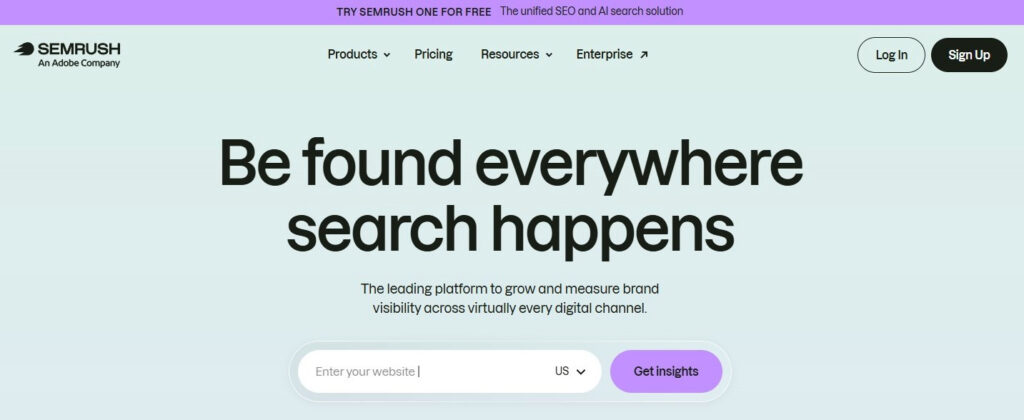
If you prefer an all-in-one solution, Semrush deserves serious consideration.
It combines SEO, PPC, content marketing, social media marketing, competitive research, and reporting to support multiple B2B marketing strategies within a single platform.
Agencies like to use Semrush because it replaces several separate tools.
Content marketers especially benefit from:
One feature that stands out is Topic Research. Instead of brainstorming ideas manually, you instantly discover popular questions and content opportunities. This makes editorial planning much easier.
For growing teams, Semrush offers enough features to plan their best B2B marketing campaigns without switching between multiple platforms.
Choose Ahrefs when backlink analysis and organic search research are the main priorities. Choose Semrush when you need broader support for paid search, social media, content optimization, and reporting all in one place.
The next category covers content creation and editing. The tools worth mentioning include:
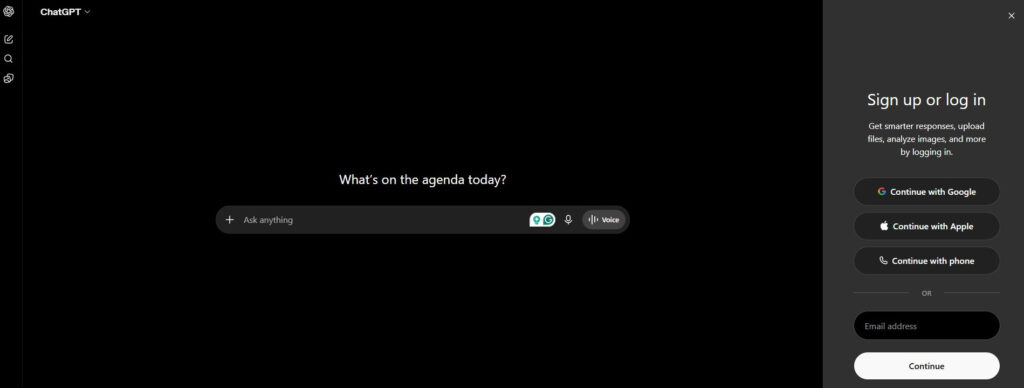
AI has become a normal part of modern marketing. When used correctly, it speeds up content production without replacing human creativity. That’s why ChatGPT belongs among the best B2B marketing tools available today.
It helps marketers:
The important word here is assist. AI shouldn’t publish content without human review. Instead, think of it as your first draft partner. Writers still provide strategy, expertise, editing, and fact-checking.
With human review in place, teams can speed up production while maintaining their editorial standards.
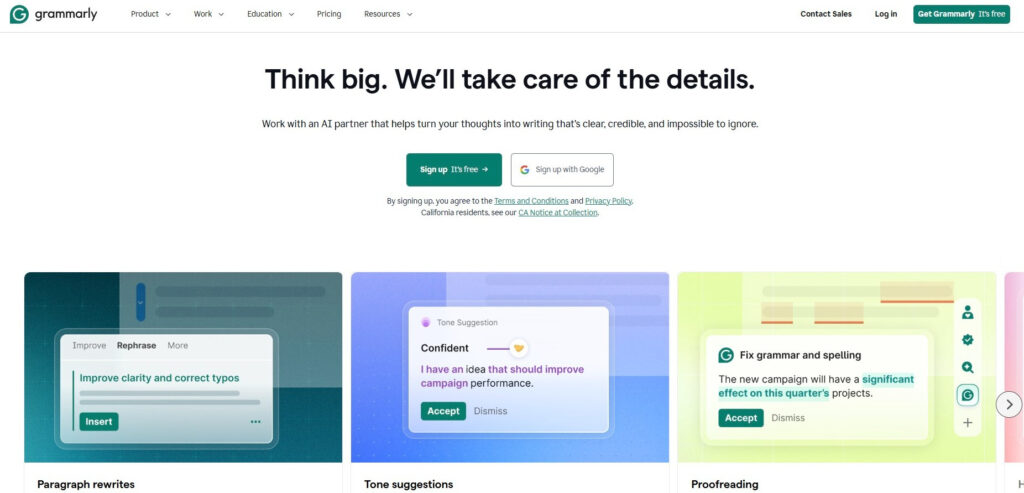
Great ideas lose their impact when the writing is difficult to read. Grammar mistakes, awkward sentences, and inconsistent tone reduce credibility. Grammarly helps solve those problems.
It checks:
For teams with multiple writers, Grammarly also helps maintain consistency. Instead of relying entirely on manual editing, writers receive suggestions while they work. This reduces editing time and helps publish cleaner content.
For B2B brands producing large volumes of articles, email campaigns, and documentation, Grammarly becomes a valuable quality-control tool.
For project management and collaboration, these tools stand out:
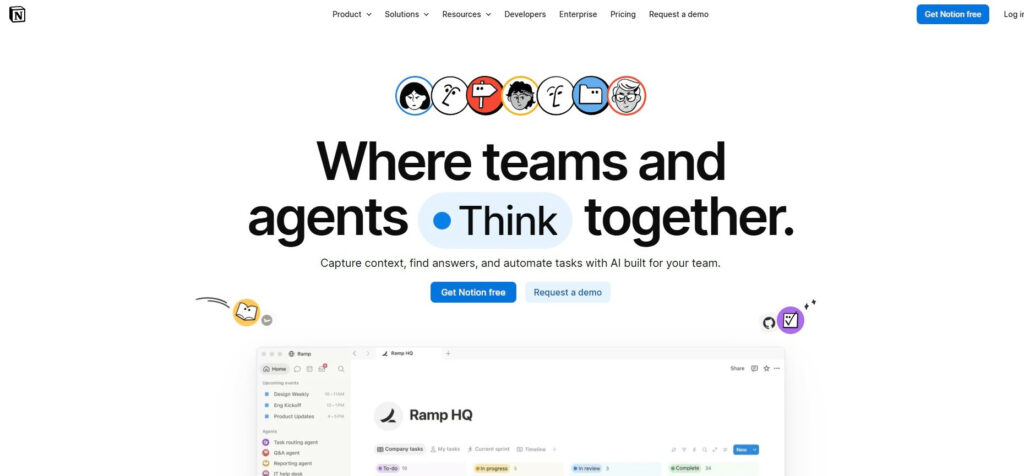
Every content team needs one place to organize ideas. Without documentation, projects become difficult to manage. That’s why Notion has become one of the best B2B marketing tools for collaboration.
Instead of spreading information across spreadsheets, emails, and messaging apps, Notion brings everything together.
Teams commonly use it for:
One of its biggest strengths is flexibility. You can build a simple content calendar or an entire company wiki. Everything stays connected.
As your marketing team grows, your documentation grows with it.
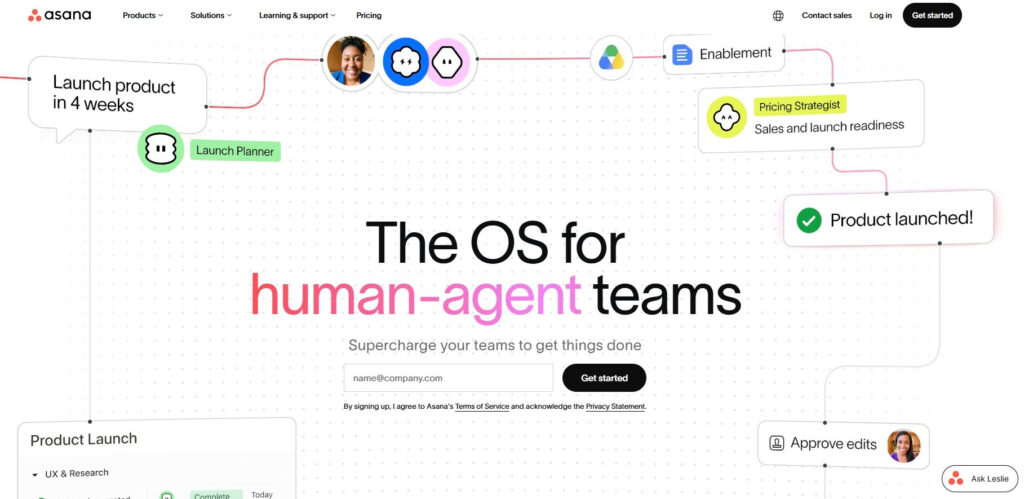
Great B2B content marketing involves many moving parts, such as writers, editors, designers, SEO specialists, and project managers. Without clear project management, deadlines quickly slip.
Asana keeps everyone organized.
Marketing teams use it to manage B2B campaigns and:
Instead of asking who owns each task, everyone can see the project status at a glance. This becomes especially valuable as your team grows.
Notion and Asana solve different parts of the same problem. Notion is where you keep briefs, research, and documentation. Asana is where you track ownership, deadlines, and execution. Some teams use both rather than picking one over the other.
For publishing and distribution, these two tools address different stages of the workflow:
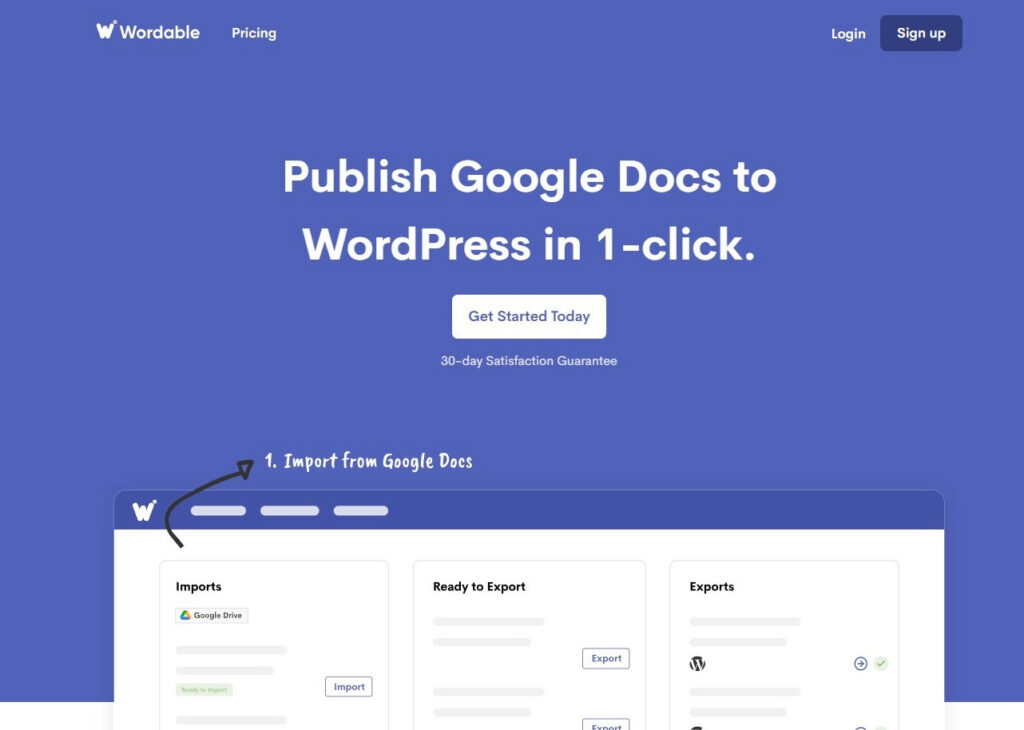
Writing an article is only half the job. Publishing it often takes just as much time.
Formatting headings, images, links, lists, tables, and metadata inside WordPress can quickly become repetitive. This is especially true if your team publishes several articles every week.
That’s where Wordable shines.
Wordable helps marketers move content from Google Docs to WordPress in a few clicks. If you’re still figuring out your publishing setup, this guide explains why you need a content management system. Once your CMS is in place, Wordable cuts down the manual work of transferring and formatting content.
For content-led teams, that means:
If your workflow starts in Google Docs and ends in WordPress, Wordable can remove one of the biggest bottlenecks in content production.
That’s why it deserves a place among the best B2B marketing tools for teams focused on scaling content.

Publishing great content isn’t enough. People still need to discover it.
Buffer helps marketers distribute content consistently across multiple social platforms, making B2B social media management much easier. Instead of logging into every social network separately, you can schedule posts from one dashboard.
Popular features include:
This makes it much easier to support ongoing marketing campaigns by promoting blog posts over weeks or even months rather than sharing them once and forgetting about them.
For content-led businesses, distribution works more smoothly when teams plan promotion while creating content drafts in Google Docs.
Covering CRM and lead generation means you need a reliable partner, and this is the right one:
Content marketing doesn’t end when someone reads your blog. HubSpot helps turn that engagement into leads and B2B sales through CRM, email marketing, forms, automation, and reporting.
It combines CRM, email marketing, forms, landing pages, automation, and reporting into one platform. For content teams, HubSpot helps connect B2B content directly to business growth.
Useful features include:
Instead of treating content as a separate activity, HubSpot helps marketers understand how every article contributes to revenue.
Your content needs good visuals. Without a great visual design, your content is another block of text. Use the best one available:
Even strong written content benefits from good visuals. Images break up longer sections, help explain complex ideas, and give teams assets they can reuse across social posts and presentations.
Canva makes design accessible to everyone. You don’t need years of graphic design experience to create polished visuals.
Content teams commonly use Canva to support B2B marketing campaigns with:
Its drag-and-drop interface and template library make it easy to use even if you don’t have a design background.
For small businesses without an in-house designer, Canva is often an essential part of the marketing stack.
Measure what isn’t working so you can improve future campaigns.
Creating content without measuring results is like driving with your eyes closed. Google Analytics 4 helps marketers understand what happens after their team publishes content.
Instead of guessing which articles perform well, you can track:
These insights help content teams identify which pages, channels, and conversion paths are improving their marketing efforts and driving results.
Content Marketing Institute’s 2026 B2B research found that 39% of marketers reported improved content performance, which reinforces why consistent measurement matters.
Automate repetitive tasks and connect your favorite marketing tools.
Marketing teams spend a lot of time on repetitive tasks that support B2B marketing campaigns, such as copying data, updating spreadsheets, sending notifications, and moving information between tools.
Zapier automates these processes without requiring coding knowledge. For example, you can automatically:
A single automation may save only a few minutes, but the benefit compounds when the same task runs repeatedly across a team. Over time, this can free marketers to focus on work that requires judgment and creativity.
With so many options available, it’s easy to feel overwhelmed. The truth is, you don’t need every tool on this list.
Start with your biggest challenge and the best practices your team needs to implement:
As your business grows, you can gradually expand your marketing stack.
Look for tools that:
Remember, the best tools for a successful B2B operation aren’t necessarily the ones with the longest feature list. They’re the ones your team actually uses every day.
Content-led growth isn’t about publishing more articles. It’s about creating better systems.
The best B2B marketing tools help teams work smarter by simplifying research, improving collaboration, automating repetitive tasks, streamlining publishing, and strengthening their marketing efforts.
Together, these tools create a workflow where every stage of content marketing becomes more efficient.
You don’t need to adopt everything at once. Start with the tools that solve your biggest bottlenecks today. Then expand your stack as your content operation grows.
The goal isn’t to collect software.
The goal is to build a marketing system that helps your team consistently create strong B2B content, reach the right audience, and tie that work back to real business growth.
When the right people, processes, and tools work together, content becomes much more than a marketing asset. It can become a more reliable contributor to long-term business growth.
If moving reviewed content from Google Docs into WordPress is slowing your team down, explore Wordable to streamline publishing and reduce manual formatting.