


Publishing more blog posts doesn’t guarantee better traffic, leads, or conversions. Many marketing teams publish content every week. Yet they still struggle with missed deadlines, approval delays, and inconsistent publishing. The problem is often not the content itself. It’s the process behind it.
That is one reason the content operations manager role continues to grow across modern marketing teams. Strong content ops helps teams:
It also keeps projects moving as publishing demands grow by creating repeatable workflows and clearer collaboration rules.
In this guide, you’ll learn what a content operations manager does, how the role supports long-term content growth, which responsibilities it owns, and which skills and tools employers value most.
Highlights
A content operations manager keeps the entire content engine organized. They build systems and manage workflows. They also help teams publish content with fewer delays, errors, and approval issues.
A content ops manager handles the operational side of content creation. That includes:
For example, they may manage deadlines for blog posts, email campaigns, and landing pages simultaneously.
Unlike content strategists, they focus less on ideas and more on execution. They also help cross-functional teams and marketing teams stay aligned.
Modern content production involves more channels, tools, approvals, and stakeholders than before. A single campaign may touch SEO, social media, design, legal, and sales teams.
That complexity creates delays and process gaps. Strong content ops supports:
Tools for automation and content management systems also push teams toward more structured processes and successful outcomes.
A content operations manager works across departments. They support different team members, including:
For example, they may help an SEO lead, writer, and developer coordinate a product page update before launch. Their job is to keep communication clear and push everyone toward the same shared goal.
A content operations manager keeps content work moving across teams, tools, and deadlines. They create structure around the full publishing process. This helps projects stay organized as content demands grow.
In practice, that structure covers six stages: intake, assignment, production, review, publishing, and reporting. The role matters because delays usually happen between these stages, when ownership, feedback, or approvals are unclear.
A content operations manager creates repeatable content workflows for every stage of production.
They assign tasks, manage deadlines, and keep projects on track.
For example, they may oversee a blog campaign that involves SEO, design, editing, and publishing teams. Clear workflows help teams avoid missed handoffs, rushed approvals, and production bottlenecks.
Effective content creation processes help teams create content with fewer errors. There may also be less back-and-forth. A content ops manager creates various types of documentation. This includes SOPs and publishing checklists.
For example, they may create an approval process for every article before publication. That process should support:
Content teams depend on input from several departments. The content operations manager keeps writers, SEO specialists, designers, developers, and stakeholders aligned during production.
They may proactively coordinate feedback between SEO and design teams before a landing page goes live. Strong communication helps reduce approval delays and disconnected work across cross-functional teams.
Large content teams handle many files, templates, and design assets. A content ops manager keeps those resources organized inside asset management systems.
For instance, they may create folder structures and version tracking rules for campaign assets. This can improve content lifecycle management and reduce the risk of teams using outdated files.
Manual publishing tasks can slow content teams down fast. A content operations manager uses automation, AI tools, and other cutting-edge technology. This helps them reduce repetitive work and improve publishing accuracy.
Here’s an example.
They may automate reporting dashboards or content publishing tasks between platforms. Canva’s research found that nearly all marketers now use AI every day. This highlights the increased need for stronger workflow oversight and process control.

They track how work moves through the publishing process. They look for:
Imagine they discover that one review stage is slowing every campaign launch. That insight helps the team fix the bottleneck instead of treating every delay as a one-off problem.
A content ops manager needs process skills and communication skills. Check if they have enough technical knowledge to manage modern content systems.
Here are the core traits to look for when hiring.
A content ops manager stays on top of timelines, deadlines, and deliverables, keeping everything organized and on track. They also help teams collaborate and stay on the same page when several projects move at once.
For example, they may manage a month of blog posts, email campaigns, and product updates across different departments. Project management skills are essential here. They help teams handle growing workloads without missing deadlines.
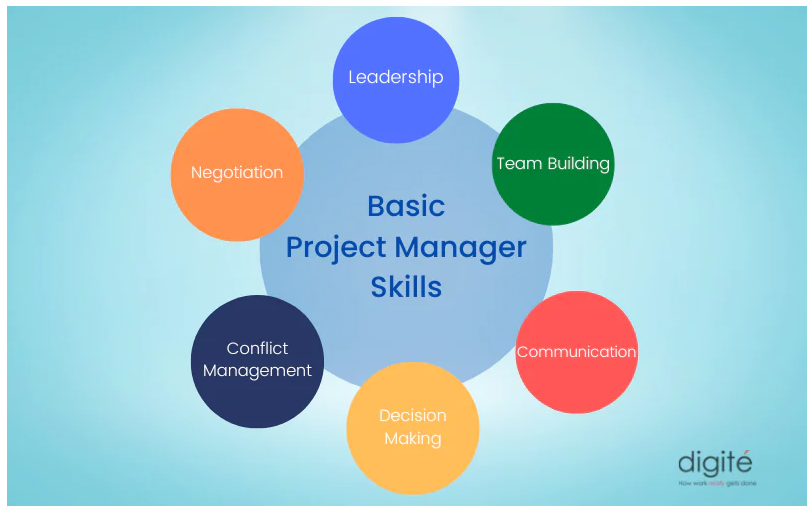
Content work often slows down when teams stop communicating well. Content ops management keeps all team members aligned during production.
During a website launch, they clarify who owns each review stage, collect feedback in one place, and keep the project from stalling between departments.
Usually, this means setting review deadlines, deciding who’s in charge of each decision, and keeping all feedback in one place.
Modern content ops depends on tools, integrations, and workflow systems. A content operations manager should be familiar with:
They may connect reporting dashboards with publishing systems to reduce manual work. McKinsey’s report estimates that 92% of companies plan to increase AI investment. This indicates that the content operations management team needs enough technical fluency to guide smarter adoption of high-performing strategies.

Small publishing mistakes can create bigger content issues. Before content goes live, the manager checks:
Let’s say the content ops manager is reviewing landing pages. They may check for:
Strong attention to detail helps ensure content meets legal requirements, publishing standards, and brand expectations.
Modern content ops workflows depend on collaboration tools that help teams:
Let’s have a look in more detail.
Content teams use project management platforms to keep work organized from start to finish. Common platforms include:
You don’t have to use different tools for your SEO and design teams. Your content operations manager can, for instance, track deadlines and the status of each task in a single dashboard.
Project management tools have, in fact, increased in popularity. According to Monday.com’s World of Work report, more than 80% of people already use project management software.
Publishing teams depend on content platforms to organize and distribute content across channels. Many content operations managers use:
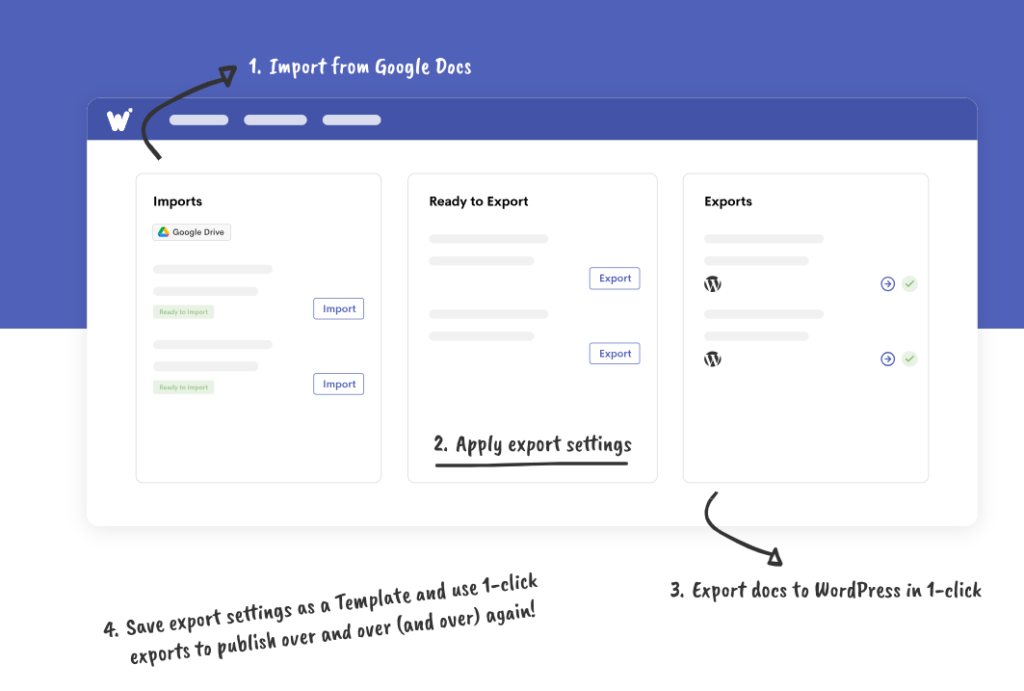
Copying and pasting a Google Doc draft directly to your CMS can cause inconsistent formatting. You may use Wordable to move content from Google Docs into WordPress. This provides cleaner formatting, and your team won’t have to adjust headings or spacing manually.
Content teams also rely on communication and workflow automation tools every day. Common platforms include:
Your content ops management team may use Zapier to connect publishing tasks between different platforms. Slack and Notion help with:
More companies are now investing in structured content ops as publishing demands grow across marketing channels. That demand continues to create new career opportunities for operational marketing roles.
More companies now need stronger systems behind their content teams. These include:
They often hire content ops managers to keep larger publishing schedules organized.
As content demands increase, these companies need people who can manage workflows, approvals, and production processes without slowing teams down.
Salary varies by experience, industry, and company size. SaaS and top B2B companies have complex workflows. So their roles may often offer higher pay.
The pay range also varies by location. For example, operations manager roles in Boston offer a yearly salary of $87,925. In Los Angeles, the pay is around $87,206.
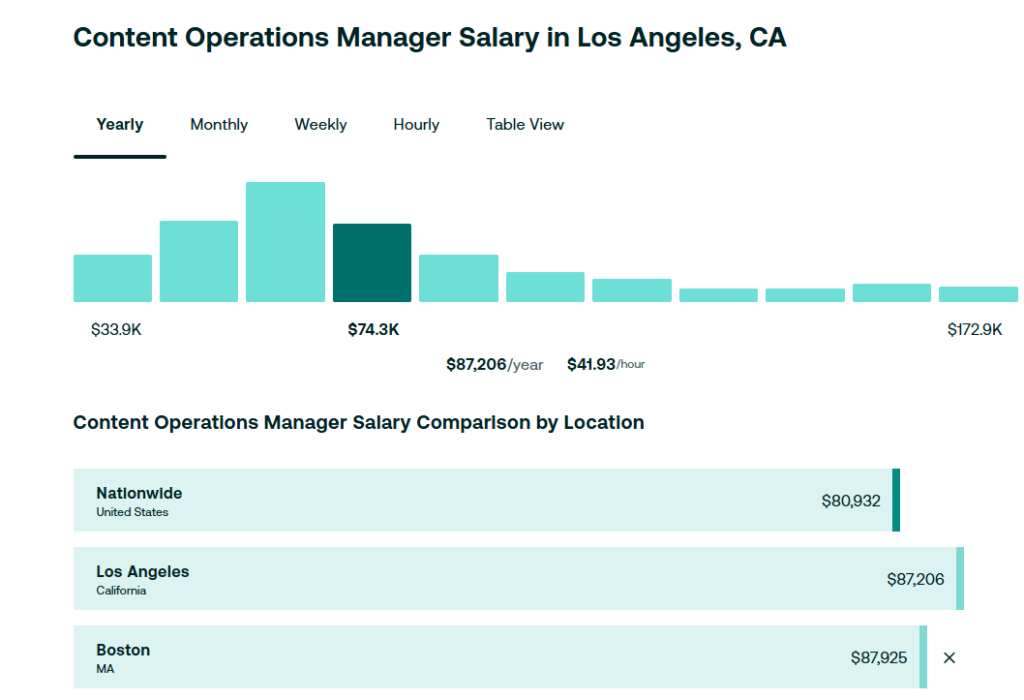
Career growth can be strong for professionals who combine process management, content experience, and stakeholder communication. Many professionals move into leadership roles focused on content strategy, operations, or broader marketing management as they gain more experience in process and team management.
Hiring teams often look for candidates who can solve process problems without creating more complexity. Experience with publishing systems and project management helps show that someone can handle larger content operations.
Strong communication also helps candidates stand out. Many employers want people who understand digital marketing, automation, and how different departments work together during content production.
Many people move into content ops after working in content, SEO, or marketing roles. The job often grows out of hands-on experience with workflows, deadlines, and team coordination.
Content operations is a natural next step for people who have already managed deadlines, approvals, publishing tools, or cross-functional content work. Strong starting points include:
Consider SEO managers. They handle publishing schedules and approval processes across campaigns. That experience may help them move into content operations.
Strong content ops skills often come from managing real publishing workflows. Take someone who has experience in:
It helps them prepare for larger operational responsibilities.
Someone may start by organizing content approvals or improving publishing systems in the marketing team. Leadership skills and stakeholder communication also become more important as they handle complex projects.
Many people strengthen their content ops skills through courses, certifications, and platform training.
For instance, someone may complete certification training on CMS integrations. These resources can help people build stronger technical and operational knowledge over time.
A content operations manager helps content teams stay organized as publishing demands grow. Without clear workflows and systems, even high-quality optimized content can get stuck in approval delays, missed deadlines, and messy production processes.
Good content ops creates structure behind the scenes. It helps teams:
Companies are publishing across more channels. So the demand for operational marketing roles continues to grow.
Teams also need better systems for publishing and collaboration because manual work, formatting issues, and disconnected tools can slow production down fast. For teams that already draft in Google Docs, the publishing handoff is one of the easiest workflow gaps to tighten.
Looking for a simpler way to manage publishing workflows in your CMS? Try Wordable today. It helps you move content from Google Docs into WordPress, HubSpot, or Medium with fewer formatting problems and less manual work.
A content operations manager oversees the systems that support content production. They manage:
This ensures that content moves from planning to publication with fewer delays.
Yes. Content ops supports the operational side of content marketing. Strategists focus on topics and campaigns. But content operations focuses on workflows, publishing systems, approvals, and production processes.
Many content operations managers use tools like:
These tools help teams automate tasks, organize assets, and improve collaboration across departments.