


Creating great content is only half the battle.
The other half is ensuring that the audience sees a consistent message. It doesn’t matter which way they discovered your business. It can be through Google, social media, email, or YouTube. They should feel like they’re talking to the same company.
Unfortunately, that doesn’t always happen.
Many businesses create excellent content, but every channel tends to work on its own. The result is a disconnected customer experience that weakens your brand.
That’s where integrated marketing comes in.
If you’ve ever wondered what integrated marketing is, there’s a simple answer. Integrated marketing is a strategy that aligns all marketing channels. The goal is to deliver one clear, consistent message. Instead of treating each platform as a separate effort, integrated marketing connects them. They become one coordinated campaign that supports the same goals.
In this guide, we’ll explain what integrated marketing is and why it matters for content teams. We’ll also cover other important aspects. These include the benefits and guidance on building a scalable, integrated marketing strategy.
Highlights
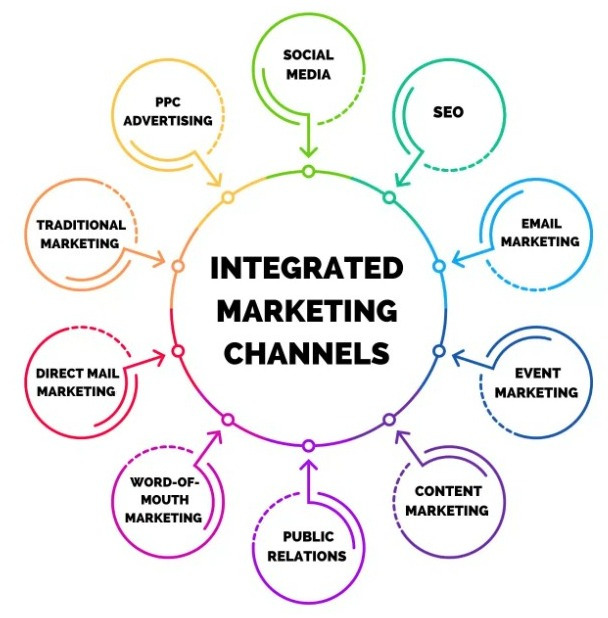
Let’s start with the basic definition.
What is integrated marketing? It is a marketing approach that combines many channels, platforms, and communication methods. All of them work together as one unified strategy. Instead of running disconnected campaigns, all marketing activities support the same goal.
Imagine you’re launching a new product.
Your campaign might include:
Everything feels connected. Customers get the same message wherever they encounter your brand.
Being consistent is mandatory as it builds trust and improves recognition. It also increases the likelihood that people will take action. Think of integrated marketing as an orchestra. Each instrument plays a different part, but together they create one complete performance.
Today’s customers interact with brands across many channels before buying anything.
Some of your followers (potential customers) might find your blog on Google. Others may follow you on LinkedIn or subscribe to your email list. Some may also watch your YouTube videos, click a Facebook ad, or even read customer reviews.
Every touchpoint influences the buying decision.
Besides, the buying decision is one thing, but keeping customers coming back is another. Zoom research shows some staggering numbers. 86% of customers will be loyal to a brand due to consistent improvements in customer service.
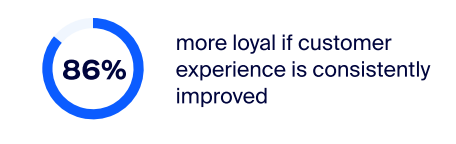
If every interaction looks and sounds different, customers become confused.
A consistent experience builds familiarity. Marq found that consistent brand presentation can increase revenue by up to 33%.
That’s one of the biggest reasons to understand what is integrated marketing and why it’s so valuable. It helps ensure that every customer interaction reinforces the same story.
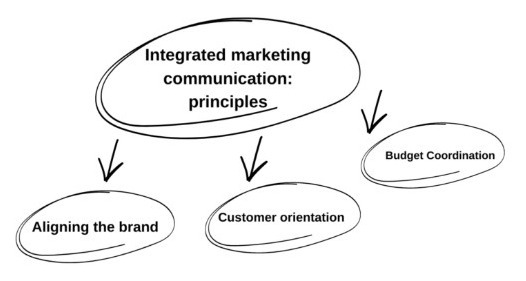
A successful integrated marketing strategy relies on several key components working together.
Your tone, value proposition, and brand personality should remain recognizable across every channel.
Instead of every department chasing different goals, everyone works toward the same outcome.
All your content materials should support one another rather than repeat random topics.
Marketing, sales, design, and other teams should all contribute. Their contribution will help create a consistent customer experience.
These four elements must work in unison. That’s when your marketing becomes stronger than the sum of its individual channels.
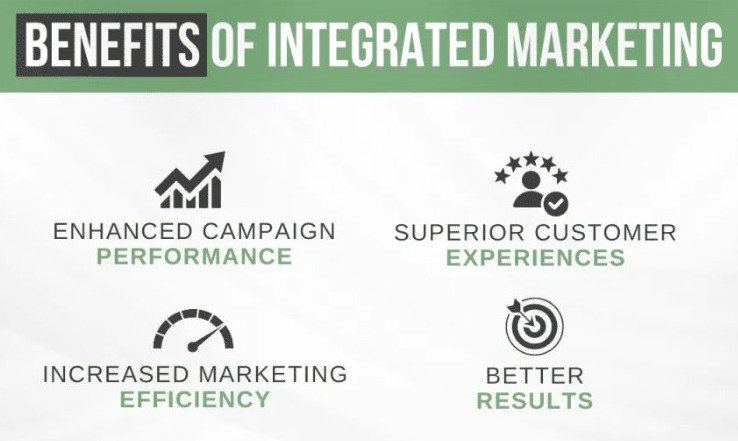
Content teams often create dozens of assets every month. Whether you write a case study or a blog post, you can repurpose it. Without coordination, those assets can become disconnected very fast. Understanding what integrated marketing is helps content creators think beyond individual blog posts.
Instead of asking, “What should we publish today?” they ask, “How does this content support the entire campaign?”
This shift creates several benefits. Content becomes easier to repurpose.
One research report can become:
Rather than creating new ideas from scratch each time, teams need to think outside the box. They need to maximize the value of existing content.
This saves time while maintaining consistent messaging.
Trust grows when customers receive the same experience every time they interact with your brand, regardless of the channel.
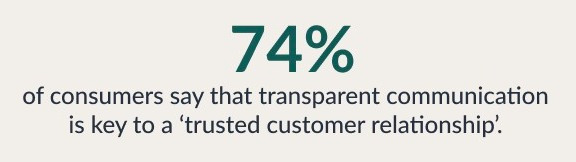
People trust brands that feel consistent. Imagine visiting a website that promises affordable software. Then you receive premium, luxury messaging via email. Next, you see humorous social media posts that don’t match either experience.
The inconsistency creates uncertainty. Customers will wonder whether they’re dealing with the same company. Integrated marketing removes this confusion. Every interaction reinforces the same identity.
According to Edelman’s Trust Barometer, trust remains one of the strongest factors. It helps influence customer decisions.
Consistency doesn’t make marketing look better. It helps customers feel confident in choosing your business.
Businesses believe they’re practicing integrated marketing when they publish content across different platforms. There’s an important difference. Posting the same article everywhere isn’t integration. It’s duplication.
Some common mistakes include:
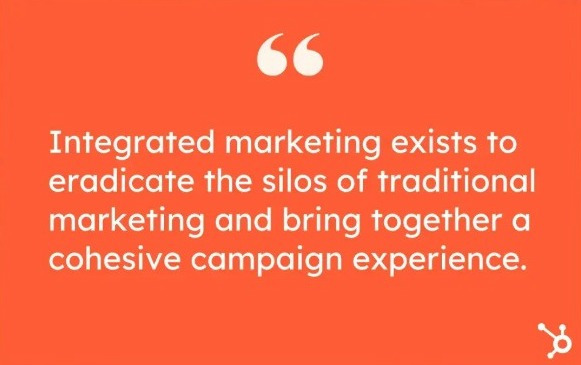
These problems often appear because departments work in isolation. Breaking down those silos is one of the biggest steps toward successful integrated marketing.
If you wish to know what integrated marketing looks like in practice, the answer lies in planning. Start with one campaign goal.
For example, generate leads for a new software product. Every piece of content should support that goal. Next, identify your audience.
Understand:
Then create a central campaign message. This becomes the foundation for every piece of content. After that, decide how each channel contributes.
Finally, measure performance across all channels rather than evaluating each one by itself. The campaign succeeds because all platforms work together.
This coordinated approach also makes campaign decisions easier. When teams share the same goals, messaging, and performance data, they can identify gaps more quickly, adjust underperforming channels, and keep all assets aligned as the campaign evolves.
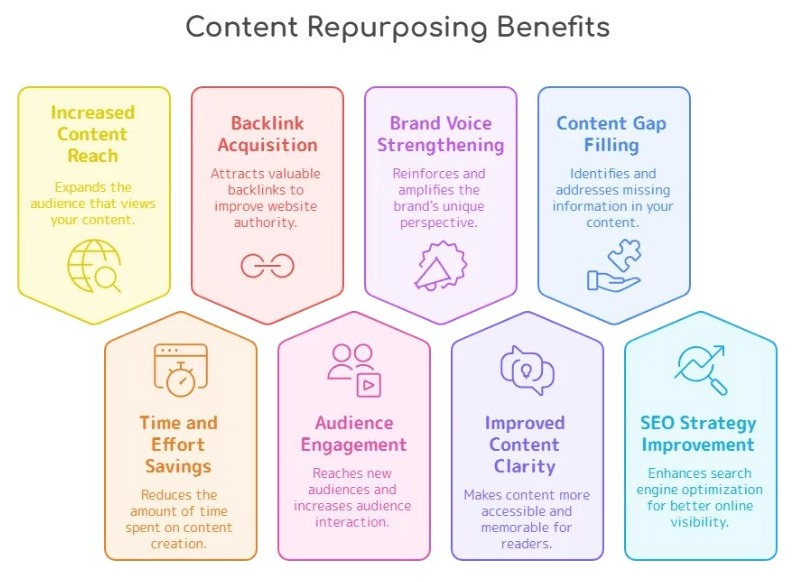
One of the biggest advantages of integrated marketing is efficient content reuse. Creating quality content requires time for research, writing, editing, design, and promotion. Don’t use each asset once. Integrated marketing encourages teams to extend each asset’s lifespan.
For example, one long-form guide can become:
Content repurposing increases your return on investment. It ensures customers receive consistent messaging wherever they engage with your brand. Besides, it reduces content fatigue. Your marketing team will appreciate less content fatigue. Why? Because it allows them to build on existing resources, rather than start over.
You can’t improve what you don’t measure. Integrated marketing looks beyond individual channel metrics. Instead of focusing only on page views or email opens, test how channels work together.
Useful metrics include:
Tracking these metrics together gives you a clearer picture of how each channel contributes to overall campaign performance.
Google Analytics, CRM platforms, and marketing automation tools make it easier to connect customer interactions across multiple channels. Look at the bigger picture. It helps teams understand which combinations of content produce the best results.
What should you do if your content team wants to embrace integrated marketing? Instead of managing remote content teams asynchronously, you should take a step back. Focus on building repeatable systems instead of isolated campaigns. It’ll give you freedom with less management, while the work won’t suffer.
Start by creating a shared editorial calendar. Document campaign goals before producing content. Develop clear brand guidelines covering voice, tone, messaging, and visuals.
Hold regular planning meetings so every department understands upcoming campaigns. Create reusable content templates. Maintain a centralized repository for research, brand assets, and completed projects.
Make sure to encourage collaboration.
Integrated marketing works best when all departments contribute ideas early on. The early planning process needs input from everyone to be successful. Small improvements in communication often produce much bigger improvements in campaign performance.
Have you been asking what is integrated marketing? I know you have, and the answer is much simpler than it first appears. It’s about creating one consistent experience across every customer touchpoint.
Stop treating your materials (blog, email, social media, videos, etc.) as separate projects. Integrated marketing brings them together under one clear strategy.
The result is far more than better organization.
Integrated marketing helps content teams work more efficiently by reusing valuable assets and strengthening brand consistency. They can also build customer trust and improve campaign performance.
As marketing channels continue to multiply, consistency will only become more important.
Businesses that align their messaging across all platforms are doing it right. They build stronger customer relationships and stand out in the crowd.
The best marketing doesn’t happen when every channel works harder. It happens when every channel works together.
Check out Wordable’s blog for more information on marketing strategies you can put in place.
Integrated marketing is a strategy that combines multiple marketing channels into one coordinated campaign with a consistent message. Instead of treating each platform separately, businesses align their blog, email, social media, paid ads, website, and other channels to create a seamless customer experience.
Integrated marketing helps content teams create more effective campaigns by ensuring every piece of content supports the same business goals. It also improves collaboration, strengthens brand consistency, makes content easier to repurpose, and helps teams get more value from the entire content production process.
The biggest benefits of integrated marketing include stronger brand recognition, improved customer trust, better collaboration between teams, higher content ROI, more consistent messaging, and a better overall customer experience across every marketing channel.
Start by defining a clear campaign goal and identifying your target audience. Then create a consistent brand message, assign each marketing channel a specific role, maintain a shared content calendar, and measure campaign performance across all channels instead of evaluating each one independently.
Multichannel marketing simply means using multiple platforms to reach your audience. Integrated marketing goes a step further by ensuring that every channel works together with consistent messaging, shared goals, and a unified strategy to deliver a cohesive customer experience.